The prophet of leaning in has found that, at least in 2025, women are leaning out.
According to nonprofit Lean In and McKinsey & Co.’s latest Women in the Workplace report, for the first time since the report began a decade ago, significantly fewer women than men are interested in getting a promotion at work. Compared with 80% of men in entry-level career stages, 86% in mid-career, and 92% of senior executives, only 69% of entry-level women, 82% in their mid-career, and 84% of female senior executives reported a desire to advance in their careers. The data was taken from 124 companies with 3 million workers, as well as interviews with 62 human resources executives.
In 2023, 81% of both men and women surveyed said they were interested in getting promoted, including 93% of women under 30, highlighting an “ambition gap” that has emerged in the past year.
Lean In attributed the gap to a disparity in support and resources available to women in the workplace, including less advocacy from managers, making them less likely to be recommended for a promotion. According to the report, when women receive the same career support as men, the ambition gap in seeking a promotion disappears.
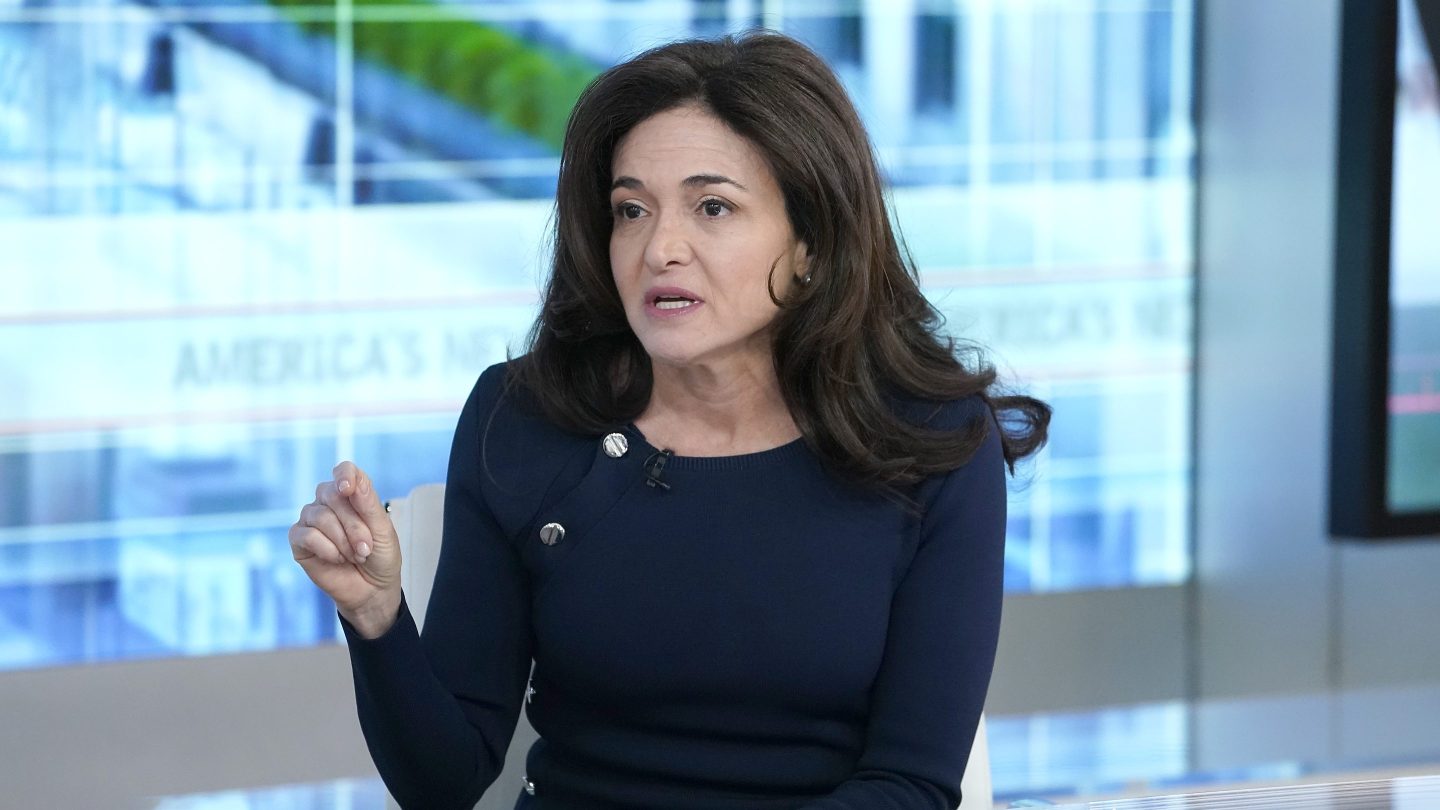
The gap is part of a growing pattern of women being left behind in the workplace, says former Meta Platforms executive and nonprofit Lean In founder Sheryl Sandberg. While the number of men in the workplace this year has risen by nearly 400,000, the number of working women has fallen by about 500,000, data from the U.S. Bureau of Labor Statistics shows.
“This is my fourth decade in the workplace, and we are in a particularly troubling moment in terms of the rhetoric on women,” she told CNN on Tuesday. “You see it everywhere in all the sectors. But what I’ve seen is, you know, we make progress, we backslide. We make progress, we backslide. And I think this is a major moment of backsliding.”
Troubling workplace trends
Stricter return-to-office mandates and the rising cost of childcare have forced many women to either cut hours or quit their jobs altogether, what some researchers are calling “The Great Exit.” Labor force participation from women age 25 to 44 with children under 5 fell by about 3% from January to June of this year alone.
The women who are still able to work from home, sometimes out of necessity because of childcare responsibilities, risk becoming invisible at their job. Many get less feedback and mentorship than their in-office counterparts. They are also less likely to be promoted than their male counterparts and see fewer raises and lower wages.
The changes in workplace patterns also come amid concerted efforts to curb diversity, equity, and inclusion efforts in the workplace, with women saying this rollback has impacted their career plans, including prioritizing job security over career growth opportunities. President Donald Trump got rid of EO 11246, an executive order mandating federal contractors provide equal employment to marginalized groups like women and people of color, on his second day in office.
Lean In’s data suggests remaining workplace DEI efforts are also falling short. Despite 88% of companies saying they prioritize inclusive cultures, only 54% say they’ve committed to programs designed for women’s career enhancement and 48% committing to efforts to advance women of color at work. One-fifth of companies surveyed reported no specific support efforts for moving women up in their careers.
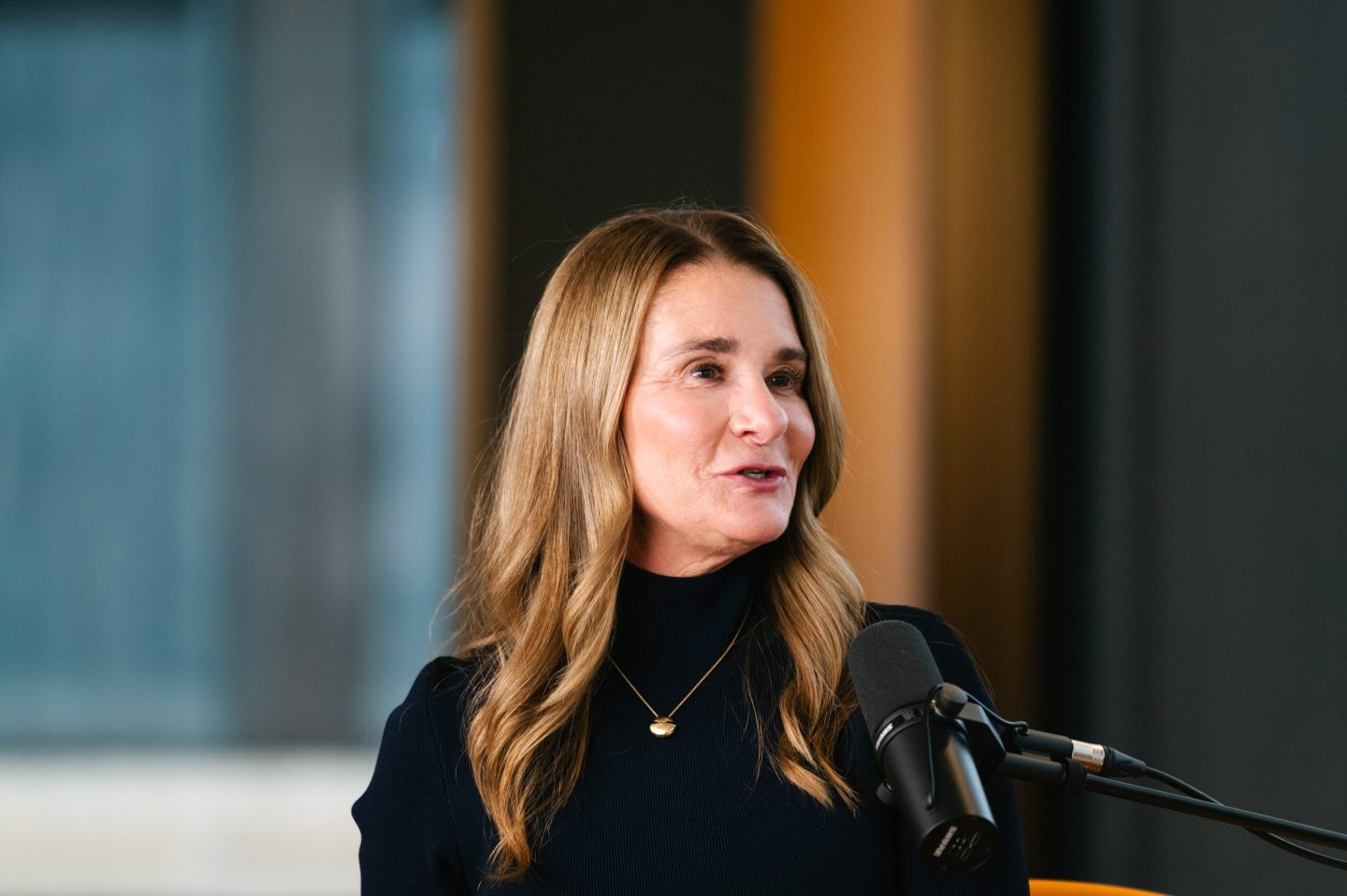
“We’ve built systems that aren’t working, and women are bearing the brunt of it,” billionaire philanthropist Melinda French Gates told Fortune in October. “It’s very concerning to see so many women leaving the workforce—but if you’ve been listening all along to what women say about their careers, it’s not surprising.”
French Gates said she attributes continued challenges for women in the workplace to tradeoffs they have to make, including balancing work with childcare. Women also continue to face workplace harassment and navigate enduring stereotypes about their own leadership capabilities, French Gates added.
To Sandberg, the issue goes beyond something ideological. She argued neglecting women in the workplace is a dangerous economic choice, saying that if the U.S. were to increase women’s workforce participation on par with other wealthy countries, it would add an additional 4.2% GDP growth. Organization for Economic Cooperation and Development (OECD) data indicates the wealth of a country is correlated with the participation of women in its workforce.
“This is a critical issue, not of special treatment,” Sandberg said, “but of making sure we get the best out of our workforce and … are competitive economically.”