Amazon’s self-driving robotaxi subsidiary, Zoox, expects to start charging passengers for rides in Las Vegas in early 2026, with paid rides in the San Francisco Bay Area coming later next year, a company executive said Monday.
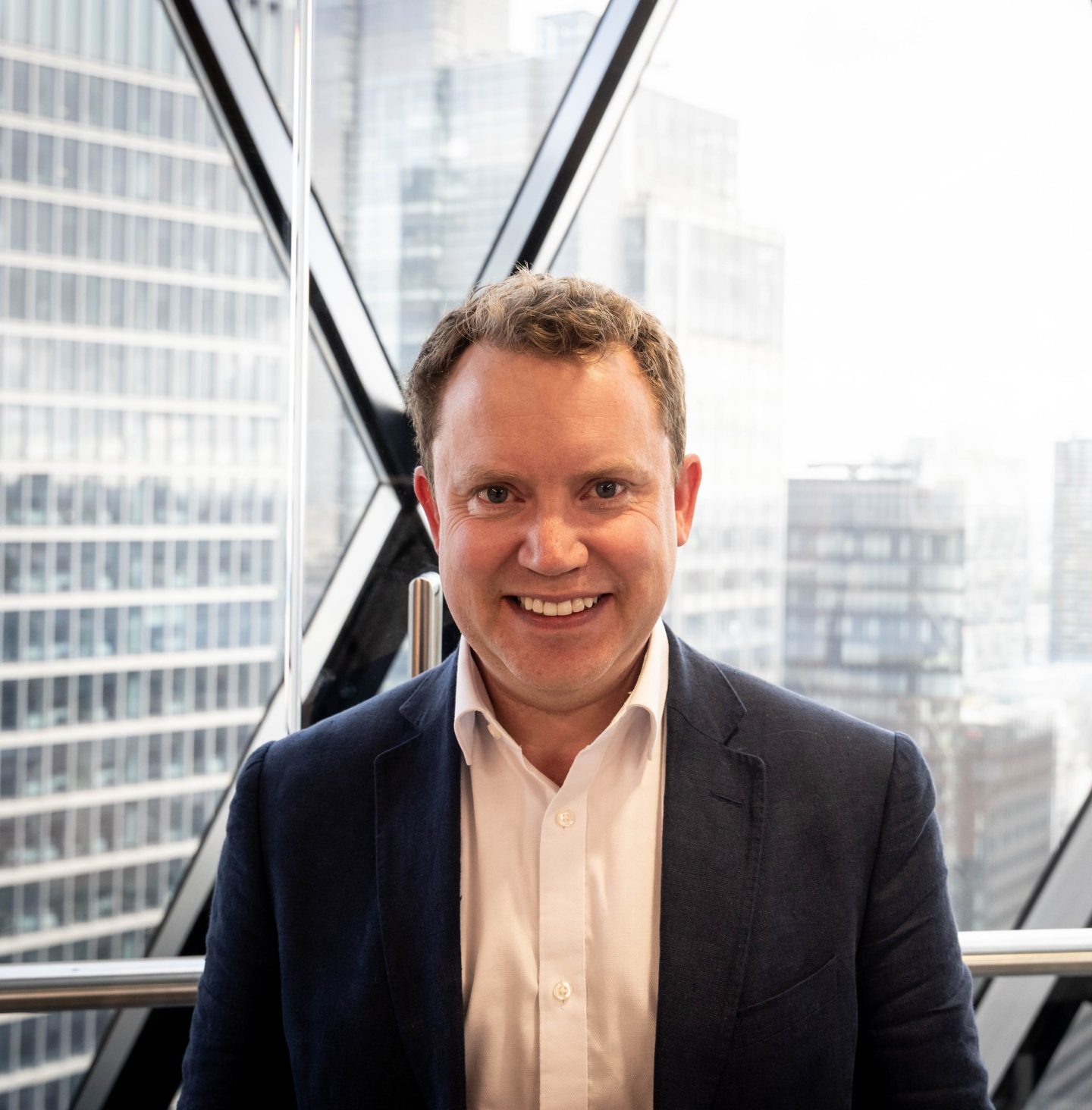
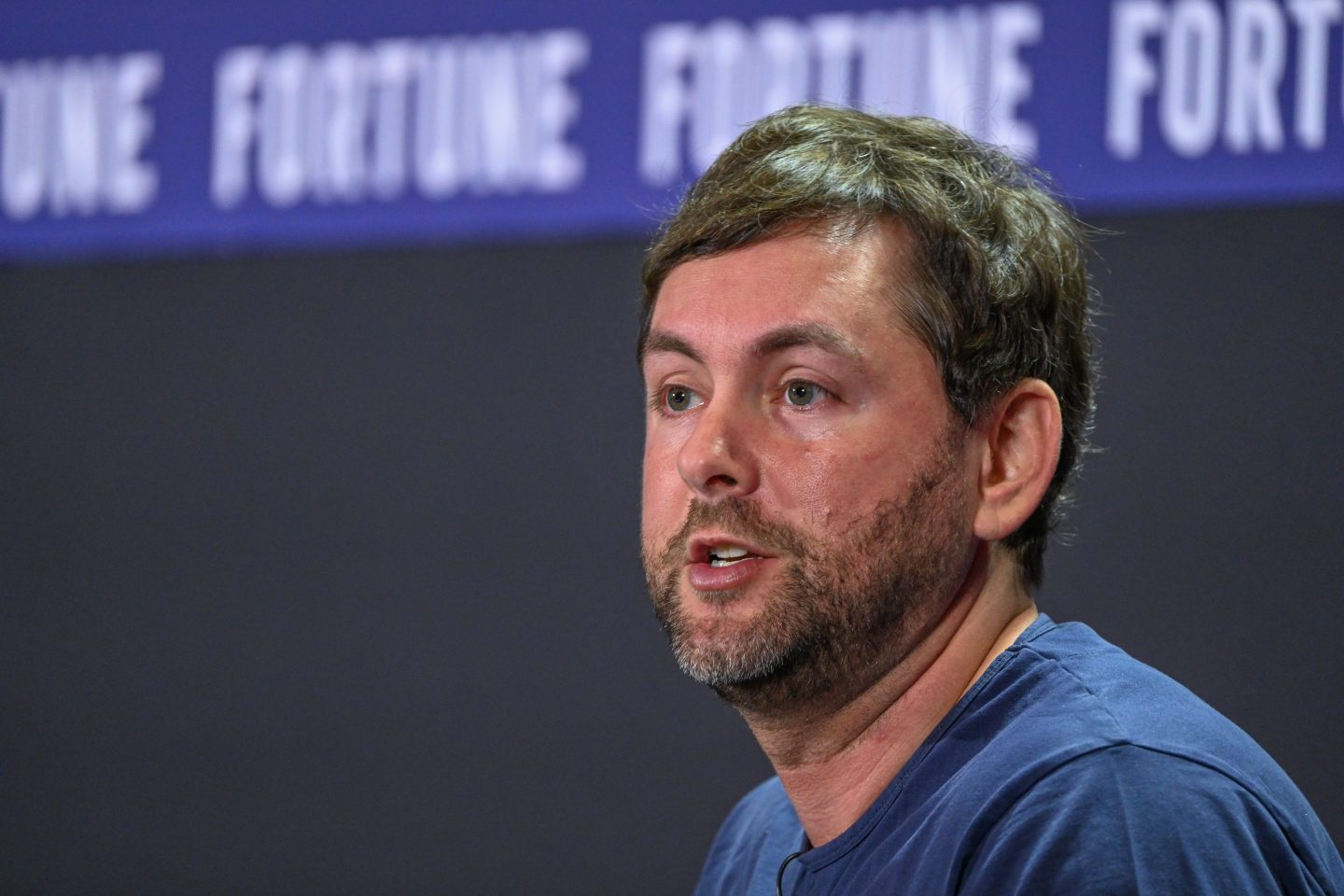
The move, which would represent a key milestone for Zoox as it seeks to catch up with Alphabet’s Waymo, depends on obtaining federal regulatory and state approvals, Zoox cofounder and chief technology officer Jesse Levinson told the audience at the Fortune Brainstorm AI event in San Francisco on Monday.
And while robotaxi rival Waymo recently partnered with DoorDash to test food deliveries with driverless cars, Levinson said that Zoox is “laser focused” on moving people around cities, an addressable market he sees as being “just profoundly huge.” That directive has come “all the way from the very top” at Amazon, he added, despite the retailer’s significant interest in driverless package delivery.
“It’s harder to move people around than packages in terms of what you have to do with your vehicle,” Levinson said. On the other hand, automating package delivery is rife with its own challenges because the boxes have to get in and out of the vehicle, which isn’t as straightforward as people who can move themselves, he added.
Zoox crossed the 1 million mile technical threshold for autonomous rides just last week, Levinson said. The company’s distinct, carriage-seated vehicles, which have no steering wheels or manual controls, currently provide rides to passengers free of charge in portions of Las Vegas, and Zoox is slowly opening up the wait list to use the service in San Francisco.
Despite the progress and the plans to start charging fares, Zoox won’t generate revenues that are meaningful to Amazon, its $2.4 trillion parent company, for at least several more years, Levinson said.
“This is pretty expensive,” said Levinson. “Over the next few years, it will start to be a really interesting business because the revenue you can generate from the robotaxi is quite a bit more than the expense to run robotaxis.”
That’s the point at which the business will become more “financially interesting,” he added.
Building cars without human drivers in mind
While creating a driverless robotaxi service comes with various challenges, Levinson believes it will ultimately be a key method for moving people around dense urban areas.
“Our view is that people aren’t doing this, not because it’s not a good idea, but because it’s just really hard,” said Levinson. “It takes a lot of time, it’s very cross-functional, and it’s expensive. But I do think over time this is going to be a much more popular way of human transportation.”
One of the gaps between a driverless robotaxi service like Zoox and Waymo, said Levinson, is in the way the cars are built. Rather than retrofitted vehicles that were manufactured with a human driver in mind, Zoox cars were built to be driverless. Levinson said the four-passenger cabins have carriage seating, active suspension, individual screens for each seat, and four-zone climate control.
“The cars that have been designed over the last 100 years are for humans,” Levinson said. “All the choices, their shape, their architecture, what components they have in them—they were all designed for human drivers.” Levinson said Zoox offers a more cushy, social rider experience that he thinks will be a differentiator among competitors like Waymo and potentially Tesla’s robotaxi fleet.
Another competitive element for Zoox is its battery, said Levinson. The bigger battery is more environmentally and economically friendly because it requires less charging.
“The economic opportunity and the opportunity for customers [as we] create this whole new category of transportation is actually much more exciting and even more financially compelling than simply taking something they do today and saving a bit of money,” he said.