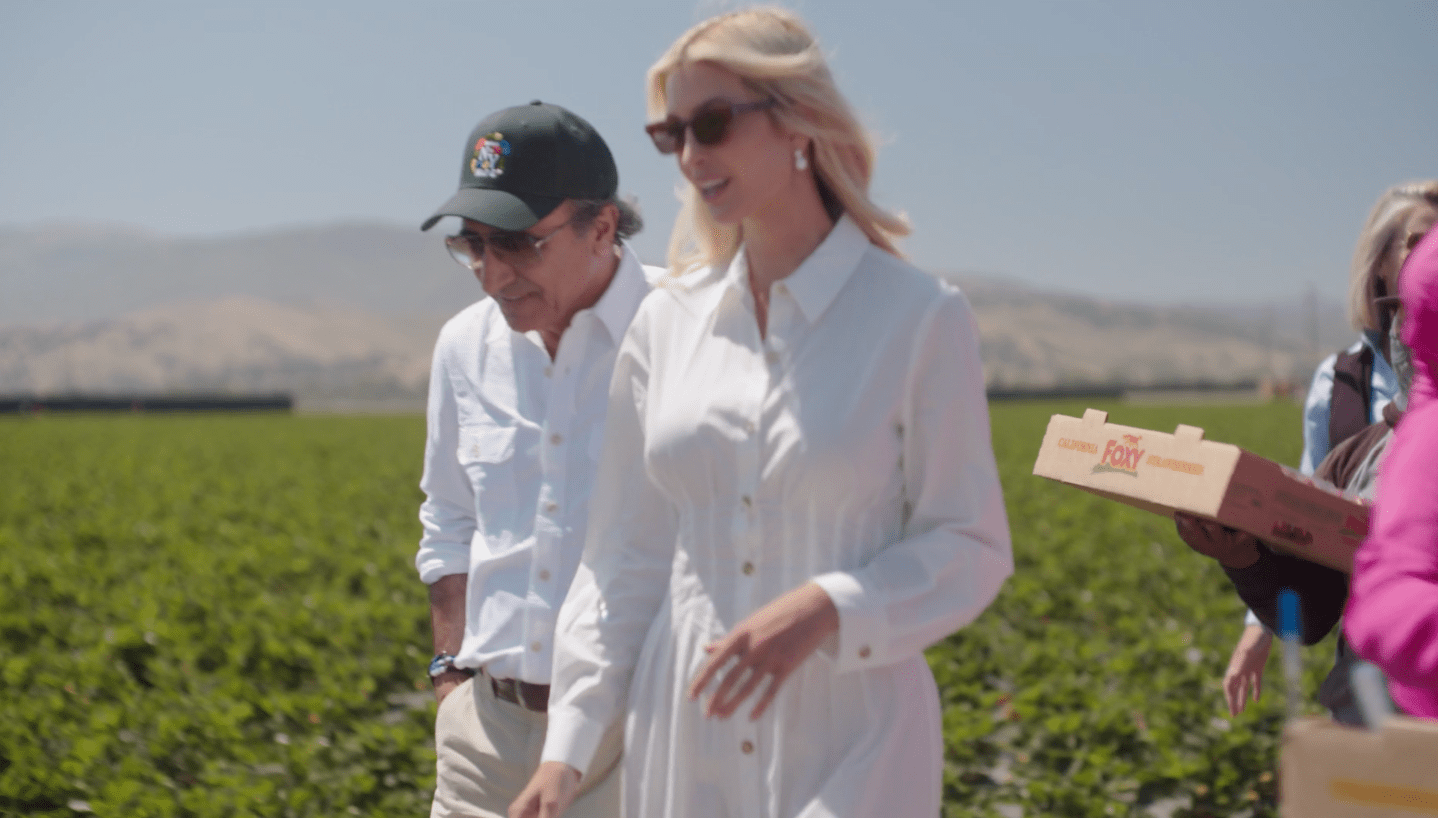
This spring, a second-generation strawberry farmer in California stood in his fields with two generations of farmers by his side. Rows of ripe, red berries glistened in the sun — perfectly edible, yet destined to go unharvested because they were too small to end up in grocery stores. The farmer had already paid for the land, plants, water, fertilizer, and labor, but without a buyer, it didn’t make economic sense to pay workers to harvest the fruit. Eventually, he had no choice but to till the fruit back into the soil. Multiply this decision across thousands of farms nationwide, and the scale of the problem becomes staggering: a system that forces growers to shoulder the cost while perfectly good, edible food goes to waste.
Every year in the U.S., 30% of fruit and vegetables grown by hard-working farmers never leave the field, primarily because it doesn’t meet appearance standards like size, shape, or color. More than 36 billion pounds of surplus produce went unharvested or unsold on U.S. farms in 2023, representing an estimated economic loss of $13 billion. Consider strawberries alone: 400 million pounds are plowed under or left behind annually. The cost is more than wasted fruit. Farmers lose revenue on produce they can’t sell, and communities miss out on nourishment that should have made it to their kitchen tables.
There’s a better way. It starts with rethinking the way Americans value the food that’s left in the field: produce that’s perfectly delicious and nutritious, even if it’s a millimeter too small.
That’s where secondary markets come in, turning waste into opportunity. Secondary markets buy what the primary market won’t take, then channel it into ingredients for buyers and processors where appearance doesn’t matter, without sacrificing taste or quality. According to NC Extension, widening the sellable range is a direct lever to increasing marketed yield by up to 20%. Crops are left unharvested in response to market conditions, but they could be marketed with connections to more flexible buyers.
Rethinking the end result
Not all produce needs to end up in the fresh aisle. Processing channels like frozen, dried, purees, sauces, and meal kits offer enormous potential to utilize every strawberry, apple, and tomato that comes out of the field. Partnering farms with manufacturers that can integrate excess produce into their product line presents a tremendous opportunity. In Tennessee field studies, researchers found that 76% of the produce left unharvested was still marketable or edible—the kind of “second-pass” fruit and vegetable that a secondary market can aggregate and sell into puree, frozen, or foodservice channels.
We first came together when we partnered to bring surplus food from farmers to hungry families in Twin Falls, Idaho, and upstate New York—an effort that inspired the idea for Planet Harvest. Planet Harvest was founded to create this secondary market and connect farmers directly with food companies and retailers to create sustainable, scalable solutions that reduce waste, expand access to nourishing food, and set the global standard in whole harvest sourcing. To scale this work, it partnered with Chobani, a company that is able to use the unused fruit and ensure it doesn’t go to waste. This year the company bought over 1.2 million pounds of Planet Harvest strawberries that would have been discarded from farms — enough fruit to produce over 55 million yogurt drinks – and is expanding these efforts with more fruit purchased from more farmers.
The result is increased revenue for farmers, water conservation, cutting greenhouse gas emissions by 20%, better-tasting food for the consumer, and diversification of the supply chain.
Chobani has been here before. Years ago, we made the decision to use rBST-free milk, without the synthetic growth hormone called recombinant bovine somatotropin, long before the industry thought it possible. That choice created a movement, and within years, rBST-free became the norm across dairy. We see the same opportunity today: to make “whole-harvest sourcing” not an exception, but the standard.
Farmers already report earning $0.27 per pound for fruit once considered worthless, generating hundreds of thousands of dollars across just a dozen farms. That is new income flowing into rural communities. According to World Wildlife Fund, saving one million pounds of fruit helped several participating growers reduce their on-farm losses nearly 40%. When we waste food, we also waste all of the resources that went into producing it, in this case, 320 billion gallons of water and 169,000 metric tons of carbon emissions. These are not marginal gains. They are system-changing dividends.
And consumers have a role to play. Just as we once embraced “organic” and “fair trade,” we can now demand “whole harvest.” Every time someone buys a product made from fruit that would otherwise have been wasted, they are voting for a smarter food system—one that feeds people, not landfills.
Better stewards of what we grow
We don’t need to grow more food to help solve hunger in this country. We need to be better stewards of what we already grow. The 400 million pounds of strawberries left in fields this year represent a failure, yes—but also an opportunity. If farmers, food companies, policymakers, and consumers act together, we can reimagine the journey from farm to table and build a system that rewards stewardship over waste.
This business model is good for farmers, good for the environment, and an even better experience for customers. With better marketplaces, flexible standards, and creative processing, we can ensure that fewer farmers watch their harvests go to waste and more families enjoy the fruits of their labor.
[This article has been updated to correct a reference to World Wildlife Fund data.]
The opinions expressed in Fortune.com commentary pieces are solely the views of their authors and do not necessarily reflect the opinions and beliefs of Fortune.