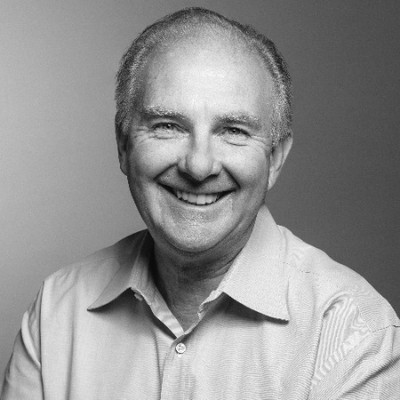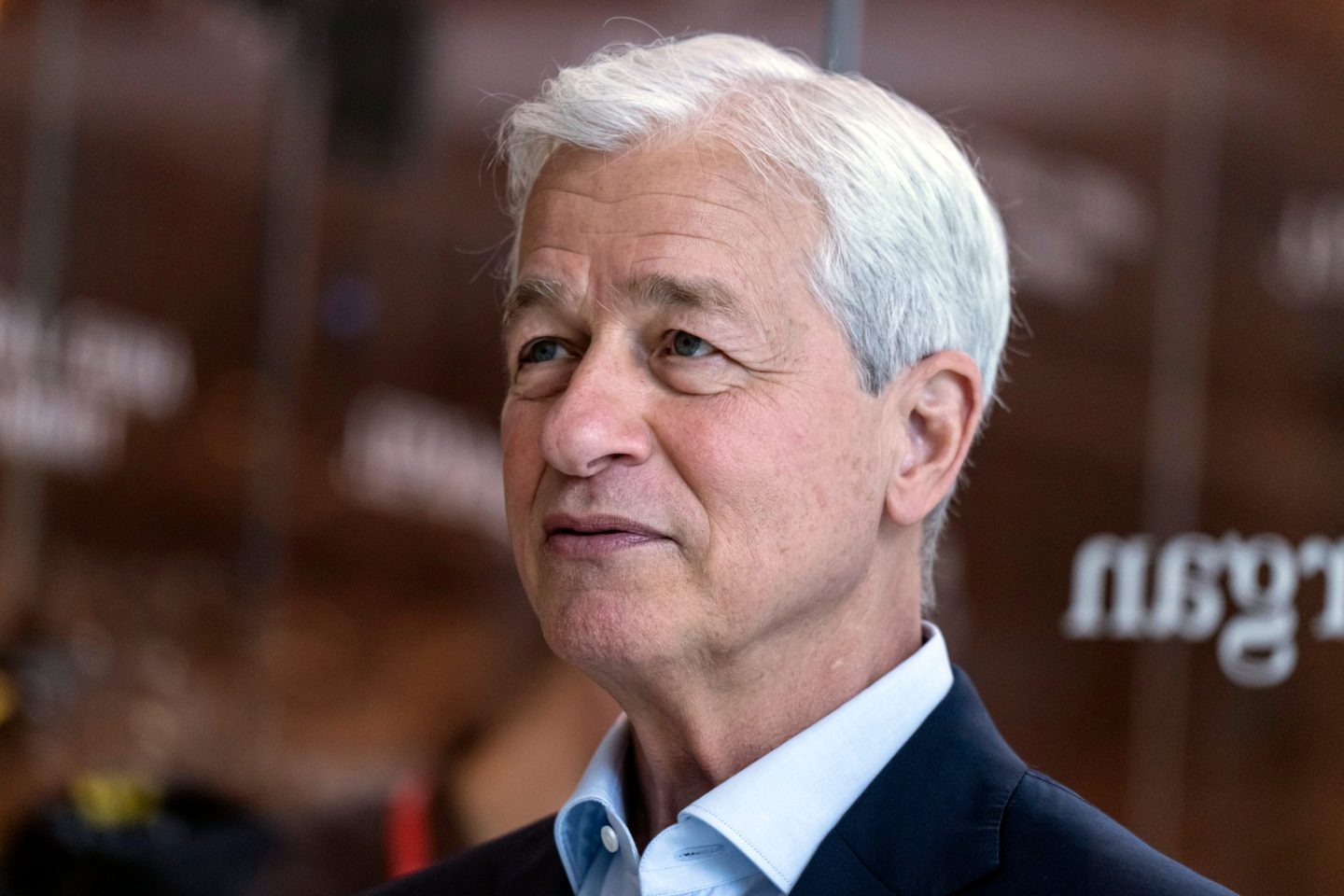
In 1998, Jamie Dimon was a rising star on Wall Street, widely expected to assume the CEO mantle at Citigroup after helping build the financial conglomerate alongside his mentor Sandy Weill. That path abruptly collapsed when Dimon was unceremoniously fired, as Dimon recalled in a recent podcast appearance.
Speaking to Acquired, the JPMorgan Chase CEO said the shock was not just professional but deeply personal; Dimon recalls fielding nervous questions from his children about the family’s future as about 50 colleagues gathered at his apartment for “a wake” that night. Dimon said he told his guests that he was doing alright, it was his “net worth, not his self worth” that had been shaken.
Dimon said he spent the next 18 months considering his next step, out of an office in the Seagram Building. He said he dabbled in teaching, considered starting his own merchant bank, and even contemplated retirement, being 42 years old at the time. But he also called various connections, keeping an open-mind. One of these led to a visit to Seattle to meet Amazon founder Jeff Bezos, who was seeking a president for his fast-growing company, and they had a particularly consequential conversation.
The Amazon what-if and the road not taken
Dimon and Bezos hit it off, saying they’ve “been friends ever since.” Yet he also says it was just “a bridge too far,” not just to move to Seattle, but to leave finance for the tech world, and running Amazon full-time. Dimon said he would have been stepping into a radically different industry and life, joking that it would have been like a “When Harry Met Sally” scenario or an alternate universe: “I’ll never wear a suit again. I’m going to live in a houseboat.”
To be sure, Amazon at that time was also a much different proposition to the $2.4 trillion colossus it is today. The tech company’s share price was less than a dollar and it had just a $5.5 billion market cap at the end of 2000. After the Amazon visit, Dimon said he “got serious” and considered other positions.
Other offers included running other global investment banks, which Dimon declined to name, and even insurance giant AIG, as he fielded a call from Hank Greenberg. Another offer he declined was from Ken Langone, Bernie Marcus and Arthur Blank, and Dimon said he had good conversations, but eventually confessed that he had never actually stepped foot in a Home Depot before.
But what stuck was a headhunter’s call about Bank One—a large but beleaguered Chicago bank. At the time, Bank One was valued around $20 billion, a far cry from the $200 billion scale of Citigroup. It had recently merged with other regional banks and was beset by infighting, brand confusion, and mounting losses. Dimon recalled that analyst Mike Mayo had a great line at the time about the bank’s problems: “Even Hercules couldn’t fix it.”
How Dimon became the captain of the ship
Undeterred by the daunting turnaround task, Dimon saw potential where others saw wreckage. He described the idea of another banking job as “my habitat”—and he described Bank One as a place where his operational style and relentless focus on risk management could make an impact. He uprooted his young family, moved to Chicago, and signaled ultimate commitment by investing half his net worth—$60 million—directly into Bank One’s stock the day he took the job. “I was going to go down with the ship or up with the ship,” he said, determined to demonstrate to shareholders and his new team that he was “alock, stock, and barrel.”
He also talked generally about why he made this particular career decision instead of a New York-based investment banking job. He was in charge at Bank One as the CEO, he said, whereas he expressed doubts about whether he could fully trust people in the investment banking world, after his bruising experience with his mentor Sandy Weill and Citigroup.
Within days, he confronted the scale of the challenge: management discord, disjointed IT systems, failing credit card operations, and a 21-member board split by tribal rivalries. Rather than seek short-term wins, Dimon insisted on honest reporting, transparent communication, and building a long-term strategy—traits that would later crystallize at JPMorgan Chase and Dimon’s belief in having a “fortress balance sheet.” He explained on the podcast that Bank One’s tolerance for risk was far too excessive and the bank wasn’t being honest with itself. By owning up to its own problems, it could set course for a stronger balance sheet that would be a fortress when the market turned.
Captain of the ship or the houseboat?
Dimon’s wager on Bank One—and the leadership approach he honed there—set the stage for his stewardship of JPMorgan Chase. He made his return to Wall Street in 2004 when Bank One merged with JPMorgan, and he emerged as one of the great stabilizers of the financial system during the 2008 financial crisis. As JPMorgan has gone from strength to strength, Dimon has matured into a senior voice in American society itself, weighing in on politics and central banking alike, and wielding substantial influence.
American finance might look profoundly different if Dimon had taken Bezos’ offer and chosen to join Amazon. Instead, his $60 million bet on a struggling bank catalyzed one of the most remarkable second acts in corporate American history, ultimately leading to one of the most successful and influential bankers of his generation. Instead, he could have been a tech executive living on the proverbial houseboat.
JPMorgan declined to comment further for this report.
For this story, Fortune used generative AI to help with an initial draft. An editor verified the accuracy of the information before publishing.