• Home
  • News
  • Fortune 500
  • Tech
  • Finance
  • Leadership
  • Lifestyle
  • Rankings
  • Multimedia
ConferencesFuture of Finance

Millennials and Gen Z are skeptical of traditional financial advice. Here’s how to reach them

Alicia Adamczyk
By
Alicia Adamczyk
Alicia Adamczyk
Senior Writer
Down Arrow Button Icon
Alicia Adamczyk
By
Alicia Adamczyk
Alicia Adamczyk
Senior Writer
Down Arrow Button Icon
May 16, 2024, 6:20 PM ET
David Nason
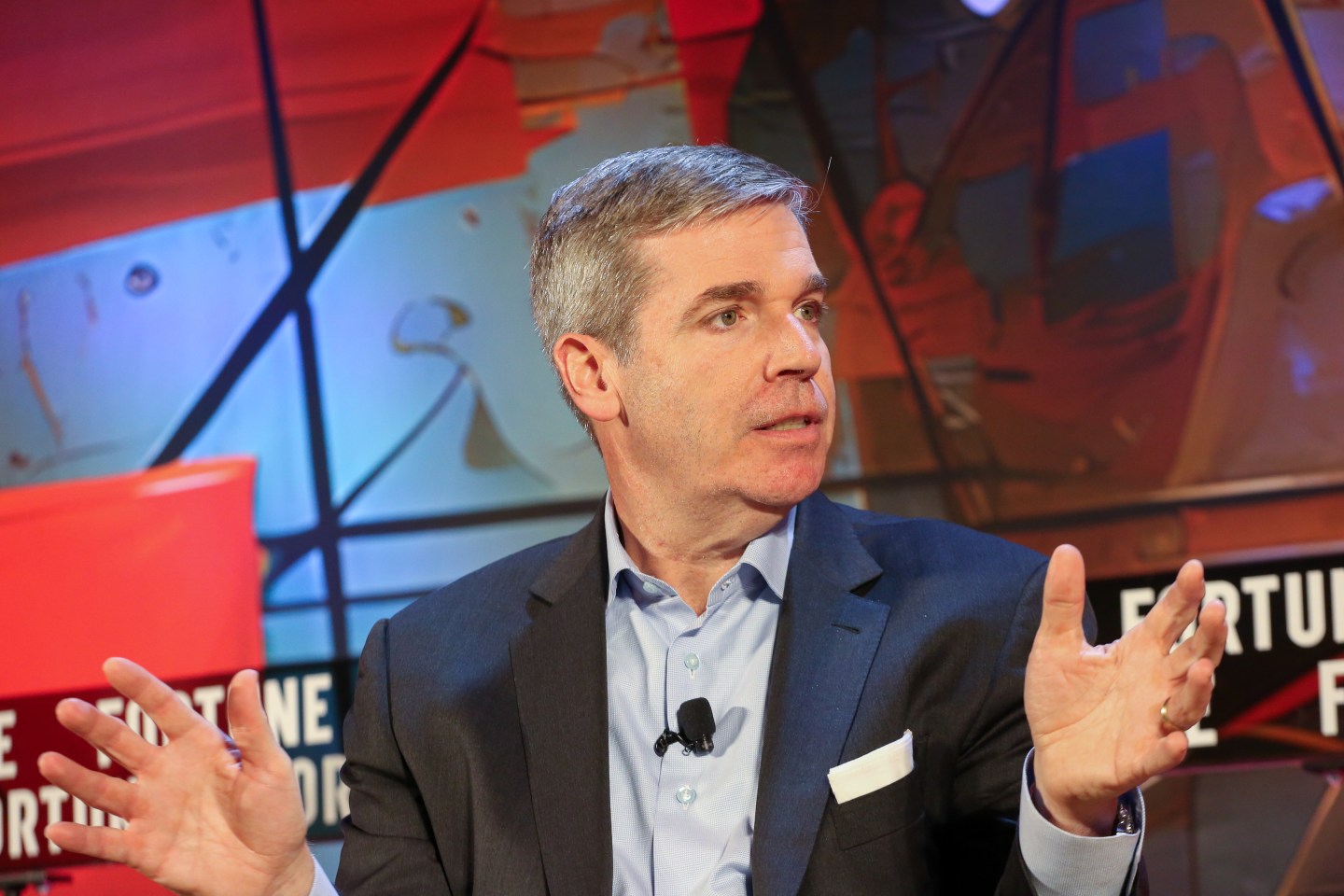
David Nason, Senior Executive Vice President and Chief Operating Officer, TIAA; President, TIAA Wealth Management, at the Fortune Future of Finance conference in New York City on May 16, 2024.Rebecca Greenfield/Fortune

When it comes to traditional financial advice and markers of success, millennials and Gen Z are a skeptical bunch. But that should help them in the long run, according to one financial executive.

Recommended Video

Despite the economic headwinds facing young people today, David Nason, senior executive vice president and COO of TIAA, gave two reasons why he doesn’t necessarily worry about the financial futures of millennials and Gen Zers at Fortune‘s Future of Finance conference Thursday.

“One, they have time. And time is your best friend for these types of thing,” Nason said. “And two, I like the fact that they are skeptical and they push back. I like the fact that they went through a very tumultuous period in COVID, understand what risk looks like, understand what it’s like to come back from risk.”

COVID was a tough time for many workers, but, to Nason’s point, the finances of younger generations have improved by leaps and bounds since then. In fact, recent research from the New York Federal Reserve found the inflation-adjusted wealth for Americans under 40 grew by an astounding 80% between Q1 2019 and Q3 2023—significantly more than the wealth of older generations grew.

Not only that, but Gen Z workers are earning healthy salaries, and even getting into the housing market earlier. They are also, broadly speaking, saving for retirement years sooner than did older generations. That healthy baseline speaks well to the potential for younger generations to meet their financial goals.

“I have a lot of faith that this…population is going to do well,” Nason said.

Still, there are plenty of ways to improve. Fellow panelists Tom Davidson, founder and CEO of EVERFI from Blackbaud, and Vanessa Okwuraiwe, principal at Edward Jones, noted that both employers and parents have key roles to play in helping the youngest generations understand their finances.

On the employer front, offering things like auto-enrollment and auto-escalation for retirement savings, for example, is one of the best ways to help employees’ financial wellness, Nason said.

Also crucial, according to Okwuraiwe, is meeting people where they are. For younger generations, that means offering digital-first advice and products that can help them take control of their finances. It could also mean offering Spanish-language advisory sessions to reach more employees.

But, the panelists agreed, parents play an even more critical role because they spend so much time with their children long before they get their first jobs. That’s something millennials and Gen Z should remember with their kids.

“We can’t underestimate the importance of our parents and guardians, in terms of immersion,” Okwuraiwe said. “Children learn their first languages at home, and financial education should be treated as a language.”

Fortune Brainstorm AI returns to San Francisco Dec. 8–9 to convene the smartest people we know—technologists, entrepreneurs, Fortune Global 500 executives, investors, policymakers, and the brilliant minds in between—to explore and interrogate the most pressing questions about AI at another pivotal moment. Register here.
About the Author
Alicia Adamczyk
By Alicia AdamczykSenior Writer
LinkedIn iconTwitter icon

Alicia Adamczyk is a former New York City-based senior writer at Fortune, covering personal finance, investing, and retirement.

See full bioRight Arrow Button Icon

Latest from our Conferences

Workplace CultureBrainstorm Design
How two leaders used design thinking and a focus on outcomes to transform two Fortune 500 giants
By Christina PantinDecember 4, 2025
4 days ago
Workplace CultureBrainstorm Design
Designer Kevin Bethune: Bringing ‘disparate disciplines around the table’ is how leaders can ‘problem solve the future’
By Fortune EditorsDecember 3, 2025
4 days ago
AIBrainstorm Design
Microsoft AI’s design head wants her team to be AI-native by the end of the fiscal year
By Angelica AngDecember 3, 2025
4 days ago
AsiaFortune Innovation Forum
Syfe CEO: Fintech founders need to focus on trust if the sector is to reach its full potential
By Dhruv AroraNovember 24, 2025
13 days ago
EnergyFortune Innovation Forum
Going green doesn’t always mean going big: ‘Pay attention to the small- and medium-size players as well’
By Angelica AngNovember 24, 2025
14 days ago
AsiaFortune Innovation Forum
A World Bank expert thinks countries should leverage ‘small AI’—and avoid competing with the biggest tech giants
By Nicholas GordonNovember 24, 2025
14 days ago

Most Popular

placeholder alt text
AI
Nvidia CEO says data centers take about 3 years to construct in the U.S., while in China 'they can build a hospital in a weekend'
By Nino PaoliDecember 6, 2025
1 day ago
placeholder alt text
Real Estate
The 'Great Housing Reset' is coming: Income growth will outpace home-price growth in 2026, Redfin forecasts
By Nino PaoliDecember 6, 2025
1 day ago
placeholder alt text
Economy
The most likely solution to the U.S. debt crisis is severe austerity triggered by a fiscal calamity, former White House economic adviser says
By Jason MaDecember 6, 2025
22 hours ago
placeholder alt text
Asia
Despite their ‘no limits’ friendship, Russia is paying a nearly 90% markup on sanctioned goods from China—compared with 9% from other countries
By Jason MaNovember 29, 2025
8 days ago
placeholder alt text
Big Tech
Mark Zuckerberg rebranded Facebook for the metaverse. Four years and $70 billion in losses later, he’s moving on
By Eva RoytburgDecember 5, 2025
2 days ago
placeholder alt text
Success
Nvidia CEO Jensen Huang admits he works 7 days a week, including holidays, in a constant 'state of anxiety' out of fear of going bankrupt
By Jessica CoacciDecember 4, 2025
3 days ago
Rankings
  • 100 Best Companies
  • Fortune 500
  • Global 500
  • Fortune 500 Europe
  • Most Powerful Women
  • Future 50
  • World’s Most Admired Companies
  • See All Rankings
Sections
  • Finance
  • Leadership
  • Success
  • Tech
  • Asia
  • Europe
  • Environment
  • Fortune Crypto
  • Health
  • Retail
  • Lifestyle
  • Politics
  • Newsletters
  • Magazine
  • Features
  • Commentary
  • Mpw
  • CEO Initiative
  • Conferences
  • Personal Finance
  • Education
Customer Support
  • Frequently Asked Questions
  • Customer Service Portal
  • Privacy Policy
  • Terms Of Use
  • Single Issues For Purchase
  • International Print
Commercial Services
  • Advertising
  • Fortune Brand Studio
  • Fortune Analytics
  • Fortune Conferences
  • Business Development
About Us
  • About Us
  • Editorial Calendar
  • Press Center
  • Work At Fortune
  • Diversity And Inclusion
  • Terms And Conditions
  • Site Map

© 2025 Fortune Media IP Limited. All Rights Reserved. Use of this site constitutes acceptance of our Terms of Use and Privacy Policy | CA Notice at Collection and Privacy Notice | Do Not Sell/Share My Personal Information
FORTUNE is a trademark of Fortune Media IP Limited, registered in the U.S. and other countries. FORTUNE may receive compensation for some links to products and services on this website. Offers may be subject to change without notice.