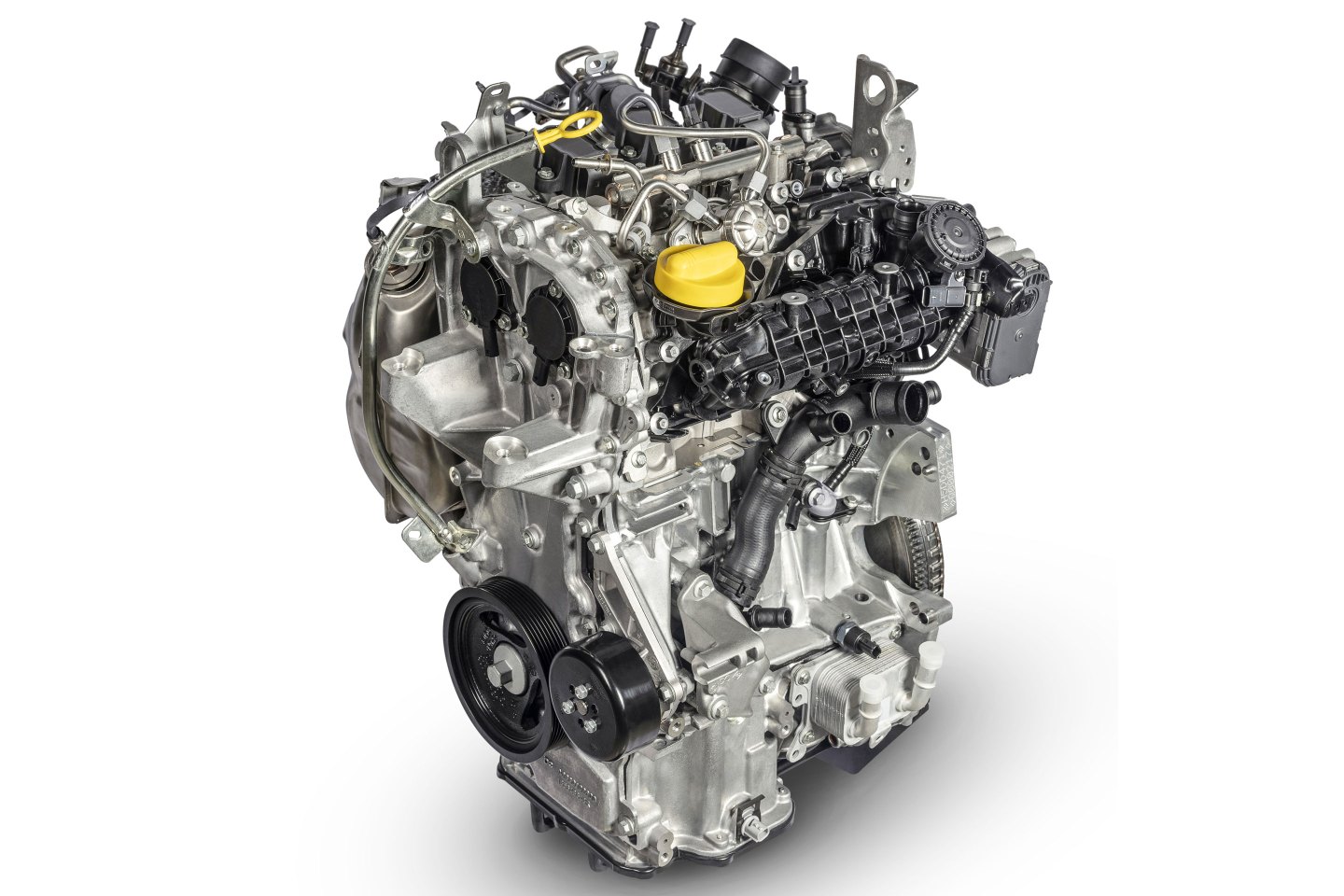
Today, support for a sustainable future of transport is unanimous, and it is rightfully acknowledged that electric vehicles (EVs) will play a critical role in pursuing this transition. However, we also need to remember that there is no one-solution approach to sustainable mobility. Every part of the world, while heading in the same direction, needs the ability to use the solutions that are the best fit for their markets.
For several years, policymakers have experimented with legislative force to influence a complete transition away from internal combustion engines (ICEs). These include the EU’s now-downscaled ban on new ICEs from 2035 onwards, and the Glasgow Declaration commitment at COP26 to end ICE sales globally by 2040.
Legislation can influence the direction of change, but it’s ultimately consumer demand that drives its pace. And the market indicates an enduring demand for ICEs.
Hybrids on the rise
Take the European new-car market, which has seen one of the strongest legislative pushes for an ICE phaseout: Despite this, ICE-powered hybrid registrations rose by 12.6% in March, while battery-electric registrations dropped by 11.3% in the same period. In some markets, like South America, demand remains overwhelmingly in favour of ICEs: Of the 3.1 million new passenger cars sold in the region in 2023, only 90,000 of them were EVs—around 3%.
Along with ICEs enjoying robust demand, they’re also key to deploying pivotal sustainable fuel technologies at scale, such as synthetic e-fuels or green hydrogen. The successful deployment of new fuels is a critical priority for some regions, with automotive leaders like Renault Group CEO Luca de Meo—also president of the European Automobile Manufacturers Association—arguing that hydrogen leadership should be a major project for Europe, if it wishes to compete against China’s booming automotive sector.
By 2030, McKinsey estimates that investments into hydrogen alone will total $320 billion, with annual investment in other sustainable fuel categories averaging $51 billion. To be employed for transport and mobility, these zero- or low-emission fuels will require next-generation ICE powertrains. By using these fuels, hybrids and ICEs can achieve a near-identical carbon footprint to EVs, from cradle-to-grave.
ICEs have a proven track record of leveraging sustainable, alternative fuels. In fact, this is the reason ICEs continue to play a dominant role in some markets, including Brazil: There, clean bioethanol-powered ICEs make up more than 80% of the country’s new vehicle sales. Bioethanol, flex fuels, and other sustainable fuels are established fixtures in many economies, and are set to further grow in adoption as a major component of various national sustainability roadmaps. For example, India plans to roll out a new 20% bioethanol fuel standard next year.
Peak EV adoption
As a result, some industry leaders believe that ICE-powered vehicles will be in the dominant majority for decades, with Toyota chairman Akio Toyoda projecting that global EV adoption will peak at just 30%. In my opinion, the more accurate long-term estimate of EV adoption came in 2019 from S&P, which predicted that 50% of all new passenger and light-duty vehicles sold worldwide would be EVs in 2040.
Regardless of what its exact market share is, the fundamental point is that the internal combustion engine—especially when powered by low-carbon technology and alternative fuels—will remain a significant fixture of the automotive market well into the future.
An understanding as to how resilient ICEs are is spreading across the automotive supply chain, with many in the industry quietly stepping back from earlier commitments to go fully electric within the next five to 10 years. Despite the significant regulatory and investment incentives in the wake of the Glasgow Declaration, the supply chain still needs to respond to demand—and the reality is that demand for ICEs is not falling in the way many have predicted.
EVs are fantastic mobility options in dense, urbanised environments like the EU and China, which helps explain why 85% of new EVs are sold within these markets. However, consumer demand for ICEs remains strong in the global south. Along with persistent regional demand, primary sectors such as agriculture, heavy-duty transport, and energy generation still widely depend on combustion engines.
A joint effort
When considering the future importance of ICEs, we should also remember that there is more to mobility than just passenger cars. There are estimated to be over 300 million trucks and buses worldwide, with the majority using ICEs. These vehicles represent significant capital expenditure for their owners and are set to enjoy many decades of continued use. Introducing flex fuels and retrofitting combustion engines with alternative fuel systems into the existing vehicle mix, at scale, will have a transformational effect on the world’s journey toward sustainable mobility.
Investment in and uptake of differing mobility solutions will, in part, be driven by geography and geopolitics. China, for example, may possess an overwhelming raw material advantage when it comes to EV production, yet other regions contain other resources, such as the Middle East’s natural gas and oil fields, or Europe’s larger vehicle production network. Along with different regions having their own unique demands, they also have their own unique strengths in what they can offer to the global automotive supply chain.
At the heart of the transition toward sustainable transport is continued innovation, powered by open and realistic minds. Rather than viewing this transition as a race between different solutions, we should see it as a joint effort by these solutions to create new paths towards more sustainable futures, and to power tomorrow.
The opinions expressed in Fortune.com commentary pieces are solely the views of their authors and do not necessarily reflect the opinions and beliefs of Fortune.