AI is the talk of the town at the World Economic Forum in Davos, Switzerland, this week as executives and world leaders gather to discuss many things, but especially the technology that is poised to change the world. “It does feel like the entire event has been rebranded the World AI Forum,” DeepMind cofounder Mustafa Suleiyman told CNBC. Pointing out that nearly every CEO referred to their operations as “AI-first,” Suleiyman wondered aloud, “Maybe we have hit a kind of peak hype for this moment.”
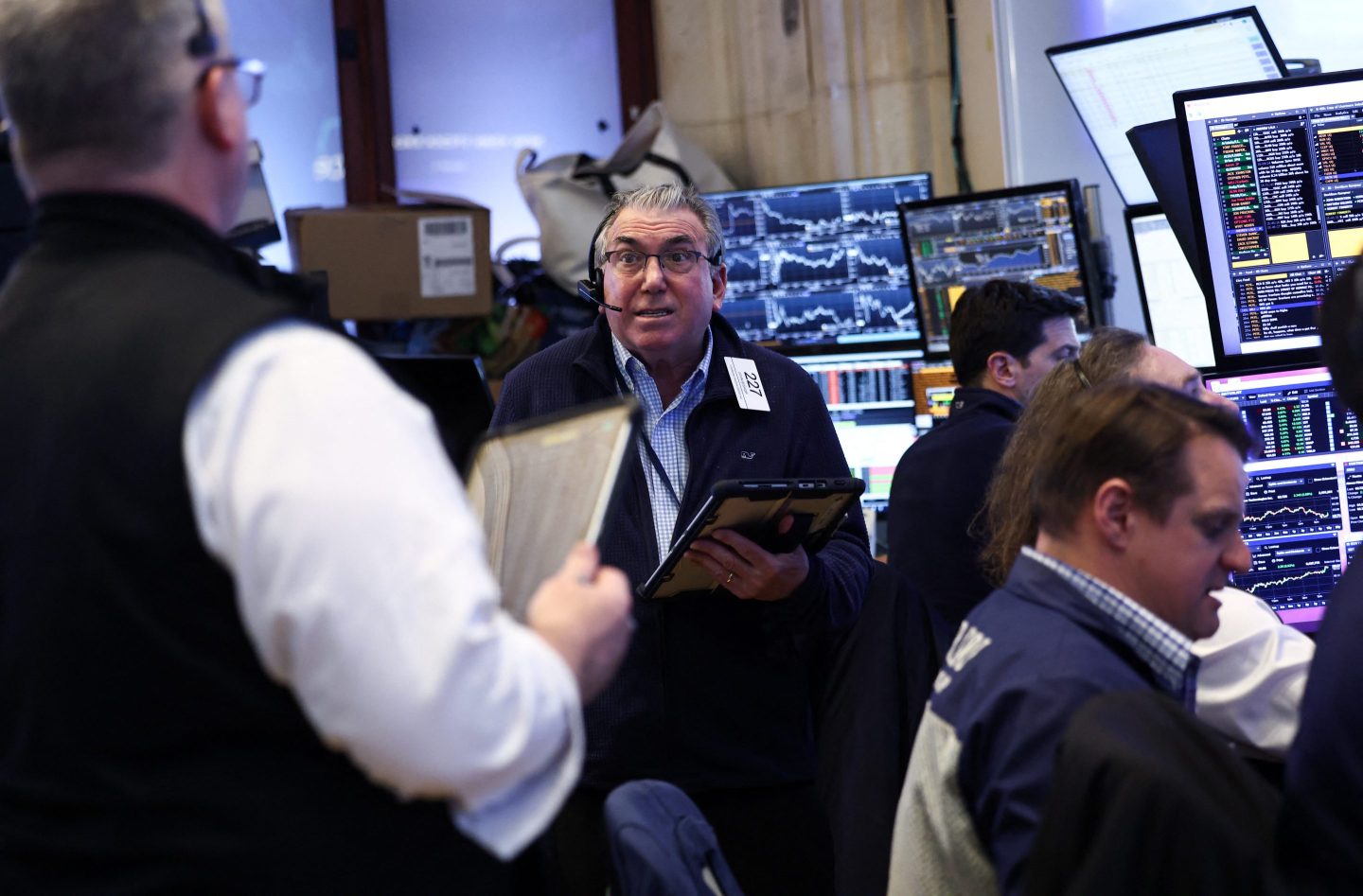
In Davos, business leaders feted new AI startups like Mistral, which supposedly has AI that can rival Alphabet’s and OpenAI’s. Others chastised generative AI for regularly being inaccurate, saying it wouldn’t live up to its promises until it could be truly trusted. While still others, such as Nicolai Tangen, head of Norway’s $1.5 trillion sovereign wealth fund, shrugged it off as an investment, reasoning that the technology was genuine but the returns might not be. Tangen’s fund has sold off its positions in the “Magnificent Seven” tech stocks, he said.
This cognitive dissonance—where AI is both a groundbreaking new technology that must be incorporated at breakneck speeds or a possible bubble that could leave unlucky investors destitute—has characterized much of how the business world thinks about artificial intelligence, with the technology engendering equal parts fascination and fear. A wide-ranging BCG study reveals what CEOs really think—they just want some breathing room. Out of more than 1,400 executives surveyed worldwide, 90% said they were “either waiting for GenAI to move beyond the hype or experimenting in small ways” within their companies.
For companies, AI offers the possibilities of mouthwatering computer-powered productivity, leading to untold cost savings companies could pump back into their business to fund everything from expanding into different markets, launching new products, or beefing up their talent rosters. On the other hand, the lack of clarity as to how to control AI means companies fear losing control of a technology even its inventors admit the world still knows very little about.
This puts executives in the odd position of being both eager to move quickly to implement AI, while also having to figure out which products and companies will be around for the long haul and which are just part of the latest hype.
‘Greatest hype campaign’ in the history of tech?
Companies “are committed to investing, but are not yet sure on what it will take to deploy the technology responsibly and at scale,” Boston Consulting Group global director of tech and digital advantage Vlad Lukic told Fortune in an email from Davos. “So, it is a process of cautious “doing and learning” while waiting to learn from the early deployments.”
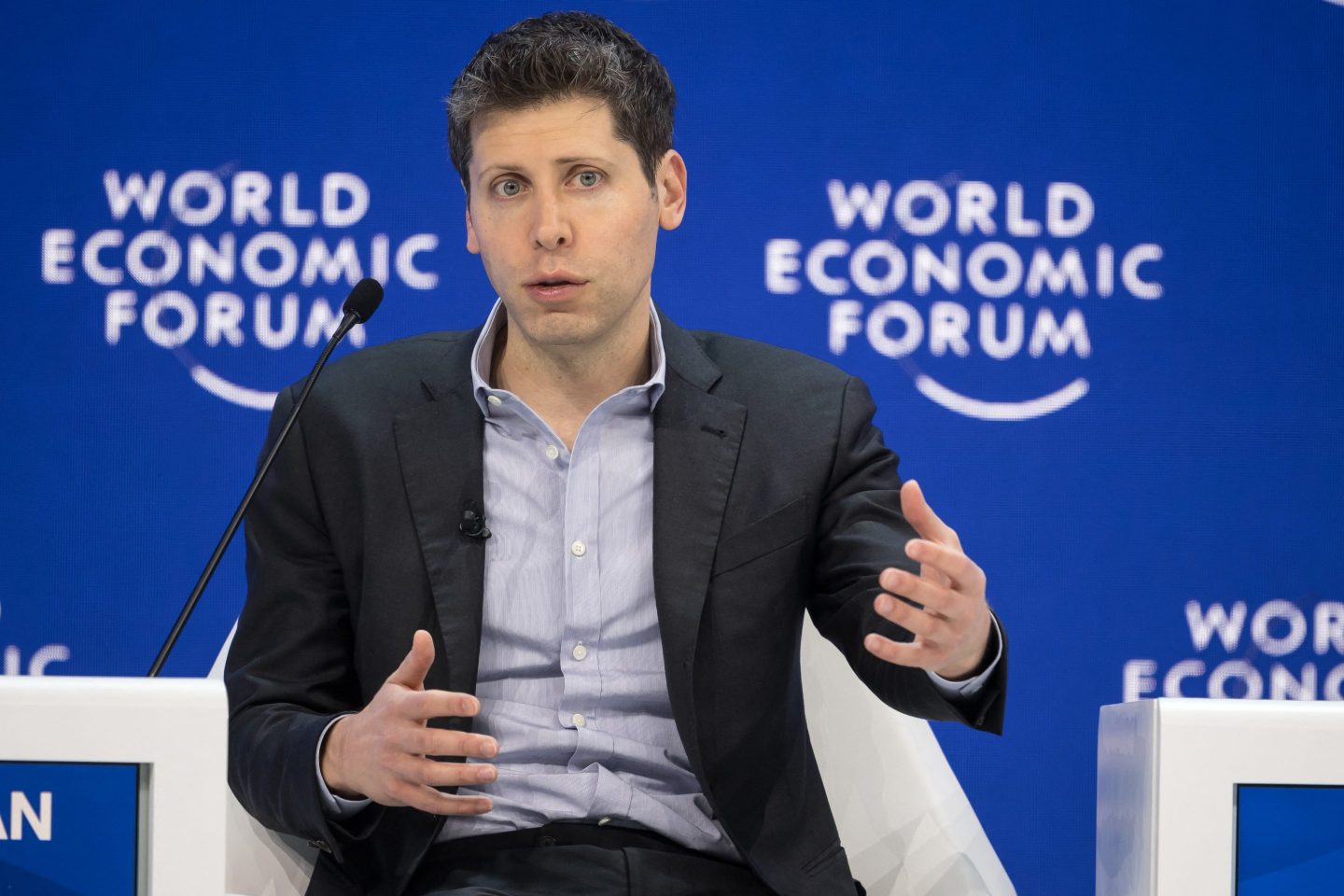
Others saw it as a concerted effort by AI companies to self-promote. “I think Microsoft and OpenAI orchestrated the greatest hype campaign I have ever seen in technology—which is really saying something,” Roger McNamee, cofounder of tech private equity firm Elevation Partners, said after OpenAI CEO Sam Altman’s remarks in Davos.
In November, the Census Bureau released results from a flash poll that found only 3.9% of all businesses in the U.S. reported using AI to produce goods and services. Although the last part of that statement may carry much of the weight for this statistic, as it’s likely many companies are conducting trial runs of AI without necessarily using it to make a product or do work for clients. Other analyses have found executives mentioning AI extensively on earnings calls following the release of ChatGPT in November 2022 but slower to follow through on those discussions. In fact, there are few public filings from major companies announcing any significant changes to their business due to AI.
Companies in heavily regulated industries like finance will have to be particularly prudent as they implement AI, lest they run afoul of the many laws that already govern their businesses. “Let’s not exaggerate on how fast it’s going to change the system,” UBS CEO Sergio Ermotti said during a World Economic Forum panel on the future of banking on Wednesday. “It’s going to be an evolution, it’s not going to be a revolution … because we have to be very prudent about how we do it.”
Most executives are chafing at the slow pace of change, though. A majority of business leaders want to spur their organizations to move faster, according to BCG’s study, with 66% ambivalent or outright dissatisfied with their organization’s progress on AI and generative AI so far.
Figuring out exactly what to do with AI isn’t helped by the fact that these skills are in such hot demand right now. The top reason executives are frustrated with their company’s progress on AI is a “lack of talent and skills” needed to put the technology into place. That exasperation extends all the way to the C-suite. Almost 60% of executives said they had limited or no confidence in their executive team’s proficiency in generative AI, according to BCG.
Because the technology is so new, there isn’t an off-the-shelf training program companies can rely on, making upskilling even more difficult. “This is relatively new,” Lukic says. “So, both finding people to hire and knowing how to upskill existing workforces is a new capability that executives must focus on building.”
Lukic warns against waiting too long to establish an AI gameplan. “The gap in efficiencies and customer experiences that early adopters will create will be significant and hard to overcome or to catch up with,” he says. “That early advantage will matter here more than it did with other technologies in the past.”
In that sense, the race may already be run. Both the established tech companies and the startups that seem best poised to corner the market got an early start. OpenAI was founded in 2015, seven years before it released any product to the public, and that company, along with its CEO Sam Altman, are now widely regarded as the face of the AI revolution. Microsoft, OpenAI’s largest investor, which first put money into the company in 2019, just recently overtook its eternal rival Apple as the world’s most valuable company with a market cap of $2.95 trillion. And Alphabet’s $500 million acquisition of Sulieyman’s DeepMind back in 2014 helped propel the company into the AI power player it is today.