Good morning!
Dismissing Gen Z’s demands for flexible and socially conscious workplaces may be tempting. However, as Zoomers inevitably become a large portion of the workforce—they’ll make up nearly a quarter by 2025—catering to their expectations will be another facet of the “future of work” that employers must contend with.
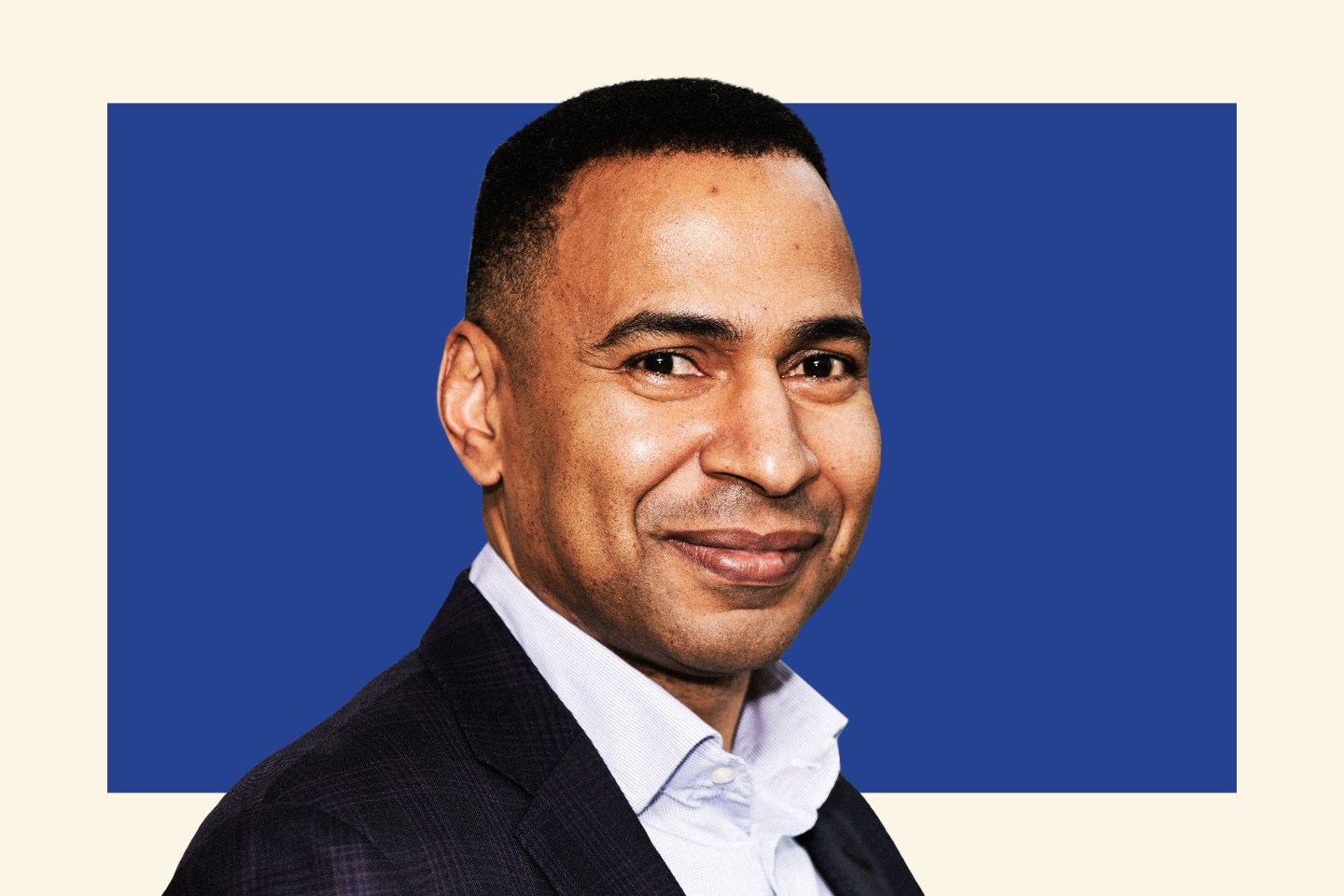
Errol Gardner, global vice chair of EY’s consulting business, recently spoke with Fortune about the importance of understanding Gen Z’s workplace needs and how the professional services firm is shifting its talent strategy to attract and retain them.
This interview has been edited and condensed for clarity.
What makes Gen Z unique from a talent perspective?
There are a few different things. One is the advances in digital technology that have exploded in the corporate environment in the last five years. The other is that for older generations, COVID completely transformed their perspective of the world of work. What we forget with Gen Z is that quite a lot of them joined work when this has been normal. When leaders or their managers ask them to come back to work, they say, ‘This is work. This is the way we operate.’
The intersection, advancement, and adoption of technology to collaborate much more effectively has changed how they perceive work and what they want to get out of it.
The other thing is they appear to be much more socially conscientious in the world of work and expect that any organization they work with is the same. Other generations may have thought that privately but would never have been as openly challenging to an organization.
Why develop a specific recruiting and talent strategy for Gen Z? Why not recruit them the same way you would have in the past?
The value that we bring to our clients is that we hire great people who deliver and develop great solutions. EY has about 400,000 people globally. In my part of the business, we’ve got about 120,000 people overall, and our average age is 31. We are a production line of talent, both internally and externally. We take them on a professional development journey in an environment where they get exposure to particular work experiences. If we are not attracting that talent pool, then we have a real break in our business model.
You could say that’s always been the case, but historically, the value proposition presented to a graduate 10, 20, or 30 years ago would have looked and felt very similar. Now, there’s much more breadth and depth to that narrative. It’s not just about career opportunities but also some of those other dimensions: our purpose values, how we’re adding to their personal capital, and what they could do and leverage with that. There’s also the work-life dimension and people wanting flexibility. It’s a very different dynamic for us to attract the best talent. We have to be much more imaginative.
EY’s flexible work policy is team-based. I’m guessing Gen Z, in particular, prefers having that choice.
Quite honestly, certain members of our organization of a certain age group did want people back full-time. A lot of us grew up with the apprenticeship model, that you learn best by observing others and getting real-time feedback and counseling. People now struggle with different models of bringing that to life.
To your point, we set different parameters that are appropriate for the type of work that teams globally are doing and, to a certain extent, when they may be doing it.
Gen Z is more likely to seek out better job opportunities for themselves. How do you keep them engaged?
Historically, we were more focused on annual assessments. We’re now doing that at least quarterly, if not more frequently, so people can level-set on how they’re doing and respond.
But we’re still grappling with how to think about the very ambitious, who want to progress, be it salary-wise or level-wise, out of cycle. We’re still working on an annual promotion cycle process. That will probably be one of the challenges we need to address going forward, and we need to be a little more flexible.
What advice do you have for CHROs on effectively attracting Gen Z talent?
We’re a recruitment machine. In 2022, we received 2 million applications globally, and we hired more than 140,000 people. The messaging of the deal needs to be very clear, but you have to think about the how. How are we using AI to attract and speed up the process? How are we appealing to people on different platforms, like TikTok? How are we working with interns to introduce them to how organizations work and also learn from them so we can tailor our recruitment practices?
Ultimately, it’s about talking to those individuals you recruit—I don’t mean interviewing them, I mean talking to them about what works for them—and those that have also turned you down. That’s where you learn what’s working with your employee value proposition that you’re putting out to the marketplace.
Paige McGlauflin
paige.mcglauflin@fortune.com
@paidion
Reporter's Notebook
The most compelling data, quotes, and insights from the field.
Women represent 70% of CHRO roles and 76% of chief diversity officer roles, according to executive search firm Spencer Stuart’s Fortune 500 C-Suite Snapshot. But women and people of color are still absent from most other Fortune 500 C-suite positions, making up just 49% of these roles, Fortune’s Lila MacLellan writes.
Around the Table
A round-up of the most important HR headlines.
- U.S. employers added 199,000 jobs in November, augmented by the return of striking workers. The unemployment rate fell to 3.7%, down from 3.9% in October.
- New Jersey has the fastest rising unemployment rate thanks to white-collar cutbacks. Yet, it's having trouble filling roles in health care, government, and hospitality. Wall Street Journal
- Job candidates are more likely to exaggerate or lie to a panel of interviewers than a single interviewer, new research from the UBC Sauder School of Business finds. The University of British Columbia
- Employee morale is down at Silicon Valley companies like Salesforce as previously lucrative and exciting sales positions at the software company are now subject to stricter performance supervision, fewer commission opportunities, and more aggressive sales quotas. Bloomberg
Watercooler
Everything you need to know from Fortune.
Speeding through. European employees on Lamborghini’s production line will only have to work four days a week after their union reached an agreement with the Volkswagen-owned carmaker. —Prarthana Prakash
More chips, fewer drinks. Some companies are turning away from alcohol-fueled Christmas parties in favor of group events like pickleball tournaments and guacamole-making competitions. —Jo Constantz, Leslie Patton, Bloomberg
Tidal’s wave. Music streaming platform Tidal cut 10% of its staff this week, following a similar move from competitor Spotify. —Ashley Carman, Bloomberg
This is the web version of CHRO Daily, a newsletter focusing on helping HR executives navigate the needs of the workplace. Sign up to get it delivered free to your inbox.