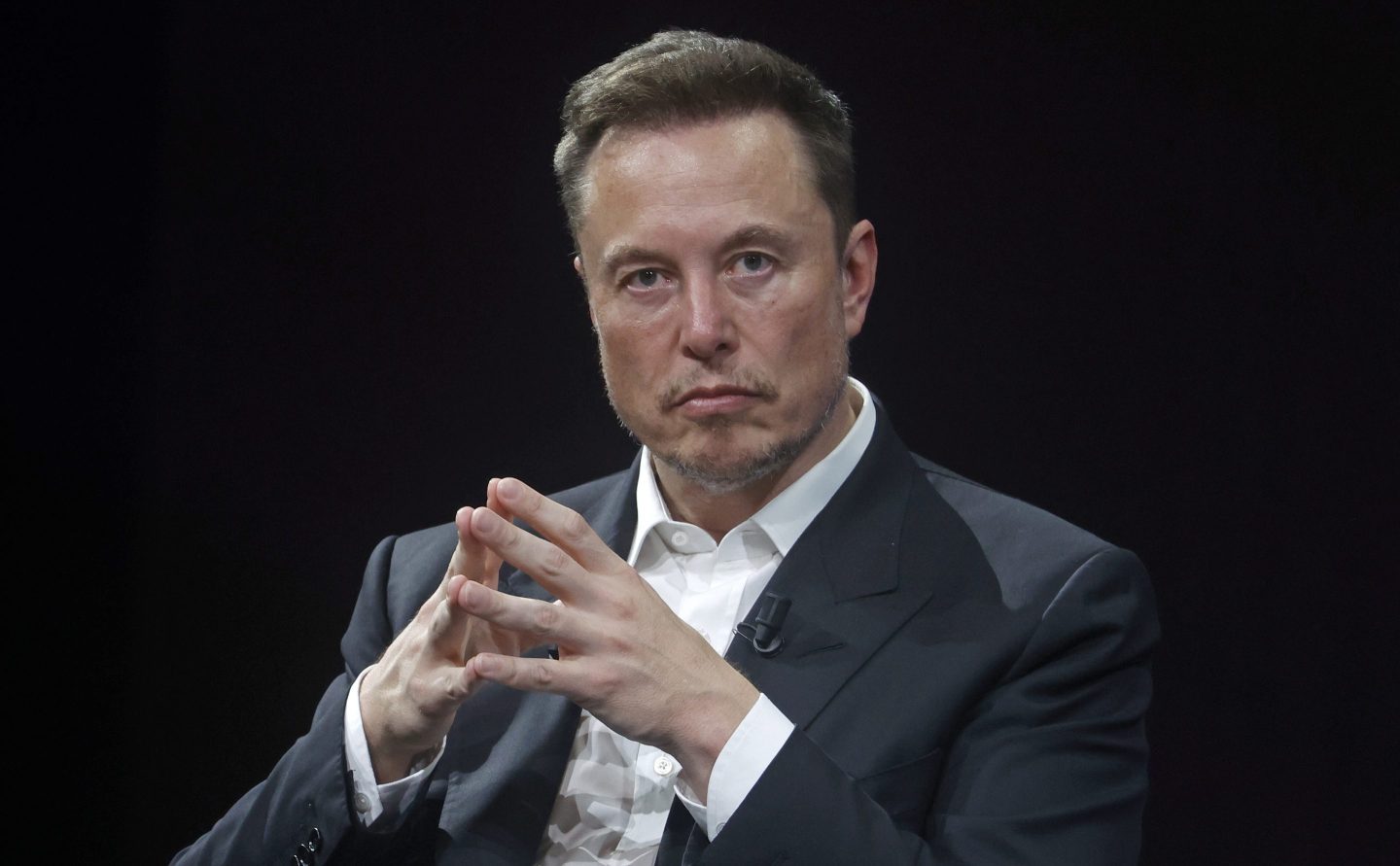
There isn’t a week that goes by that coverage of Elon Musk isn’t dominating news headlines. Strikingly, a lot of the coverage concerns his own posts on X, where it has been estimated that he has the ability to significantly influence markets in both positive and negative directions by evoking strong emotions among the public.
For example, his commentary on Bitcoin has been estimated to have led to abnormal returns of the cryptocurrency, raising the price by about 17% with a single post. But what has brought us to a place where Musk elicits such high emotions from people who do not know him personally?
Why so many people LOVE Elon Musk
Musk is an awesome innovator–arguably the most awesome of our times. His ventures–from Tesla’s electric cars to SpaceX’s reusable rockets–have positively disrupted entire industries.
Musk’s ability to challenge the status quo and introduce innovative technologies has endeared him to many (our household car is a reliable and sexy Tesla). To get there, he has had to be a very vocal visionary leader.
Psychological research on leadership suggests that visionary leaders who articulate a compelling future inspire unquestioning followership. Musk masters this. His grand statements on his visions for humanity, such as colonizing Mars and transitioning to a sustainable energy future, attract people who share his desire for a better world. This resonates particularly well with younger generations seeking purposeful leadership.
I do love my Tesla–but I am very skeptical that Musk will realize these visions in his lifetime. Research highlights that visionaries like Musk are often spot on in their vision, but grossly underestimate the time it will take to move their ideas from novel concepts to life-changing products. Most inventors estimate it will take no more than 10 years to bring their idea to fruition. The reality is that it takes 50! I expect that both me and Musk will be long dead when some of his ideas materialize (unless Musk creates a life-extending technology that he shares with me). However, his ideas WILL be realized.
Musk’s willingness to invest his own personal fortune goes against loss aversion–the idea that humans overvalue potential losses. He likely attracts many admirers because of his risk-taking. He earns admiration thanks to his perseverance to realize those dreams for humanity.
It also has to be acknowledged that Musk serves as a role model for aspiring entrepreneurs and innovators across many sectors. His story of self-reliance and achieving such greatness is inspiring. He has also done so without pandering to the establishment: something to be admired in a world where conformity is often demanded to the detriment of innovation.
Human beings love those they see as embodiments of what they aspire to be–and there are many around the world striving to be more like Musk: innovative, creative, and unafraid to push back against an establishment that does not serve humanity well.
Musk’s public persona, including his statements on social media and in interviews, can also be described as charismatic. Musk is approachable and relatable despite his immense wealth and success. This charisma draws people in and creates a sense of connection even if they’ve never met him, prompting positive emotional reactions.
Why so many people HATE Elon Musk
Tall poppy syndrome is a phenomenon where successful individuals are criticized, resented, or even attacked due to their achievements or high profile. Musk has not been immune to this societal tendency.
Over the years, Tesla has faced significant short-selling activity, with the short-sellers being called “haters” by team Musk. Notable short sellers like Jim Chanos and David Einhorn have publicly doubted Tesla’s business model and questioned the company’s fundamentals. This skepticism has arguably extended beyond reasonable financial analysis and delved into personal attacks on Musk’s character and leadership.
Musk’s presence on social media, notably X, has been a double-edged sword. On one hand, his unfiltered communication style allows him to connect directly with fans. However, his messages have caused controversies. For example, Musk’s tweets about taking Tesla private at $420 per share in 2018 resulted in SEC investigations and lawsuits. His high-profile and frequent use of social media makes him an easy target for scrutiny, with many questioning his judgment and behavior.
Musk’s personal life has also not been immune to scrutiny. His highly publicized relationships and divorces have been extensively covered in the media, sometimes overshadowing his professional achievements. For those who have nothing better to do, commenting on the social lives of others is a full-fledged hobby–and Musk is the perfect target.
Musk’s detractors argue that his relentless drive for success comes at the expense of employees. While there is ample evidence that his ideas about presenteeism at work are de-coupled from productivity, his restructuring of X has rightly focused on laying off employees who are not adding value and replacing them with creators. Nevertheless, the layoffs were met with a significant backlash.
Musk could probably preserve higher fundamental value by taking lessons in how to manage the human element of his business–or delegating this to an aide and getting on with engineering and development, which he says he enjoys most.
Musk’s wealth and market influence are also flashpoints for his critics, particularly in a decade of growing wealth inequality, causing him to be perceived as greedy. French economist Thomas Piketty highlights the large negative societal repercussions of extreme wealth concentration. Musk’s rapid accumulation of wealth, often buoyed by government subsidies, has led some to question the fairness of his success and call for wealth redistribution.
The psychology behind love and hate
Understanding the dual emotions directed at Elon Musk can be explained through psychological concepts such as cognitive dissonance and confirmation bias. We all experience discomfort when our beliefs or attitudes conflict with our actions.
Supporters of Musk rationalize his controversial behavior as necessary for the greater good, reducing cognitive dissonance. Conversely, critics may find it difficult to reconcile his achievements with their unfavorable perceptions and exaggerate his transgressions.
Cognitive dissonance in either direction leads individuals to seek, interpret, and remember information that confirms their pre-existing beliefs. Overall, Musk’s supporters focus far too much on his accomplishments, while detractors hone in on various missteps. Such selective attention serves to reinforce existing sentiments. Additionally, the backfire effect causes any disconfirming evidence to be quickly discarded. The result? People with access to the same information can have polarized views of Musk.
Love and hate are deeply intertwined in the narrative surrounding this visionary entrepreneur. Musk’s innovative prowess, visionary thinking, and personal sacrifices evoke admiration, while his controversial public persona, labor practices, and wealth accumulation trigger criticism.
As we reflect on our own attitudes toward Musk, it is essential to consider the psychological factors at play. Recognizing the interplay of cognitive dissonance and confirmation bias can help us approach the topic with a more nuanced perspective.
In the end, Musk’s impact on the world cannot be denied. Whether you love or hate him, he remains a fascinating figure whose influence will continue to shape the future of technology, space exploration, and sustainable energy for years to come.
Grace Lordan, Ph.D., is an associate professor of behavioral science and the founding director of The Inclusion Initiative at the London School of Economics.
The opinions expressed in Fortune.com commentary pieces are solely the views of their authors and do not necessarily reflect the opinions and beliefs of Fortune.