The world’s corporations produce so much climate change pollution, it could eat up about 44% of their profits if they had to pay damages for it, according to a study by economists of nearly 15,000 public companies.
The “corporate carbon damages” from those publicly owned companies analyzed — a fraction of all the corporations — probably runs in the trillions of dollars globally and in the hundreds of billions for American firms, one of the study authors estimated in figures that were not part of the published research. That’s based on the cost of carbon dioxide pollution that the United States government has proposed.
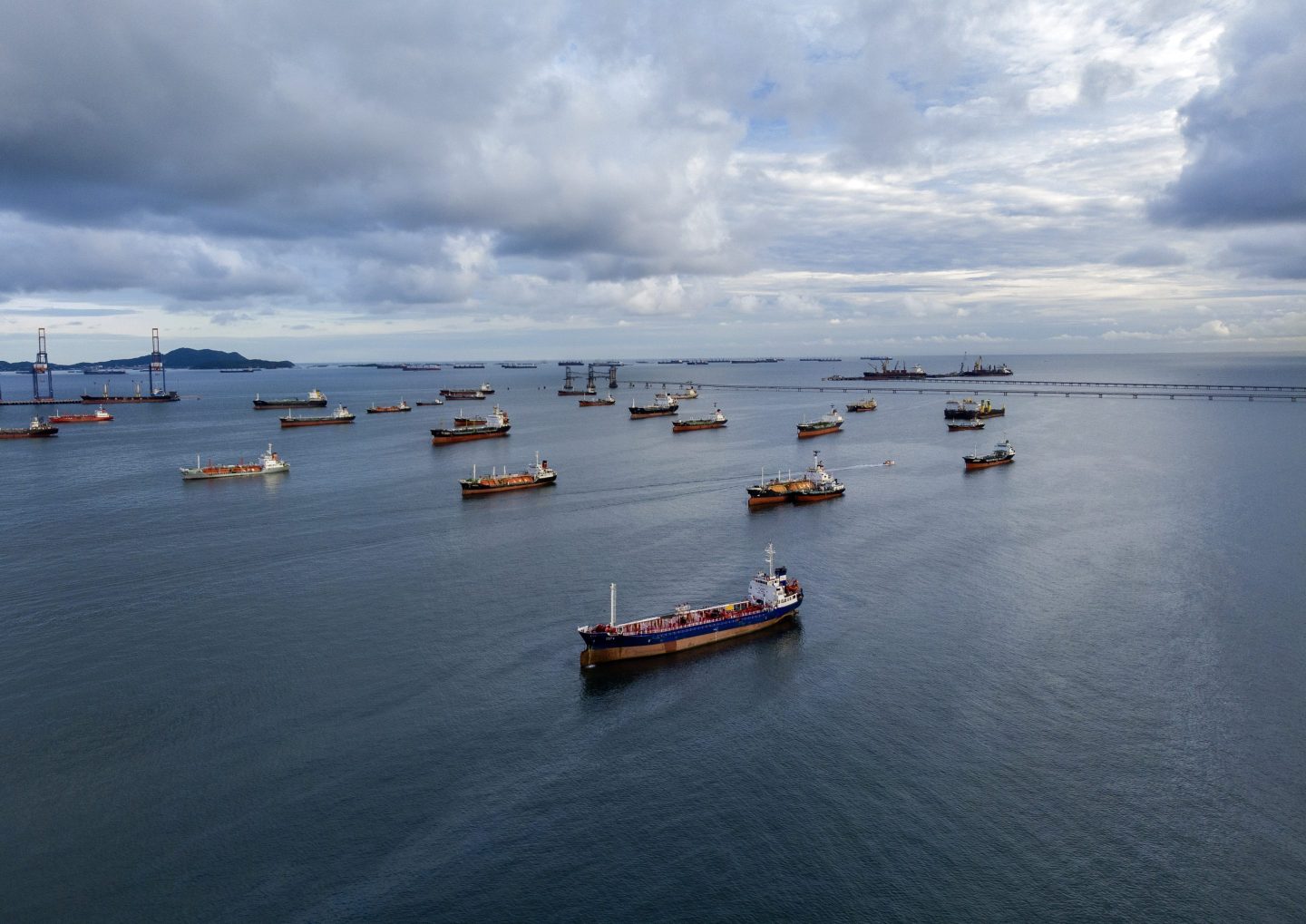
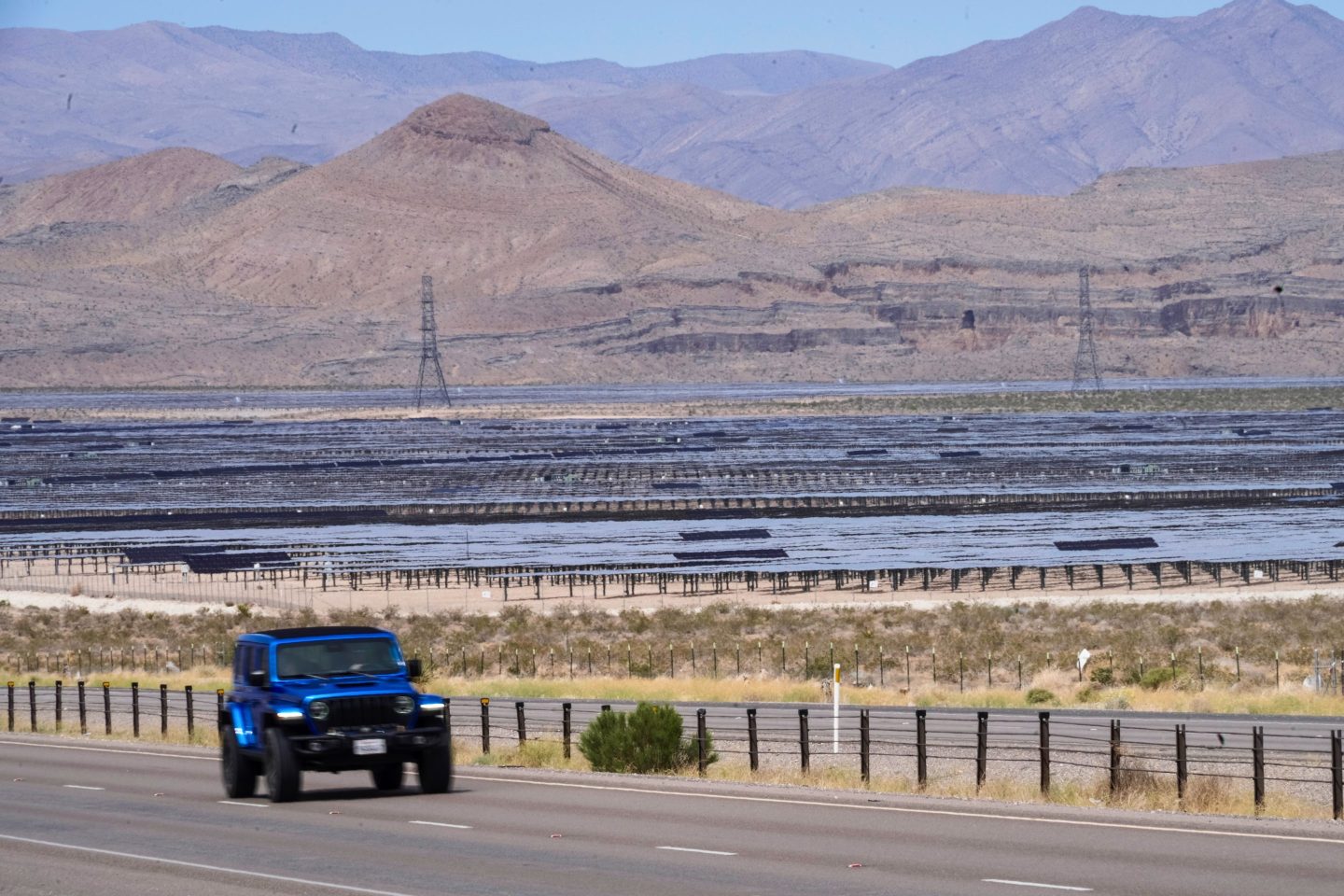
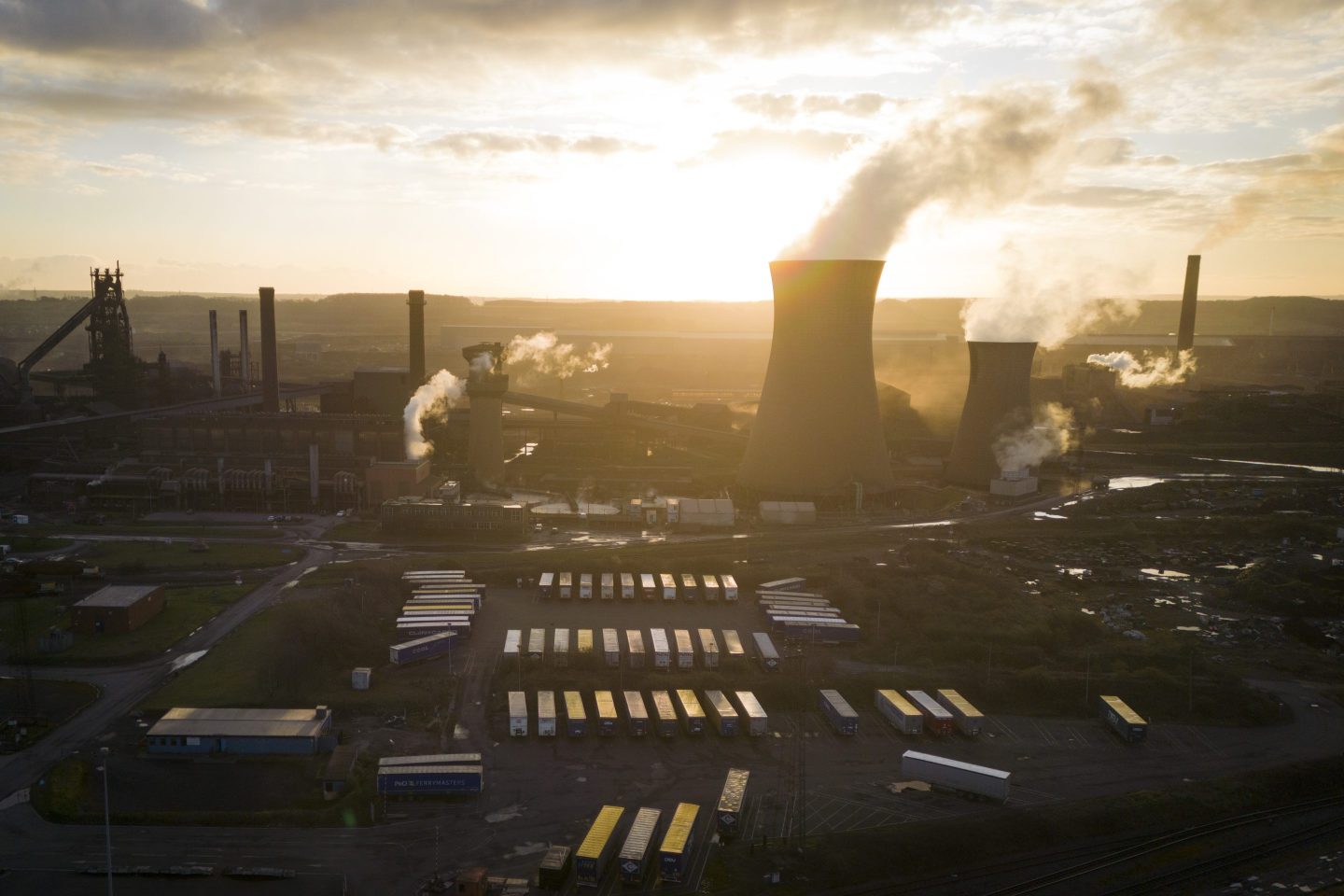
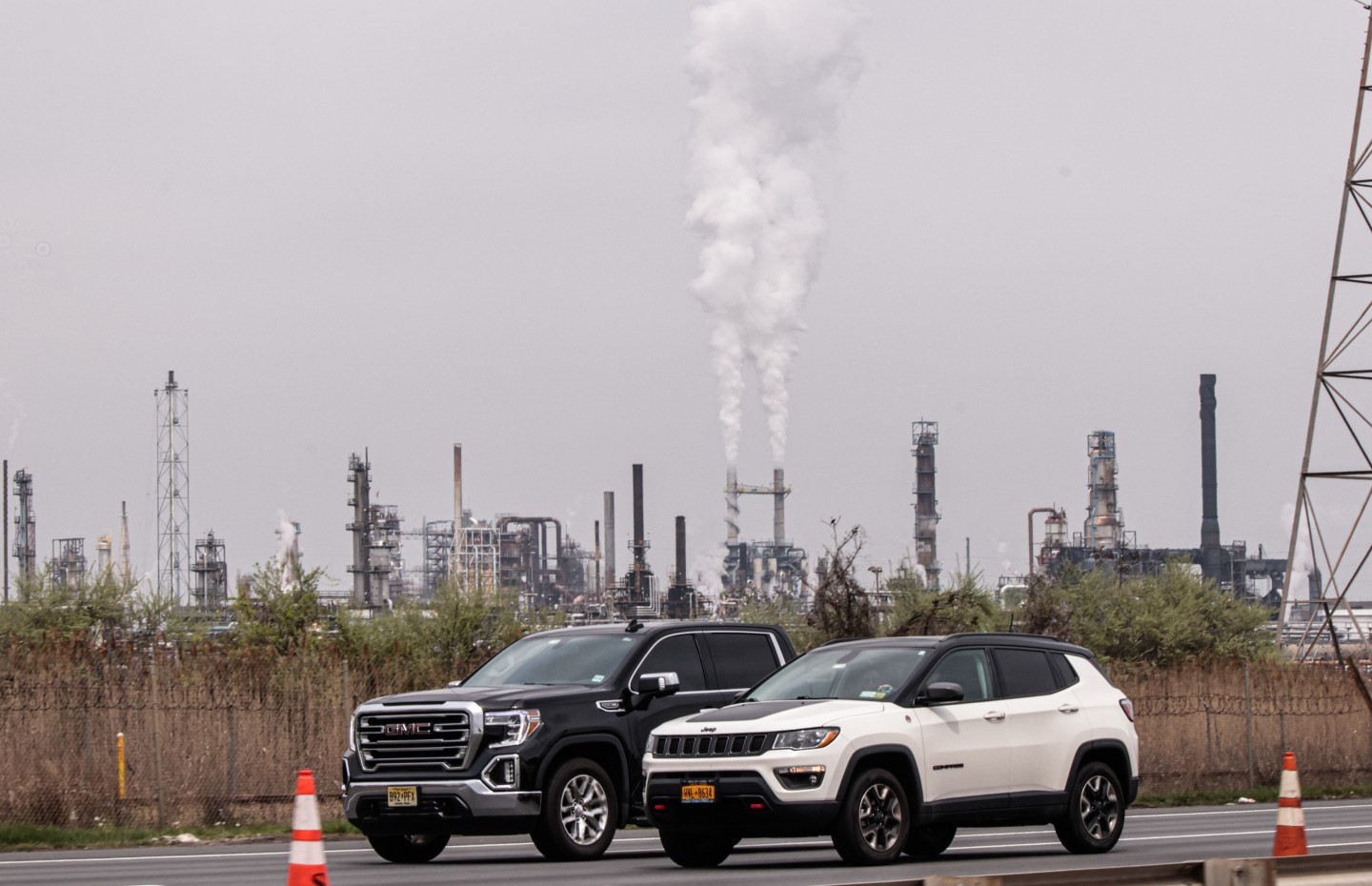
Nearly 90% of that calculated damage comes from four industries: energy, utilities, transportation and manufacturing of materials such as steel. The study in Thursday’s journal Science by a team of economists and finance professors looks at what new government efforts to get companies to report their emissions of heat-trapping gases would mean, both to the firm’s bottom lines and the world’s ecological health.
Earlier this year, the European Union enacted rules that would eventually require firms to disclose carbon emissions and the United States Securities and Exchange Commission and the state of California are looking at similar regulations.
Study co-author Christian Leuz, a finance and accounting professor at the University of Chicago, said the idea “of shining the light on corporate activities that have costs to society is very powerful, but it is not enough to save the planet.” An earlier study of his found that after fracking firms disclosed their pollution rates, those contamination levels dropped 10% to 15%, he said.
The idea is consumers and stockholders would see the damage and pressure firms to be cleaner, Leuz said.
Outside economists agreed.
Leuz and his colleagues used a private analysis firm that finds or estimates carbon emissions of some publicly owned companies and analyzed the carbon pollution from 14,879 firms. Then they compared them to company revenues and profits.
That calculation shows “which activities are particularly costly to society from a climate perspective,” Leuz said. Still, he cautioned that “it would not be correct to just blame the companies. It is not possible to divide responsibility for these damages between the firms that make the products and consumers who buy them.”
The calculations are for only a fraction of the world’s corporations, with many public companies not included and private firms not listed at all, Leuz said.
The economists didn’t identify or tease out single companies but instead grouped firms by industry and by country. And they only used direct emissions, not what happens downstream. So the gas in a person’s car does not count toward an oil company’s emissions or corporate carbon damages. The calculations use the U.S. Environmental Protection Agency’s $190 cost per ton for carbon dioxide emissions and the study doesn’t give a bottom line number in dollars, just in percent of profit and revenues. Only when asked by The Associated Press did Leuz estimate it in the trillions of dollars.
At $190 a ton, the utility industry averaged damages more than twice its profits. Materials manufacturing, energy and transportation industries all had average damages that exceeded their profits.
On the opposite end, the banking and insurance industries averaged climate damages that were less than 1% of their profits.
When looking at companies based on countries, Russia and Indonesia were the top for corporate climate damages, while the United Kingdom and the United States were the lowest. Leuz said that reflects the age and efficiency of the companies and which type of industries were based in countries.
Current accounting systems ‘a mess’
Several outside experts said the study made sense within certain limits, while a few found faults with some of the choices of what to count, saying not counting downstream emissions is a problem. Because it doesn’t count those it “does not provide an incentive to reduce these to the level needed,” said Bill Hare, CEO of Climate Analytics, which studies global emissions and reduction efforts.
“The results are important but perhaps not that surprising,” said Stanford University economist Marshall Burke. “The bigger take-home is the number of caveats that are needed to do this analysis, indicating what a mess our emissions accounting systems currently are.”
Appalachian State University’s Gregg Marland, who helps track global emissions by country, said “good numbers do allow us to know who is producing the products that consumers want with the least contribution to climate change.”
Nobel prize winning economist Paul Romer, formerly of the World Bank and now at Boston College, said the damage estimates are useful but need to be interpreted accurately, “without the moralistic framing and induced urge to punish.”
Romer used the example of his move from New York to Boston. The initial move would go under the moving company’s corporate carbon damage, but when he took some books from his home they would not. Misusing corporate carbon damage figures could put the moving company out of business and he’d drive his stuff instead, so total carbon emissions would not be changed. Shifting to zero carbon fuel makes more sense, he said.
Associated Press climate and environmental coverage receives support from several private foundations. See more about AP’s climate initiative here. The AP is solely responsible for all content.