• Home
  • Latest
  • Fortune 500
  • Finance
  • Tech
  • Leadership
  • Lifestyle
  • Rankings
  • Multimedia
LifestyleArts & Entertainment

People can’t get enough of spontaneous moments because they think it reveals authenticity—but they like a plan when money’s on the line

By
Jacqueline Rifkin
Jacqueline Rifkin
,
Katherine Du
Katherine Du
and
The Conversation
The Conversation
Down Arrow Button Icon
By
Jacqueline Rifkin
Jacqueline Rifkin
,
Katherine Du
Katherine Du
and
The Conversation
The Conversation
Down Arrow Button Icon
June 2, 2023, 4:41 PM ET
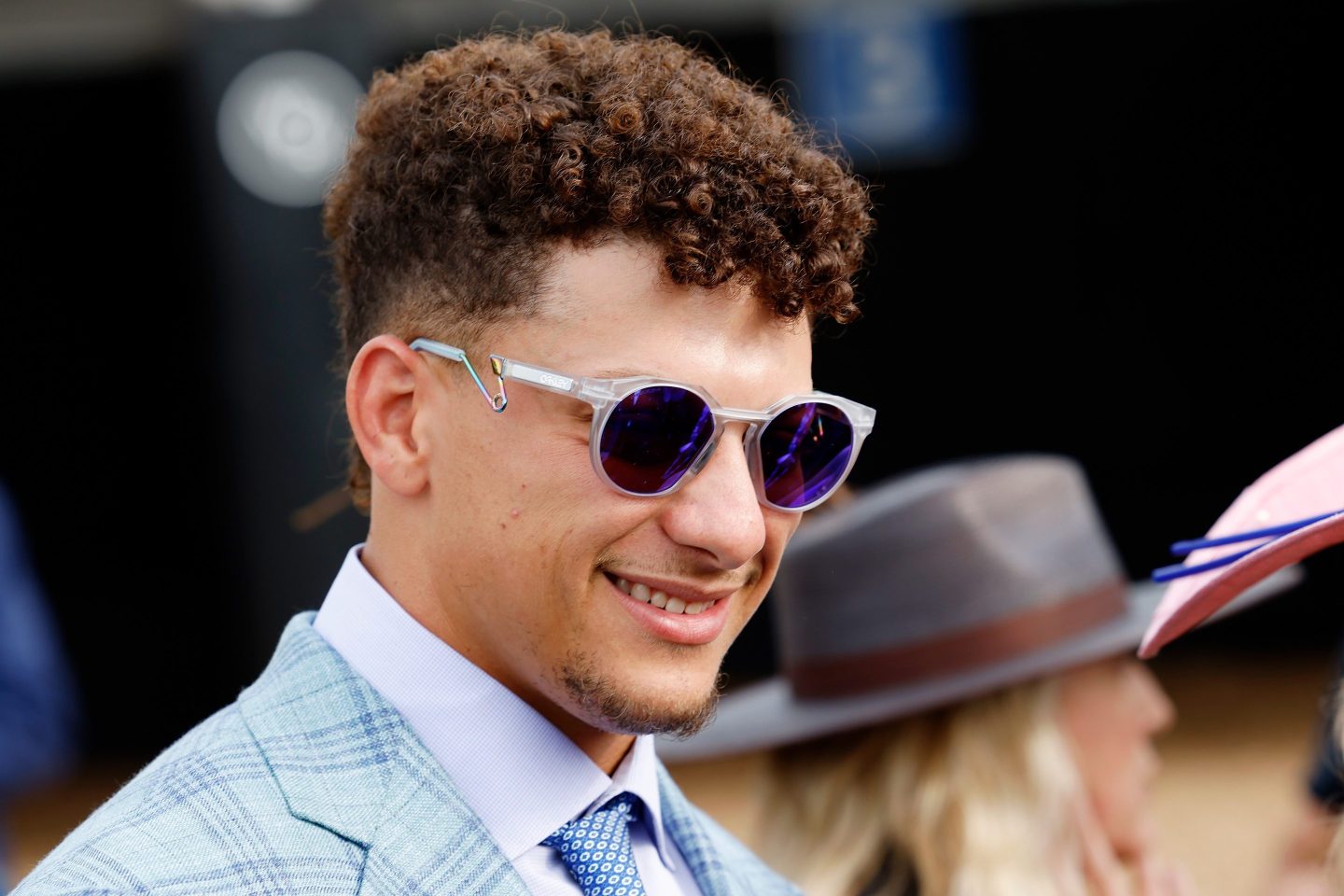
Kansas City Chiefs quarterback Patrick Mahomes.
Kansas City Chiefs quarterback Patrick Mahomes.Jeff Schear/Getty Images for Churchill Downs

Audiences love to see athletes and entertainers behaving spontaneously, according to our recent research, because ad-libbed lines, spectacular catches, improvised set lists and the like make performers seem more authentic and genuine.

Recommended Video

We observed a preference for spontaneity in entertainment across several studies. First, we examined dozens of Buzzfeed articles from the past several years about spontaneity in film and TV, like “Here Are 21 TV Moments You Probably Didn’t Know Were Unscripted.” Compared with other Buzzfeed articles about entertainment that were published on the same dates, the pieces about spontaneity garnered nearly double the social media engagement in comments, likes and shares.

We also ran an online raffle in which people could win a real, customized Cameo greeting from a celebrity of their choice. The vast majority of participants – 84.1% – wanted their chosen celebrity to record a fully improvised, off-the-cuff message rather than a scripted personal greeting.

But what is it that accounts for this preference?

Across a variety of experiments, our results showed that people are drawn to spontaneity because they believe it provides a glimpse into a performer’s true self. Our findings reveal that people rate entertainers as more sincere, genuine and authentic when they act spontaneously, rather than when they plan, and authenticity is something that consumers hold in extremely high regard.

But our research also revealed that spontaneity has a cost: When people acted spontaneously, our participants thought the output could be lower quality, less poised and more error prone. For instance, while a chef who leverages spontaneity in their cooking may be seen as more authentic, people might expect their meals to taste worse.

So, although participants often preferred spontaneous moments in entertainment, we found that that preference went away when money was on the line. For example, in one of our experiments, when participants were gambling real money on a sporting event, they preferred players who stuck to the game plan.

Why it matters

U.S. adults spend around six hours per day interacting with video-based media and entertainment. And great entertainment often includes spontaneity: Think of ad-libbed TV moments (many of the mostheart-wrenching sequences in “Succession”), impromptu concerts (The Beatles’ 1969 rooftop concert) and on-the-fly sports plays (Kansas City Chiefs quarterback Patrick Mahomes’ trademark “flick” pass). Spontaneity-based entertainment, like improv comedy, reality TV and jazz soloing, continue to stand the test of time.

Our work illustrates that spontaneity can be a powerful tool to boost publicity and engagement and generate positive impressions. Working on a new project? Perhaps leave time for unplanned action. Promoting a new show or product? Consider talking about the unscripted, behind-the-scenes moments. On a first date? Maybe fight the urge to plan your talking points ahead of time. Coming off as truly yourself might mean that you are slightly less poised and articulate, but the trade-off can be worth it.

What’s next

In our studies, we told participants that performances were either planned or spontaneous and then measured their preferences. But what if we hadn’t told them which things were ad-libbed?

Moving forward, we’re interested in understanding if people can accurately tell whether an action is spontaneous just by watching it, and, if so, how they know. Are there social or behavioral cues, like eye contact, colloquial language or intense emotion, that signal spontaneous action?

Of course, being able to identify the “tells” of spontaneity might raise a concern that spontaneity – and, therefore, authenticity – can be faked. So another avenue we’re excited to pursue is understanding the moral and emotional implications of manufactured spontaneity.

Jacqueline Rifkin is assistant professor of marketing at Cornell University

Katherine Du is assistant professor of marketing at University of Wisconsin-Milwaukee
Join us at the Fortune Workplace Innovation Summit May 19–20, 2026, in Atlanta. The next era of workplace innovation is here—and the old playbook is being rewritten. At this exclusive, high-energy event, the world’s most innovative leaders will convene to explore how AI, humanity, and strategy converge to redefine, again, the future of work. Register now.
About the Authors
By Jacqueline Rifkin
See full bioRight Arrow Button Icon
By Katherine Du
See full bioRight Arrow Button Icon
By The Conversation
See full bioRight Arrow Button Icon

Latest in Lifestyle

Zohran
PoliticsElections
Political communication scholar on how Zohran Mamdani hacked ‘slacktivism’ to appear on your phone, on your street and in your mind
By Stuart Soroka and The ConversationDecember 10, 2025
11 minutes ago
Best protein lead image
HealthDietary Supplements
The 8 Best Protein Powders of 2025: How to Choose, According to an RD
By Christina SnyderDecember 9, 2025
20 hours ago
Transparent Labs Creatine HMB as best creatine
HealthDietary Supplements
The Best Creatine Supplements of 2025: Tested and Approved
By Christina SnyderDecember 9, 2025
20 hours ago
David Ellison
Big TechMedia
CNN turns from cheering independence to dreading limbo as Paramount rides into town for Warner-Netflix showdown
By David Bauder and The Associated PressDecember 9, 2025
23 hours ago
Jon Rosemberg
CommentaryProductivity
The cult of productivity is killing us
By Jon RosembergDecember 9, 2025
1 day ago
Trump
CommentaryTariffs and trade
AI doctors will be good at science but bad at business, and big talk with little action means even higher drugs prices: 10 healthcare predictions for 2026 from top investors
By Bob Kocher, Bryan Roberts and Siobhan Nolan ManginiDecember 9, 2025
1 day ago

Most Popular

placeholder alt text
Economy
‘Fodder for a recession’: Top economist Mark Zandi warns about so many Americans ‘already living on the financial edge’ in a K-shaped economy 
By Eva RoytburgDecember 9, 2025
17 hours ago
placeholder alt text
Success
When David Ellison was 13, his billionaire father Larry bought him a plane. He competed in air shows before leaving it to become a Hollywood executive
By Dave SmithDecember 9, 2025
1 day ago
placeholder alt text
Banking
Jamie Dimon taps Jeff Bezos, Michael Dell, and Ford CEO Jim Farley to advise JPMorgan's $1.5 trillion national security initiative
By Nino PaoliDecember 9, 2025
19 hours ago
placeholder alt text
Uncategorized
Transforming customer support through intelligent AI operations
By Lauren ChomiukNovember 26, 2025
14 days ago
placeholder alt text
Success
Even the man behind ChatGPT, OpenAI CEO Sam Altman, is worried about the ‘rate of change that’s happening in the world right now’ thanks to AI
By Preston ForeDecember 9, 2025
22 hours ago
placeholder alt text
Real Estate
The 'Great Housing Reset' is coming: Income growth will outpace home-price growth in 2026, Redfin forecasts
By Nino PaoliDecember 6, 2025
4 days ago
Rankings
  • 100 Best Companies
  • Fortune 500
  • Global 500
  • Fortune 500 Europe
  • Most Powerful Women
  • Future 50
  • World’s Most Admired Companies
  • See All Rankings
Sections
  • Finance
  • Leadership
  • Success
  • Tech
  • Asia
  • Europe
  • Environment
  • Fortune Crypto
  • Health
  • Retail
  • Lifestyle
  • Politics
  • Newsletters
  • Magazine
  • Features
  • Commentary
  • Mpw
  • CEO Initiative
  • Conferences
  • Personal Finance
  • Education
Customer Support
  • Frequently Asked Questions
  • Customer Service Portal
  • Privacy Policy
  • Terms Of Use
  • Single Issues For Purchase
  • International Print
Commercial Services
  • Advertising
  • Fortune Brand Studio
  • Fortune Analytics
  • Fortune Conferences
  • Business Development
About Us
  • About Us
  • Editorial Calendar
  • Press Center
  • Work At Fortune
  • Diversity And Inclusion
  • Terms And Conditions
  • Site Map

© 2025 Fortune Media IP Limited. All Rights Reserved. Use of this site constitutes acceptance of our Terms of Use and Privacy Policy | CA Notice at Collection and Privacy Notice | Do Not Sell/Share My Personal Information
FORTUNE is a trademark of Fortune Media IP Limited, registered in the U.S. and other countries. FORTUNE may receive compensation for some links to products and services on this website. Offers may be subject to change without notice.