Good morning!
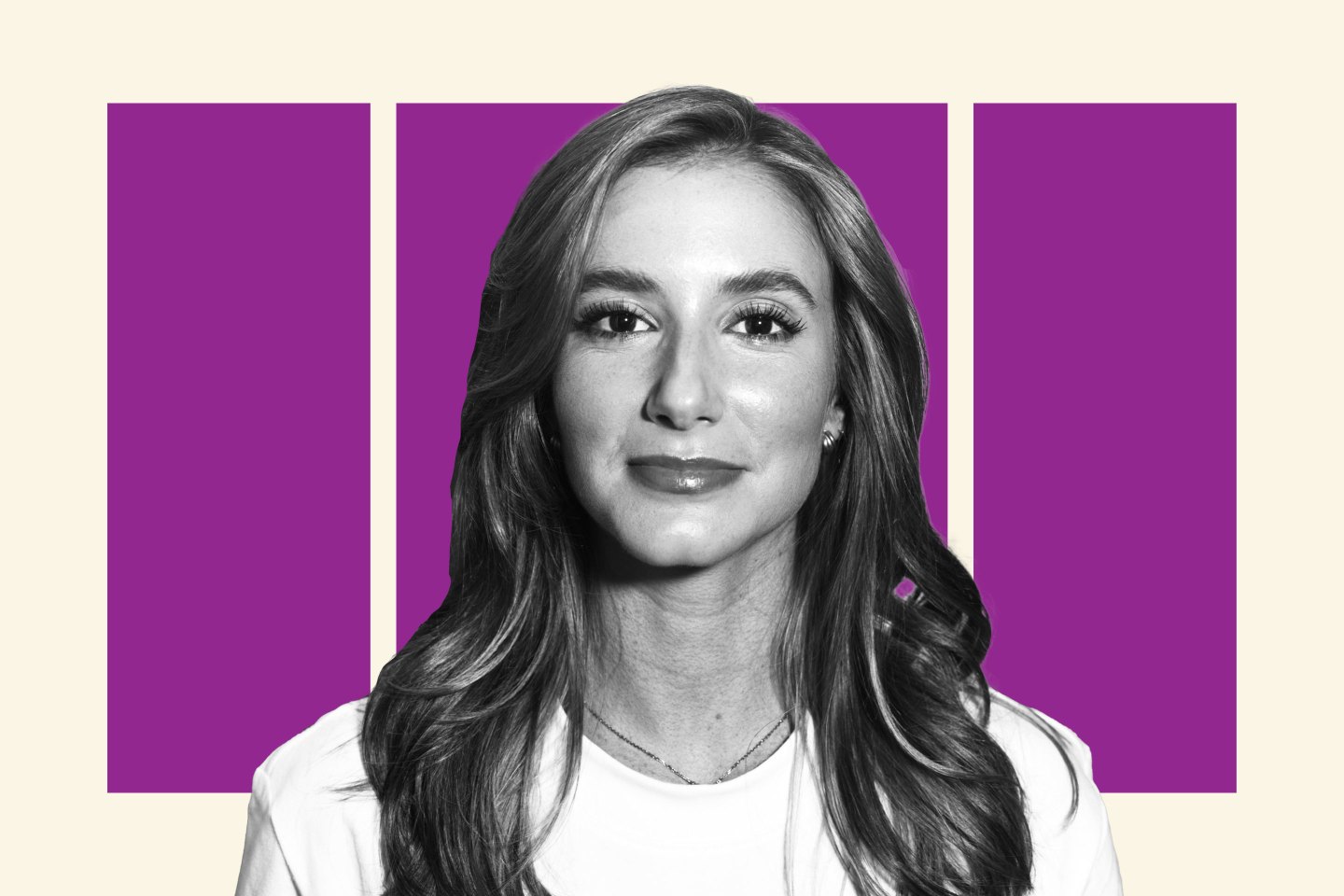
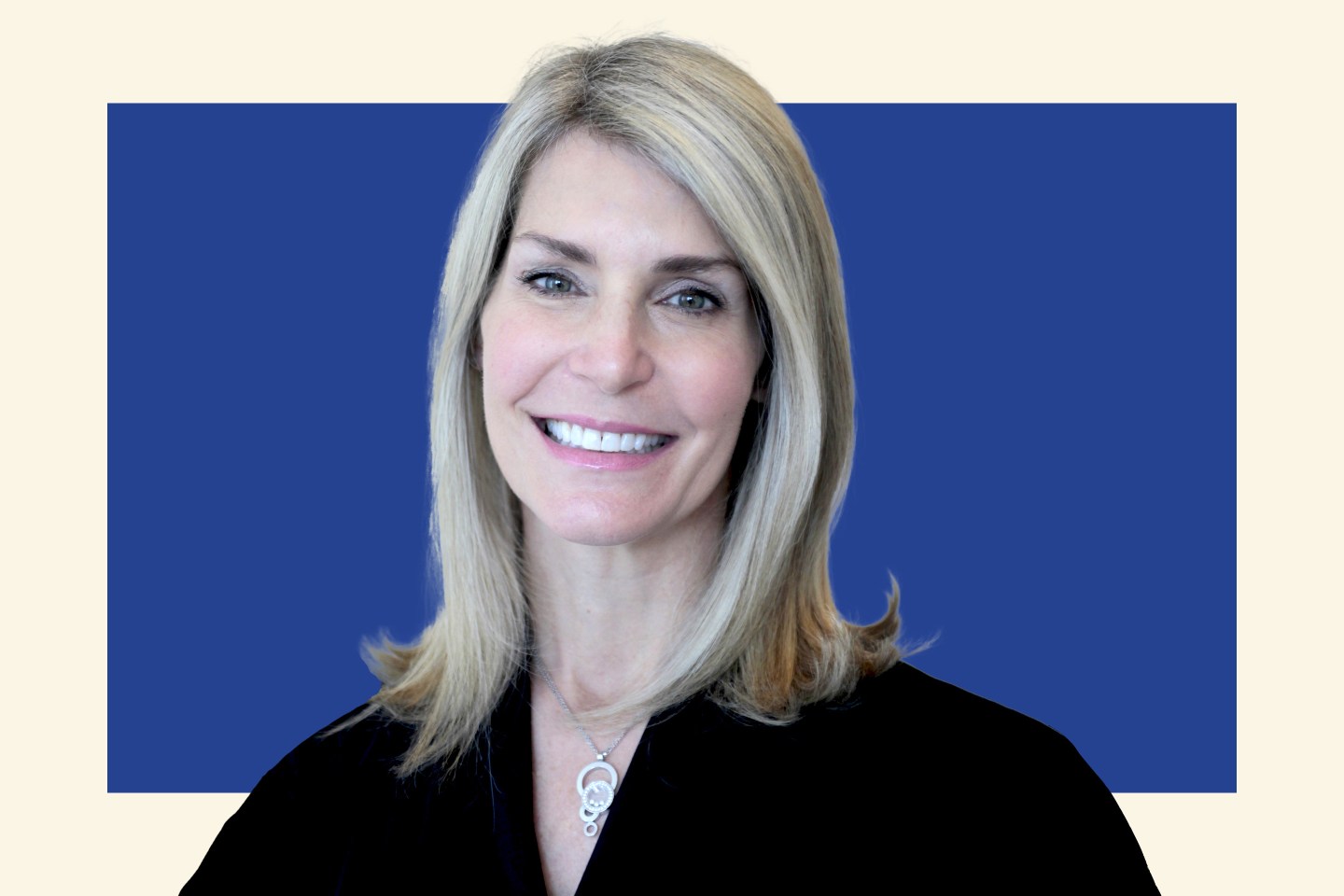
Mary Alice Vuicic, Thomson Reuters’ chief people officer, knows workplace trends. A 20-year HR veteran, Vuicic served as the CHRO of the storied retail company L Brands and was a people leader at Walmart Canada before she transitioned to the news and information company. She’s been a keen observer of the workplace fads that have come and gone throughout her career. Vuicic spoke with Fortune about which current people trends she’s embracing at Reuters, the cultural shifts in HR that are here to stay, and HR practices she believes are on the way out.
This interview has been edited and condensed for clarity.
Fortune: Which workplace trends do you feel are here to stay, and how does that influence what you’re investing in as a people leader?
Mary Alice Vuicic: Without a doubt, remote and flexible work is here to stay. Employee well-being is here to stay. And the focus on DEI is also here to stay.
The pandemic changed the understanding and the concept of a workplace forever. We’ve seen that for top talent. Our focus is on well-being and flexibility. We’re hybrid, and about a quarter to a third of our workplace is fully remote. Some are required in the office fully, but that’s a tiny percentage.
We’ve continued to roll out flexible work programs for our colleagues, even while other companies take back their flexible arrangements. We just launched our global minimum standard of 16 weeks of parental leave earlier this month. In the last few years, we’ve launched sabbaticals, flex vacations, work from anywhere, and extended paid leaves for caregivers. Underpinning all of that is a supportive culture. If you don’t have the right culture and leadership, you’ll never be able to provide a flexible work environment.
Why are you leaning into initiatives like the sabbatical program when many companies are pulling back?
All of our work policies are cocreated with our people. We incorporate feedback, and we perform extensive listening. We hear from interns and similar groups in the marketplace that they value flexibility. They’ve demanded a better work-life balance, and we want to continue attracting and retaining top talent and for our workforce to be mentally healthy. Flexibility is an essential part of that.
What’s a workplace trend you see in the talent market that might not be here to stay?
There are two things that I think are on the wane. One is the always-on culture. That started with the pandemic when people woke up and suddenly were working from their homes. They lost the natural boundaries of the commute into the office, and the house was their office. While productivity overall increased broadly across companies, it was largely due to the always-on nature and not limited office time. That culture is leading to burnout and stress. I think there will definitely be a shift away from that.
Also, excessive virtual meetings. Zoom and Microsoft Team’s fatigue is real. Companies and employees will find ways to limit that time through meeting hygiene or eliminating unnecessary meetings.
How are you thinking about helping employees balance mental health with the hyper-focus on productivity?
Productivity is critically important to any organization. Many big tech companies are in this ‘Year of Efficiency.’ Over the past few years, we underwent a significant reorganization to shift investments into further technology products. We haven’t seen a decline in productivity, and we aren’t planning other significant changes. Still, there will be constant evolution and focus on improving productivity to reinvest in the business. What is profound and I believe will be the biggest transformation in my career in HR is the introduction of accessible A.I.
The pace with which that will develop and evolve and the adoption rate will surpass anything we’ve seen over the past few decades. HR plays a critical role in helping organizations understand not whether or not it should be adopted but how to adopt it securely and effectively. The organizations that do that, and do that well, will have success and continue to learn and adapt. So HR should be at the front of this. We have an essential role to play.
How are you thinking about introducing A.I. into the talent and hiring pipeline while tempering fears that it could replace some roles?
There’s a tremendous amount of trepidation around it. Fear around security, whether this will replace roles, and an interest and particular excitement in our developer community. We see it as a huge opportunity to improve the products we provide to our customers, leveraging and embedding it among our developers. In the workforce, we see it as an opportunity for automation and augmentation that enables people to move up the value stack in what they do within the organization.
We’re not seeing it as a replacement but as a way to automate lower-level work and augment many people’s work—whether in HR, finance, communications, or strategy. There are so many areas; I think the miss for HR is if we don’t take the opportunity to reimagine work completely.
Amber Burton
amber.burton@fortune.com
@amberbburton
Reporter's Notebook
The most compelling data, quotes, and insights from the field.
It’ll take more than a padded paycheck to keep employees in their jobs, according to a recent study by enterprise software company Oracle.
“Oracle surveyed 3,000 employees and HR leaders across the U.S., U.K., and Australia, and found that despite current economic uncertainty and the soaring cost of living, 55% of workers care more about having the right job than the right salary,” writes Fortune’s Orianna Rosa Royle.
Around the Table
A round-up of the most important HR headlines, studies, podcasts, and long-reads.
- Early-career employees prize work-life balance. They’re just not very good at it yet. Wall Street Journal
- Weekly jobless claims rose to the highest level since mid-November 2021 but remain historically low. AP
- The White House proposed a new law prohibiting federal agencies from using a job candidate’s salary history to establish pay. CNN
- An Amazon executive says the company isn’t concerned about unionization efforts because it offers “competitive pay [and] invaluable benefits.” Insider
Watercooler
Everything you need to know from Fortune.
Happy at work. The Great Resignation and a tight labor market have led to the highest level of job satisfaction in over 30 years, according to data from the Conference Board. —Chris Morris
Working for the weekend. Summer Fridays could be a compromise to growing calls for a four-day workweek. —Orianna Rosa Royle
Summer vacay. Airbnb CEO Brian Chesky accused CEOs who enforce return-to-office mandates of “going to Europe in August.” —Nicholas Gordon
A.I. copilot. An Accenture analysis of about 200 jobs found that roughly 40% of people’s working hours will be affected—although not necessarily replaced—by A.I. —Paul Daugherty
This is the web version of CHRO Daily, a newsletter focusing on helping HR executives navigate the needs of the workplace. Today’s edition was curated by Paolo Confino. Sign up to get it delivered free to your inbox.