As you might imagine, no one is more feverishly considering the implications of ChatGPT and other A.I. composition tools than corporate communication professionals.
As the founder and executive director of both the Professional Speechwriters Association and the Executive Communication Council, I’ve been watching A.I. warily. Just how good is this technology–and what effect will it have on the corporate writers who make up our membership?
Then I read a quote from Coursera CEO Jeff Maggioncalda.
“I use it as a writing assistant and as a thought partner,” Maggioncalda said, adding that the program writes speeches for him “in a friendly, upbeat, authoritative tone with mixed cadence.”
Suddenly, it struck me: The extent to which ChatGPT will be used in corporate communication has less to do with the sophistication of the technology and more to do with the true motivations of corporate leaders–and their real attitudes toward human communication.
Those attitudes vary from leader to leader. For many years, I’ve been telling would-be corporate speechwriters that there are two kinds of leaders in the world: Those who see communication as a potential strategic differentiator, and those who see it as obligatory window-dressing. “You want to work with the first kind of leader,” I tell the kids.
But there are lots and lots of the latter–leaders like Maggioncalda. If the Coursera CEO has ever employed a fine speechwriter, he didn’t make good use of that person. Such leaders don’t provide the facetime and candor a speechwriter would need to authentically and meaningfully connect the CEO’s life story and personal outlook with their professional drive and the corporate mission. Some leaders don’t work with the speechwriter to co-create a compelling, constructive, and coherent communication narrative. They don’t drive that speechwriter to think rigorously about which audiences they should be reaching through speeches and myriad other leadership communication opportunities–and to what strategic end.
And so of course, leaders like Maggioncalda are tempted to enter a few basic thoughts from their own perspective and have ChatGPT scour the Internet and spit back something like what they would have said themselves.
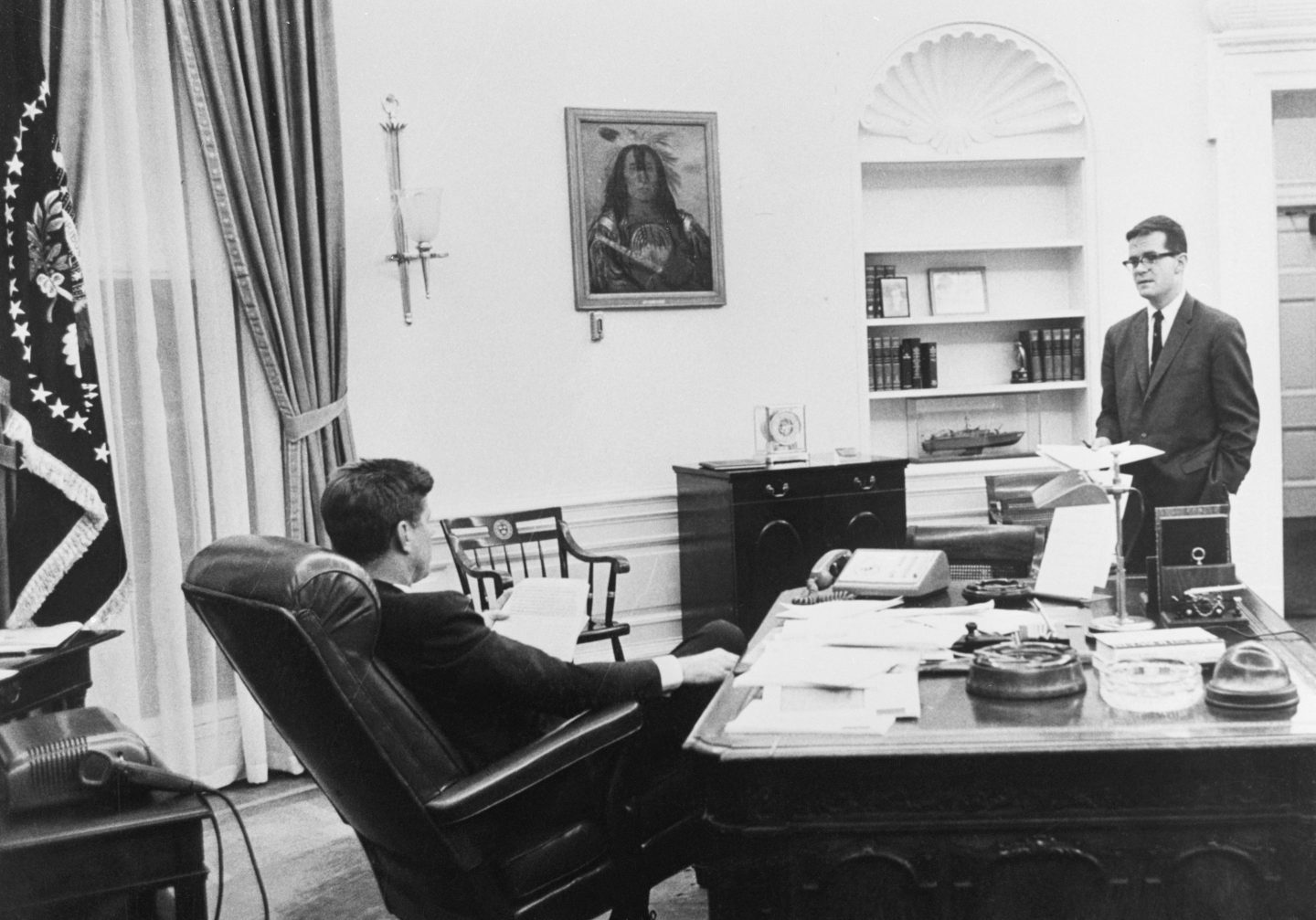
However, a good speechwriter does far more than write something like what the leader would have said. John Kennedy called his speechwriter Ted Sorensen “my intellectual blood bank.” AARP CEO Bill Novelli called his longtime speechwriter Boe Workman his “speechthinker.”
Speechwriter or not: Any good communicator understands that good writing demands good thinking. And everything that’s worth reading has evolved from an unformed interstellar cloud that was in the writer’s mind into something else altogether. I’ve sat down to write a poem and written an essay. I’ve sat down to articulate one opinion and wound up expressing its opposite. “I don’t know what I think until I write it down,” Joan Didion said. Many other writers have expressed a similar sentiment.
For a real communicator, having a machine write a first draft is not a shortcut, it’s a short circuit.
And a CEO who believes that an important part of the job is to communicate genuine ideas and feelings to other human beings will intuitively understand the essential involvement of a human soul in that process.
Rather than just adding a “personal touch” to an A.I. composition, human writers are an essential part of the DNA of the message.
A leader who understands communication knows that audiences will sense the absence of a living person from the process and turn away in vague disappointment.
But really: How much of the volume of corporate communication is a sincere attempt to communicate strategies, build culture and create a human connection between an organization’s leaders and its stakeholders? And how much of it is just filling the vacuum with corporate noise, in what Maggioncalda describes as, “a friendly, upbeat, authoritative tone with mixed cadence?”
I’ve wondered that for a long time. And it looks like we’re all about to find out.
David Murray is the founder and executive director of the Professional Speechwriters Association and the Executive Communication Council. He’s also the editor and publisher of Vital Speeches of the Day, which has published the world’s most important speeches since 1934. He is the author of An Effort to Understand: Hearing One Another (and Ourselves) in a Nation Cracked in Half.
The opinions expressed in Fortune.com commentary pieces are solely the views of their authors and do not necessarily reflect the opinions and beliefs of Fortune.
More must-read commentary published by Fortune:
- Will the U.S. and Europe slide into recession in 2023? Here’s how to look out when economic outlooks don’t
- Biggest CEO successes and setbacks: 2022’s triumphs and 2023’s challenges
- The U.S. has thwarted Putin’s energy blackmail. Europe says ‘Tanks a lot!’
- Apple, Disney, Salesforce: Why are the world’s best companies failing to innovate on the future of work?
Learn how to navigate and strengthen trust in your business with The Trust Factor, a weekly newsletter examining what leaders need to succeed. Sign up here.