• Home
  • Latest
  • Fortune 500
  • Finance
  • Tech
  • Leadership
  • Lifestyle
  • Rankings
  • Multimedia

Trendingnow

1

Erin Brockovich, the activist who defeated a utility giant and inspired a Julia Roberts film, is pushing data centers to be more transparent

2

Social Security unraveling: 7,100 workers sacked, performance metrics retired, disability claims falling

3

The Iran conflict has disrupted oil supply. Gulf states are now looking to multi-billion-dollar investments in renewables 

1

Erin Brockovich, the activist who defeated a utility giant and inspired a Julia Roberts film, is pushing data centers to be more transparent

2

Social Security unraveling: 7,100 workers sacked, performance metrics retired, disability claims falling

3

The Iran conflict has disrupted oil supply. Gulf states are now looking to multi-billion-dollar investments in renewables 
Successworking mothers

All the unpaid labor women did during the COVID recession might have saved us from an economic crisis

By
Rebecca Gale
Rebecca Gale
Down Arrow Button Icon
By
Rebecca Gale
Rebecca Gale
Down Arrow Button Icon
November 10, 2022, 12:46 PM ET
Mature Mother teaching her teenage Son how to bake
Women's unpaid labor can help offset an economic crisis. But it also contributes to the gender wage gap.Getty Images

Paula Newbaker, 64, knew she might need to take a pay cut when she left her long career in public relations in Washington D.C. to care for her 91 year-old mother with dementia outside of Pittsburgh. But she didn’t expect it to be so dramatic.

“There aren’t a hell of a lot of PR jobs in Pittsburgh,” she explains. This was 2017, well before the COVID remote-work boom. Newbaker found the jobs she applied for usually went to locals who knew the area well. The only work she was able to secure was part-time, temporary, or freelance, which paid around $15 an hour.  

Since her move, Newbaker has spent the bulk of her days caring for her mother, making meals, moving her from her bed, assisting with hygiene, and taking her to doctor appointments. As her mother’s health declined further, her caregiving responsibilities grew overwhelming. “I have not had time to think of myself, so no job,” she wrote in an email. 

Newbaker is one of over 6 million Americans cutting back their paid work in order to care for an aged or disabled loved one, and some studies show that with an aging population, that number will continue to grow. She estimates that she has lost over $500,000 in five years in wages and benefits, compared to her previous earnings. Though she manages to pick up some paid work part-time, the unpaid work is never ending. Newbaker feels she is working all the time without a break. Those days when she had no caregiving responsibilities and could work a full-time job were easier, she says, than her days are now. 

The unpaid labor millions of American women like Newbaker do every day is one of the major drivers bringing down a woman’s earnings. Women are paid 83 cents for every dollar a man makes. The Institute for Women’s Policy Research shows that gap is even wider for some women—58 cents per dollar for mothers, and even less for women of color. 

Our economy depends on unpaid labor to fuel the rest of our economic output, and the division of all the work at home is far from fair. Women do at least two and a half times more unpaid labor than men. Though unpaid labor is the largest sector of the economy, it is currently left out of the national tallying of Gross Domestic Product, a measurement used to understand a nation’s overall economic health. 

Many women find themselves in Newbaker’s position: doing more unpaid labor means taking a cut in their paid work. It’s the laws of physics, explains Misty Heggeness, an associate professor of public affairs at the University of Kansas and former principal economist and senior advisor at the U.S. Census. “No one has more than 24 hours in a day. If your work increases in one area then it is going to have to decrease in another,” she says. 

“A lot of the data shows that men and women are relatively equal early on in their careers outside of the home. And then as women start to have children, you start to see a gap in earnings,” she continues. “A lot of that is due to this idea that in order to advance in your career you really need to be able to really focus predominantly on your job.”

Dads receive a “fatherhood bonus” in terms of wage increase—they are seen as more dedicated to their work and have a stronger identity as a breadwinner. Meanwhile women’s wages face a “motherhood penalty,” and the assumption that their focus is their children, not work. The motherhood penalty increases with each subsequent child. And in straight relationships, if the woman is earning lower wages than her partner, when someone needs to step into a full-time caregiving role, it often defaults to the mother. 

In recent years, during a global pandemic that closed schools, that trend has only intensified. But raising children isn’t the only form of unpaid labor keeping women from reaching their full income potential. Many drop out of—or pull back from the workforce—to care for aging parents. It’s a crisis that is expected to increase as baby boomers age and there are not enough caregivers to care for them.

Unpaid labor is often measured using a metric called “household production, “a term that dates back to the creation of GDP in the 1930s, but it wasn’t until the year 2000 that a team of economists at the Bureau of Economic Analysis began formally measuring it regularly by studying the American Time Use Research. Since the 1960s, household production relative to GDP has been declining, largely due to the mechanization of some of our housework, and the willingness of Americans to outsource that work, including eating more food prepared outside the home or hiring someone else to clean. This trend continued during recessions as well. 

But during the pandemic, this trend shifted. More unpaid work was happening, and this increase in unpaid work actually made the overall economic recession less severe. A recent study from the Bureau of Economic Advisors found that the 2020 recession was less severe because the uptick in unpaid labor “provided a partial buffer…reducing but not eliminating the decline in economic activity.” It was women, notably, who moved from employment (collecting a paycheck) to unemployment (Zoom school monitoring). 

“There was a lot more activity done inside the house that had previously been done outside the house,” explains Benjamin Bridgman, lead author of the study and assistant chief economist at BEA. Cooking, childcare, educating school-aged kids: things that had previously been outsourced were now being done at home. The increase in unpaid labor was providing a “a partial buffer to the COVID-19 recession,” by reducing the decline in economic activity. Those maddening hours of virtual school were worth something! Unfortunately, no one got an actual paycheck for helping their kids survive Zoom math.

“Historically in the U.S. our politicians have really struggled to acknowledge and value unpaid care work in any meaningful way,” says Heggeness. And she argues that paying Americans for this labor—through child tax credits, elderly parent tax credits, etc—could make a difference, providing resources and payments to people who are engaged in unpaid work caring for children and the elderly. 

“There is a way in which policy can be developed that could reimburse people for this work,” Heggeness says.

When given the opportunity to include investments in home care, childcare, and an expanded child tax credit in the Biden administration’s budget reconciliation plan this past year, Congress took a pass, focusing instead on climate and tax reform. 

 “We still have this ‘bootstraps’ mentality,” says Heggeness. “The fact that we have for so long let this mentality fester has really been to our own detriment. It really cripples our ability to accelerate GDP and to invest in our next generation.”


Rebecca Gale is a reporting fellow at the Better Life Lab at New America, which provided support for this article. Follow her @beckgale. 

Sign up for the Fortune Features email list so you don’t miss our biggest features, exclusive interviews, and investigations.

About the Author
By Rebecca Gale
See full bioRight Arrow Button Icon

Latest in Success

Finance
Lorem ipsum dolor sit amet, consectetur adipiscing elit, sed do eiusmod tempor incididunt ut labore et dolore magna aliqua. Ut enim ad minim veniam
By Fortune Editors
October 20, 2025
Finance
Lorem ipsum dolor sit amet, consectetur adipiscing elit, sed do eiusmod tempor incididunt ut labore et dolore magna aliqua. Ut enim ad minim veniam
By Fortune Editors
October 20, 2025
Finance
Lorem ipsum dolor sit amet, consectetur adipiscing elit, sed do eiusmod tempor incididunt ut labore et dolore magna aliqua. Ut enim ad minim veniam
By Fortune Editors
October 20, 2025
Finance
Lorem ipsum dolor sit amet, consectetur adipiscing elit, sed do eiusmod tempor incididunt ut labore et dolore magna aliqua. Ut enim ad minim veniam
By Fortune Editors
October 20, 2025
Finance
Lorem ipsum dolor sit amet, consectetur adipiscing elit, sed do eiusmod tempor incididunt ut labore et dolore magna aliqua. Ut enim ad minim veniam
By Fortune Editors
October 20, 2025
Finance
Lorem ipsum dolor sit amet, consectetur adipiscing elit, sed do eiusmod tempor incididunt ut labore et dolore magna aliqua. Ut enim ad minim veniam
By Fortune Editors
October 20, 2025

Most Popular

Finance
Lorem ipsum dolor sit amet, consectetur adipiscing elit, sed do eiusmod tempor incididunt ut labore et dolore magna aliqua. Ut enim ad minim veniam
By Fortune Editors
October 20, 2025
Finance
Lorem ipsum dolor sit amet, consectetur adipiscing elit, sed do eiusmod tempor incididunt ut labore et dolore magna aliqua. Ut enim ad minim veniam
By Fortune Editors
October 20, 2025
Finance
Lorem ipsum dolor sit amet, consectetur adipiscing elit, sed do eiusmod tempor incididunt ut labore et dolore magna aliqua. Ut enim ad minim veniam
By Fortune Editors
October 20, 2025
Finance
Lorem ipsum dolor sit amet, consectetur adipiscing elit, sed do eiusmod tempor incididunt ut labore et dolore magna aliqua. Ut enim ad minim veniam
By Fortune Editors
October 20, 2025
Finance
Lorem ipsum dolor sit amet, consectetur adipiscing elit, sed do eiusmod tempor incididunt ut labore et dolore magna aliqua. Ut enim ad minim veniam
By Fortune Editors
October 20, 2025
Finance
Lorem ipsum dolor sit amet, consectetur adipiscing elit, sed do eiusmod tempor incididunt ut labore et dolore magna aliqua. Ut enim ad minim veniam
By Fortune Editors
October 20, 2025
Fortune Secondary Logo
Rankings
  • 100 Best Companies
  • Fortune 500
  • Global 500
  • Fortune 500 Europe
  • Most Powerful Women
  • World's Most Admired Companies
  • See All Rankings
  • Lists Calendar
Sections
  • Finance
  • Fortune Crypto
  • Features
  • Leadership
  • Health
  • Commentary
  • Success
  • Retail
  • Mpw
  • Tech
  • Lifestyle
  • CEO Initiative
  • Asia
  • Politics
  • Conferences
  • Europe
  • Newsletters
  • Personal Finance
  • Environment
  • Magazine
  • Education
Customer Support
  • Frequently Asked Questions
  • Customer Service Portal
  • Privacy Policy
  • Terms Of Use
  • Single Issues For Purchase
  • International Print
Commercial Services
  • Advertising
  • Fortune Brand Studio
  • Fortune Analytics
  • Fortune Conferences
  • Business Development
  • Group Subscriptions
About Us
  • About Us
  • Press Center
  • Work At Fortune
  • Terms And Conditions
  • Site Map
  • About Us
  • Press Center
  • Work At Fortune
  • Terms And Conditions
  • Site Map
  • Facebook icon
  • Twitter icon
  • LinkedIn icon
  • Instagram icon
  • Pinterest icon

Latest in Success

Dan Peyovich
Future of WorkCOO Summit
Data center CEO is hoping for a skilled-trades revival in his lifetime—he’s recruiting couch-dwelling Gen Z with two weeks of vacation on day one
By Preston ForeJune 2, 2026
8 hours ago
Jason Kidd
ConferencesCOO Summit
Chipotle COO calls hiring one of the ‘most painful processes’—so his AI bot ‘Ava Cado’ cut it from 12 days to 4
By Preston ForeJune 2, 2026
11 hours ago
Mark Cuban put $500K into a stranger’s rocket company over email. It’s now a SpaceX competitor worth $4 billion
Startups & VentureMark Cuban
Mark Cuban put $500K into a stranger’s rocket company over email. It’s now a SpaceX competitor worth $4 billion
By Sydney LakeJune 2, 2026
12 hours ago
Teenager working in ice cream shop
SuccessJobs
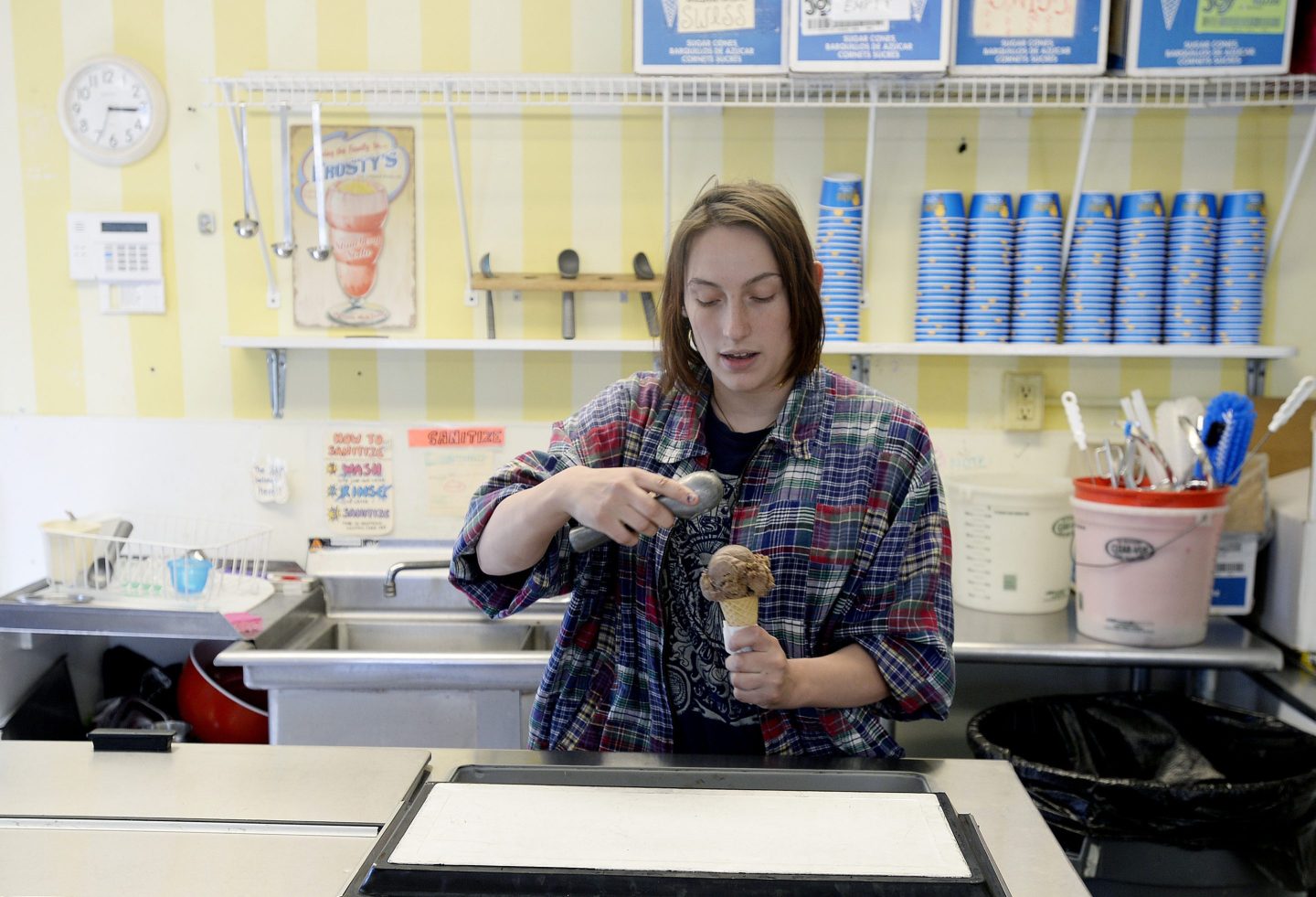
Teens are up against the worst summer job market in nearly 80 years—they’re fighting against hundreds to work at ice cream shops and swimming pools
By Emma BurleighJune 2, 2026
15 hours ago
Meet America’s ‘Disillusioned’: the 32% feeling betrayed and rejecting the establishment—and they’re not who you think
EconomyRetirement
Meet America’s ‘Disillusioned’: the 32% feeling betrayed and rejecting the establishment—and they’re not who you think
By Nick Lichtenberg and Catherina GioinoJune 2, 2026
20 hours ago
He sent out 3,200 résumés and got zero job offers in the 2008 crash. Now Outdoor Boys’ Luke Nichols is telling grads how he survived
SuccessCareer Advice
He sent out 3,200 résumés and got zero job offers in the 2008 crash. Now Outdoor Boys’ Luke Nichols is telling grads how he survived
By Sydney LakeJune 2, 2026
22 hours ago

Most Popular

Erin Brockovich, the activist who defeated a utility giant and inspired a Julia Roberts film, is pushing data centers to be more transparent
Environment
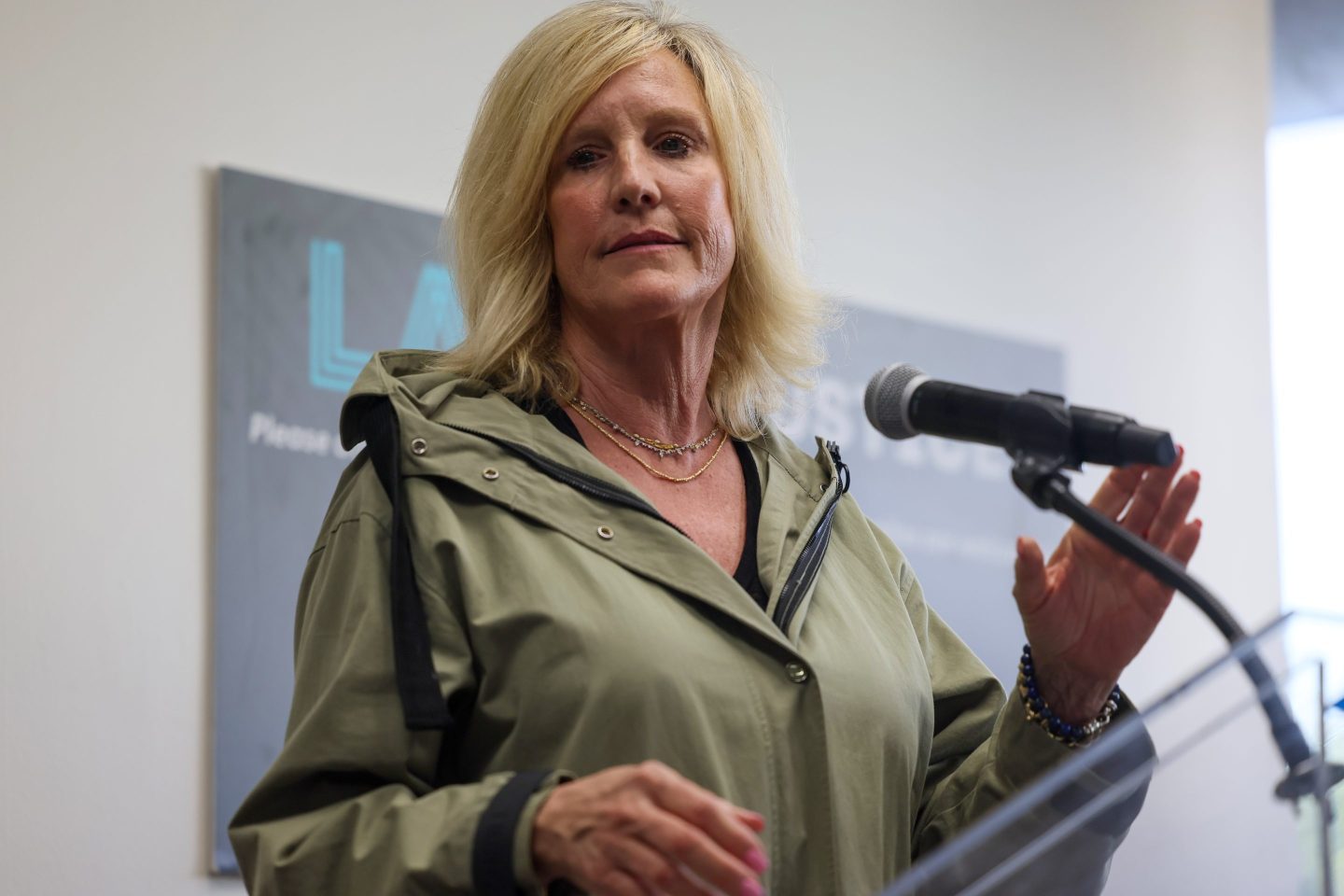
Erin Brockovich, the activist who defeated a utility giant and inspired a Julia Roberts film, is pushing data centers to be more transparent
By Marco Quiroz-GutierrezJune 1, 2026
1 day ago
Social Security unraveling: 7,100 workers sacked, performance metrics retired, disability claims falling
North America
Social Security unraveling: 7,100 workers sacked, performance metrics retired, disability claims falling
By Katie Savin, Callie Freitag, Matthew Borus and The ConversationJune 2, 2026
15 hours ago
The Iran conflict has disrupted oil supply. Gulf states are now looking to multi-billion-dollar investments in renewables 
Energy
The Iran conflict has disrupted oil supply. Gulf states are now looking to multi-billion-dollar investments in renewables 
By Melissa HancockJune 1, 2026
2 days ago
'Where we are today is frightening': a Pulitzer-winning historian sees a doomsday scenario involving China and the national debt
Banking
'Where we are today is frightening': a Pulitzer-winning historian sees a doomsday scenario involving China and the national debt
By Nick LichtenbergJune 2, 2026
19 hours ago
Cognizant CEO is swimming against the tide on AI: he's hiring over 20,000 graduates this year and says AI tokenmaxxing is a 'vanity metric'
Conferences
Cognizant CEO is swimming against the tide on AI: he's hiring over 20,000 graduates this year and says AI tokenmaxxing is a 'vanity metric'
By Preston ForeJune 1, 2026
1 day ago
Current price of oil as of June 1, 2026
Personal Finance
Current price of oil as of June 1, 2026
By Joseph HostetlerJune 1, 2026
2 days ago

© 2026 Fortune Media IP Limited. All Rights Reserved. Use of this site constitutes acceptance of our Terms of Use and Privacy Policy | CA Notice at Collection and Privacy Notice | Do Not Sell/Share My Personal Information
FORTUNE is a trademark of Fortune Media IP Limited, registered in the U.S. and other countries. FORTUNE may receive compensation for some links to products and services on this website. Offers may be subject to change without notice.