• Home
  • News
  • Fortune 500
  • Tech
  • Finance
  • Leadership
  • Lifestyle
  • Rankings
  • Multimedia
Finance

History tells us the S&P 500 is only two-thirds of the way through the current bear market, analysts warn

Tristan Bove
By
Tristan Bove
Tristan Bove
Down Arrow Button Icon
Tristan Bove
By
Tristan Bove
Tristan Bove
Down Arrow Button Icon
October 31, 2022, 4:30 PM ET
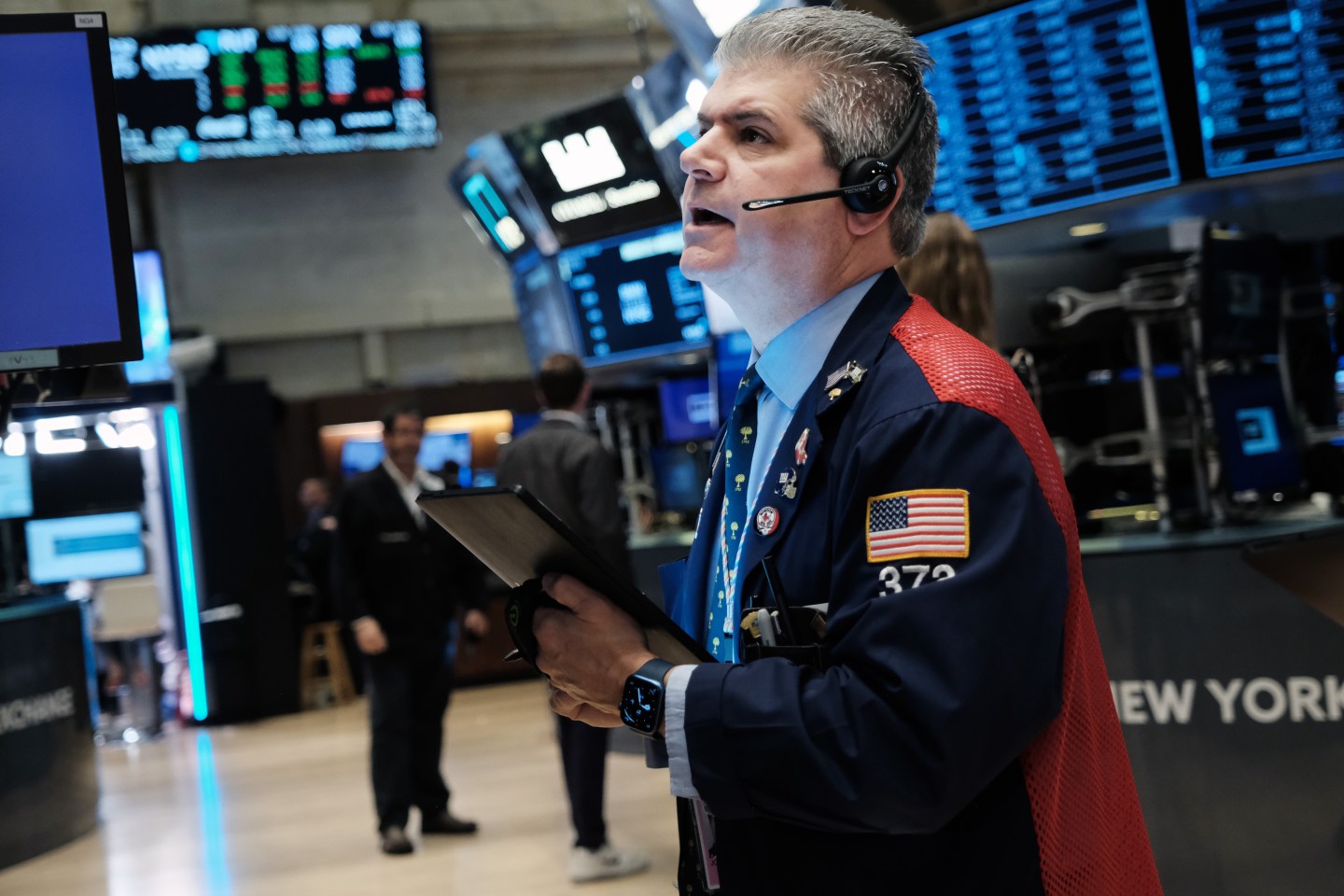
A trader on the floor of the New York Stock Exchange looking up at a screen and speaking into an earpiece.
The bear market may still have a long way to go. Spencer Platt—Getty Images

When it comes to charting the future of the stock market, history might be the best teacher.

The S&P 500—the stock index tracking the country’s largest companies—has had a rough year. In June, after months of losses, it officially entered a bear market, having fallen more than 20% from a high in January.

It’s now been 10 months since that last high point, and the market has been in a near-continuous downturn since then. A series of high inflation readings has sent the S&P 500 spiraling on a nearmonthly basis, and the market has already registered its worst first half of the year since the 1970s. 

Since then the bear market has shown vanishingly few signs of becoming a bull, and it may have even longer to wait, according to analysts from investment and wealth management firm Glenmede.

Based on historical evidence, we may still be only two-thirds of the way through this current bear market, Glenmede analysts led by chief investment officer for private wealth Jason Pride warned in a Monday note sent to clients. 

“The current market appears to be following the trajectory of the average historical bear market so far,” the analysts wrote, pointing out that every bear market since the end of World War II lasted on average slightly more than 14 months and saw markets hit rock bottom with an average decline of 35.7%, at which point they began rebounding. 

“At approximately 10 months and 21%, the current bear market appears to be close to 2/3rds of the way through the typical bear-market decline,” they added.

It’s a similar forecast to one made in Fortune by reporter Ben Carlson in July, when he noted there have been 13 bear markets since World War II (including the current one) lasting on average 12 months and bottoming out with a 32.7% loss. It took markets around 21 months on average to rebound to a new peak.

The S&P 500 is currently enjoying a mini-rally—up nearly 9% since hitting a low in mid-October—although Glenmede warned that the recent surge “should not be unexpected” after market sentiment hit historically low levels earlier this month.

Small rallies like these can be typical in a bear market, the analysts warned. The market has shown a few signs of life since taking a turn for the worse this year, although some short-lived rallies or “bear traps” have caught investors’ attention at times, when stock prices temporarily and misleadingly switch from a downward spiral to an upward swing.

Glenmede warned that these are likely false signals and investors should stay cautious for the rest of the bear market, and pointed to some additional evidence that suggests the bear market is only two-thirds of the way done. 

Growth stocks—including the high-flying tech stocks of the past decade—have been hardest hit by the bear market, as highlighted by a series of dismal earnings reports last week from megacap companies including Meta, Amazon, and Google parent Alphabet. The Glenmede analysts pointed out that around two-thirds of the extreme valuations of growth stocks relative to lower-priced value stocks has been erased in the current market downturn.

The analysts also looked ahead to this week’s meeting of Federal Reserve officials, when Fed Chair Jerome Powell is expected to announce 2022’s sixth interest rate hike in an attempt to clamp down on soaring inflation in the U.S.

Depending on how, or if, the economy responds to the next hike, Fed officials may approve another rate hike in December, with more possibly in store for 2023. 

The Fed’s aggressive rate hikes have sparked widespread fears that it will inevitably trigger a recession in the U.S. and around the world, but with interest rates currently forecasted to stop rising at 5% by next March, the Fed is currently two-thirds of the way there, according to Glenmede analysts.

Sign up for the Fortune Features email list so you don’t miss our biggest features, exclusive interviews, and investigations.
About the Author
Tristan Bove
By Tristan Bove
LinkedIn iconTwitter icon
See full bioRight Arrow Button Icon

Latest in Finance

Real EstateHousing
You’re probably $30,000 short of what you need to buy a house—and you’re not alone
By Sydney LakeDecember 9, 2025
34 minutes ago
jobs
EconomyJobs
The low-hire, low-fire economy crawls along with job openings unchanged from September to October
By Paul Wiseman and The Associated PressDecember 9, 2025
1 hour ago
Man carrying a cardboard box
EconomyLayoffs
The ‘forever layoffs’ era hits a recession trigger as corporates sack 1.1 million workers through November
By Nick Lichtenberg and Eva RoytburgDecember 9, 2025
2 hours ago
A stack of gold bars.
Personal Financegold prices
Current price of gold as of December 9, 2025
By Danny BakstDecember 9, 2025
3 hours ago
jobs
Commentaryprivate equity
There is a simple fix for America’s job-quality crisis: actually give workers a piece of the business 
By Pete StavrosDecember 9, 2025
3 hours ago
interview
EconomyLayoffs
AI isn’t the reason you got laid off (or not hired), top staffing agency says. You don’t have the right skills
By Nick LichtenbergDecember 9, 2025
3 hours ago

Most Popular

placeholder alt text
Real Estate
The 'Great Housing Reset' is coming: Income growth will outpace home-price growth in 2026, Redfin forecasts
By Nino PaoliDecember 6, 2025
3 days ago
placeholder alt text
Investing
Baby boomers have now 'gobbled up' nearly one-third of America's wealth share, and they're leaving Gen Z and millennials behind
By Sasha RogelbergDecember 8, 2025
22 hours ago
placeholder alt text
Uncategorized
Transforming customer support through intelligent AI operations
By Lauren ChomiukNovember 26, 2025
13 days ago
placeholder alt text
Success
Craigslist founder signs the Giving Pledge, and his fortune will go to military families, fighting cyberattacks—and a pigeon rescue
By Sydney LakeDecember 8, 2025
1 day ago
placeholder alt text
Success
When David Ellison was 13, his billionaire father Larry bought him a plane. He competed in air shows before leaving it to become a Hollywood executive
By Dave SmithDecember 9, 2025
6 hours ago
placeholder alt text
Success
‘Godfather of AI’ says Bill Gates and Elon Musk are right about the future of work—but he predicts mass unemployment is on its way
By Preston ForeDecember 4, 2025
5 days ago
Rankings
  • 100 Best Companies
  • Fortune 500
  • Global 500
  • Fortune 500 Europe
  • Most Powerful Women
  • Future 50
  • World’s Most Admired Companies
  • See All Rankings
Sections
  • Finance
  • Leadership
  • Success
  • Tech
  • Asia
  • Europe
  • Environment
  • Fortune Crypto
  • Health
  • Retail
  • Lifestyle
  • Politics
  • Newsletters
  • Magazine
  • Features
  • Commentary
  • Mpw
  • CEO Initiative
  • Conferences
  • Personal Finance
  • Education
Customer Support
  • Frequently Asked Questions
  • Customer Service Portal
  • Privacy Policy
  • Terms Of Use
  • Single Issues For Purchase
  • International Print
Commercial Services
  • Advertising
  • Fortune Brand Studio
  • Fortune Analytics
  • Fortune Conferences
  • Business Development
About Us
  • About Us
  • Editorial Calendar
  • Press Center
  • Work At Fortune
  • Diversity And Inclusion
  • Terms And Conditions
  • Site Map

© 2025 Fortune Media IP Limited. All Rights Reserved. Use of this site constitutes acceptance of our Terms of Use and Privacy Policy | CA Notice at Collection and Privacy Notice | Do Not Sell/Share My Personal Information
FORTUNE is a trademark of Fortune Media IP Limited, registered in the U.S. and other countries. FORTUNE may receive compensation for some links to products and services on this website. Offers may be subject to change without notice.