Going “back to the office” is a hot topic these days. When will we do it? How will we do it? And perhaps most interesting, why are we doing it?
The people having these conversations have already experienced an office environment, and the discussion revolves around how the return to a physical shared workspace will be different than before. But what about remote workers who began their careers during the pandemic? What will going into the office mean for them?
Today, Gen Z and Gen Y (“millennial”) employees make up 46% of the workforce. Gen Z workers graduated during the pandemic lockdowns, onboarded virtually, and probably work with colleagues they’ve never met in person.
Growing up slower
We must be careful not to overgeneralize when it comes to demographic generations. Each individual is unique and affected by different life circumstances.
However, we can make some observations. Each generation has been impacted by technology differently. Those in the baby boomer and Gen X generations have straddled two very different technological worlds: pre-internet and post. Meanwhile, Gen Zers grew up immersed in technologies like smartphones and social media. They are self-reliant, independent, and accustomed to presenting themselves publicly in a digital environment.
Research suggests that as people in the Global North live longer and more financially secure lives, our overall development stretches out too. Psychologist Jean Twenge calls this “slow life strategy.”
If you compare the teenage years of Gen X and Gen Z, you’ll see stark differences in chronological terms. For instance, I’m a “late” Gen Xer. At 16 years old, I had my driver’s license and a full-time summer job at a local restaurant. My 86-year-old stepfather harrumphs that I had it easy compared to his teenage years, which consisted of a lot of walking (“in two feet of snow”) since his family didn’t own a car.
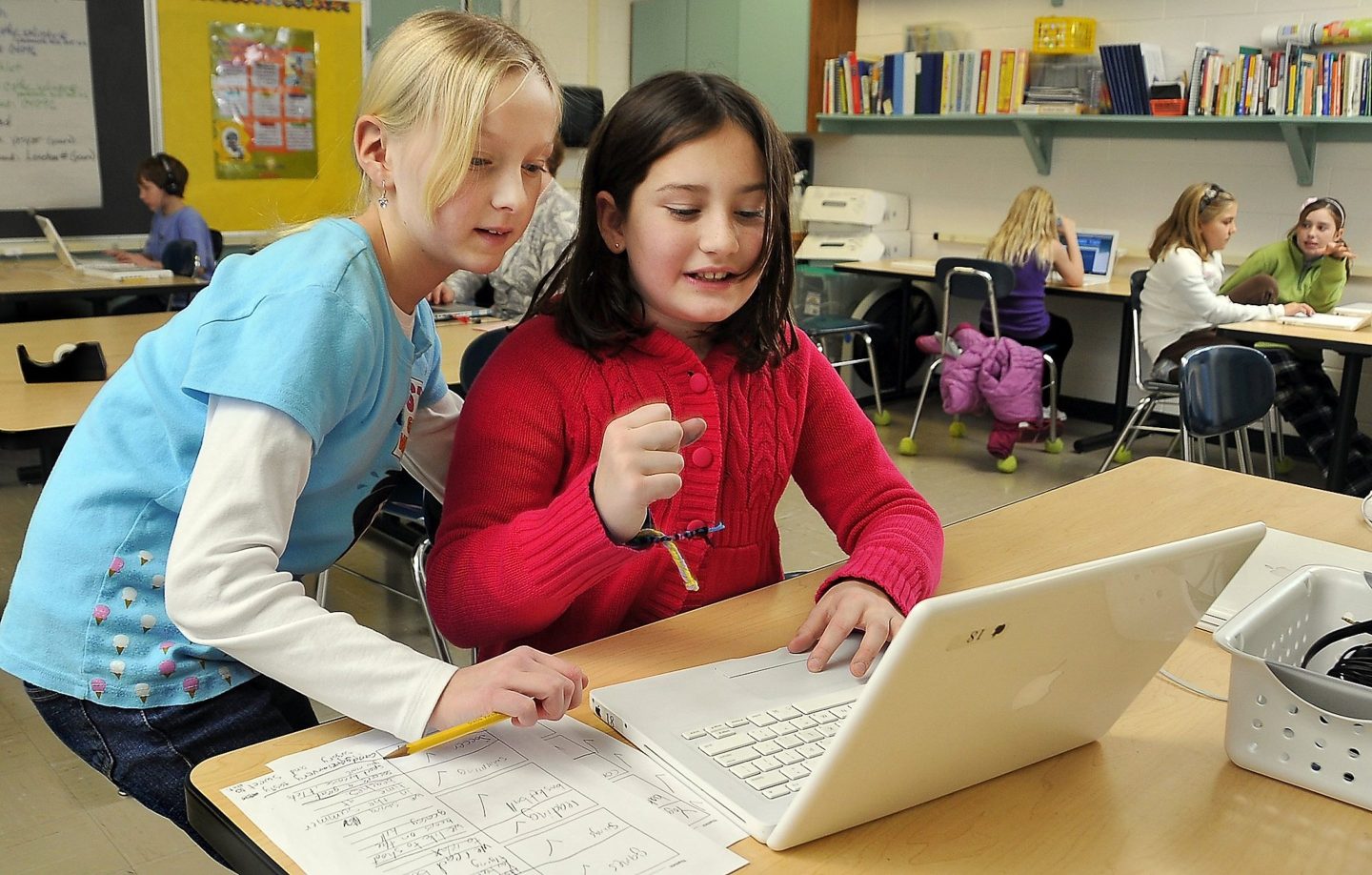
Compare this to Gen Z teenagers who grow up “slower,” taking on adult responsibilities later in life. They often delay getting a driver’s license, postpone sexual activity, and have few responsibilities outside the home.
Gen Z individuals have deeper experience in self-directed learning, online collaboration on projects, exposure to a greater range of people and thoughts, ongoing self-fashioning, and uncensored expression of personal values.
Does this mean that Gen Zers are social misfits, more comfortable with a screen than a person?
Not necessarily. In a recent five-year study, researchers were surprised to learn that Gen Z individuals prefer “in-person” communication over all other available modes. However, they may need more opportunities to practice their interpersonal skills.
Managers and mentors are key
Consider the important rituals a physical office environment “teaches” a new employee: how space is arranged, who sits where, how information flows informally, when it’s okay to leave your desk, and when it’s not.
The company culture can be absorbed via virtual interactions, but it happens much faster in an office. For example, information doesn’t just move from the top down. There are always purveyors of information that operate under the radar, and a new employee needs to know who they are.
Gen Z employees are interested in learning the cultural norms and expectations of the workplace, but they’ve got a steep learning curve ahead of them.
Because they grew up communicating digitally through a small screen, there are “old school” skills they need to learn. For instance, productive face-to-face interactions such as how to behave in meetings, one-on-ones, and interviews, and how to present to a broader audience. Many Gen Z workers are anxious to learn these skills and are willing to practice. And like all of us, they need solid role models.
Managers play a key role in helping Gen Z workers segue into the physical office environment. They need to provide more than task-oriented communications. Managers need to be mentors and coaches, finding time to catch up and really talk about how the employee is adapting.
In addition to what a manager can teach, consider pairing up the new-to-the-office employee with a team “ambassador” or buddy. This person represents all the best things about your team and the values you want to encourage. More informal than traditional onboarding practices, this individual can give one-on-one attention and share important organizational wisdom.
Working across generations
If you’re unfamiliar with certain cultural references, find certain technologies a total mystery, or are confused by the dominant language, you’re not alone. Generational confusion goes in all directions.
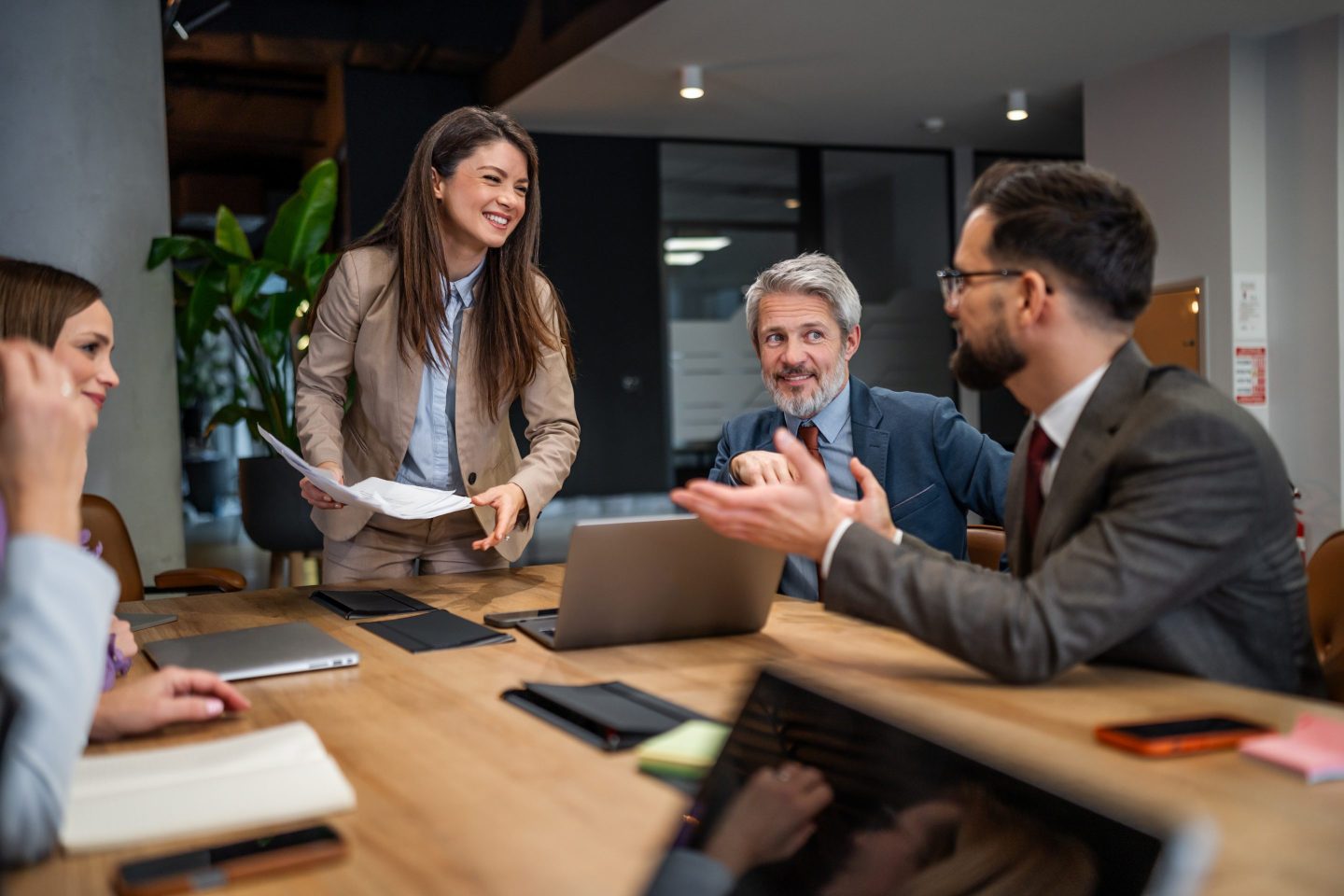
Each generation has something valuable to contribute. This is the message today’s managers must emphasize. Many workplaces have at least three–if not four or five–generations working side by side. Multigenerational teams have their challenges, but they can also be a source of curiosity, learning, and creativity if approached in the right way.
Reverse mentoring (also called co-mentoring) makes use of this generational knowledge. While more experienced employees have a lot of knowledge to share, younger generations also have something to teach, such as how to do things more efficiently. Gen Z employees are more likely to challenge the current technology if they feel it lacks the degree of flexibility, transparency, ownership, direct communication, and authentic self-expression to which they are accustomed—and that’s okay. Innovation is born out of respectful friction.
It’s healthy to ask why things have been done a certain way, how things might be done differently, and what we should keep and why. This multidirectional learning creates new practices and enables the organization to adapt to change.
In some respects, Gen Z employees are no different than any other young worker in their first job. We’ve all been there. They need to learn about organizational structure and culture, how to present themselves, and how to communicate effectively.
On the other hand, they arrive in today’s workplace with a native understanding of the technology that many of us have had to learn the hard way. Astute managers will make sure this knowledge is shared and put to good use.
Martha Bird is a business anthropologist at ADP. She supports innovation in global product development to ensure ADP human capital management solutions are informed by the wisdom of human cultures and the everyday encounters which shape, evolve, and transform the way we work.
The opinions expressed in Fortune.com commentary pieces are solely the views of their authors and do not reflect the opinions and beliefs of Fortune.
More must-read commentary published by Fortune:
- TSMC chairman Mark Liu describes how the world’s largest chipmaker is reimagining the semiconductor industry
- We should stop blaming workers for the Great Resignation–and start looking at the jobs they’re leaving
- Web3 is not dead. Here’s what the crypto space will look like in 2030
- How to fix the nursing shortage—and recruit the next generation of frontline heroes
- I was a senior executive at WeWork before it imploded. Here’s the one behavior that could have saved the company