The Biden Administration announced on Monday that it would start easing some of the processes required to import baby formula into the U.S. in order to counter a domestic supply shortage that has wiped about 40% of formula stock off of supermarket shelves.
The U.S. Food and Drug Administration will be more flexible in approving foreign-manufactured infant formula for sale in the U.S. and “will prioritize review of applications that are most likely to be successful and will get the most formula to U.S. shelves as quickly as possible,” U.S. Press Secretary Karine Jean-Pierre told reporters in a Monday briefing.
The FDA insists it is not reducing health and safety standards in order to expedite import approvals, but will be more lenient on other technical requirements, such as formatting on labels. The FDA says it will permit agents to apply discretion if a foreign manufacturer does not list its baby formula ingredients in the exact order prescribed by FDA regulations, for example.
The U.S. hopes that the temporary measures, which will last for the next six months, can help get formula back in the hands of parents, and the bottles of babies.
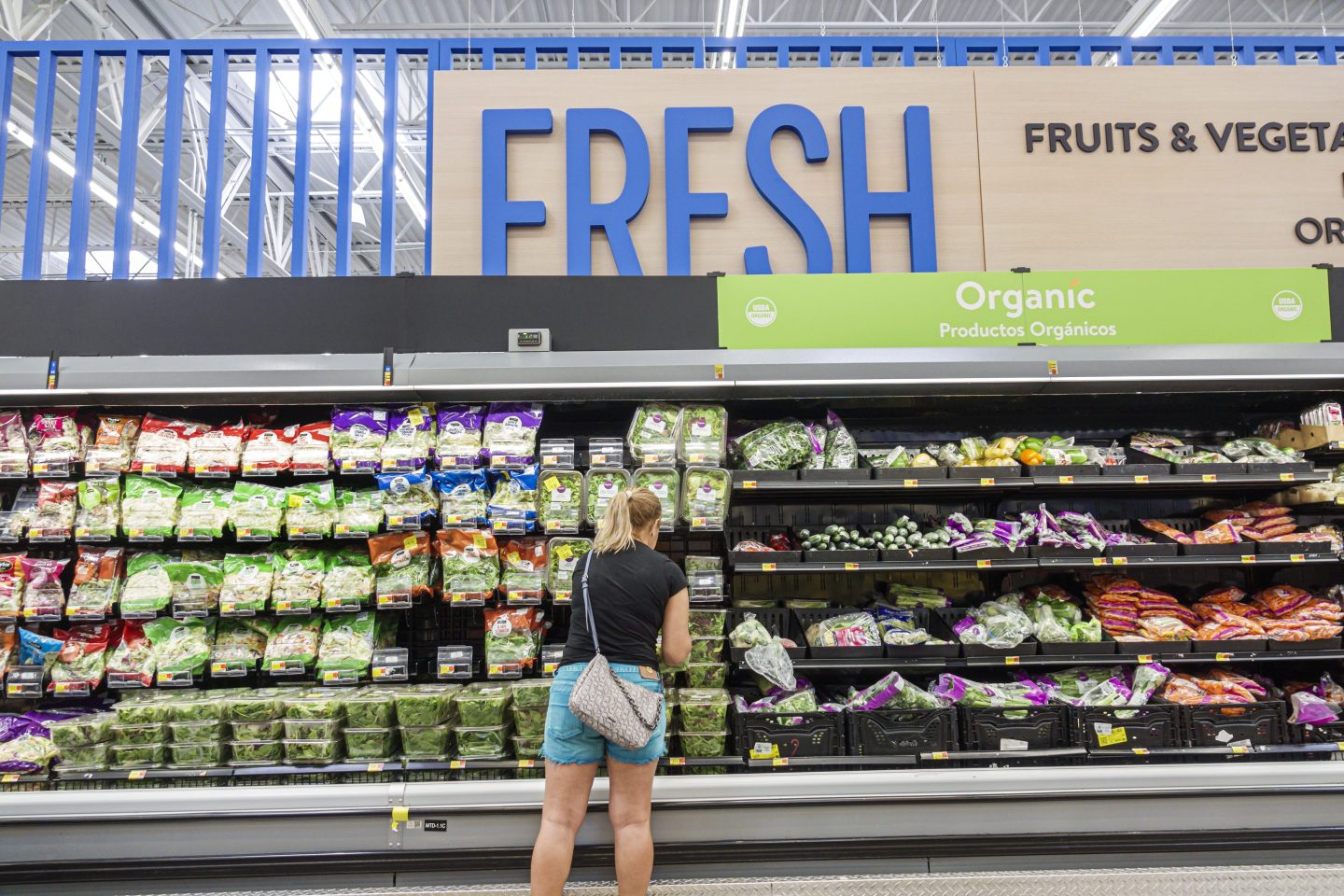
Infant formula is disappearing from store shelves across the U.S., with national stock levels at roughly 57% of their usual volume. The devastating shortage was sparked by a recall of formula from Abbott Nutrition in February, after fears that formula produced in its Sturgis, Mich., factory was contaminated with bacteria.
Abbott occupies about 43% of the U.S. market for infant formula, and provides the formula many U.S. states use to supply nutritional assistance programs for low-income households. On Monday, Abbott announced that it was on track to reopen its Sturgis factory, but said it will still take eight to ten weeks before its products return to store shelves.
Almost 98% of the U.S.’s formula supply comes from domestic manufacturers, with the 2% that’s imported mainly coming from Mexico, Chile, Ireland and the Netherlands. Now that supply from domestic manufacturers is falling short, ramping up imports should be a quick way to meet excess demand. But strict approval processes and steep taxes are preventing U.S. formula buyers from simply shopping overseas.
Nutrition
One reason it’s so difficult to import baby formula into the U.S. is the FDA’s strict nutritional standards, which differ from the standards used elsewhere, such as in Europe, the world’s largest producer and exporter of formula.
The FDA must approve the sale of any formula brand in the U.S., analysing brands for nutritional content and labeling requirements. Even the overseas factories of U.S. manufacturers, like Abbott’s Ireland facility, must be authorized by the FDA to export to the United States. The FDA also maintains a “red list” of goods subject to immediate seizure, including popular European brands of formula.
A 2019 study found that major European formula brands met almost all of the FDA’s requirements for baby formula, yet authors warned that differing instructions on how to use European formula might confuse Americans.
European formula also has to meet some standards that are tougher than those seen in the U.S., according to the New York Times. European Union standards ban the use of added sugars like corn syrup, and mandate that at least 30% of the formula’s carbohydrates come from lactose.
Despite the lack of approval, American households often import European formula—technically illegally—for their own personal use.
Back in April, U.S. Customs and Border Protection officers seized $30,000 worth of baby formula imported from Europe, after the FDA argued the German and Dutch products were mislabeled. The FDA also claimed the foreign manufacturers failed to comply with its regulatory requirements.
The Biden Administration has promised that formula imported under the new FDA guidelines would be safe. “All companies will meet the FDA’s gold standard for quality control, and only safe products will come to America’s shelves,” said Jean-Pierre during her Monday briefing.
Tariffs and trade
But low U.S. imports aren’t just explained by the FDA’s tough nutritional standards.
The U.S. imposes high tariffs—up to 17.5%—on imported baby formula. Formula is also subject to a mechanism called a tariff-rate quota, where additional duties can be placed on goods once total imports pass a certain level.
As part of the United States-Mexico-Canada Agreement (USMCA), negotiated by President Donald Trump to replace the North America Free Trade Agreement in July 2020, Canada agreed to impose an additional surcharge of $3/kg if the total volume of its global formula exports—not just exports to the U.S.—broke a certain threshold. That threshold is currently set at 40,480 metric tons for the current “dairy year” of August 1 2021 to July 31 2022.
The new duties seemingly closed off Canada as a source of infant formula. The U.S. imported a grand total of zero tons of baby formula from its nothern neighbor in 2021, yet has shipped tons of domestic formula into Canada. According to the U.S. Department of Agriculture, U.S.-manufactured infant formula made up the largest component of U.S. dairy exports to Canada in 2021, accounting for 22% of all northbound dairy trade.
As of now, the Biden Administration has not mentioned tariff relief as a measure to encourage imports and has instead focused on the regulatory side of the equation.
“We are hopeful this call to the global market will be answered and that international businesses will rise to the occasion,” said FDA Commissioner Robert Califf. “We anticipate that those products that can quickly meet safety and nutrition standards could hit U.S. stores in a matter of weeks.”
Sign up for the Fortune Features email list so you don’t miss our biggest features, exclusive interviews, and investigations.