• Home
  • News
  • Fortune 500
  • Tech
  • Finance
  • Leadership
  • Lifestyle
  • Rankings
  • Multimedia
FinanceEconomy

‘Recession risk has risen,’ Goldman finally admits, but sees a silver lining in the U.S. consumer

Will Daniel
By
Will Daniel
Will Daniel
Down Arrow Button Icon
Will Daniel
By
Will Daniel
Will Daniel
Down Arrow Button Icon
May 2, 2022, 12:40 PM ET

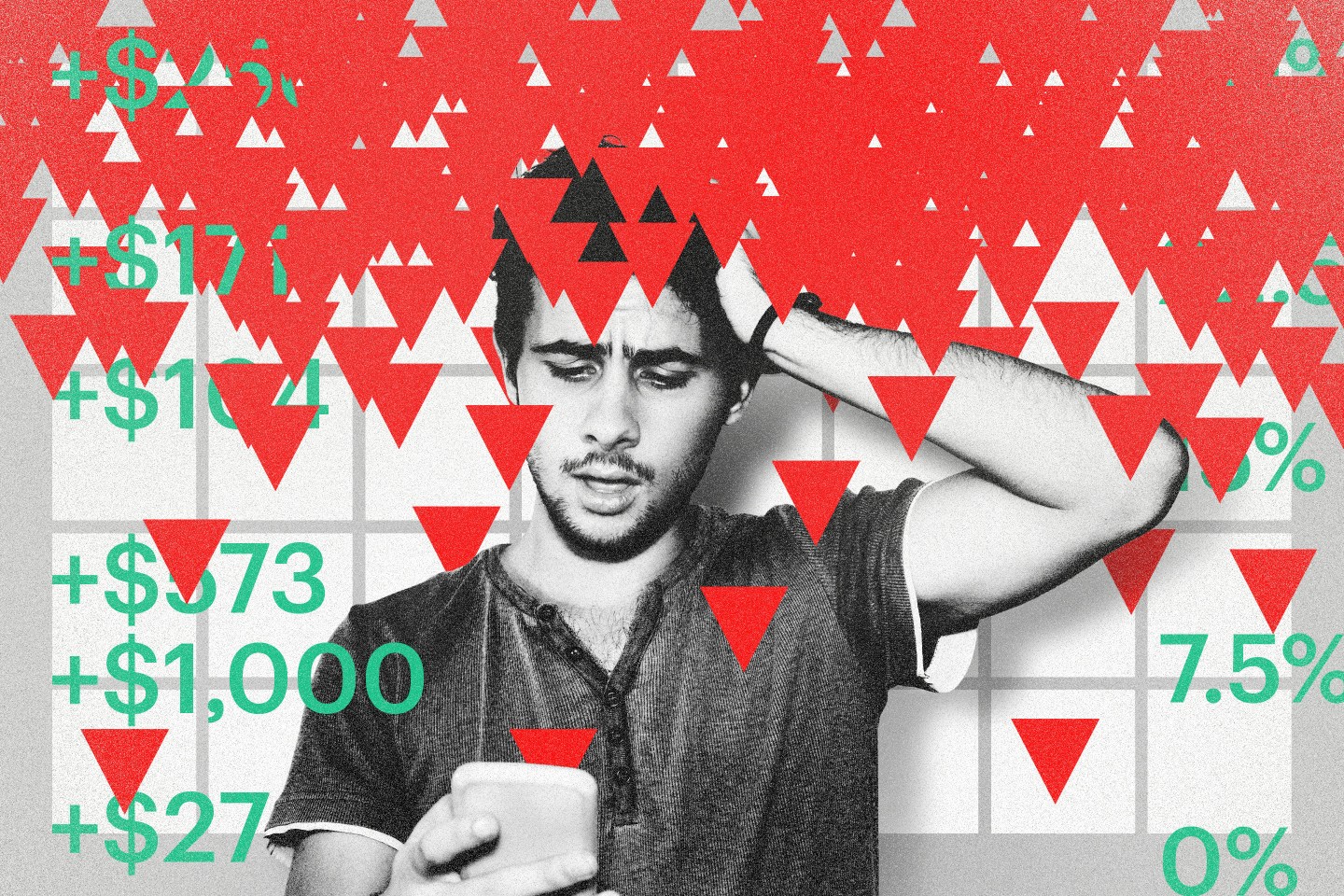
Wall Street has had a recession on its mind this spring.

Ever since it became clear that 2022 wouldn’t pan out in the way expected, likely around the time Russian tanks rolled into Ukraine, the looming potential for a recession has been the talk of lower Broadway.

While many top investment banks have argued the U.S. economy will fall into a recession by 2023 as the Federal Reserve raises interest rates to combat inflation, Goldman Sachs has remained on the fence.

Economists for the 153-year-old bank put the probability of a U.S. recession within the next 24 months at 38% in April, striking a far less bearish tone than many Wall Street peers. But on Monday, Goldman analysts led by Jan Hatzius admitted that risks to the U.S economy have grown over the past month.

The investment bank still isn’t calling a recession just yet. A strong U.S. consumer may help the Fed secure a “soft landing”—where inflation is kept at bay without instigating an economic downturn—in 2022 as interest rates rise, Goldman says.

“Recession risk has risen,” Goldman analysts wrote in a Monday note. “The financial health of the private sector may ultimately determine whether policy tightening will tilt the economy into a downturn.”

The silver lining

During the pandemic, stimulus programs led to a multitrillion-dollar savings surplus for U.S. consumers, leaving the average American in a strong financial position. Despite the unwinding of fiscal support and four-decade high inflation, Goldman analysts say U.S. households remain flush with cash as a result of the fiscal support, a strong recovery in wages, and a historically low unemployment rate.

The analysts pointed to the “private sector financial balance”—the difference between consumers’ total income and total spending—as evidence for their claim. The figure has remained high and positive throughout the pandemic, meaning that households can continue to spend without the need to borrow or draw down asset holdings, Goldman says.

U.S. households boasted a financial surplus worth 4.0% of GDP in the fourth quarter of 2021, compared to a 2.8% average from 1985 to 2019, according to the investment bank’s data.

“We also find that excess savings are not confined to the household sector, as cash holdings increased substantially during the pandemic across small businesses, highly levered firms, and large corporations,” the analysts wrote.

The Goldman team argued that “soft landings are more common” historically when private-sector financial balances are positive like they are today—even when inflation remains an issue.

“Surpluses generated today by households and high-yield businesses bolster the outlook for consumer spending and business investment—and will help offset the [Fed] policy and inflation headwinds,” the analysts wrote. “The healthy private sector financial balance widens the Fed’s narrow runway for a soft landing.” 

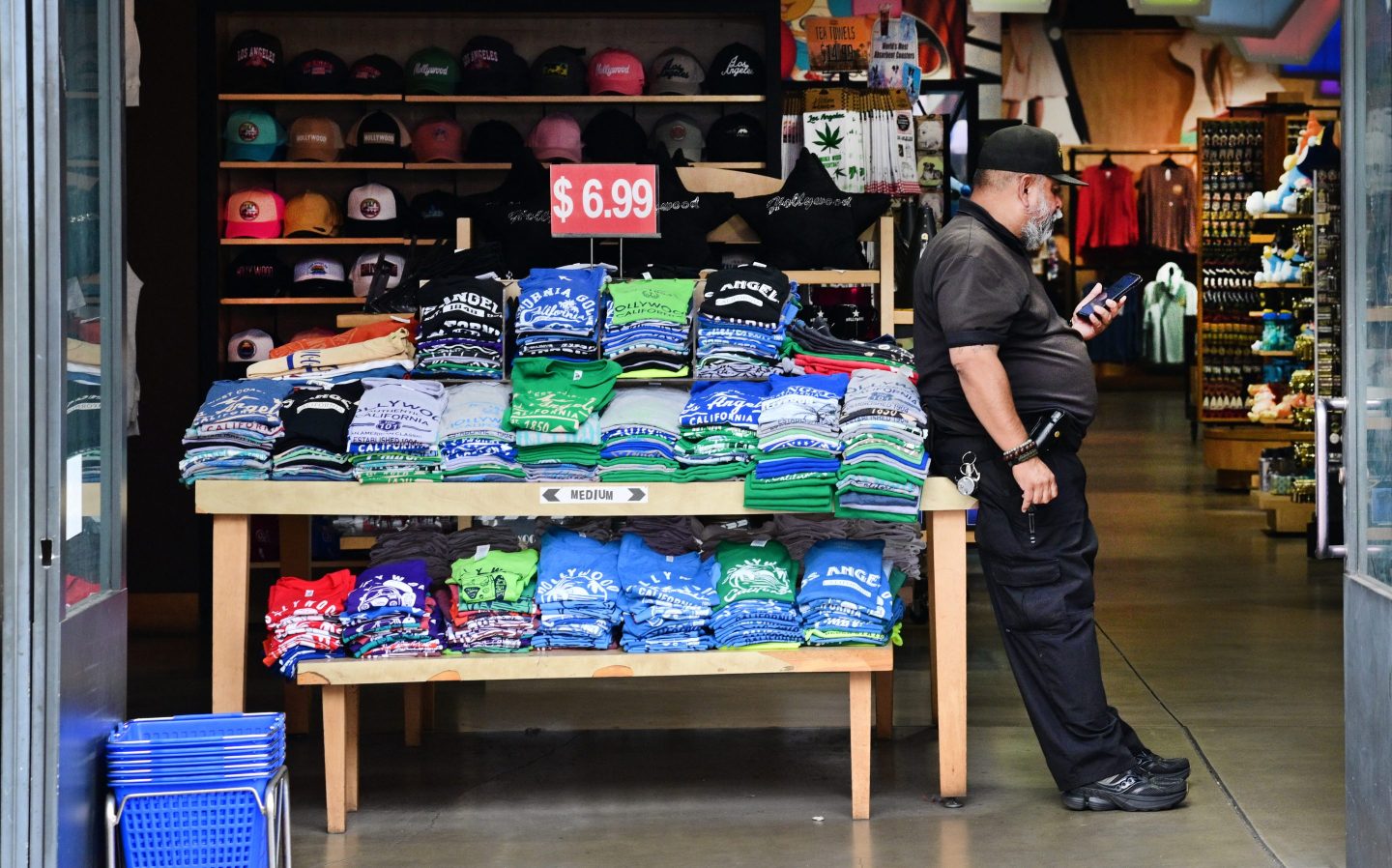
To Goldman’s point, U.S. consumer spending, which accounts for over two-thirds of U.S. economic activity, jumped 1.1% in March, according to the Commerce Department.

But despite the investment bank’s positivity when it comes to the strength of the U.S. consumer, Americans’ personal savings rate has collapsed to below pre-pandemic levels in recent months, Federal Reserve data shows. 

The U.S. personal savings rate, which represents consumers’ personal savings as a percentage of their disposable income, is now the lowest it’s been since December of 2013 as Americans grapple with rising gas, food, and rent costs.

For Liz Ann Sonders, the chief investment strategist of the financial services firm Charles Schwab, it’s a sign that the “savings boom is over.” If Sonders is right, Goldman’s predictions of a soft landing for the U.S. economy as the Fed raises rates, ensured by strong consumer balance sheets, could fall short.

Sign up for the Fortune Features email list so you don’t miss our biggest features, exclusive interviews, and investigations.


About the Author
Will Daniel
By Will Daniel
LinkedIn iconTwitter icon
See full bioRight Arrow Button Icon

Latest in Finance

CryptoBinance
Binance has been proudly nomadic for years. A new announcement suggests it’s finally chosen a headquarters
By Ben WeissDecember 7, 2025
4 hours ago
Big TechOpenAI
OpenAI goes from stock market savior to burden as AI risks mount
By Ryan Vlastelica and BloombergDecember 7, 2025
8 hours ago
InvestingStock
What bubble? Asset managers in risk-on mode stick with stocks
By Julien Ponthus, Natalia Kniazhevich, Abhishek Vishnoi and BloombergDecember 7, 2025
8 hours ago
EconomyTariffs and trade
Macron warns EU may hit China with tariffs over trade surplus
By James Regan and BloombergDecember 7, 2025
8 hours ago
EconomyTariffs and trade
U.S. trade chief says China has complied with terms of trade deals
By Hadriana Lowenkron and BloombergDecember 7, 2025
8 hours ago
PoliticsCongress
Leaders in Congress outperform rank-and-file lawmakers on stock trades by up to 47% a year, researchers say
By Jason MaDecember 7, 2025
9 hours ago

Most Popular

placeholder alt text
Real Estate
The 'Great Housing Reset' is coming: Income growth will outpace home-price growth in 2026, Redfin forecasts
By Nino PaoliDecember 6, 2025
2 days ago
placeholder alt text
AI
Nvidia CEO says data centers take about 3 years to construct in the U.S., while in China 'they can build a hospital in a weekend'
By Nino PaoliDecember 6, 2025
2 days ago
placeholder alt text
Economy
The most likely solution to the U.S. debt crisis is severe austerity triggered by a fiscal calamity, former White House economic adviser says
By Jason MaDecember 6, 2025
1 day ago
placeholder alt text
Economy
JPMorgan CEO Jamie Dimon says Europe has a 'real problem’
By Katherine Chiglinsky and BloombergDecember 6, 2025
1 day ago
placeholder alt text
Big Tech
Mark Zuckerberg rebranded Facebook for the metaverse. Four years and $70 billion in losses later, he’s moving on
By Eva RoytburgDecember 5, 2025
3 days ago
placeholder alt text
Politics
Supreme Court to reconsider a 90-year-old unanimous ruling that limits presidential power on removing heads of independent agencies
By Mark Sherman and The Associated PressDecember 7, 2025
16 hours ago
Rankings
  • 100 Best Companies
  • Fortune 500
  • Global 500
  • Fortune 500 Europe
  • Most Powerful Women
  • Future 50
  • World’s Most Admired Companies
  • See All Rankings
Sections
  • Finance
  • Leadership
  • Success
  • Tech
  • Asia
  • Europe
  • Environment
  • Fortune Crypto
  • Health
  • Retail
  • Lifestyle
  • Politics
  • Newsletters
  • Magazine
  • Features
  • Commentary
  • Mpw
  • CEO Initiative
  • Conferences
  • Personal Finance
  • Education
Customer Support
  • Frequently Asked Questions
  • Customer Service Portal
  • Privacy Policy
  • Terms Of Use
  • Single Issues For Purchase
  • International Print
Commercial Services
  • Advertising
  • Fortune Brand Studio
  • Fortune Analytics
  • Fortune Conferences
  • Business Development
About Us
  • About Us
  • Editorial Calendar
  • Press Center
  • Work At Fortune
  • Diversity And Inclusion
  • Terms And Conditions
  • Site Map

© 2025 Fortune Media IP Limited. All Rights Reserved. Use of this site constitutes acceptance of our Terms of Use and Privacy Policy | CA Notice at Collection and Privacy Notice | Do Not Sell/Share My Personal Information
FORTUNE is a trademark of Fortune Media IP Limited, registered in the U.S. and other countries. FORTUNE may receive compensation for some links to products and services on this website. Offers may be subject to change without notice.