Visitor numbers have dropped by as much as 77% at the most famous museums in the world over the last two years, increasing the urgency for the cultural sector to diversify its revenue streams.
While attendance will recover as restrictions ease, figures may never get back to pre-Covid norms because consumers want different experiences now.
To survive in the long term, museums must respond to a growing appetite for digital content and “closer-to-home” and “in-home experiences.”
Despite being a young market, NFT sales totaled $24.9 billion in 2021, compared to just $94.9 million the previous year. In the art market, $5.8 million is currently spent on NFTs per week, indicating this could soon become a lucrative way for museums to diversify their revenue streams.
Some museums are already exploring this. The British Museum recently launched NFT collections with prices for the “rarest” items starting at $5,660. A group of major Italian museums recently released NFTs of six famous Italian masterpieces priced between $114,000 and $284,000.
However, as NFTs are more akin to cryptocurrency than the art market, museums often don’t have the in-house expertise to deal with them. NFTs are also perceived as a young and volatile market.
In the Chinese market, museums use an alternative to NFTs in the form of “digital collectibles.” They are priced in standard currency (not cryptocurrency) and cannot be resold, making them less speculative and less “risky” than NFTs.
In January my company ARTiSTORY, which specializes in cultural IP licensing programs, worked with Dunhuang–a UNESCO world heritage site–to create 8,000 digital collectibles featuring Dunhuang’s famous mural art. Over 60,000 people reserved them for pre-sale and they all sold out immediately at the official launch.
Gamified exhibitions can attract a wider and younger audience than traditional exhibitions. In the past, The Louvre has collaborated with Nintendo. Many other museums have been experimenting with video games such as Minecraft .
We are now starting to see fully gamified museum experiences that bring together multiple technologies. My company is currently working with museums to create immersive role-playing game experiences where visitors select characters on an app before arriving and are challenged to collect digital “memories” along their route through the exhibition, which are later rendered into digital collectibles.
In 2020, the global virtual events market was valued at $94.04 billion and it is predicted to grow by 24% a year until 2028. The exhibitions segment captures the largest revenue share overall, at 30%.
Museums around the world have already been upping their digital and virtual content game.
Some of the most exciting innovations we will see in this area include live-streamed museum tours featuring avatars of well-known artists (dead or alive) as guides. By offering deeper storytelling, these would make for more engaging in-home experiences.
Last year, China’s pavilion at the Dubai World Expo featured an immersive digital exhibition showcasing Shanghai’s tech prowess and hosted by an avatar called Erin Irene. Advanced speech recognition, semantic understanding, and speech synthesis technology meant that she could interact in a deeply nuanced, human way.
Some see the metaverse as the final frontier for museums to embrace, bringing together all these innovations into one comprehensive digitally immersive experience. Museums will launch virtual galleries in the metaverse that allow visitors to view and buy NFTs, interact with artworks in new and novel ways, and attend paid-for virtual tours, live events, exhibition launches, and NFT stores.
Naturally, there is still huge caution from the cultural sector about the best ways to enter this realm, but we are already seeing some lead the way.
Musee Dezentral is the world’s first decentralized NFT museum, where people can buy “frames” to display their NFTs or rent them out to other NFT owners and digital artists to display their works.
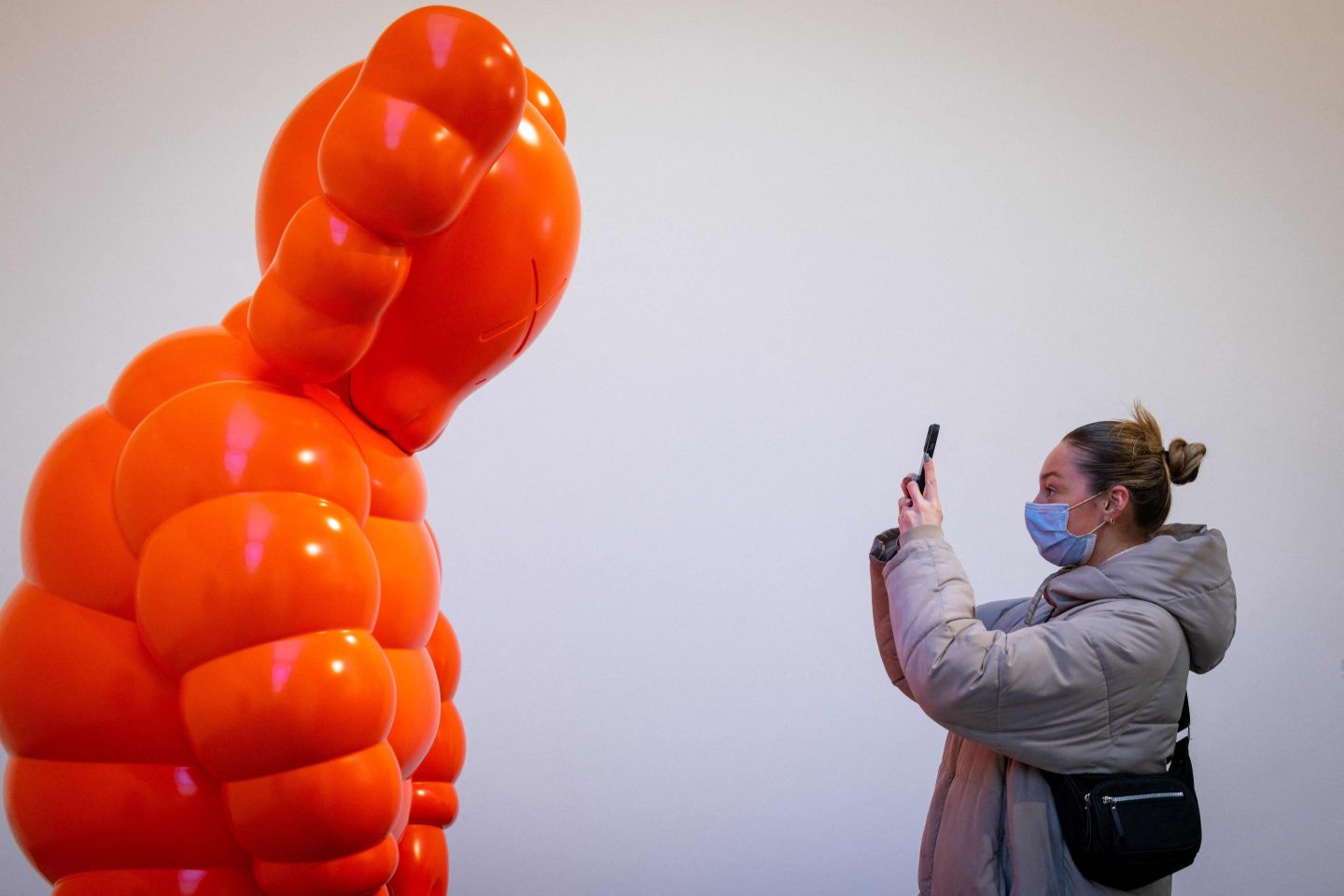
More traditional institutions are opting for a hybrid route. The Serpentine Gallery in London recently launched a multi-platform exhibition of work by U.S. artist KAWS, combining a physical exhibition at the gallery, augmented reality experiences via a platform designed to showcase digital works, and a parallel virtual exhibition within the hugely popular Fortnite game.
While all of these innovations are ready now for museums to take advantage of, they need to be harnessed in a strategic way to ensure the physical collections, existing audience engagement, and the museum’s brand are enhanced and built upon, not compromised.
Yizan He is the founder and CEO of ARTiSTORY, an IP licensing firm working with some of the world’s leading museums, galleries, science centers, and libraries. Yizan also serves as an investor and General Partner of SIPIC–a Singapore based investment fund that specializes in art and cultural IP.
The opinions expressed in Fortune.com Commentary pieces are solely the views of their authors, and do not reflect the opinions and beliefs of Fortune.
More must-read commentary published by Fortune:
- How to dismantle a culture of impunity–and find the real superstars in your company
- Now would be a good time for the IMF to do away with unfair and unnecessary surcharges
- Sallie Krawcheck: This women-led funding round gives me hope venture capital is changing
- Women of color can no longer buy into the ‘inclusion delusion’
- Here’s how CEOs can successfully navigate inflation