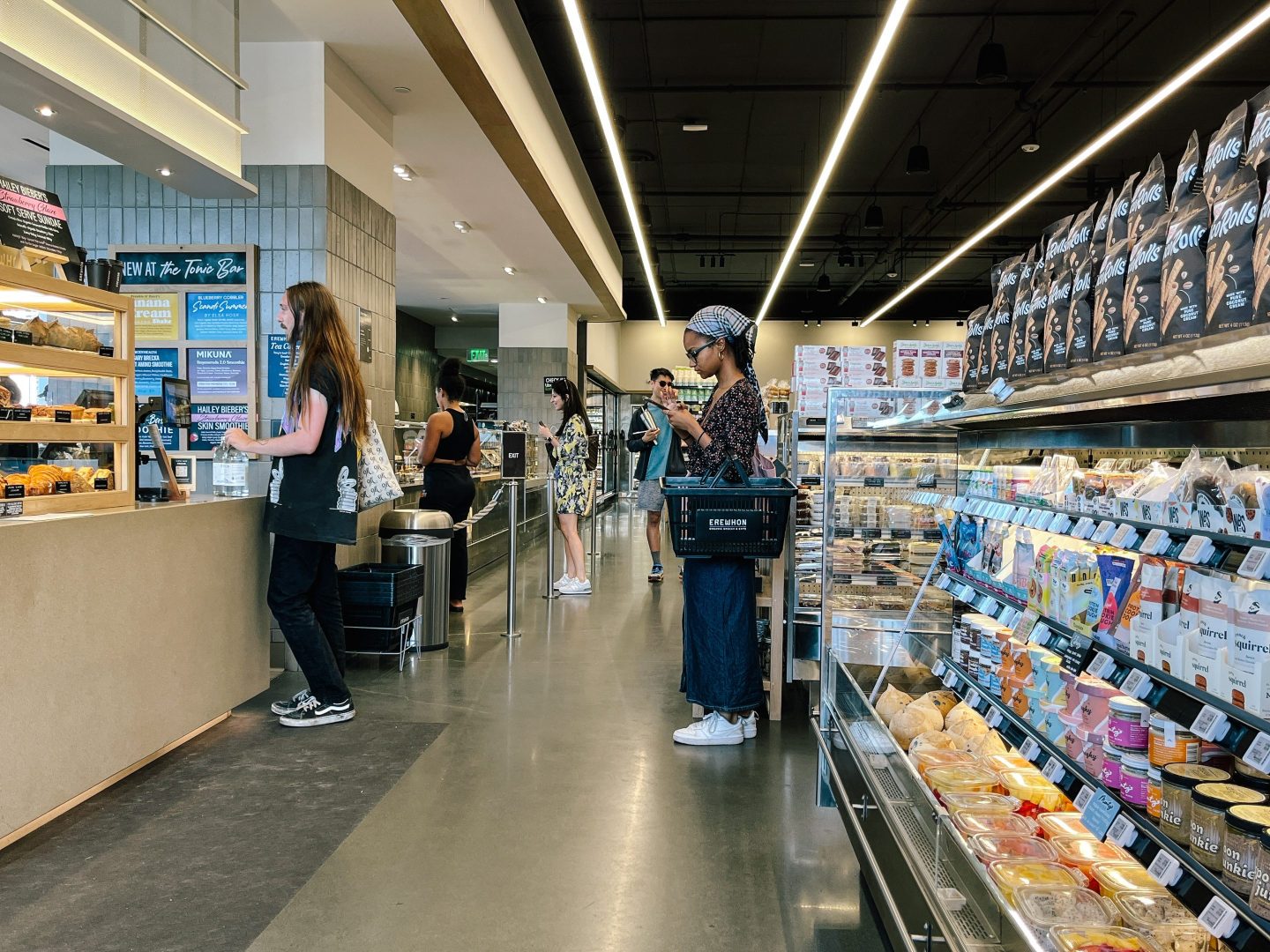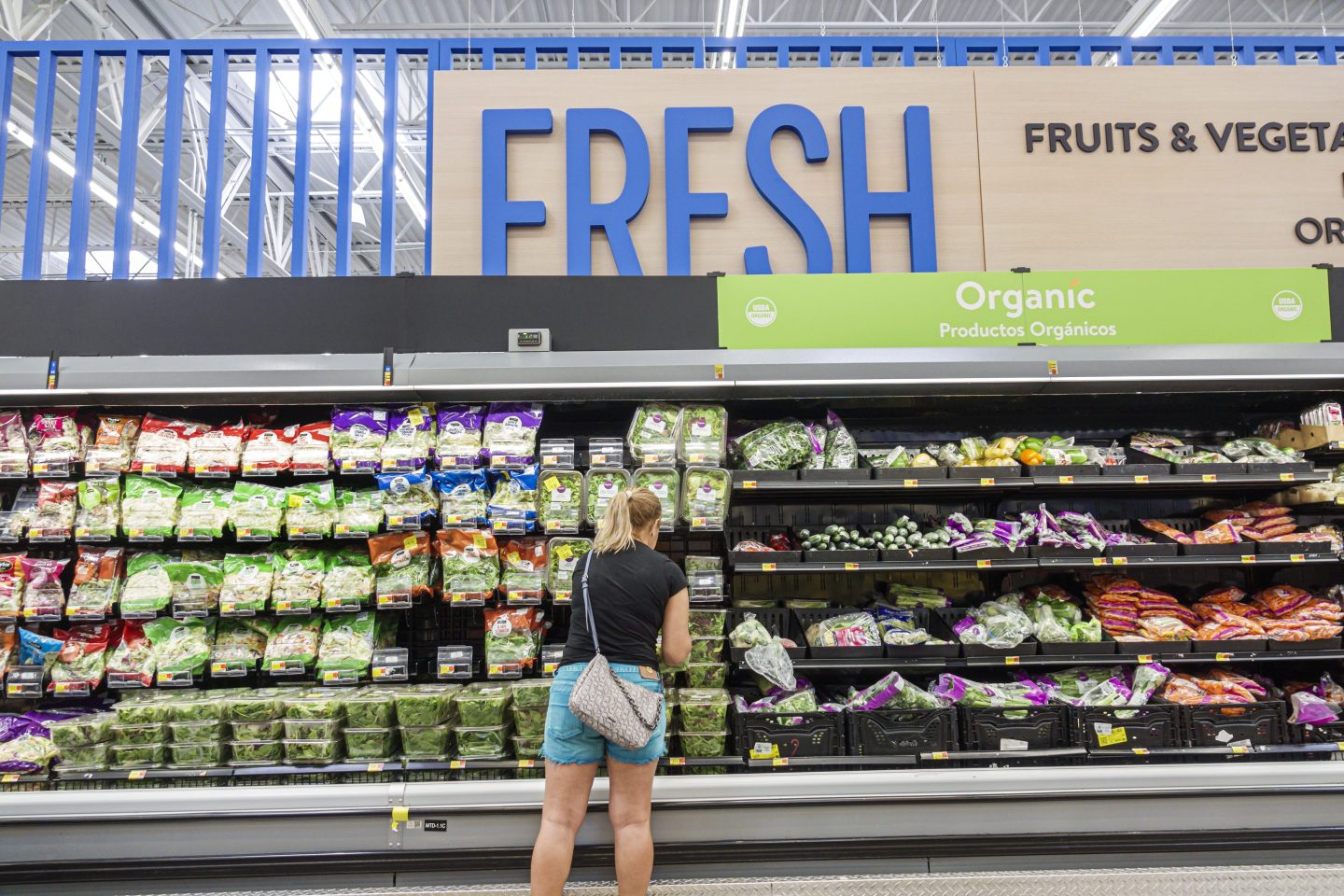
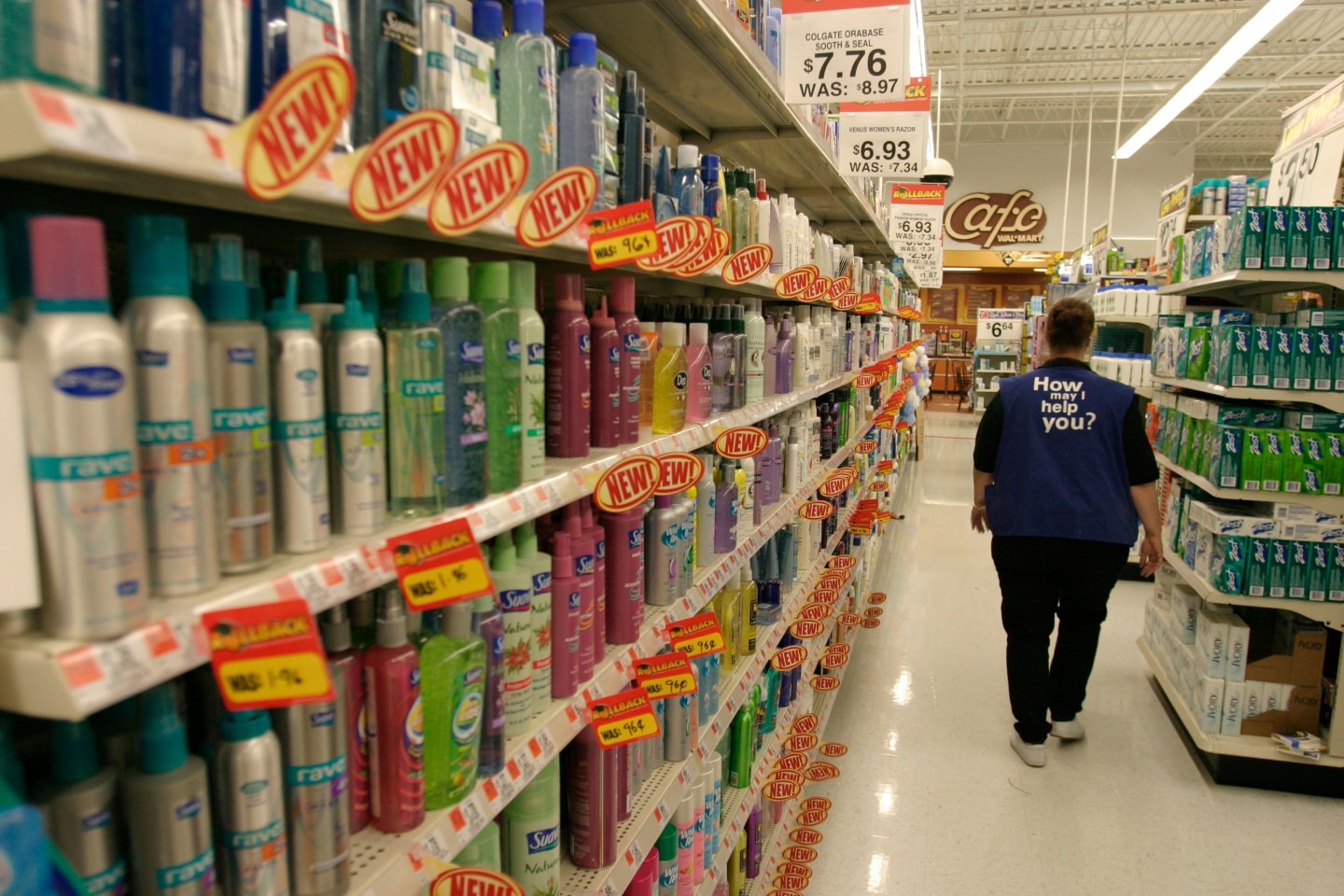
Signing bonuses have typically been a favored tactic of corporations vying to attract a star executive or a sports team luring an All-Star. But such enticements are now becoming the norm for low-wage retail workers in a supertight labor market heading into a frantic holiday season.
Kohl’s is offering signing bonuses of up to $400, while Macy’s is delivering up to $500 in referral bonuses to staff who help it land a hire. Meanwhile their well-heeled rival Amazon, which wants to hire 150,000 seasonal workers, is outdoing the competition with $3,000 enticements to sign on. Amazon CEO Andy Jassy told the Amazon Accelerate conference on Thursday that this was the “hardest” job market he’s seen in his 25 years at the company.
Cash upfront isn’t the only way retailers are attracting workers for the season, when many chains earn 20% of their annual sales. Some are giving workers extra hours and offering the prospect of a job beyond the holidays, framing a Christmastime position as the cornerstone of a career and not just a short-term gig. We are far from the days of recruiting a greeter to work 10 hours a week for minimum wage.
While the holiday season is widely expected to be a bonanza for retailers in general, it will be hand-to-hand combat to meet that consumer demand and offer accurate, fast shipping as well as a good in-store experience. It’s a particularly urgent need for chains like Macy’s, Kohl’s, and clothing stores that, while recovering, are still healing after last year’s shutdowns and massive losses. Even perennial winners like Amazon, Target, and Walmart need to have motivated workers after 21 months of a pandemic that has seen many of them deal with abusive customers and work under very difficult conditions. Having sufficient staff is crucial to the top and bottom lines: FedEx said that worker shortages in the summer had cost it $450 million, boding ill for the upcoming holiday season.
“Workers right now have a lot of power. They are able to demand whatever they want [in terms of] wages and working conditions, and they are getting it,” AlixPartners managing director David Bassuk tells Fortune.
American workers are walking away in record numbers from jobs they don’t like: According to data released last week by the U.S. Bureau of Labor Statistics, some 4.3 million Americans quit their jobs in August, with retail seeing some of the biggest departures. So keeping existing staff and luring new employees means sweetening the pot.
“We’re in the deepest labor shortage we’ve seen in many years,” says Andy Challenger, SVP at employment consultancy Challenger, Gray & Christmas.
When Target announced last month it was hiring 100,000 seasonal workers this year, people were quick to note that was about 30,000 lower than last year, despite the retailer’s continued strong sales growth this holiday season. But Target’s tack this year is aimed at giving current workers more incentive to stay. (Walmart is also offering more hours for current workers and hiring 150,000 store workers as well as 20,000 permanent workers to support its supply chain.)
A Target spokesperson told Fortune that current employees are working about 15% more hours than they were last year. All told, Target is planning to spend $75 million more on wages for its existing employees. It will also pay a $2 per hour bonus at peak holiday season times.
Macy’s also took a different approach: It is hiring only 48,000 people for the holiday season. But it is looking for 28,000 workers to start during the holiday season and stick around after. In the past, the department store’s holiday season hiring announcements focused on the Christmas period. But as Macy’s continues to rebuild after a devastating 2020 and layoff rounds in previous years, it needs to replenish its talent for the longer haul. Tellingly, 21,200 of the 76,000 jobs it’s looking to fill are linked to its e-commerce business—a booming division for Macy’s—but one that needs all hands on deck to contend with the supply chain issues buffeting the industry.
Retail workers’ jobs have grown more complex as a result of e-commerce’s expansion and the changing role of stores, as well as their frankly unpleasant and sometimes hazardous interactions with customers who protest the enforcement of public policies such as mask wearing.
Challenger notes that, broadly speaking, retail CEOs he’s talking with are struggling to meet even their lower hiring targets so far. There’s a “take this job and shove it” sentiment out there, he says. “You can’t take your foot off the pedal as a recruiting manager in this market.”
The battle for talent, which has reached a fevered pitch, has been brewing for a number of years, well before the pandemic. In 2015, Starbucks started offering employees help with online college tuition fees. Since then, an industry notorious for low pay, inflexible hours, and few perks is falling all over itself to get the talent it needs in a line of work that has only grown more complex with new incentives such as help with childcare expenses on top of higher wages.
“Retailers are trying to get creative and lock in the people that they already have,” says AlixPartners’ Bassuk. “They are a retailer’s best assets.”
More must-read retail coverage from Fortune:
- What’s really behind the 10.5% increase in meat prices this year
- Local restaurants face a new obstacle in the worker shortage: an applicant pool of mainly teenagers
- With Walmart deal, Netflix’s push to sell merchandise gets biggest lift yet
- Welcome to the TikTok Economy
- Best Buy makes deeper move into home health care
Subscribe to Fortune Daily to get essential business stories delivered straight to your inbox each morning.