• Home
  • Latest
  • Fortune 500
  • Finance
  • Tech
  • Leadership
  • Lifestyle
  • Rankings
  • Multimedia
Finance

Everything you need to know about Chinese ride-sharing giant Didi’s IPO

Rey Mashayekhi
By
Rey Mashayekhi
Rey Mashayekhi
Down Arrow Button Icon
Rey Mashayekhi
By
Rey Mashayekhi
Rey Mashayekhi
Down Arrow Button Icon
June 29, 2021, 9:15 PM ET

One of the year’s most anticipated IPOs is upon us: Didi Global, the Beijing-based transportation app that dominates ride-hailing in its home country of China, is set to make its debut as a publicly traded company on the U.S. stock market on Wednesday.

Didi’s New York listing has been years in the making, with rumors of a U.S. IPO swirling over the past five years. The company finally filed a prospectus with U.S. regulators earlier this month—and with its public offering reportedly priced on Tuesday, it appears all systems go for the latest Chinese behemoth to tap the U.S. market.

Here’s what you need to know about Didi and its listing ahead of the IPO.

Where and when will Didi shares be trading?

Didi’s stock—American depositary shares, technically speaking—is set to debut on the New York Stock Exchange under the ticker symbol DIDI. The company’s shares are expected to start trading on Wednesday. Goldman Sachs, Morgan Stanley, and JPMorgan Chase are the lead underwriters for the offering.

What will Didi shares cost? How much money is Didi looking to raise?

In its most recent regulatory filing, Didi said it expected to IPO at $13 to $14 per share. Reports on Tuesday suggest that the company priced its shares at the top end of that range. By selling 288 million shares, the company is expected to raise around $4 billion in its IPO—a haul that would value Didi at more than $67 billion.

Who are Didi’s investors?

Japanese investment giant SoftBank is Didi’s largest shareholder with a 21.5% stake. It’s followed by Uber—a one-time rival of Didi’s in China, before retreating from the company’s home turf and becoming a partner—which holds a 12.8% stake. Meanwhile, Chinese tech giant Tencent owns a 6.8% stake. Other investors include Alibaba and Apple, both of which have executives on Didi’s board.

Additional stakes are held by Didi founder and CEO Cheng Wei, who owns a 7% slice of the company that could be worth around $4.7 billion post-IPO, and president Liu Qing, who holds a 1.7% stake that would be worth more than $1.1 billion.

Didi has also lined up so-called “anchor investors” ahead of the IPO, to which it has allocated roughly one-third of its outstanding shares. Those investors, Morgan Stanley Investment Management and Singapore-backed Temasek Holdings, plan to buy up to $1.25 billion worth of shares combined in the IPO, according to regulatory filings.

The anchor investors are said to have helped Didi speed through its pre-IPO investor “roadshow” at a lightning pace, having wrapped up proceedings in a matter of three business days, according to the Wall Street Journal. They have also constrained the supply of available Didi shares amid robust demand among prospective investors—with the order book for Didi’s IPO said to be oversubscribed multiple times over, according to Reuters. Those conditions could see Didi’s underwriters activate an over-allotment option to purchase another 43.2 million shares from Didi at the IPO price—potentially netting the company more than $600 million in additional proceeds.

How has Didi’s business performed?

Like many tech firms that achieved impressive scale at a remarkable rate, Didi has had its share of losses in recent years. In its IPO prospectus, the company disclosed that it ran $1.6 billion in the red in 2020, following losses of $1.5 billion in 2019. and $2.3 billion in 2018. 

Yet Didi has shown signs that profitability could be within its reach—having reported net earnings of $837 million in the first quarter of 2021, according to its prospectus. Indeed, given that pandemic-related lockdowns contributed to an 8% year-on-year drop in Didi’s revenues last year (compared to an 14% jump in its revenues in 2019), the company arguably did well to keep its losses in check.

Didi says it now has 493 million annual users and 15 million drivers working in 16 countries. Ride-hailing in China remains an overwhelmingly dominant segment of its business, accounting for more than 90% of revenues. But the company believes that segment is a growing proposition; in its prospectus, Didi highlighted how 70% of China’s population is expected to live in cities by 2030—bringing an additional 200 million residents, many of whom will eschew car ownership in favor of shared mobility, to the nation’s urban cores. Didi believes it is primed to benefit from those dynamics, as well as its investments in other forms of shared transportation (like bicycles and e-bikes) as well as A.I.-enabled autonomous technology.

Is it risky to own shares of Chinese companies listed in the U.S.?

Tensions remain elevated between the U.S. and China, with the Biden administration maintaining its predecessor’s approach of banning American investment in Chinese companies with military ties (efforts that have been aided by U.S. exchange operators). Congress also passed a law late last year that would see Chinese companies removed from U.S. exchanges if they repeatedly fail to comply with U.S. auditing standards.

Meanwhile, Chinese regulators have also recently intervened in the dealings of some of the country’s largest tech firms, most notably halting Ant Group’s planned $37 billion IPO last year. Didi has been no exception as far as Chinese regulatory scrutiny is concerned, having recently become the subject of an antitrust probe in the country. Didi acknowledged the threat of antitrust regulation—as well other factors associated with doing business in China—in its prospectus as a potential risk to its business.

Still, regulatory and geopolitical obstacles haven’t stopped Chinese companies from continuing to list in the U.S. this year, nor investors from displaying an appetite for those companies amid a record-breaking IPO market in 2021.

Correction, June 30, 2021: A previous version of this article misstated Didi’s revenues as having grown 11% in 2019 and declined 10% in 2020. Those figures apply to Didi’s China Mobility business segment exclusively; overall, Didi’s revenues climbed 14% in 2019 and fell 8% in 2020.

Subscribe to Fortune Daily to get essential business stories straight to your inbox each morning.

About the Author
Rey Mashayekhi
By Rey Mashayekhi
LinkedIn iconTwitter icon
See full bioRight Arrow Button Icon

Latest in Finance

Finance
Lorem ipsum dolor sit amet, consectetur adipiscing elit, sed do eiusmod tempor incididunt ut labore et dolore magna aliqua. Ut enim ad minim veniam
By Fortune Editors
October 20, 2025
Finance
Lorem ipsum dolor sit amet, consectetur adipiscing elit, sed do eiusmod tempor incididunt ut labore et dolore magna aliqua. Ut enim ad minim veniam
By Fortune Editors
October 20, 2025
Finance
Lorem ipsum dolor sit amet, consectetur adipiscing elit, sed do eiusmod tempor incididunt ut labore et dolore magna aliqua. Ut enim ad minim veniam
By Fortune Editors
October 20, 2025
Finance
Lorem ipsum dolor sit amet, consectetur adipiscing elit, sed do eiusmod tempor incididunt ut labore et dolore magna aliqua. Ut enim ad minim veniam
By Fortune Editors
October 20, 2025
Finance
Lorem ipsum dolor sit amet, consectetur adipiscing elit, sed do eiusmod tempor incididunt ut labore et dolore magna aliqua. Ut enim ad minim veniam
By Fortune Editors
October 20, 2025
Finance
Lorem ipsum dolor sit amet, consectetur adipiscing elit, sed do eiusmod tempor incididunt ut labore et dolore magna aliqua. Ut enim ad minim veniam
By Fortune Editors
October 20, 2025

Most Popular

Finance
Lorem ipsum dolor sit amet, consectetur adipiscing elit, sed do eiusmod tempor incididunt ut labore et dolore magna aliqua. Ut enim ad minim veniam
By Fortune Editors
October 20, 2025
Finance
Lorem ipsum dolor sit amet, consectetur adipiscing elit, sed do eiusmod tempor incididunt ut labore et dolore magna aliqua. Ut enim ad minim veniam
By Fortune Editors
October 20, 2025
Finance
Lorem ipsum dolor sit amet, consectetur adipiscing elit, sed do eiusmod tempor incididunt ut labore et dolore magna aliqua. Ut enim ad minim veniam
By Fortune Editors
October 20, 2025
Finance
Lorem ipsum dolor sit amet, consectetur adipiscing elit, sed do eiusmod tempor incididunt ut labore et dolore magna aliqua. Ut enim ad minim veniam
By Fortune Editors
October 20, 2025
Finance
Lorem ipsum dolor sit amet, consectetur adipiscing elit, sed do eiusmod tempor incididunt ut labore et dolore magna aliqua. Ut enim ad minim veniam
By Fortune Editors
October 20, 2025
Finance
Lorem ipsum dolor sit amet, consectetur adipiscing elit, sed do eiusmod tempor incididunt ut labore et dolore magna aliqua. Ut enim ad minim veniam
By Fortune Editors
October 20, 2025
Fortune Secondary Logo
Rankings
  • 100 Best Companies
  • Fortune 500
  • Global 500
  • Fortune 500 Europe
  • Most Powerful Women
  • Future 50
  • World’s Most Admired Companies
  • See All Rankings
Sections
  • Finance
  • Fortune Crypto
  • Features
  • Leadership
  • Health
  • Commentary
  • Success
  • Retail
  • Mpw
  • Tech
  • Lifestyle
  • CEO Initiative
  • Asia
  • Politics
  • Conferences
  • Europe
  • Newsletters
  • Personal Finance
  • Environment
  • Magazine
  • Education
Customer Support
  • Frequently Asked Questions
  • Customer Service Portal
  • Privacy Policy
  • Terms Of Use
  • Single Issues For Purchase
  • International Print
Commercial Services
  • Advertising
  • Fortune Brand Studio
  • Fortune Analytics
  • Fortune Conferences
  • Business Development
  • Group Subscriptions
About Us
  • About Us
  • Editorial Calendar
  • Press Center
  • Work At Fortune
  • Diversity And Inclusion
  • Terms And Conditions
  • Site Map
  • About Us
  • Editorial Calendar
  • Press Center
  • Work At Fortune
  • Diversity And Inclusion
  • Terms And Conditions
  • Site Map
  • Facebook icon
  • Twitter icon
  • LinkedIn icon
  • Instagram icon
  • Pinterest icon

Latest in Finance

 The world’s 500 richest people made more than a quarter trillion yesterday as volatile markets react to fragile Iran war ceasefire
EconomyBillionaires
 The world’s 500 richest people made more than a quarter trillion yesterday as volatile markets react to fragile Iran war ceasefire
By Jacqueline MunisApril 9, 2026
1 hour ago
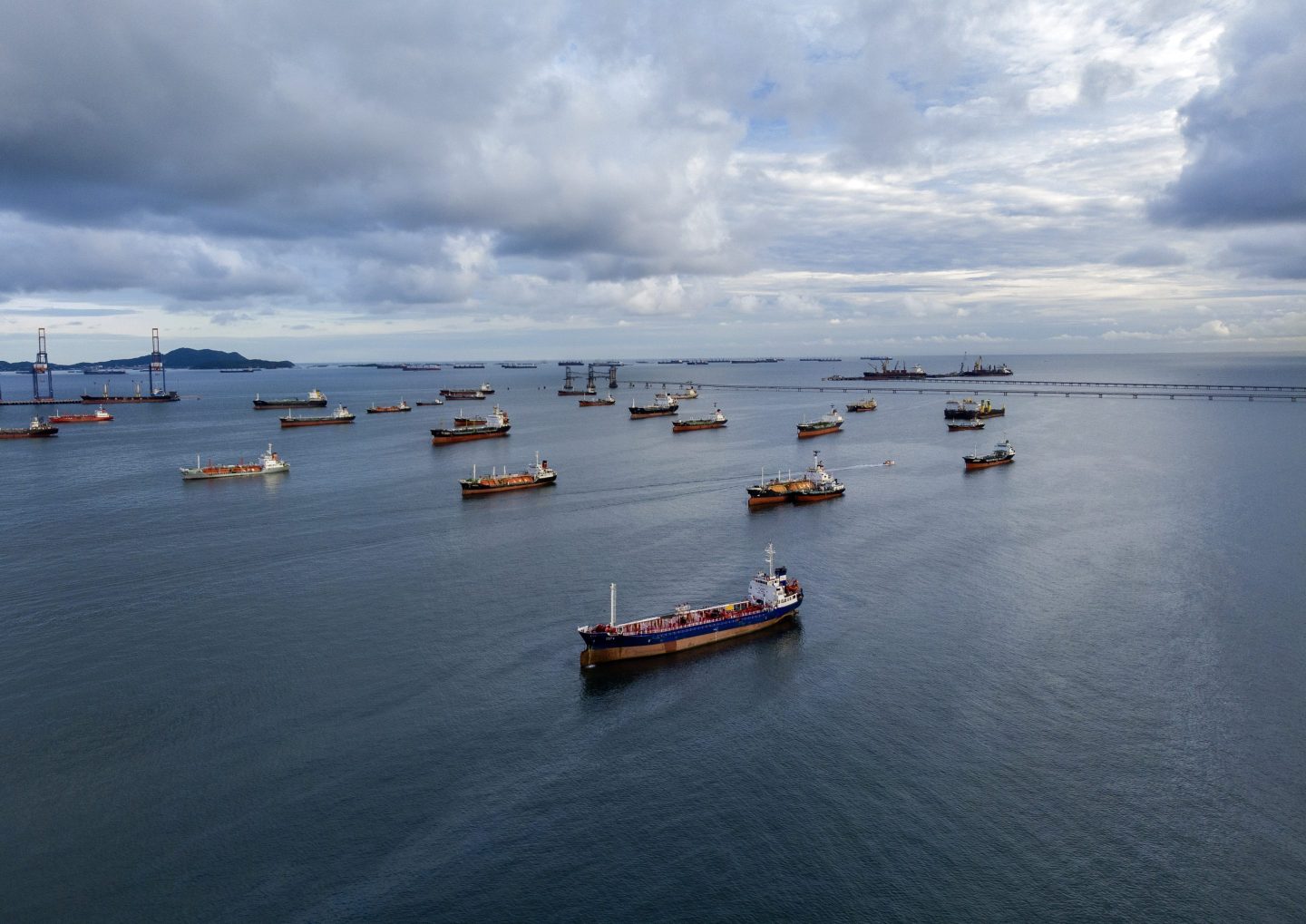
Only five ships crossed the Strait of Hormuz Thursday, far below Iran’s pledge as negotiations begin
EnergyIran
Only five ships crossed the Strait of Hormuz Thursday, far below Iran’s pledge as negotiations begin
By Eva RoytburgApril 9, 2026
3 hours ago
7 best debt relief companies 2026
Personal FinanceLoans
7 best debt relief companies 2026
By Joseph HostetlerApril 9, 2026
3 hours ago
iran
EnergyFood and drink
A global food emergency: Why the closed Strait of Hormuz puts half the world’s calories at risk
By Aya S. Chacar and The ConversationApril 9, 2026
6 hours ago
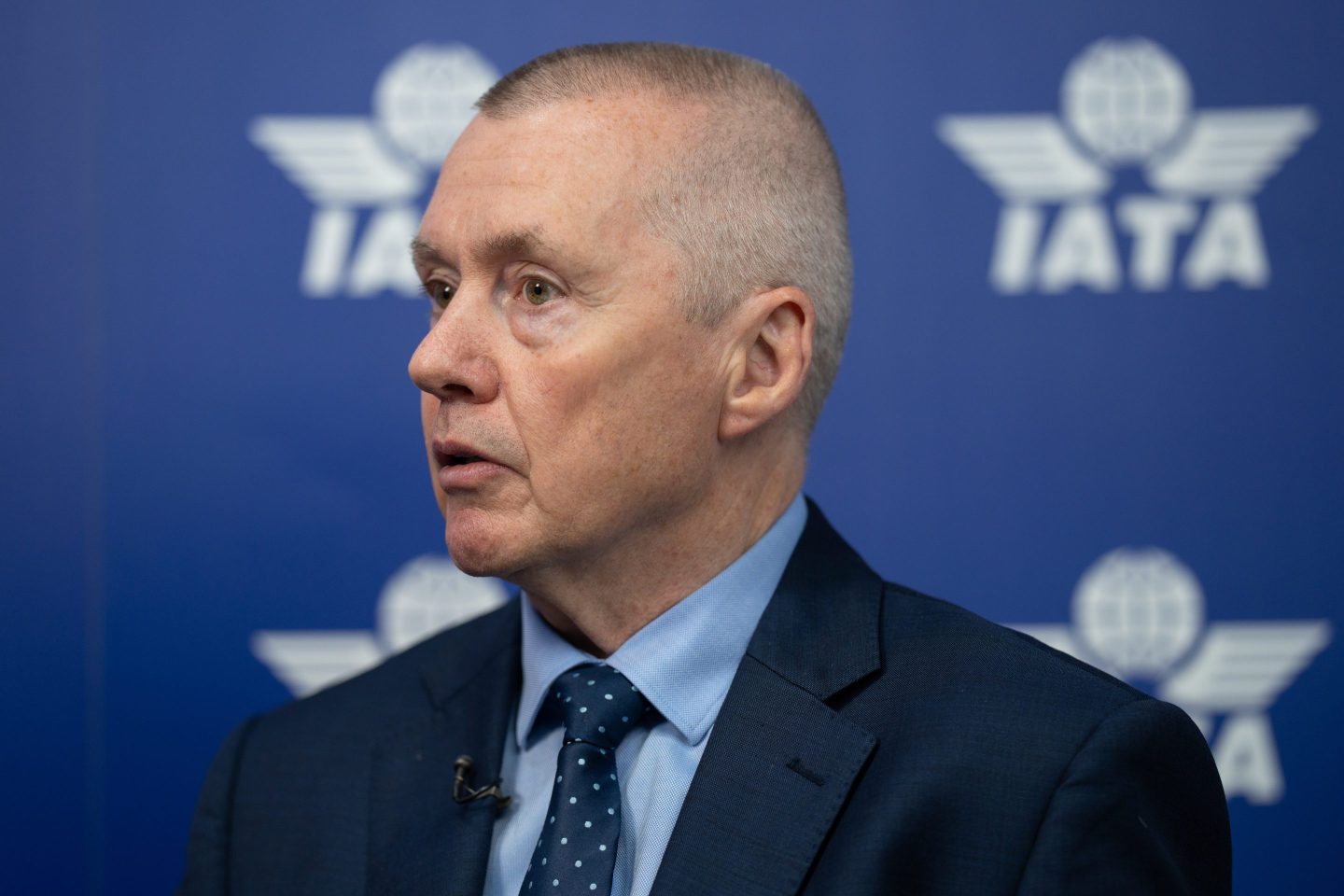
Willie Walsh, wearing a blue suit, looks to his right with his mouth slightly open.
EnergyAviation
Jet fuel supply disruptions are comparable to 9/11 and could take months to replenish even if Hormuz Strait is reopening, airline trade group warns
By Sasha RogelbergApril 9, 2026
6 hours ago
erewhon
EconomyFood and drink
Americans hate the economy so much, they’re buying $22 smoothies
By Yuanyuan (Gina) Cui, Patrick Van Esch and The ConversationApril 9, 2026
6 hours ago

Most Popular

U.S. government is spending $88 billion a month in interest on national debt—equal to spending on defense and education combined
Economy
U.S. government is spending $88 billion a month in interest on national debt—equal to spending on defense and education combined
By Fortune EditorsApril 9, 2026
11 hours ago
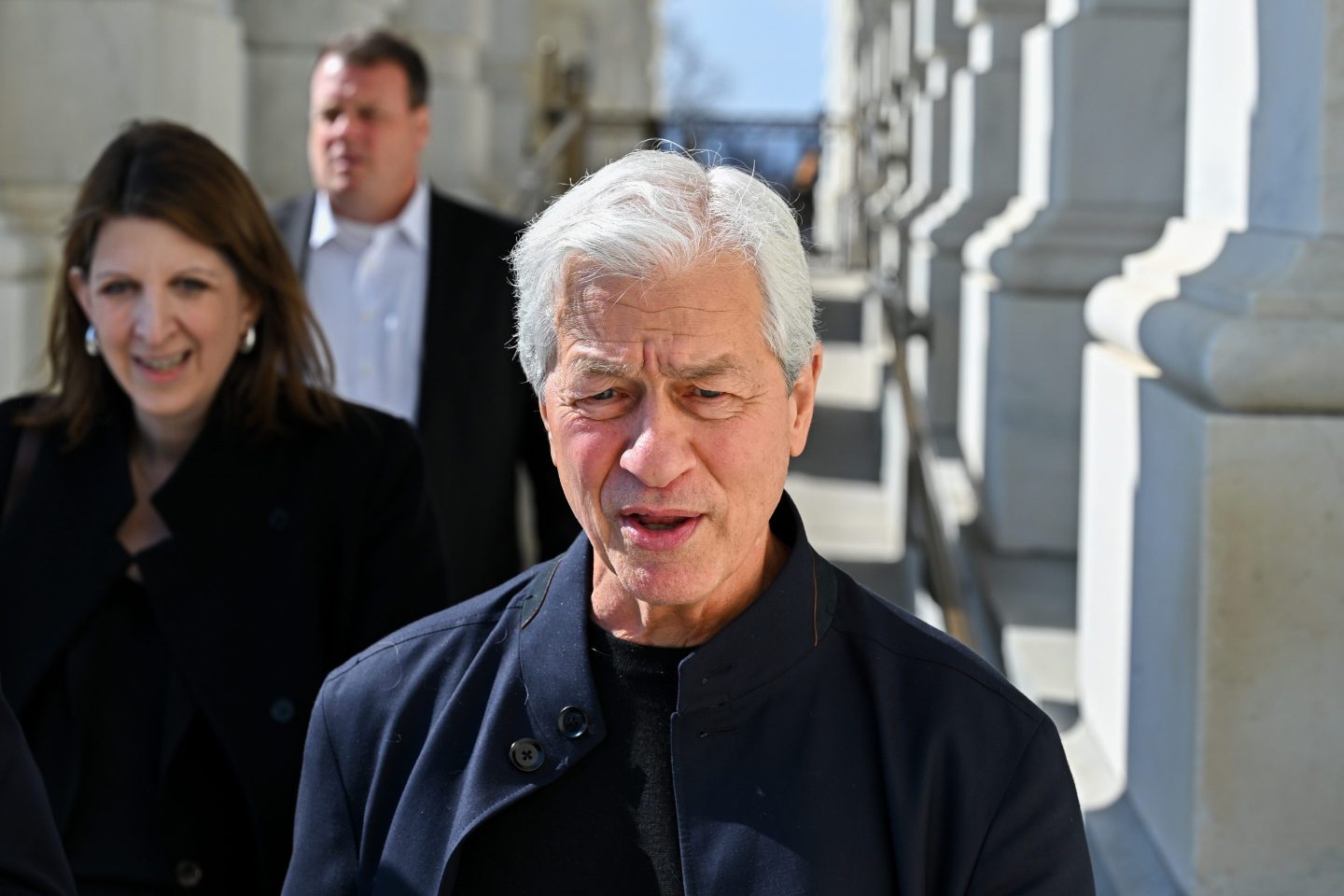
The U.S. had a national debt ‘home run’ in its grasp, says Jamie Dimon. But the government did nothing, and now its best option is crisis management
Economy
The U.S. had a national debt ‘home run’ in its grasp, says Jamie Dimon. But the government did nothing, and now its best option is crisis management
By Fortune EditorsApril 8, 2026
1 day ago
2 years ago, Saudi Arabia quietly canceled the ‘petrodollar’ deal with America that wired the world economy for 50 years. Then war broke out in Iran
Energy
2 years ago, Saudi Arabia quietly canceled the ‘petrodollar’ deal with America that wired the world economy for 50 years. Then war broke out in Iran
By Fortune EditorsApril 7, 2026
2 days ago
Self-made billionaire MrBeast says his work-life balance is nonexistent and calls it a ‘miracle’ if he works less than 15-hour days: ‘I live to work’
Success
Self-made billionaire MrBeast says his work-life balance is nonexistent and calls it a ‘miracle’ if he works less than 15-hour days: ‘I live to work’
By Fortune EditorsApril 8, 2026
1 day ago
Gen Z workers are so fearful AI will take their job they’re intentionally sabotaging their company’s AI rollout
AI
Gen Z workers are so fearful AI will take their job they’re intentionally sabotaging their company’s AI rollout
By Fortune EditorsApril 8, 2026
1 day ago
Gen Z doesn't want your full-time job. They want several part-time roles, and it's reshaping the entire workforce
Success
Gen Z doesn't want your full-time job. They want several part-time roles, and it's reshaping the entire workforce
By Fortune EditorsApril 9, 2026
15 hours ago

© 2026 Fortune Media IP Limited. All Rights Reserved. Use of this site constitutes acceptance of our Terms of Use and Privacy Policy | CA Notice at Collection and Privacy Notice | Do Not Sell/Share My Personal Information
FORTUNE is a trademark of Fortune Media IP Limited, registered in the U.S. and other countries. FORTUNE may receive compensation for some links to products and services on this website. Offers may be subject to change without notice.