• Home
  • News
  • Fortune 500
  • Tech
  • Finance
  • Leadership
  • Lifestyle
  • Rankings
  • Multimedia
HealthCoronavirus

COVID vaccine recipients may still be infectious. When will we know for sure?

By
David Z. Morris
David Z. Morris
Down Arrow Button Icon
By
David Z. Morris
David Z. Morris
Down Arrow Button Icon
December 22, 2020, 11:47 AM ET

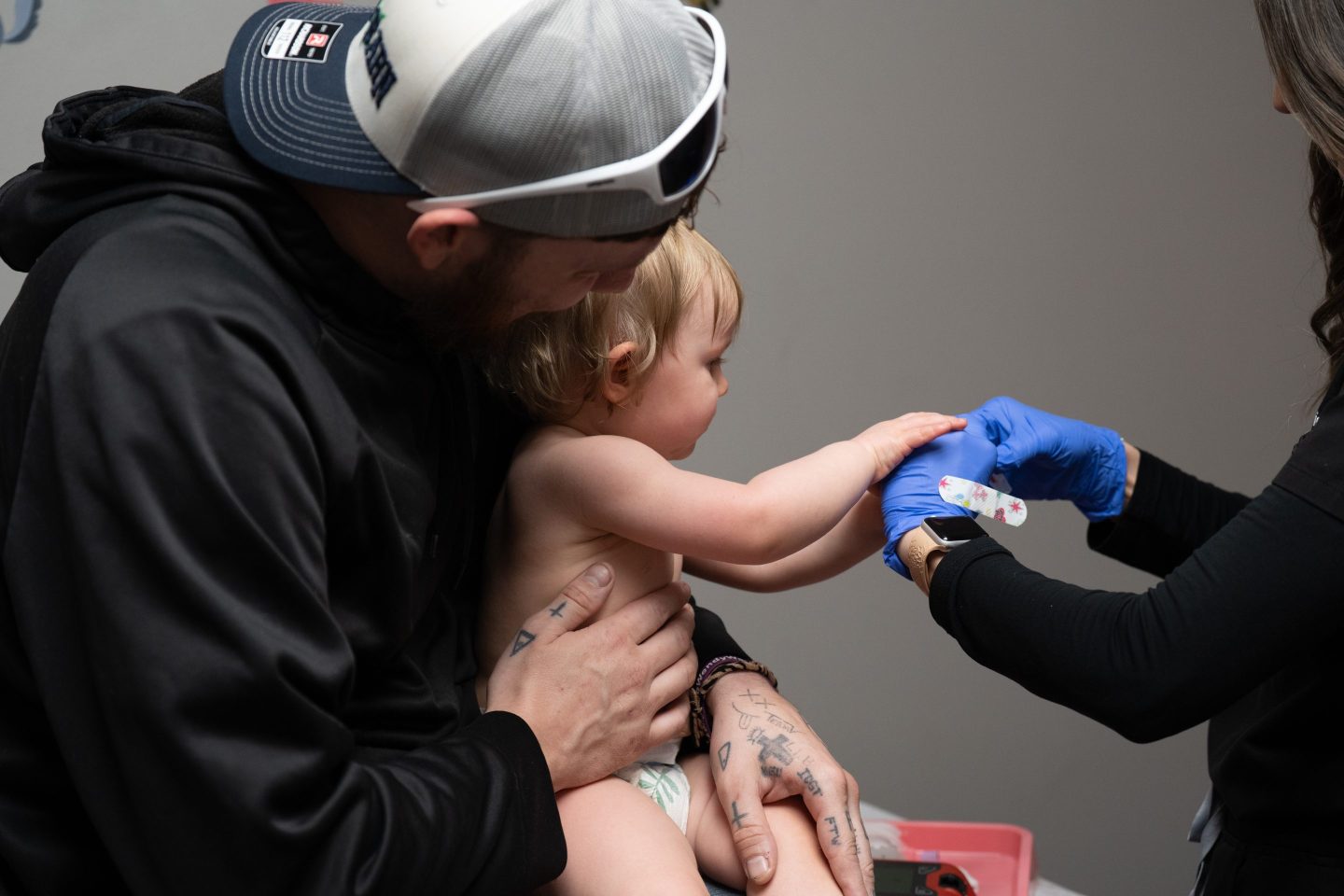
It’s surprising, but experts agree: The tens of thousands of people being vaccinated against the coronavirus right now may still be able to carry and transmit the SARS-CoV-2 virus to others, despite being well-protected against the symptoms of COVID-19 themselves. That means they must still wear masks and practice social distancing to protect those around them.

“We still have yet to learn how much infectivity is impacted by vaccination, thereby producing protection for those I am in contact with, not just for myself, when I receive a vaccine,” says Dr. Janet Baseman, a public health expert at the University of Washington.

This uncertainty is a consequence of the extremely rapid vaccine development process. Normally, a vaccine trial would observe recipients of a vaccine for a longer period of time, showing not just whether they became ill, but whether they spread contagion, before a vaccine entered wide use. While it’s likely that the various coronavirus vaccine candidates provide at least some reduction in transmission, it’s simply too soon to know for sure, or to what degree.

The science behind this seeming contradiction is relatively straightforward. Vaccines like Pfizer’s and Moderna’s are injected into deep muscle and provide so-called systemic immunity. But they may still leave areas, particularly nasal mucous passages, where the virus is relatively free to multiply. Even without making the host sick, that virus can then potentially spread through coughing or sneezing, just as it is spread by a person with a full-blown coronavirus infection.

“Having systemic immunity is like having a security guard that’s somewhere in the building,” says Joshua Michaud, an epidemiologist at KFF (formerly the Kaiser Family Foundation). “Having mucosal immunity is like having a security guard right at the door, ready to take on the incoming virus.”

It could take researchers months to determine just where that viral security guard is stationed, because it requires monitoring people who have already been vaccinated. According to Baseman, a study focusing on vaccinated people “with high levels of mixing and high risk of transmission,” such as college students, could provide faster data on post-vaccination transmission. Michaud expects focused transmission studies to be conducted in “the coming weeks and months.”

Insight on the question will also come through ongoing vaccine trials. Though both Pfizer’s and Moderna’s vaccines have been approved for emergency use by health authorities such as the U.S. FDA, the drugmakers are continuing the standard trials that should lead to permanent approval.

“Our trial will continue to determine the full protection and potential of the vaccine,” including transmission after vaccination, according to a Pfizer spokesperson.

But until long-term trial data or other experimental results are released, post-vaccine infectivity will be made clear only by measuring the spread of the coronavirus through populations with high vaccination levels. If the spread slows, it will demonstrate that transmission is lowered by vaccination. But it is expected to take much of 2021 to reach high levels of vaccination even in countries at the front of the line, so that approach could take the better part of a year.

According to the FDA, most vaccines that protect from viral illnesses also reduce viral transmission by those who are vaccinated, and there is reason for optimism that the current wave of COVID vaccines will, as well. Most notably, Moderna’s vaccine trial showed some reduction in asymptomatic infections as measured through nasal swabs, which could suggest reduced transmission after vaccination. Dr. Eric Topol of the Scripps Research Translational Institute has described those findings as inconclusive, but promising on the question of post-vaccine transmission.

Until more conclusive data arrives, though, the message from health authorities is clear: Even after you’ve been vaccinated, don’t toss that face mask.


About the Author
By David Z. Morris
See full bioRight Arrow Button Icon

Latest in Health

Workplace CultureSports
Exclusive: Billionaire Michele Kang launches $25 million U.S. Soccer institute that promises to transform the future of women’s sports
By Emma HinchliffeDecember 2, 2025
13 hours ago
North Americaphilanthropy
Anonymous $50 million donation helps cover the next 50 years of tuition for medical lab science students at University of Washington
By The Associated PressDecember 2, 2025
18 hours ago
Trump
PoliticsWhite House
Trump had MRI on heart and abdomen and it was ‘perfectly normal,’ doctor says
By The Associated PressDecember 2, 2025
19 hours ago
Medical Glasses
InnovationNews
New FDA-approved glasses can slow nearsightedness in kids
By The Associated Press and Matthew PerroneDecember 1, 2025
1 day ago
Luigi Mangione
LawNews
Luigi Mangione watches footage of cops approaching him at Altoona McDonald’s as courtroom hearings commence
By Michael R. Sisak and The Associated PressDecember 1, 2025
2 days ago
Our testers trying out a Nectar mattress.
Healthmattresses
Best Cyber Monday Mattress Deals of 2025: Saatva, Helix, and More
By Christina SnyderDecember 1, 2025
2 days ago

Most Popular

placeholder alt text
Economy
Ford workers told their CEO 'none of the young people want to work here.' So Jim Farley took a page out of the founder's playbook
By Sasha RogelbergNovember 28, 2025
5 days ago
placeholder alt text
Success
Warren Buffett used to give his family $10,000 each at Christmas—but when he saw how fast they were spending it, he started buying them shares instead
By Eleanor PringleDecember 2, 2025
21 hours ago
placeholder alt text
Economy
Elon Musk says he warned Trump against tariffs, which U.S. manufacturers blame for a turn to more offshoring and diminishing American factory jobs
By Sasha RogelbergDecember 2, 2025
15 hours ago
placeholder alt text
C-Suite
MacKenzie Scott's $19 billion donations have turned philanthropy on its head—why her style of giving actually works
By Sydney LakeDecember 2, 2025
22 hours ago
placeholder alt text
North America
Jeff Bezos and Lauren Sánchez Bezos commit $102.5 million to organizations combating homelessness across the U.S.: ‘This is just the beginning’
By Sydney LakeDecember 2, 2025
16 hours ago
placeholder alt text
AI
More than 1,000 Amazon employees sign open letter warning the company's AI 'will do staggering damage to democracy, our jobs, and the earth’
By Nino PaoliDecember 2, 2025
23 hours ago
Rankings
  • 100 Best Companies
  • Fortune 500
  • Global 500
  • Fortune 500 Europe
  • Most Powerful Women
  • Future 50
  • World’s Most Admired Companies
  • See All Rankings
Sections
  • Finance
  • Leadership
  • Success
  • Tech
  • Asia
  • Europe
  • Environment
  • Fortune Crypto
  • Health
  • Retail
  • Lifestyle
  • Politics
  • Newsletters
  • Magazine
  • Features
  • Commentary
  • Mpw
  • CEO Initiative
  • Conferences
  • Personal Finance
  • Education
Customer Support
  • Frequently Asked Questions
  • Customer Service Portal
  • Privacy Policy
  • Terms Of Use
  • Single Issues For Purchase
  • International Print
Commercial Services
  • Advertising
  • Fortune Brand Studio
  • Fortune Analytics
  • Fortune Conferences
  • Business Development
About Us
  • About Us
  • Editorial Calendar
  • Press Center
  • Work At Fortune
  • Diversity And Inclusion
  • Terms And Conditions
  • Site Map

© 2025 Fortune Media IP Limited. All Rights Reserved. Use of this site constitutes acceptance of our Terms of Use and Privacy Policy | CA Notice at Collection and Privacy Notice | Do Not Sell/Share My Personal Information
FORTUNE is a trademark of Fortune Media IP Limited, registered in the U.S. and other countries. FORTUNE may receive compensation for some links to products and services on this website. Offers may be subject to change without notice.