The U.S. government is loaning legendary camera maker Eastman Kodak $765 million to start manufacturing pharmaceutical products in a bid to increase U.S. self-sufficiency in response to the coronavirus pandemic, the company announced Tuesday.
Kodak chief executive Jim Continenza told the Wall Street Journal that pharmaceutical ingredient production will eventually make up 30% to 40% of Kodak’s business.
Shares in Kodak more than tripled after the government loan announcement, pushing the firm’s market value from $115 million to $347 million by close on Tuesday, the stock’s best performance day ever.
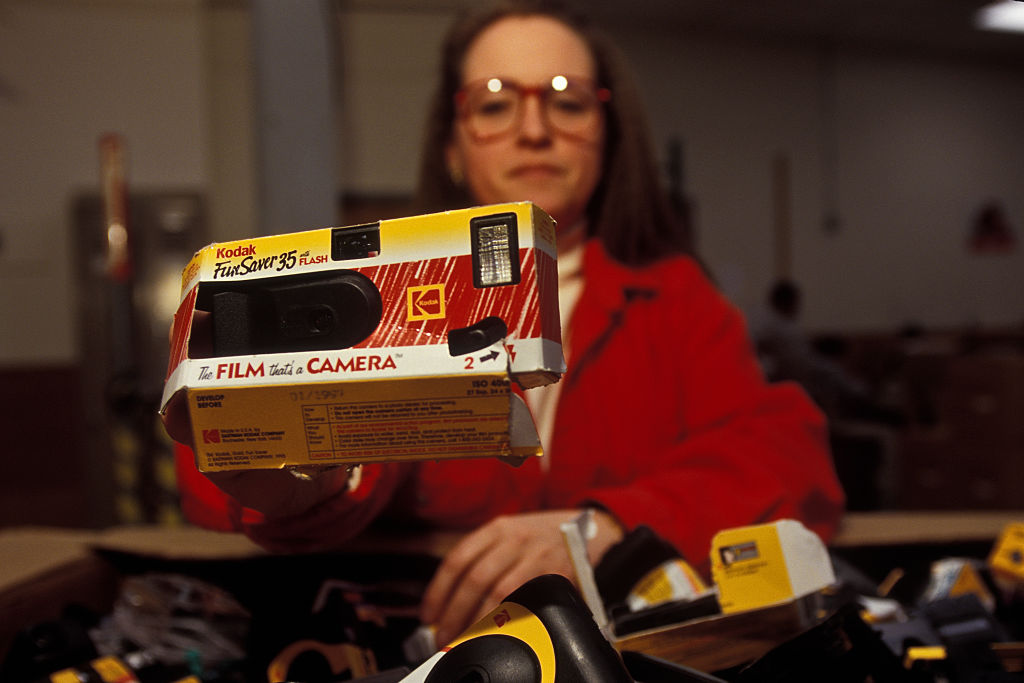
In its leap from film and imaging to pharmaceutical production, Kodak follows the path of its erstwhile rival, Japan’s Fujifilm Holdings Corp. The two companies formed a near-duopoly on film photography for much of the 20th century, but Fujifilm has so far proved far more adept at reinventing itself than its American counterpart.
A Kodak engineer invented the first digital camera in 1975, but the company failed to recognize the technology’s potential. Fujifilm was quicker to pivot to digital, introducing the world’s first digital portable camera in 1988, and the Japanese firm was faster to diversify away from photographic film.
Fujifilm is also several steps ahead of Kodak in the pharmaceutical realm. Health care and material solutions made up 43% of Fujifilm’s total revenue in 2019, and the company aims to double its health care sector sales over the next few years.
The company acquired a medical diagnostic imaging company as early as 1986. Since then, Fujifilm has acquired several more pharmaceutical and biotechnology companies and fashioned itself into a major producer of medical equipment and drugs.
In 2006, it bought the company that became the drugmaker Fujifilm Toyama Chemical, which developed the antiviral Avigan, an early contender in the race to develop a COVID-19 treatment. (Inconclusive clinical studies earlier this month have dampened enthusiasm for Avigan, however.)
Fujifilm Diosynth Biotechnologies, a pharmaceutical manufacturer that Fujifilm acquired in 2013, announced on Monday that its Texas site will support production of a coronavirus vaccine candidate as part of Operation Warp Speed, a U.S. government COVID-19 vaccine development program.
Kodak, which dominated cameras and photographic film in the U.S. for decades, filed for bankruptcy protection in 2012 after years of struggling to adapt to changes in the industry. It rebranded as a technology company focused on printing and imaging for businesses after coming out of bankruptcy in 2013.
That both firms have pivoted from film to pharmaceuticals is not coincidence. Each firm says its experience manufacturing film and other photography products lends itself to drugmaking.
Continenza told the Wall Street Journal that Kodak has a “long, long history in chemical and advanced materials” and said the company’s existing infrastructure will enable Kodak Pharmaceuticals “to get up and running quickly.”
Fujifilm, which launched its campaign to become a “total health care company” years before Kodak ventured into the space, has linked its history in photography to its success in pharmaceuticals. Fujifilm’s drug development efforts apply “proprietary technologies harnessed through Fujifilm’s long-standing operations in photographic films,” according to its website.
White House adviser Peter Navarro said the pandemic has revealed the U.S. to be “dangerously dependent on foreign supply chains” for essential drugs, and called the Kodak deal “a huge step forward towards American pharmaceutical independence.”
China is currently the world’s largest supplier of pharmaceutical ingredients, the active compounds used to make drugs, and U.S. imports from China have increased in recent years.
More must-read international coverage from Fortune:
- Microsoft could face EU antitrust showdown as Slack complains about Teams bundling
- 6 ways TikTok is countering political scrutiny—and a potential ban—in the U.S.
- Why the world’s most valuable unicorn is shunning a U.S. IPO
- Taxi drivers want to know what Uber’s algorithms know, and they’re willing to appeal to EU privacy law to find out
- No one tried to protect the U.K.’s Brexit referendum from Russian interference, long-awaited report shows





