• Home
  • Latest
  • Fortune 500
  • Finance
  • Tech
  • Leadership
  • Lifestyle
  • Rankings
  • Multimedia
CommentaryAmazon

Three questions lawmakers should ask Amazon’s Jeff Bezos

By
Michael Zucker
Michael Zucker
Down Arrow Button Icon
By
Michael Zucker
Michael Zucker
Down Arrow Button Icon
July 29, 2020, 5:00 AM ET
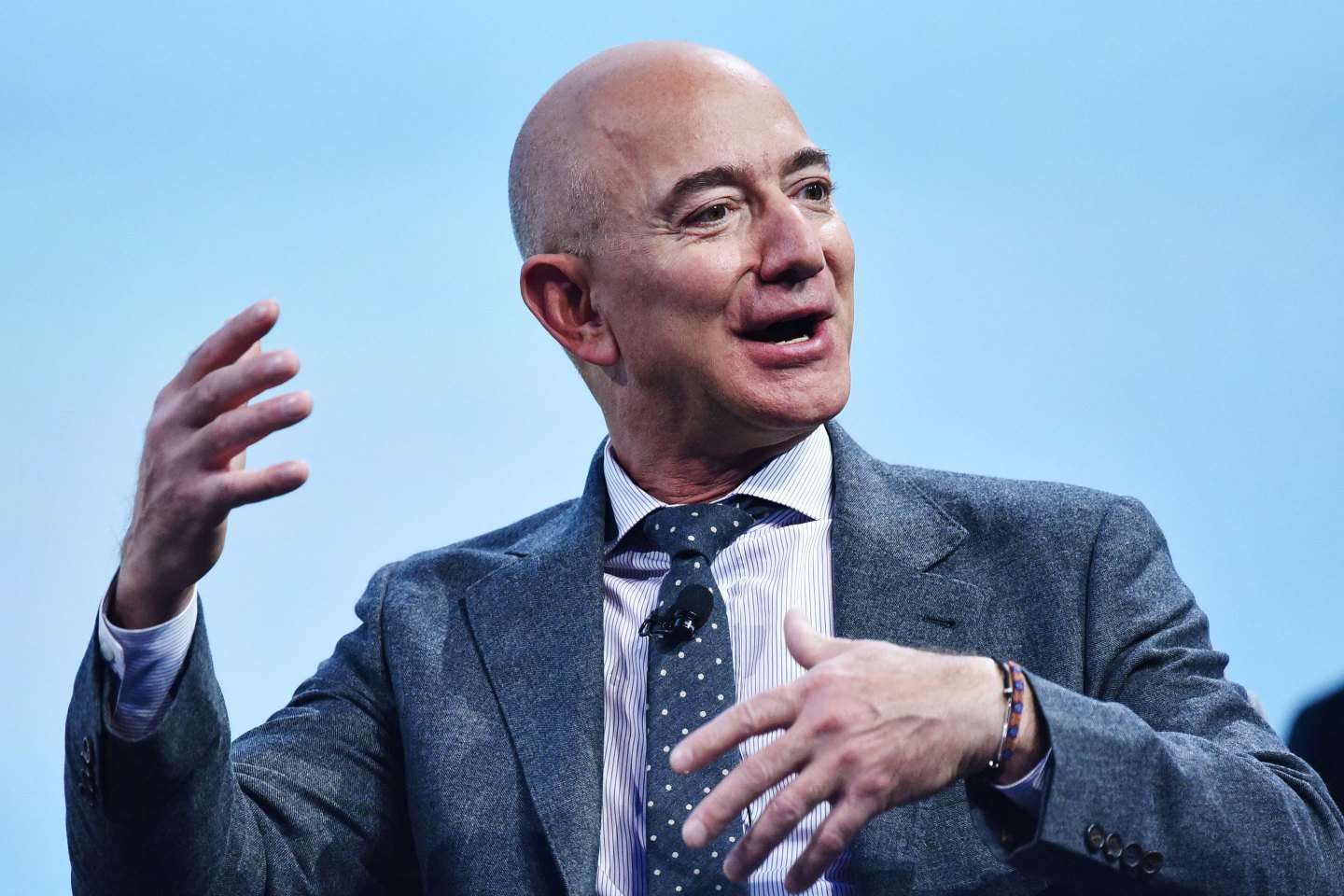
Amazon's Jeff Bezos
Ahead of big tech's congressional hearing, tech experts predict Facebook's and Amazon's fates.Mandel Ngan—AFP via Getty Images

Wednesday marks the first-ever congressional appearance of Jeff Bezos, CEO of Amazon.com and the wealthiest person in the world. Today, five months since the COVID-19 pandemic shut down large segments of the economy, Amazon reaches into 82% of U.S. households through its Prime membership service; holds an approximately 40% share of retail e-commerce, a market that grew as much this April as it had over the previous five years combined; and directly employs more than one-third of all warehousing and storage workers in the country. 

Last week, a group of some of the country’s largest labor unions, including the Teamsters, the United Food and Commercial Workers, the Communications Workers of America, and the Change to Win coalition (of which I am the director), asked the Federal Trade Commission to take urgent antitrust enforcement action against Amazon, based on new evidence that suggests the company is using COVID-19 to further entrench its power. Lawmakers, too, must call Mr. Bezos to account for the anticompetitive practices that have made Amazon so dominant, and which harm workers, consumers, and small businesses. 

Here’s what they should ask him. 

Why did Amazon, as a retailer in direct competition with sellers on its Marketplace, assert unilateral power to decide what items sold by those small businesses are “essential” and available to customers, and conceal accurate information about how quickly customers can receive those items?

Because Amazon controls access to almost half the e-commerce market, the businesses that operate as sellers on its Marketplace are acutely vulnerable to the company’s exclusionary conduct. At the height of the pandemic, in March, Amazon used that power to bar sellers of items it deemed “nonessential” from shipping new inventory using Amazon’s fulfillment service, FBA. Amazon employees told Change to Win, and sellers reported on Amazon forums, that the designation of items as “essential” was suspicious, with Amazon promptly shipping its own products, like Kindles, but not some children’s workbooks. When sellers attempted to dispatch “nonessential” items quickly using companies other than Amazon, Amazon falsely represented to customers that seller-shipped items would take much longer to arrive, which cut even more deeply into their sales. (Amazon stated this was “unintentional.”)

When Amazon effectively diverted essential items to its own warehouses at the height of the pandemic, why didn’t the company consider the effect of the diversion on neighborhood stores and their customers?

At the same time as Amazon cut off access to the e-commerce market for some sellers, it increased its “suggested” inventory levels for products it deemed “essential,” according to a report by the nonprofit news organization ProPublica. If sellers did not maintain these levels, Amazon demoted their products in search results and rescinded the “bestseller” label that leads to improved sales. This policy change forced sellers to divert products to Amazon, and away, for example, from neighborhood grocery stores which remained open and were particularly important for customers who could not afford Amazon Prime membership or shipping fees.

Why did Mr. Bezos, as the CEO of one of the world’s largest corporations and one of the nation’s largest employers, and the richest man in modern history, participate in his company’s attempt to crush an organizing effort by workers facing a deadly pandemic?

During the pandemic, the national unemployment rate reached its highest level ever. As the overall labor market contracted, Amazon saw an opportunity. Mr. Bezos posted on Instagram hoping that laid-off workers would take jobs at Amazon, and many of them did: Amazon hired a total of 175,000 new warehousing and storage workers in a matter of months. The company now employs more than a third of all warehousing and storage workers in the country. According to economists, one of the dangers of such a concentrated labor market is that employers will take advantage of their power to suppress wages and worsen working conditions. 

That’s exactly what workers say Amazon is doing. In June, a group of workers from Amazon’s massive Staten Island warehouse filed a lawsuit alleging that Amazon’s pandemic-related safety failures had caused injury and death to employees and their families. The workers drew a direct line between Amazon’s ability to operate when many other employers were not, and its power to threaten them with termination in a job market where it might be impossible for them to find work elsewhere. Mr. Bezos has been personally implicated in such retaliation. According to leaked notes published by the Guardian, he took part in a meeting where top executives focused on attacking the credibility of a single Staten Island worker who was organizing with his colleagues to make their workplace safer. 

Mr. Bezos has a lot to answer for. Amazon’s business model has been raising questions for years, as the company has steadily gained power over our economy and, consequently, our country. The pandemic has shown us how Amazon operates when it is unconstrained by brick-and-mortar competition. The future has arrived, and Congress must demand answers now.

Michael Zucker is the director of Change to Win, a federation of labor unions representing over 4 million working people in the U.S. and Canada across a wide range of industries, including retail and transportation.

More opinion in Fortune:

  • How zoning laws exclude Black families from areas of economic opportunity
  • Nikki Haley and former Walmart U.S. president Bill Simon: The coronavirus makes the case for bringing manufacturing back to America
  • Why brands should use TikTok—even if it’s at risk of being banned
  • The Goya boycott isn’t an example of cancel culture—it’s the free market at work
  • Why unions are crucial to empowering Black workers

About the Author
By Michael Zucker
See full bioRight Arrow Button Icon

Latest in Commentary

Finance
Lorem ipsum dolor sit amet, consectetur adipiscing elit, sed do eiusmod tempor incididunt ut labore et dolore magna aliqua. Ut enim ad minim veniam
By Fortune Editors
October 20, 2025
Finance
Lorem ipsum dolor sit amet, consectetur adipiscing elit, sed do eiusmod tempor incididunt ut labore et dolore magna aliqua. Ut enim ad minim veniam
By Fortune Editors
October 20, 2025
Finance
Lorem ipsum dolor sit amet, consectetur adipiscing elit, sed do eiusmod tempor incididunt ut labore et dolore magna aliqua. Ut enim ad minim veniam
By Fortune Editors
October 20, 2025
Finance
Lorem ipsum dolor sit amet, consectetur adipiscing elit, sed do eiusmod tempor incididunt ut labore et dolore magna aliqua. Ut enim ad minim veniam
By Fortune Editors
October 20, 2025
Finance
Lorem ipsum dolor sit amet, consectetur adipiscing elit, sed do eiusmod tempor incididunt ut labore et dolore magna aliqua. Ut enim ad minim veniam
By Fortune Editors
October 20, 2025
Finance
Lorem ipsum dolor sit amet, consectetur adipiscing elit, sed do eiusmod tempor incididunt ut labore et dolore magna aliqua. Ut enim ad minim veniam
By Fortune Editors
October 20, 2025

Most Popular

Finance
Lorem ipsum dolor sit amet, consectetur adipiscing elit, sed do eiusmod tempor incididunt ut labore et dolore magna aliqua. Ut enim ad minim veniam
By Fortune Editors
October 20, 2025
Finance
Lorem ipsum dolor sit amet, consectetur adipiscing elit, sed do eiusmod tempor incididunt ut labore et dolore magna aliqua. Ut enim ad minim veniam
By Fortune Editors
October 20, 2025
Finance
Lorem ipsum dolor sit amet, consectetur adipiscing elit, sed do eiusmod tempor incididunt ut labore et dolore magna aliqua. Ut enim ad minim veniam
By Fortune Editors
October 20, 2025
Finance
Lorem ipsum dolor sit amet, consectetur adipiscing elit, sed do eiusmod tempor incididunt ut labore et dolore magna aliqua. Ut enim ad minim veniam
By Fortune Editors
October 20, 2025
Finance
Lorem ipsum dolor sit amet, consectetur adipiscing elit, sed do eiusmod tempor incididunt ut labore et dolore magna aliqua. Ut enim ad minim veniam
By Fortune Editors
October 20, 2025
Finance
Lorem ipsum dolor sit amet, consectetur adipiscing elit, sed do eiusmod tempor incididunt ut labore et dolore magna aliqua. Ut enim ad minim veniam
By Fortune Editors
October 20, 2025
Fortune Secondary Logo
Rankings
  • 100 Best Companies
  • Fortune 500
  • Global 500
  • Fortune 500 Europe
  • Most Powerful Women
  • Future 50
  • World’s Most Admired Companies
  • See All Rankings
Sections
  • Finance
  • Fortune Crypto
  • Features
  • Leadership
  • Health
  • Commentary
  • Success
  • Retail
  • Mpw
  • Tech
  • Lifestyle
  • CEO Initiative
  • Asia
  • Politics
  • Conferences
  • Europe
  • Newsletters
  • Personal Finance
  • Environment
  • Magazine
  • Education
Customer Support
  • Frequently Asked Questions
  • Customer Service Portal
  • Privacy Policy
  • Terms Of Use
  • Single Issues For Purchase
  • International Print
Commercial Services
  • Advertising
  • Fortune Brand Studio
  • Fortune Analytics
  • Fortune Conferences
  • Business Development
  • Group Subscriptions
About Us
  • About Us
  • Editorial Calendar
  • Press Center
  • Work At Fortune
  • Diversity And Inclusion
  • Terms And Conditions
  • Site Map
  • About Us
  • Editorial Calendar
  • Press Center
  • Work At Fortune
  • Diversity And Inclusion
  • Terms And Conditions
  • Site Map
  • Facebook icon
  • Twitter icon
  • LinkedIn icon
  • Instagram icon
  • Pinterest icon

Latest in Commentary

peter
CommentaryPatents and Trademarks
Former Trump official: the U.S. can win the AI race — if it gets patent policy right
By Laura PeterMarch 29, 2026
4 minutes ago
dog
Commentarycorporate boards of directors
What avalanche safety training can teach corporate boards about bad decisions
By Jane SadowskyMarch 28, 2026
22 hours ago
tomas
CommentaryColleges and Universities
Former Trump advisor: ‘Conservatives’ risk killing America’s golden goose by taxing university research
By Tomas J. PhilipsonMarch 28, 2026
23 hours ago
charles
Commentarybenefits
Your employee benefits package is a hostage situation. Here’s the proof — and the fix
By Charles Edward GehrkeMarch 28, 2026
23 hours ago
hormuz
CommentaryOil
Iran’s Hormuz toll booth points toward an L-shaped price plateau, not the V-shaped recovery traders want
By Siddharth MisraMarch 28, 2026
1 day ago
barlow
CommentaryData centers
Data centers aren’t breaking the grid. A broken grid is
By Brian BarlowMarch 28, 2026
1 day ago

Most Popular

Europe
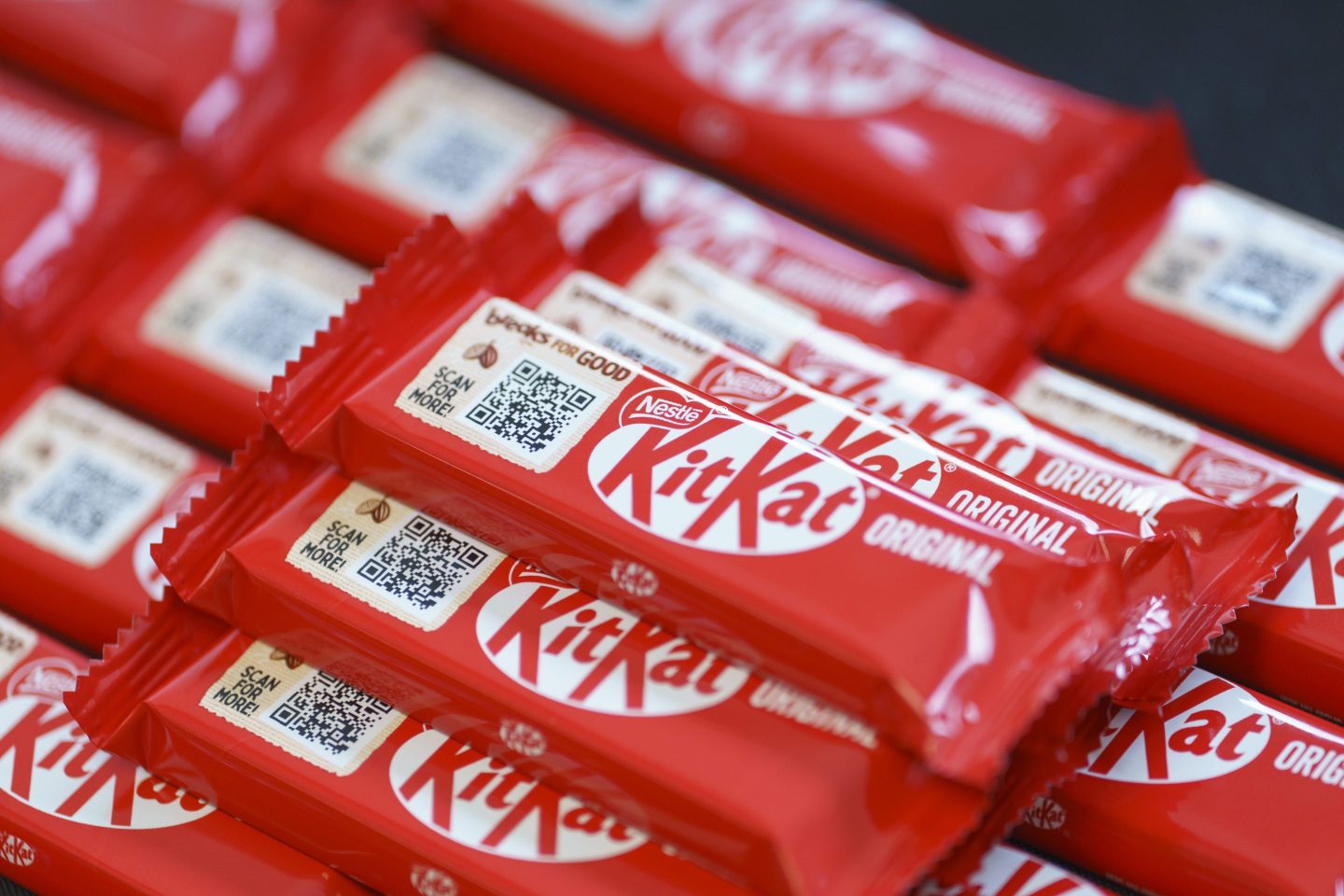
413,793 KitKat bars stolen: 'Whilst we appreciate the criminals’ exceptional taste, the fact remains that cargo theft is an escalating issue'
By Fortune EditorsMarch 28, 2026
13 hours ago
Success
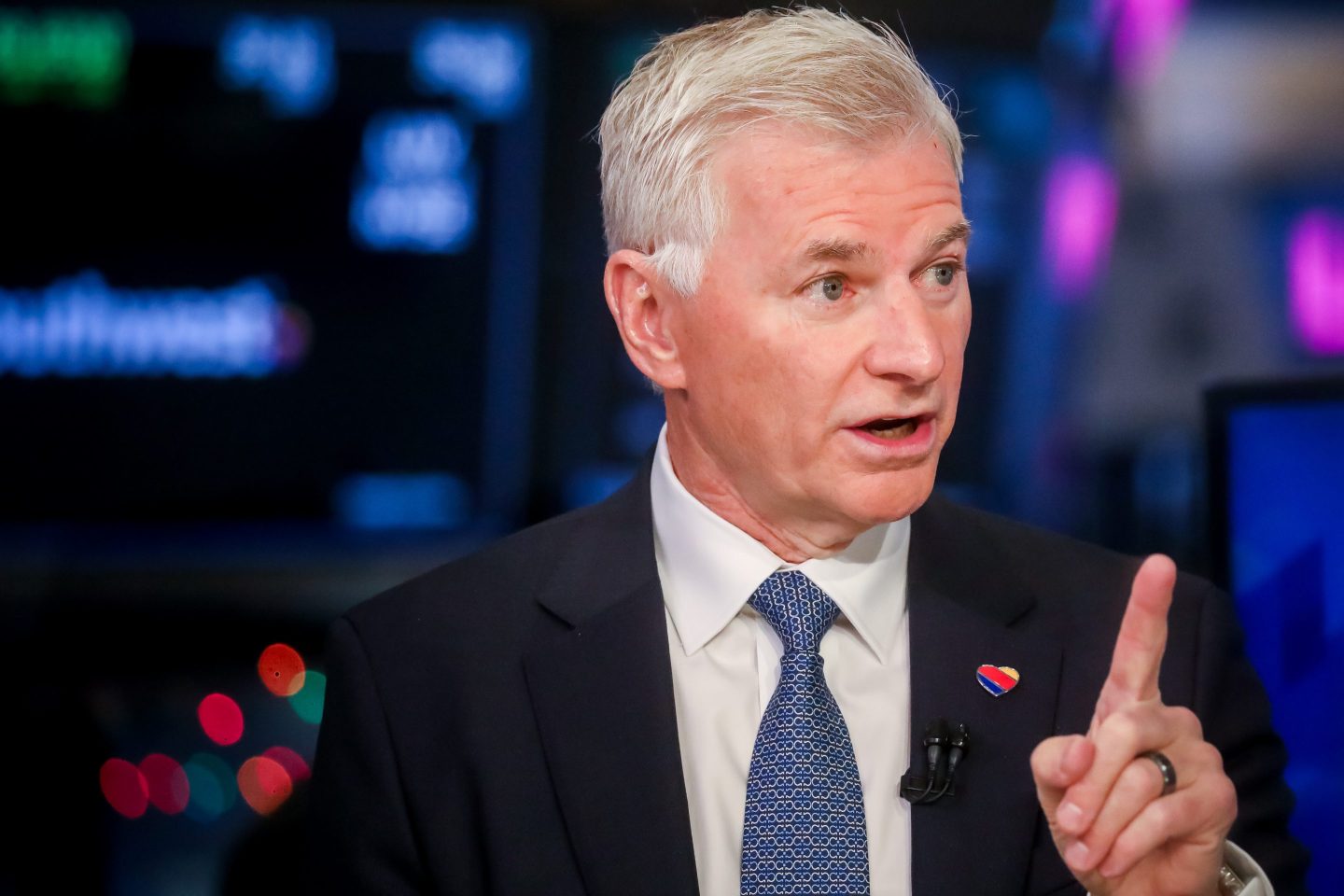
Meetings are not work, says Southwest Airlines CEO—and he’s taking action by blocking his calendar every afternoon from Wednesday to Friday 
By Fortune EditorsMarch 27, 2026
2 days ago
Economy
U.S. debt suddenly draws weaker demand as $10 trillion must be rolled over this year amid Iran war. 'The bond market remains undefeated'
By Fortune EditorsMarch 28, 2026
17 hours ago
Economy
The stay-at-home boyfriend is now an economic trend as more women than men go to work
By Fortune EditorsMarch 28, 2026
22 hours ago
Personal Finance
Current price of gold as of March 27, 2026
By Fortune EditorsMarch 27, 2026
2 days ago
Energy
Saudi pipeline to bypass Hormuz hits 7 million barrel goal
By Fortune EditorsMarch 28, 2026
11 hours ago

© 2026 Fortune Media IP Limited. All Rights Reserved. Use of this site constitutes acceptance of our Terms of Use and Privacy Policy | CA Notice at Collection and Privacy Notice | Do Not Sell/Share My Personal Information
FORTUNE is a trademark of Fortune Media IP Limited, registered in the U.S. and other countries. FORTUNE may receive compensation for some links to products and services on this website. Offers may be subject to change without notice.