Fashion has a major waste problem, and this issue has become more timely than ever as brands scramble to find ways to unload their unsold items as a result of the economic slowdown.
Fashion brand Cuyana believes it is already several steps ahead of the industry when it comes to minimizing waste. The San Francisco label says it produces only what the retailer believes it can sell, resulting in a sell-through rate of 90%, an admirably high figure for the industry. To achieve this, the brand utilizes higher-quality materials to produce designs that are versatile, functional, and (perhaps most importantly) seasonless, making it easier for the brand to roll over excess product to the next quarter or even next year for a longer shelf life.
One of Cuyana’s most lauded qualities is the stronger fabrics used in its clothing compared to its competitors, most especially the durable but softer Pima cotton fibers grown exclusively in northern Peru. Pima cotton is estimated to be 50% longer lasting than standard cotton, and the brand has heavily invested in incorporating Pima cotton into its clothing pieces with the intention that these dresses, shirts, pants, and more will serve as core pieces to be mixed and matched and reused repeatedly in a customer’s day-to-day wardrobe.
With all of this in mind, Cuyana has launched the 100 Days, 50 Wears, 2 Pieces challenge, positing that a customer can successfully and sustainably style oneself through 100 days with just two of the Pima cotton pieces.
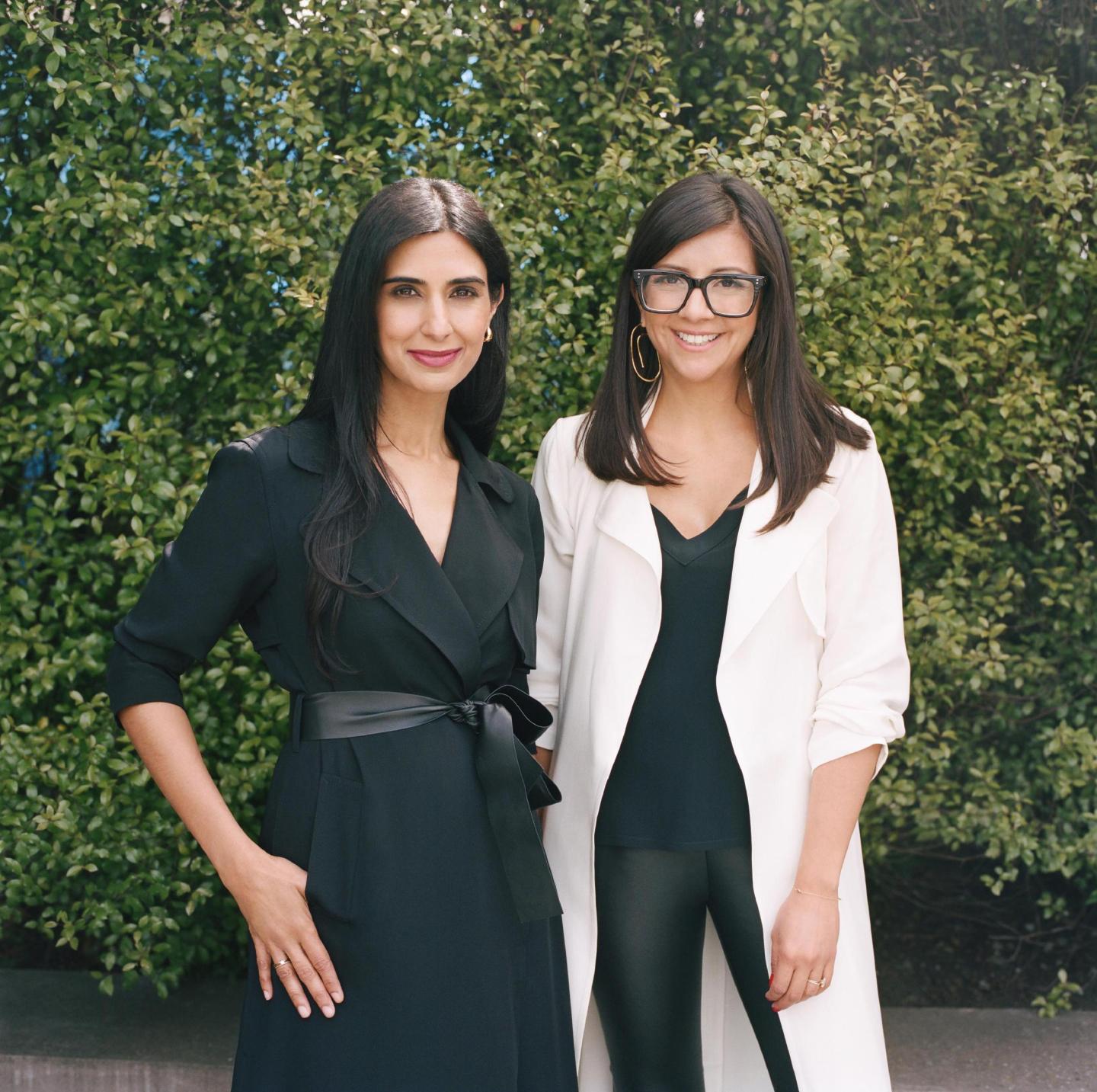
Fortune recently spoke with Cuyana’s cofounders, Karla Gallardo and Shilpa Shah, about their strategies for eliminating fashion waste during the pandemic.
The following interview has been lightly edited for clarity and brevity.
Fortune: Fast fashion, and the waste it has created, was already a huge problem in retail and for the environment well before the pandemic. Over the past several years, Cuyana has built a reputation for higher-quality clothing and accessories at mid-market prices. How does your company stand apart from other retailers in the industry when it comes to fashion waste?
Shah: Cuyana was founded around the idea of “fewer, better,” a philosophy grounded in buying versatile pieces that are made to last for the benefit of increased wearability and decreased waste. Unlike most brands, Cuyana encourages customers to buy less by buying better. Furthermore, our relationship with the product doesn’t end once it’s in our customer’s hands. We ensure that our pieces are worn as much as possible by inspiring new ways to keep our core pieces in rotation, as well as encouraging our customer to extend the product’s life through care instructions and care products.
Given that Cuyana is a fashion brand and clothing retailer, it might seem a bit counterintuitive to encourage consumers to buy fewer clothes, at least from a business standpoint? What inspired the launch of Cuyana’s 100 Days, 50 Wears, 2 Pieces initiative?
Gallardo: The initiative was designed to champion one of Cuyana’s hero materials—Pima cotton—for its quality, versatility, and longevity. With the right inspiration, information, and provocation from Cuyana, a customer can successfully and sustainably style themselves through 100 days with just two Pima pieces. Cuyana created this challenge because the average consumer buys 68 items of clothing per year, but wears each item only an average of seven times before it is discarded. It is no wonder why fashion is a major contributor to climate change.
We find that once a customer purchases their first Cuyana piece and experiences the quality and versatility firsthand, they are quite likely to become a loyal customer who comes back to us over time to build out their wardrobe. By consistently delivering on quality products that can be worn again and again, we are able to build a relationship with our customer and become a go-to source for essentials, which is a large opportunity. Gaining trust and, thus, overall share of wallet in the category of core essentials is always our goal, which is only achieved through staying true to our mission of designing quality products that last.
Amid the current economic downturn, retailers have taken a major hit to their sales streams. At the same time, consumers might be rethinking their purchasing habits, moving away from more cheap buys to favoring investment pieces. What has the pandemic been like for Cuyana?
Gallardo: Like many retailers, especially those who have closed their brick-and-mortar locations, Cuyana has seen a dip in sales with a slow and steady recovery. However, we have found that basics—an area in which Cuyana has a particularly strong presence—is as sought after as ever. Now more than ever, customers are looking for everyday staples that are comfortable, but elevated.
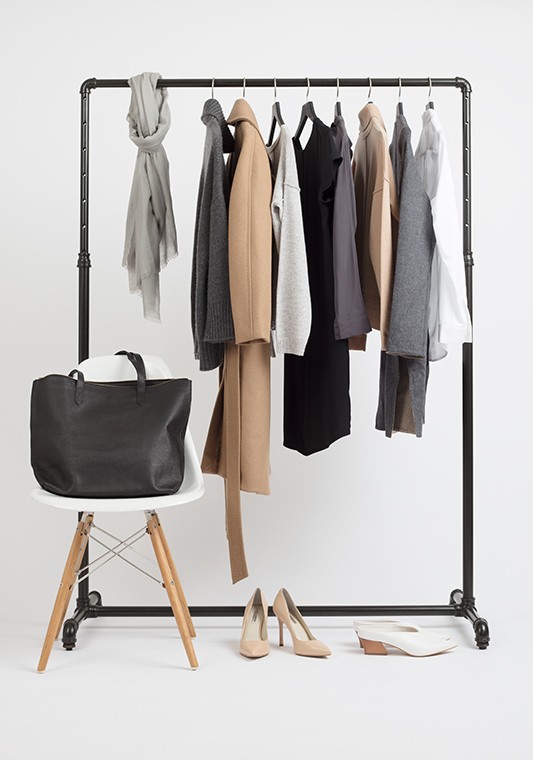
Additionally, we create products with the intent of providing pieces that will transition with our customers as their routines and lifestyles change. Our products marry beauty and functionality in innovative ways. For example, our three-in-one bag can fulfill the role of a clutch, wallet, and waist bag, and our backpack can be worn over the shoulder with a detachable strap. This type of versatility is how we define fewer, better: pieces that last by offering duality.
Looking much further down the road, past the pandemic, what steps can retailers take to ensure a greater commitment to reuse and recycling and pivoting away from fast fashion?
Shah: We think that the pandemic and subsequent slower way of living have shed light on ways we can lead more sustainable lifestyles. A huge problem in the fashion industry is the waste created by brands overbuying inventory. Many brands are incentivized to overbuy relatively inexpensive inventory in order to capture every sale possible. Once they are no longer able to offload it through discounting, they end up simply throwing it away or incinerating it. We find it shocking that through these mechanisms, 60% of garments end up in incinerators or landfills within a year of being made.
Instead of participating in this practice, we buy as close to demand as possible to prevent overproduction, even if that means we sell out quickly on our limited-edition products. Because our business model is focused on core, seasonless styles, we are able to sell most products year-round, as opposed to having to exit (throw away) last season’s unsold items.
Finally, we have an ongoing partnership with H.E.A.R.T. [Helping Ease Abuse Related Trauma, part of the Violence Intervention Program], where we donate any unsold items to women in need. In 2019, we sold through 90% of the products we made, which is very high compared to the industry standard of 60% to 70%. We would encourage every retailer to take a hard look at this metric and find ways that make sense for them to reduce overstock inventory or exit products more sustainably through donation or recycling.