Subscribe to How to Reopen, our weekly newsletter on what it takes to reboot business in the midst of a pandemic.
The British government has finally given in to pressure from the U.S.—and from many members of the ruling Conservative Party—and announced a ban on Huawei’s equipment being included in the country’s 5G networks.
Culture Secretary Oliver Dowden told members of Parliament that “from the end of this year telecoms operators must not buy any 5G equipment from Huawei.” Huawei 5G equipment that has already been installed in the U.K. will have to be removed by 2027.
Dowden said the decision—which is largely the result of U.S. sanctions on Huawei’s supply chain—would mean a delay to the U.K.’s 5G rollout of between two and three years, plus additional costs of up to $2.5 billion. “This has not been an easy decision, but it is the right one,” he said.
Hours before the announcement, it was reported that Huawei’s U.K. chairman would quit the post early. Former BP CEO John Browne—these days known as Lord Browne of Madingley—was due to step down in March next year, but will apparently now exit the post this September instead.
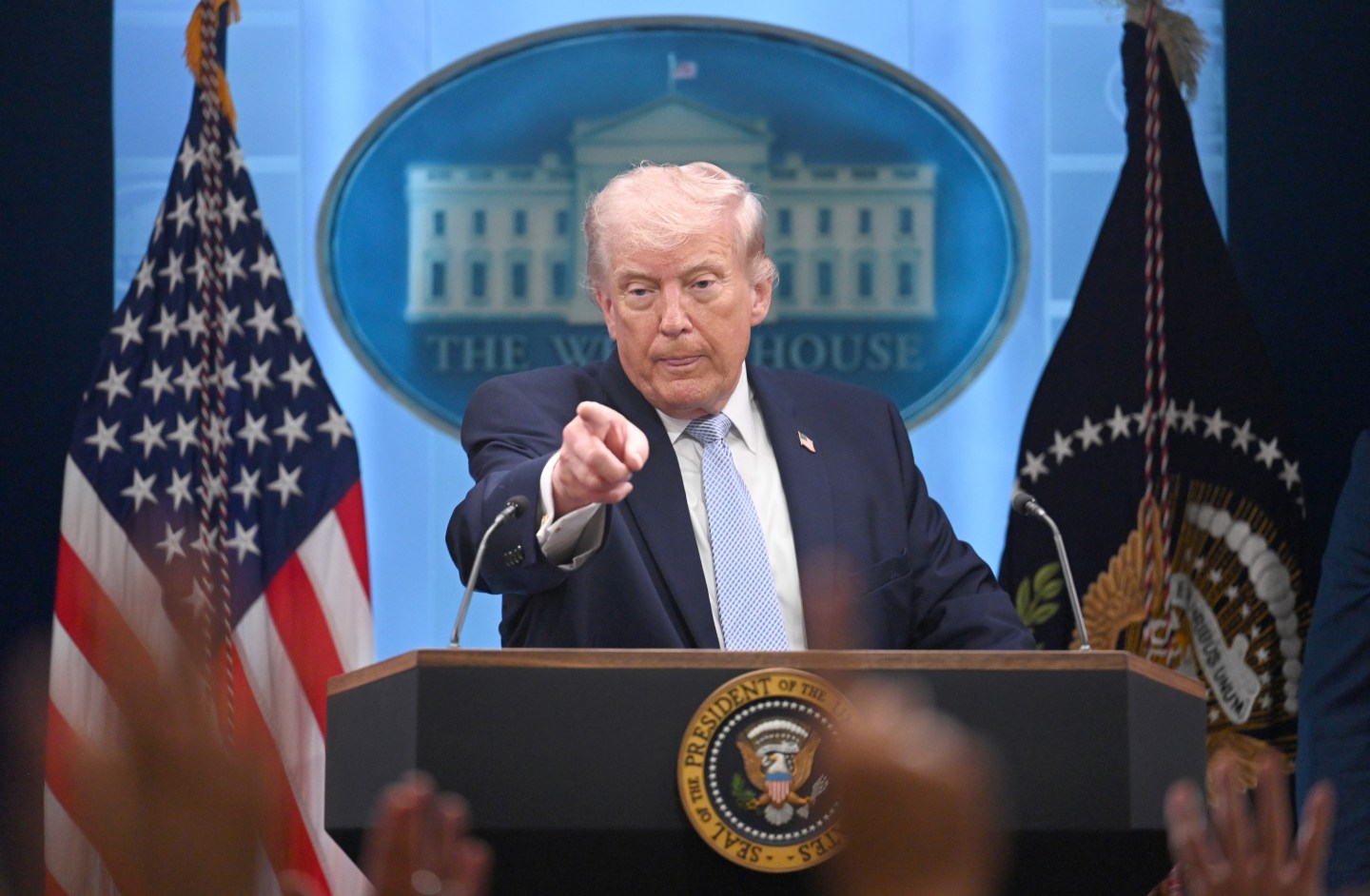
The U.K.’s move will likely please President Donald Trump at a time when the U.K. is desperate to strike a post-Brexit trade deal with the U.S.—while also worsening tensions with China.
The U.S. has for the past couple of years been trying to get its allies to shun Huawei—the world’s biggest telecommunications network vendor—on the basis that its equipment poses a spying risk. In February, the U.S. claimed Huawei is able to access the communications and browsing activities that flow through its equipment, using access mechanisms that are meant only for law enforcement and intelligence agencies.
The fear is that Huawei, whose founder Ren Zhengfei is a veteran of the Chinese army’s engineering division, allows Chinese spies to use its access for nefarious purposes. Huawei’s equipment is of course already widely used around the world, but the new 5G communications standard is intended for adding connectivity to billions of devices ranging from cars to industrial machinery—increasing the potential threat.
The U.K.’s government decided earlier this year that it would allow British telecoms operators to use Huawei’s 5G network equipment, but only for connecting their mobile towers to their core networks—the gear would not be allowed in the core networks themselves, where, in theory, spies with access would be able to scoop up vast amounts of data. There would also be a 35% cap on Huawei’s market share.
The move prompted an angry phone call from U.S. President Donald Trump to British Prime Minister Boris Johnson. It also drew a fair amount of pushback from dozens of Conservative politicians who are increasingly wary of close ties with China, in the context of the latter country’s handling of the coronavirus pandemic.
By May, it was reported that Johnson’s administration was set to change course. One analyst suggested this was because the pandemic had clarified the vital importance of telecommunications networks and their security.
At the same time, the U.K.’s signals intelligence agency, GCHQ, announced that it was initiating a fresh review of Huawei’s role in British 5G networks.
The British equivalent to the U.S.’s National Security Agency (NSA) said it was doing so because of U.S. sanctions against Huawei, which threaten the company’s supply chain by barring its use of semiconductors that are produced using American technology. GCHQ, which has for the past decade had a unique deal with Huawei that lets it examine the company’s equipment to find dangerous flaws, has repeatedly said the equipment is safe enough to use.
Following the review, the agency advised the government this week that it had changed that advice, Dowden said.
Ian Levy, technical director at GCHQ’s cybersecurity division, wrote in a Tuesday blog post that Huawei products designed to bypass the U.S. sanctions were “likely to suffer more security and reliability problems because of the massive engineering challenge ahead of them.”
Tuesday’s U-turn is sure to spark a diplomatic tussle with China, where Huawei is a national corporate champion. Some have gone so far as to predict a U.K.-China trade war.
Relations between the countries are already tense because of the issue of Hong Kong: After Beijing imposed a mainland Chinese national security law on the special administrative region, the British government this month invited nearly 3 million Hong Kongers to take up British citizenship and move to the U.K. The U.K. Foreign Office reportedly expects around 200,000 people in the former British colony to avail themselves of the offer, which President Xi Jinping’s administration has condemned as a “gross interference in China’s internal affairs.”
“This disappointing decision is bad news for anyone in the U.K. with a mobile phone. It threatens to move Britain into the digital slow lane, push up bills, and deepen the digital divide,” Huawei said in a statement. “We remain confident that the new U.S. restrictions would not have affected the resilience or security of the products we supply to the U.K.”