Over the course of the past two years, Clarissa Wei has learned what it takes to become a Chinese opera singer, pushed back against racism-fueled tropes about dog-eating, and traveled to almost every corner of China to meet the people growing, cooking, and sharing what feeds the most populous country on earth.
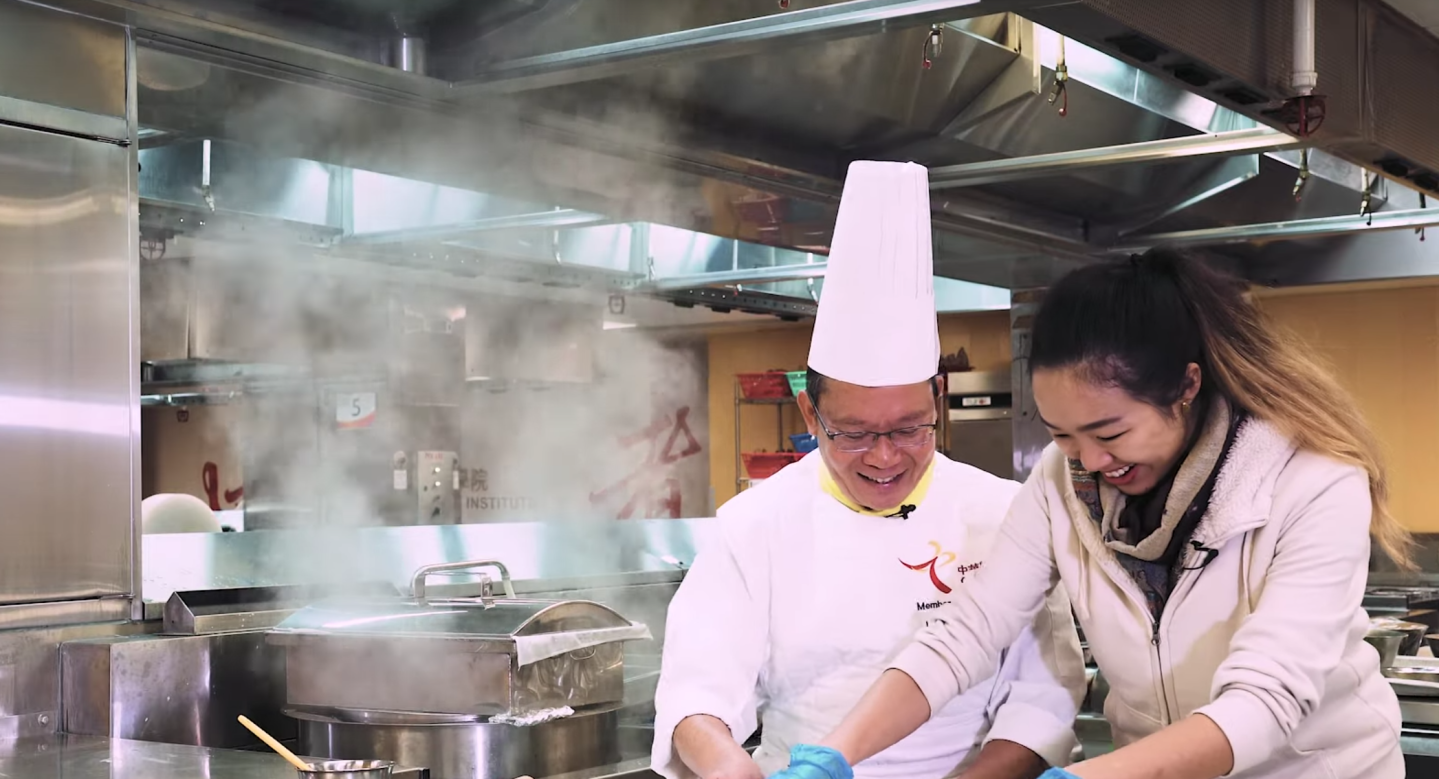
But her most recent video series, Eat China, goes back to basics: a 13-episode introduction to the regional cuisines of four major regions in China in which she gets to tell Americans what she wishes they knew about Chinese food while pickling bamboo in Sichuan, touring a Hong Kong market with a local, and attending dim sum school.
For the American-born producer at Goldthread—Hong Kong–based South China Morning Post’s sub-vertical dedicated to food, culture, and identity—this was a passion project. Wei jokes that she created the back-to-basics series to have something to forward to her friends in the U.S. when they ask her about Chinese food. But in reality, the series fills a knowledge gap about the cuisine without resorting to dumbing anything down or using clichés, which—along with the snappy, fast-moving pace of the four- to eight-minute episodes—makes it intriguing and watchable even for those who already know a fair amount about the cuisine.
The first episode provides an overview of Chinese cuisine, broken down into four regions, then a trio of episodes focus on each region. Each episode comprises an introduction, a food tour guided by a local, and a cooking demonstration.
“There’s been plenty of articles and books,” Wei says about the Chinese food landscape, but few film crews have the budget to go in deep with the kinds of fixers and producers necessary for these. So, with the paper’s backing, Wei took advantage of her position working out of Hong Kong and covered those fixer, writer, producer, and host roles herself.
“Chinese food is nuanced and very dependent on geography,” Wei says. And that’s her top message, if viewers take nothing else away from the series. Wei recently returned from filming in a village in Yunnan that had its own wild greens the locals foraged, while “the neighboring town has no idea what it is.” Even at the province level, she found, it was hard to generalize about Chinese cuisine. In the U.S., the history of immigration spread new ideas and changed cuisines, but in China, she explains, “[the cuisine has] just been rooted in what that village has been producing for hundreds of years.”
The deep knowledge of those villages is a crucial part of Wei’s work in China. “Farm-to-table influencers are becoming so big,” she says of the YouTube and social media stars she films. “Now there are people who can just use the phone and some basic editing software, and they show a glimpse of their daily life, and they’re going viral because we haven’t seen these things before.”
But the difference between the foreign viewers and the Chinese audience, one influencer mentioned, is that the Westerners consider it a sort of fantasy world, while the videos make domestic fans want to go home and spend time with their grandmothers. It has become a major movement, with influencers endorsed by the Chinese government, going on to conduct TED talks and even getting sponsored to go back to their familial villages to properly learn the food.
Producing a program about one culture for a different one, as with Eat China, highlighted another audience difference for Wei. “The biggest challenge was getting sound bites relevant to [foreigners],” she says. In Tianjin, she interviewed a man whose family had been making baos (buns) for hundreds of years, hoping to hear about how he makes them, how he got good at it, and what his struggles were. But he wanted to discuss how many government certificates the company had received.
Still, moments like eating a raw shrimp from the Shanghai market, dressed in fermented tofu—her favorite bite from the show—made the uneven discussion worth it. “I was skeptical, because you don’t eat raw river shrimp here,” she says, but it was tasty and illustrated the hyper-local, hyper-seasonal nature of Chinese food.
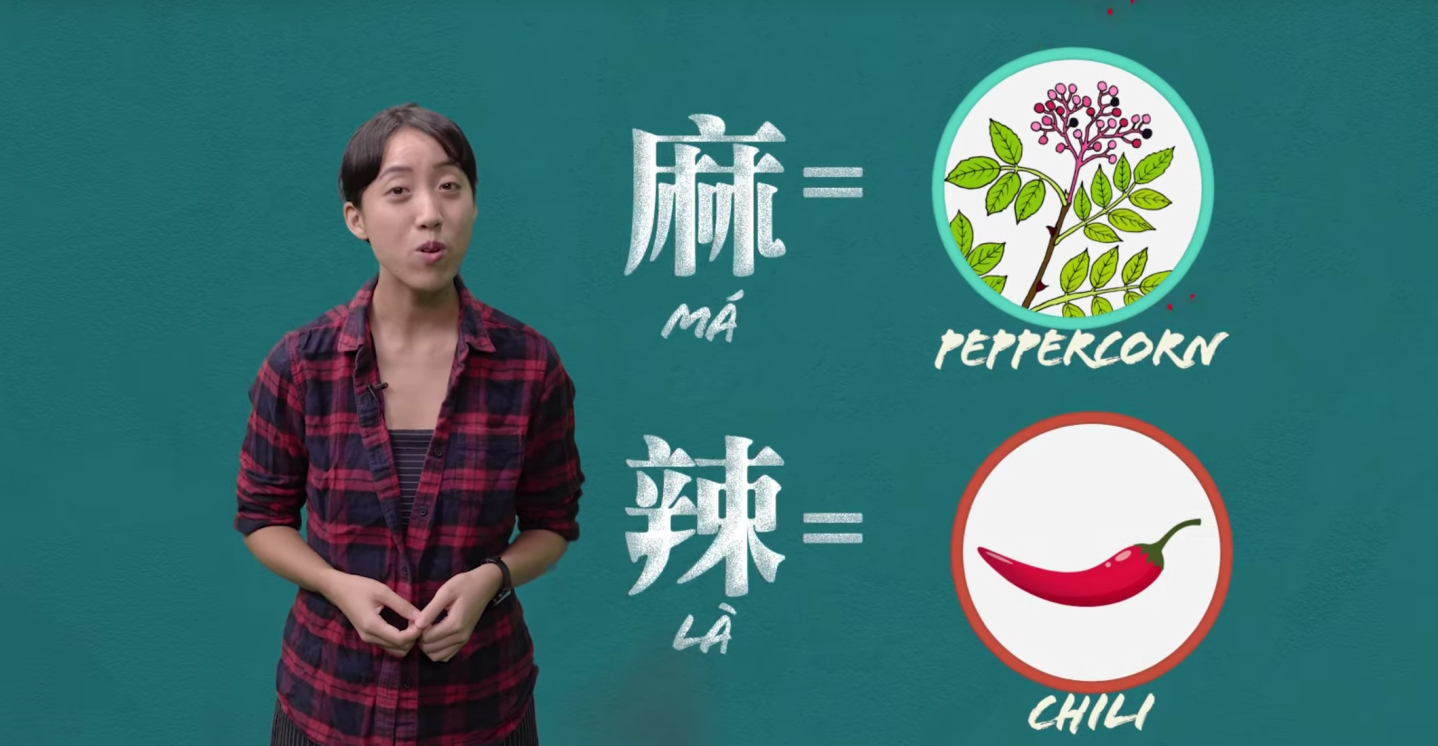
Wei gets excited talking about harvesting fish from rice patties with the food influencers as part of her various videos, and she sees Eat China as a method to help more people acquire the foundation they need to explore those more intricate parts of Chinese food culture. “You can see a chef from a different region and understand why she uses a bunch of peppercorns or understand if they’re from the north, why they eat a lot of offal or cumin,” Wei explains. “After a while, you begin to see these patterns.”
Ultimately, Wei hopes the series makes Chinese cuisine more accessible, enticing viewers to grow their taste buds and explore new flavor profiles. “It’s sort of a guide,” she says. “Pick your flavor, and go.”
More must-read stories from Fortune:
—The most anticipated books of 2020, according to Goodreads
—Cabo’s newest luxury resort favors tranquility over nightlife
—The magic of the wedding industry’s most exclusive conference
—High-tech fitness offerings are the newest luxury hotel must-have
—The best travel destinations for every season of 2020
Follow Fortune on Flipboard to stay up-to-date on the latest news and analysis.