• Home
  • Latest
  • Fortune 500
  • Finance
  • Tech
  • Leadership
  • Lifestyle
  • Rankings
  • Multimedia

Trendingnow

1

Trump, who has repeatedly called climate change fake, is now threatening Brazil with tariffs over the deforestation of the Amazon

2

Current price of oil as of June 8, 2026

3

Pentagon accuses Alibaba, Baidu and BYD, three of China's biggest companies, of supporting the Chinese military

1

Trump, who has repeatedly called climate change fake, is now threatening Brazil with tariffs over the deforestation of the Amazon

2

Current price of oil as of June 8, 2026

3

Pentagon accuses Alibaba, Baidu and BYD, three of China's biggest companies, of supporting the Chinese military
LeadershipPolitics

How Would a Recession Shape the 2020 Presidential Race?

By
Alisha Green
Alisha Green
Down Arrow Button Icon
By
Alisha Green
Alisha Green
Down Arrow Button Icon
May 10, 2019, 5:00 AM ET
U.S.-NEW YORK-STOCKS
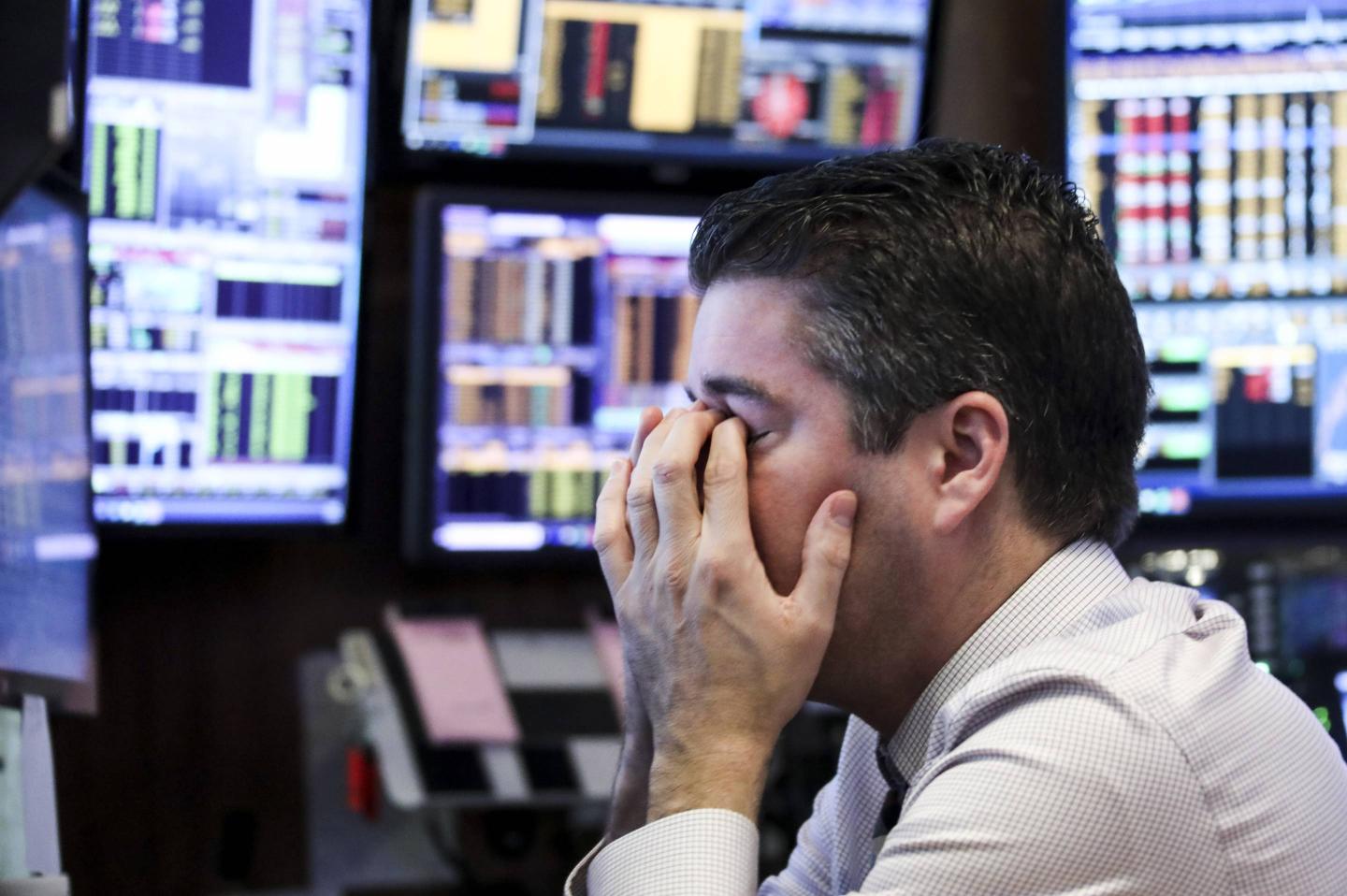
A trader works at the New York Stock Exchange in New York, the United States, Dec. 4, 2018, after U.S. stocks plunged.Xinhua News Agency/Getty Images

One way or another, the state of the economy will shape messaging in the 2020 presidential campaign.

Research has shown a strong, growing economy historically favors the incumbent party’s candidate for retaining office, while a stagnant or shrinking economy is typically a boon to the challenger.

There’s been plenty of talk about recession, with 42% of economists expecting one to hit in 2020. Given the stronger-than-expected economic numbers so far this year, though, some economists are improving their outlooks. If those forecasts hold true, what’s a presidential challenger to do about messaging?

Lynn Vavreck, professor of American politics and public policy at UCLA and author of “The Message Matters: The Economy and Presidential Campaigns,” says past elections show that messaging does best if it meets certain criteria when challenging someone who’s linked to a good economy.

The challenger’s messaging has to focus on an issue on which public opinion is lopsided, they align with the view that the majority of voters hold, and their opponent is unlikely—or unable—to change their position on the issue.

“That’s why you often see people building their whole campaign around things that are very broad and thematic,” Vavreck says. She points to the example of the 1976 Jimmy Carter presidential campaign, which the Democrat built around the theme of being an outsider who would return trust to Washington. Gerald Ford, the incumbent Republican president, was stuck with a label of being a Washington insider, given that he had spent decades in politics.

Granted, the outcome of messaging around a seemingly lopsided issue isn’t always clear. Vavreck says Democrats vying to run against Republican President Donald Trump in the general election next year might find it tempting to focus on his characteristics—such as the way he talks about women, his repetition of false and misleading statements, and the turnover rates among his staff—but Hillary Clinton already tried shining a light on such traits in 2016. And while Clinton won the popular vote, she lost the electoral vote.

Part of the reason issues besides the economy took center stage in the 2016 race might have been in part because the economic conditions at the time created a tough call for candidates. The growth rate at the time hovered around 1% in the first half of the election year, which is a gray area for determining whether it represents growth or stagnation, Vavreck says. Clinton ultimately didn’t take credit for the economy created under Democratic President Barack Obama as much as she could have, Vavreck adds.

Looking to 2020, with party conventions still more than a year away, there’s still plenty of time before we’ll see the economic numbers that will actually shape voters’ choices. The change in GDP from January to June in an election year has a strong correlation with two-party vote share in presidential elections, Vavreck notes.

And plenty could still change between now and then, if history is any indicator.

Every Republican president since Teddy Roosevelt has had a recession start in their first term in office, and many Republican presidents had two recessions during their eight years in office, according to Sam Stovall, chief investment strategist of U.S. equity strategy at CFRA.

The economic indicators that might typically flag a recession are currently a bit of a mixed bag, in Stovall’s view. Housing starts fell 14.2% year-over-year, according to March data from the U.S. Census Bureau. That’s close to a “blinking yellow light or even a faint red light” for the economy, Stovall says.

Recent yield curve data, on the other hand, provides a more optimistic outlook, Stovall says, since it has not been inverted on the two-year-to-10-year comparison, despite some of the panic earlier this year about a temporary inversion of the yield curve on the three-month-to-10-year comparison.

Alicia Levine, chief strategist at BNY Mellon Investment Management, sees an overall strengthening of the U.S. economy going into 2020, especially as the global economy looks poised for an upturn.

“If we had global synchronized growth in 2017, and we had a global synchronized downturn in the second half of 2018, I’d say in 2019 we have a global synchronized stabilization and uptick,” Levine says.

Part of the “air pocket” that the U.S. economy seemed to hit last year came from the rapid sell-off of stocks in the fourth quarter, she notes. That hit consumers hard because households are “more exposed to equities today than at any time since the late 1990s,” Levine says.

“A 20% hit to stocks in rapid fashion—which is what we had in the fourth quarter— it’s no surprise that would hit consumer confidence and consumer spending in the period immediately after. And that’s what we saw coming in January and February, but by March we saw a bounce back in the consumer,” Levine says.

That kind of exposure in itself could be one factor to watch as the election approaches, especially considering how the stock market shapes outcomes. If the market declines from July 31 until October 31 of the presidential election year, Stovall says, the incumbent person or party has been replaced an average of about 90% of the time.

“I like to say that bull markets don’t die of old age—they die of fright,” Stovall says. “And what they’re most afraid of is recession.”

More must-read stories from Fortune:

—Nancy Pelosi says President Trump is becoming “self-impeachable”

—This proposed legislation could light up the pot business

—What exactly is ranked-choice voting?

—Bill and Melinda Gates top Fortune‘s 2019 World’s Greatest Leaders list

—Get up to speed on your morning commute with Fortune’s CEO Daily newsletter


About the Author
By Alisha Green
See full bioRight Arrow Button Icon

Latest in Leadership

Finance
Lorem ipsum dolor sit amet, consectetur adipiscing elit, sed do eiusmod tempor incididunt ut labore et dolore magna aliqua. Ut enim ad minim veniam
By Fortune Editors
October 20, 2025
Finance
Lorem ipsum dolor sit amet, consectetur adipiscing elit, sed do eiusmod tempor incididunt ut labore et dolore magna aliqua. Ut enim ad minim veniam
By Fortune Editors
October 20, 2025
Finance
Lorem ipsum dolor sit amet, consectetur adipiscing elit, sed do eiusmod tempor incididunt ut labore et dolore magna aliqua. Ut enim ad minim veniam
By Fortune Editors
October 20, 2025
Finance
Lorem ipsum dolor sit amet, consectetur adipiscing elit, sed do eiusmod tempor incididunt ut labore et dolore magna aliqua. Ut enim ad minim veniam
By Fortune Editors
October 20, 2025
Finance
Lorem ipsum dolor sit amet, consectetur adipiscing elit, sed do eiusmod tempor incididunt ut labore et dolore magna aliqua. Ut enim ad minim veniam
By Fortune Editors
October 20, 2025
Finance
Lorem ipsum dolor sit amet, consectetur adipiscing elit, sed do eiusmod tempor incididunt ut labore et dolore magna aliqua. Ut enim ad minim veniam
By Fortune Editors
October 20, 2025

Most Popular

Finance
Lorem ipsum dolor sit amet, consectetur adipiscing elit, sed do eiusmod tempor incididunt ut labore et dolore magna aliqua. Ut enim ad minim veniam
By Fortune Editors
October 20, 2025
Finance
Lorem ipsum dolor sit amet, consectetur adipiscing elit, sed do eiusmod tempor incididunt ut labore et dolore magna aliqua. Ut enim ad minim veniam
By Fortune Editors
October 20, 2025
Finance
Lorem ipsum dolor sit amet, consectetur adipiscing elit, sed do eiusmod tempor incididunt ut labore et dolore magna aliqua. Ut enim ad minim veniam
By Fortune Editors
October 20, 2025
Finance
Lorem ipsum dolor sit amet, consectetur adipiscing elit, sed do eiusmod tempor incididunt ut labore et dolore magna aliqua. Ut enim ad minim veniam
By Fortune Editors
October 20, 2025
Finance
Lorem ipsum dolor sit amet, consectetur adipiscing elit, sed do eiusmod tempor incididunt ut labore et dolore magna aliqua. Ut enim ad minim veniam
By Fortune Editors
October 20, 2025
Finance
Lorem ipsum dolor sit amet, consectetur adipiscing elit, sed do eiusmod tempor incididunt ut labore et dolore magna aliqua. Ut enim ad minim veniam
By Fortune Editors
October 20, 2025
Fortune Secondary Logo
Rankings
  • 100 Best Companies
  • Fortune 500
  • Global 500
  • Fortune 500 Europe
  • Most Powerful Women
  • World's Most Admired Companies
  • See All Rankings
  • Lists Calendar
Sections
  • Finance
  • Fortune Crypto
  • Features
  • Leadership
  • Health
  • Commentary
  • Success
  • Retail
  • Mpw
  • Tech
  • Lifestyle
  • CEO Initiative
  • Asia
  • Politics
  • Conferences
  • Europe
  • Newsletters
  • Personal Finance
  • Environment
  • Magazine
  • Education
Customer Support
  • Frequently Asked Questions
  • Customer Service Portal
  • Privacy Policy
  • Terms Of Use
  • Single Issues For Purchase
  • International Print
Commercial Services
  • Advertising
  • Fortune Brand Studio
  • Fortune Analytics
  • Fortune Conferences
  • Business Development
  • Group Subscriptions
About Us
  • About Us
  • Press Center
  • Work At Fortune
  • Terms And Conditions
  • Site Map
  • About Us
  • Press Center
  • Work At Fortune
  • Terms And Conditions
  • Site Map
  • Facebook icon
  • Twitter icon
  • LinkedIn icon
  • Instagram icon
  • Pinterest icon

Latest in Leadership

AI isn’t replacing Hyatt’s salespeople—it’s freeing up a full day of work every week, according to the CEO
AIBrainstorm Tech
AI isn’t replacing Hyatt’s salespeople—it’s freeing up a full day of work every week, according to the CEO
By Sharon GoldmanJune 9, 2026
1 hour ago
The AI industry spent years chasing bigger models. Now it’s chasing efficiency
AIBrainstorm Tech
The AI industry spent years chasing bigger models. Now it’s chasing efficiency
By Sharon GoldmanJune 9, 2026
3 hours ago
Xbox CEO Asha Sharma speaks on stage at Fortune Brainstorm Tech 2026.
Big TechMicrosoft
‘Not an Allbirds Moment’: Xbox’s new CEO says she is grounding the console in gaming roots, not AI
By Sebastian HerreraJune 9, 2026
3 hours ago
BP’s new CEO Meg O’Neill rips up the energy giant’s playbook—and the ‘green’ era with it
EnergyBP
BP’s new CEO Meg O’Neill rips up the energy giant’s playbook—and the ‘green’ era with it
By Jordan BlumJune 9, 2026
3 hours ago
Three people having a seated discussion
AIBrainstorm Tech
‘Getting control where we can’: Europe wants sovereign AI, but most of the chips are from the U.S.
By Amanda GerutJune 9, 2026
4 hours ago
Opening offices in 120 countries is ‘not a badge of honor’—pick 30 instead says iconic former tech CEO
C-SuiteBrainstorm Tech
Opening offices in 120 countries is ‘not a badge of honor’—pick 30 instead says iconic former tech CEO
By Jeff John RobertsJune 9, 2026
6 hours ago

Most Popular

Trump, who has repeatedly called climate change fake, is now threatening Brazil with tariffs over the deforestation of the Amazon
Environment
Trump, who has repeatedly called climate change fake, is now threatening Brazil with tariffs over the deforestation of the Amazon
By Sasha RogelbergJune 8, 2026
1 day ago
Current price of oil as of June 8, 2026
Personal Finance
Current price of oil as of June 8, 2026
By Joseph HostetlerJune 8, 2026
1 day ago
Pentagon accuses Alibaba, Baidu and BYD, three of China's biggest companies, of supporting the Chinese military
Asia
Pentagon accuses Alibaba, Baidu and BYD, three of China's biggest companies, of supporting the Chinese military
By Kate O'Keeffe and BloombergJune 8, 2026
23 hours ago
Gen Zers are arriving at college unable to even read a sentence—professors warn it could lead to a generation of anxious and lonely graduates
Success
Gen Zers are arriving at college unable to even read a sentence—professors warn it could lead to a generation of anxious and lonely graduates
By Preston ForeJune 7, 2026
2 days ago
'We are rapidly running out of time': Watchdog sounds Social Security alarm after 22% cut confirmed for 2032
Economy
'We are rapidly running out of time': Watchdog sounds Social Security alarm after 22% cut confirmed for 2032
By Nick LichtenbergJune 9, 2026
6 hours ago
'The golden years are not golden': Boomers are hoarding most of America's wealth and power because they're terrified of outliving their money
Economy
'The golden years are not golden': Boomers are hoarding most of America's wealth and power because they're terrified of outliving their money
By Nick LichtenbergJune 7, 2026
2 days ago

© 2026 Fortune Media IP Limited. All Rights Reserved. Use of this site constitutes acceptance of our Terms of Use and Privacy Policy | CA Notice at Collection and Privacy Notice | Do Not Sell/Share My Personal Information
FORTUNE is a trademark of Fortune Media IP Limited, registered in the U.S. and other countries. FORTUNE may receive compensation for some links to products and services on this website. Offers may be subject to change without notice.