• Home
  • Latest
  • Fortune 500
  • Finance
  • Tech
  • Leadership
  • Lifestyle
  • Rankings
  • Multimedia
TechAT&T

Eliminating Net Neutrality Rules Will Favor Carriers Over Internet Content Providers

By
Aaron Pressman
Aaron Pressman
Down Arrow Button Icon
By
Aaron Pressman
Aaron Pressman
Down Arrow Button Icon
November 21, 2017, 12:52 PM ET

Less than a year after taking control of the top federal telecom regulator, commissioners appointed by President Donald Trump are poised to eliminate net neutrality rules that bar Internet providers from creating slow and fast lanes for online content.

Federal Communications Commission Chairman Ajit Pai on Tuesday unveiled his plan to erase the agency’s 2015 ban on Internet service providers discriminating against certain online content and services while favoring others. Pai’s plan also blocks state and local governments from imposing their own net neutrality rules.

Instead, Internet service providers, or ISPs, would be required only to disclose their practices. But very few customers have more than one or two choices when selecting an ISP, so the transparency may not help much. Pai’s far-reaching plan, expected to be adopted at the FCC’s Dec. 14 meeting, could create wide-ranging winners and losers across the digital landscape.

Huge Winners: ISPs

The nation’s largest Internet service providers, led by AT&T, Comcast and Verizon, stand to reap the greatest gains. They should easily be able to start favoring online content and services they own over others. In fact, the FCC under Obama-appointed chairman Tom Wheeler had already concluded that Verizon and AT&T were improperly favoring content they owned in likely violation of the 2015 net neutrality rules.

The prior favoritism took the form of allowing wireless customers to access carrier-owned video services without the usage counting against monthly wireless limits. Accessing all other video services did count against the limits unless the content provider paid extra. Known as zero-rating, the practice was more carrot than stick for wireless customers. But with the rules removed, carriers would be free to adopt more punitive forms of favoritism, like tacking on extra fees for some content or indirectly raising the cost to customers by charging the fees to the content providers. For home Internet users, the elimination of the rules gives ISPs a big incentive to continue adding monthly data caps to create a way to favor their own content over wired connections.

Possible winners: Medium-sized content producers

The new rules by themselves will likely give the carriers more incentive to buy content-producing companies, as Verizon (VZ) did in acquiring Yahoo and AT&T is attempting to do by acquiring Time Warner (TWX). That could raise the share prices of companies like CBS (CBS) or Viacom (VIAB) that are about the right size to become acquisition targets. However, the Trump administration’s Justice Department is suing to block the Time Warner merger, saying it could harm competition, so perhaps some such deals will be prohibited.

Get Data Sheet, Fortune’s technology newsletter.

Possible losers: Large Internet companies

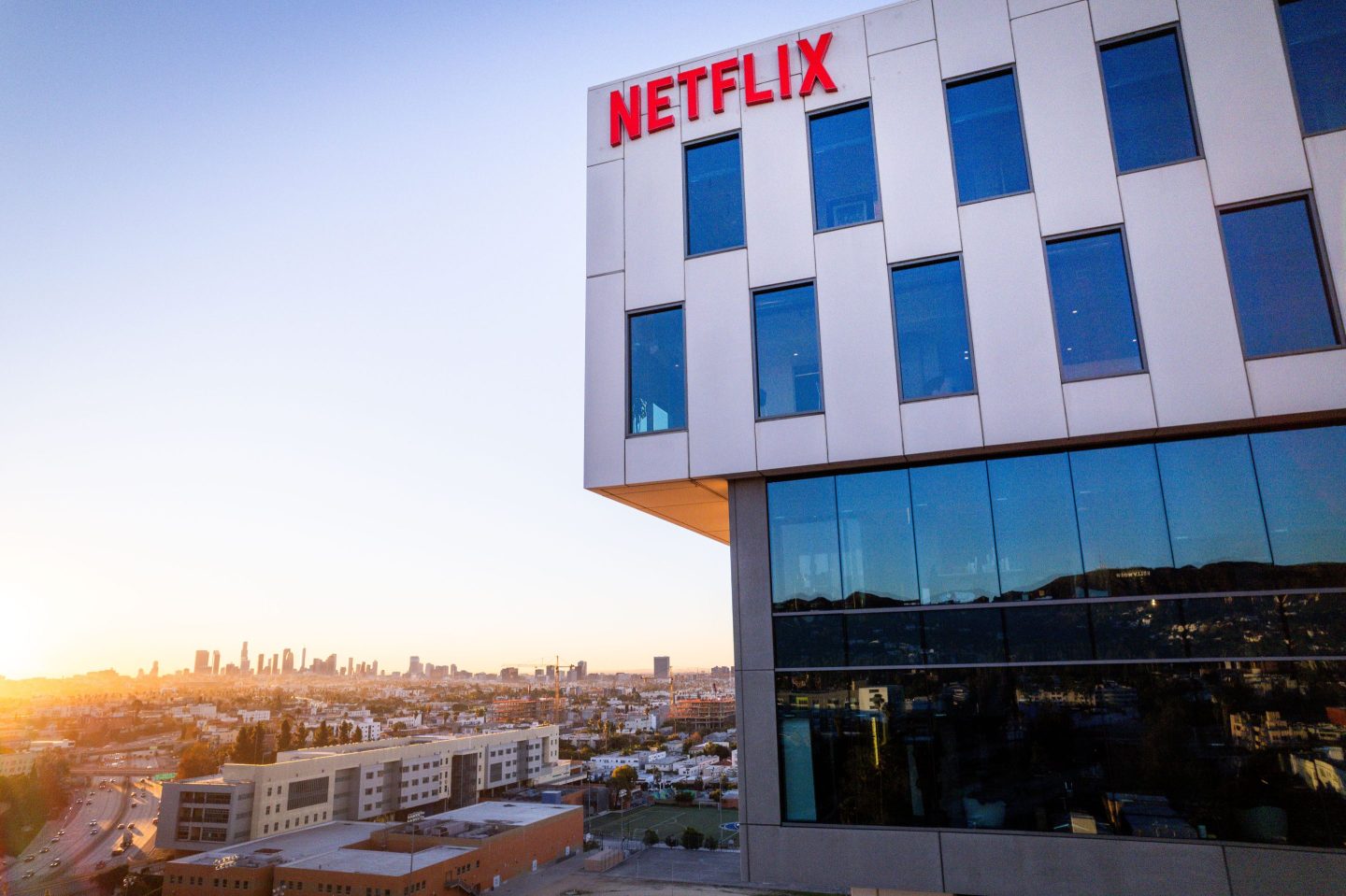
Netflix, Amazon (AMZN), Google and other major suppliers of online video content could get squeezed. Some analysts have said that the big Internet companies are too powerful and their content is too popular for ISPs to threaten them. But given the breadth of freedom that would be granted to ISPs under the new FCC plan, the scale of the Internet giants may not be enough to save them from facing extra fees or being disadvantaged when trying to reach viewers who are customers of the big ISPs. Before the 2015 rules were enacted, Netflix (NFLX) fought with cable providers for years over intentional streaming slowdowns and extra fees for connecting with its customers. The companies can likely afford to pay extra fees, but could still be at a disadvantage when competing with carrier-owned services. For example, all of the major wireless carriers downgrade the quality of video streaming on some plans. Absent net neutrality rules, the video quality downgrade could be used on competitors but not carrier-owned services.

Possible losers: Internet TV services

Dish Network’s (DISH) Sling TV, Sony’s (SNE) Playstation Vue and Google’s (GOOGL) YouTube TV, among others, are trying to displace traditional pay TV service with much cheaper bundles available via the Internet. They compete directly with the cable and satellite TV services offered by the major ISPs, as well the ISP’s own Internet video bundles like AT&T’s (T) DirecTV Now app. They may find themselves blocked, slowed, or required to pay additional fees. Or they may just face the more subtle disadvantage of not getting zero-rated treatment.

Definite losers: Smaller content providers

Startup online content players, especially in the video arena, don’t have the popularity or the clout to appeal to a huge base of customers to protest disadvantaged treatment. And smaller players may not be able to afford to pay extra fees that larger services can to avoid getting blocked or slowed down. The big ISPs have occasionally been caught messing with less powerful players, as in 2008, when the FCC sanctioned Comcast (CMCSA) for slowing customers’ access to the video sharing network BitTorrent, for example (though a court later struck down the decision).


About the Author
By Aaron Pressman
See full bioRight Arrow Button Icon

Latest in Tech

Finance
Lorem ipsum dolor sit amet, consectetur adipiscing elit, sed do eiusmod tempor incididunt ut labore et dolore magna aliqua. Ut enim ad minim veniam
By Fortune Editors
October 20, 2025
Finance
Lorem ipsum dolor sit amet, consectetur adipiscing elit, sed do eiusmod tempor incididunt ut labore et dolore magna aliqua. Ut enim ad minim veniam
By Fortune Editors
October 20, 2025
Finance
Lorem ipsum dolor sit amet, consectetur adipiscing elit, sed do eiusmod tempor incididunt ut labore et dolore magna aliqua. Ut enim ad minim veniam
By Fortune Editors
October 20, 2025
Finance
Lorem ipsum dolor sit amet, consectetur adipiscing elit, sed do eiusmod tempor incididunt ut labore et dolore magna aliqua. Ut enim ad minim veniam
By Fortune Editors
October 20, 2025
Finance
Lorem ipsum dolor sit amet, consectetur adipiscing elit, sed do eiusmod tempor incididunt ut labore et dolore magna aliqua. Ut enim ad minim veniam
By Fortune Editors
October 20, 2025
Finance
Lorem ipsum dolor sit amet, consectetur adipiscing elit, sed do eiusmod tempor incididunt ut labore et dolore magna aliqua. Ut enim ad minim veniam
By Fortune Editors
October 20, 2025

Most Popular

Finance
Lorem ipsum dolor sit amet, consectetur adipiscing elit, sed do eiusmod tempor incididunt ut labore et dolore magna aliqua. Ut enim ad minim veniam
By Fortune Editors
October 20, 2025
Finance
Lorem ipsum dolor sit amet, consectetur adipiscing elit, sed do eiusmod tempor incididunt ut labore et dolore magna aliqua. Ut enim ad minim veniam
By Fortune Editors
October 20, 2025
Finance
Lorem ipsum dolor sit amet, consectetur adipiscing elit, sed do eiusmod tempor incididunt ut labore et dolore magna aliqua. Ut enim ad minim veniam
By Fortune Editors
October 20, 2025
Finance
Lorem ipsum dolor sit amet, consectetur adipiscing elit, sed do eiusmod tempor incididunt ut labore et dolore magna aliqua. Ut enim ad minim veniam
By Fortune Editors
October 20, 2025
Finance
Lorem ipsum dolor sit amet, consectetur adipiscing elit, sed do eiusmod tempor incididunt ut labore et dolore magna aliqua. Ut enim ad minim veniam
By Fortune Editors
October 20, 2025
Finance
Lorem ipsum dolor sit amet, consectetur adipiscing elit, sed do eiusmod tempor incididunt ut labore et dolore magna aliqua. Ut enim ad minim veniam
By Fortune Editors
October 20, 2025
Fortune Secondary Logo
Rankings
  • 100 Best Companies
  • Fortune 500
  • Global 500
  • Fortune 500 Europe
  • Most Powerful Women
  • Future 50
  • World’s Most Admired Companies
  • See All Rankings
Sections
  • Finance
  • Fortune Crypto
  • Features
  • Leadership
  • Health
  • Commentary
  • Success
  • Retail
  • Mpw
  • Tech
  • Lifestyle
  • CEO Initiative
  • Asia
  • Politics
  • Conferences
  • Europe
  • Newsletters
  • Personal Finance
  • Environment
  • Magazine
  • Education
Customer Support
  • Frequently Asked Questions
  • Customer Service Portal
  • Privacy Policy
  • Terms Of Use
  • Single Issues For Purchase
  • International Print
Commercial Services
  • Advertising
  • Fortune Brand Studio
  • Fortune Analytics
  • Fortune Conferences
  • Business Development
About Us
  • About Us
  • Editorial Calendar
  • Press Center
  • Work At Fortune
  • Diversity And Inclusion
  • Terms And Conditions
  • Site Map
Fortune Secondary Logo
  • About Us
  • Editorial Calendar
  • Press Center
  • Work At Fortune
  • Diversity And Inclusion
  • Terms And Conditions
  • Site Map
  • Facebook icon
  • Twitter icon
  • LinkedIn icon
  • Instagram icon
  • Pinterest icon

Latest in Tech

daron acemoglu
AILayoffs
The Nobel laureate who co-wrote ‘Why Nations Fail’ warns U.S. democracy won’t survive unless these two things change
By Jake AngeloFebruary 22, 2026
1 hour ago
jesse
CommentaryDEI
A decade ago, I had a front row seat as Jesse Jackson held big tech firms accountable for being overwhelmingly white and male
By Brennan Nevada JohnsonFebruary 22, 2026
1 hour ago
Man wearing a suit awkwardly takes a video call on a laptop
Future of WorkInterview
Recruiter reveals broken Zoom interview etiquette: bathrobes, yoga, and outsourcing thinking to AI
By Nick LichtenbergFebruary 22, 2026
2 hours ago
werfel
CommentaryTaxes
Former IRS Commissioner: Here’s how we used AI to create immediate value when taxpayers scrutinized every dollar
By Danny WerfelFebruary 22, 2026
3 hours ago
LawMedia
DOJ probes Netflix’s power over filmmakers in Warner deal review
By Josh Sisco and BloombergFebruary 21, 2026
14 hours ago
Big TechTech
Microsoft CEO Satya Nadella says Bill Gates told him his big bet on OpenAI would be a flop: ‘Yeah, you’re going to burn this billion dollars’
By Marco Quiroz-GutierrezFebruary 21, 2026
22 hours ago

Most Popular

placeholder alt text
Innovation
The U.S. spent $30 billion to ditch textbooks for laptops and tablets: The result is the first generation less cognitively capable than their parents
By Sasha RogelbergFebruary 21, 2026
1 day ago
placeholder alt text
Big Tech
Peter Thiel and other tech billionaires are publicly shielding their children from the products that made them rich
By Marco Quiroz-GutierrezFebruary 21, 2026
1 day ago
placeholder alt text
Startups & Venture
'I have a chip on my shoulder.' Phoebe Gates wants her $185 million AI startup Phia to succeed with 'no ties to my privilege or my last name'
By Sydney LakeFebruary 21, 2026
1 day ago
placeholder alt text
Economy
Fed confirms it obeyed U.S. Treasury request for an unusual ‘rate check,’ weakening the dollar against foreign currencies
By Jim EdwardsFebruary 19, 2026
3 days ago
placeholder alt text
Success
40% of Stanford undergrads receive disability accommodations—but it's become a college-wide phenomenon as Gen Z try to succeed in the current climate
By Preston ForeFebruary 21, 2026
22 hours ago
placeholder alt text
Future of Work
Elon Musk bans résumés and cover letters in hiring for his chip team. These are the 3 bullet points he’s looking for instead
By Jake AngeloFebruary 20, 2026
2 days ago

© 2026 Fortune Media IP Limited. All Rights Reserved. Use of this site constitutes acceptance of our Terms of Use and Privacy Policy | CA Notice at Collection and Privacy Notice | Do Not Sell/Share My Personal Information
FORTUNE is a trademark of Fortune Media IP Limited, registered in the U.S. and other countries. FORTUNE may receive compensation for some links to products and services on this website. Offers may be subject to change without notice.