• Home
  • Latest
  • Fortune 500
  • Finance
  • Tech
  • Leadership
  • Lifestyle
  • Rankings
  • Multimedia
CommentaryDonald Trump

How Trump Is Bringing Back a Sense of Community

By
Aaron M. Renn
Aaron M. Renn
Down Arrow Button Icon
By
Aaron M. Renn
Aaron M. Renn
Down Arrow Button Icon
December 14, 2016, 12:22 PM ET
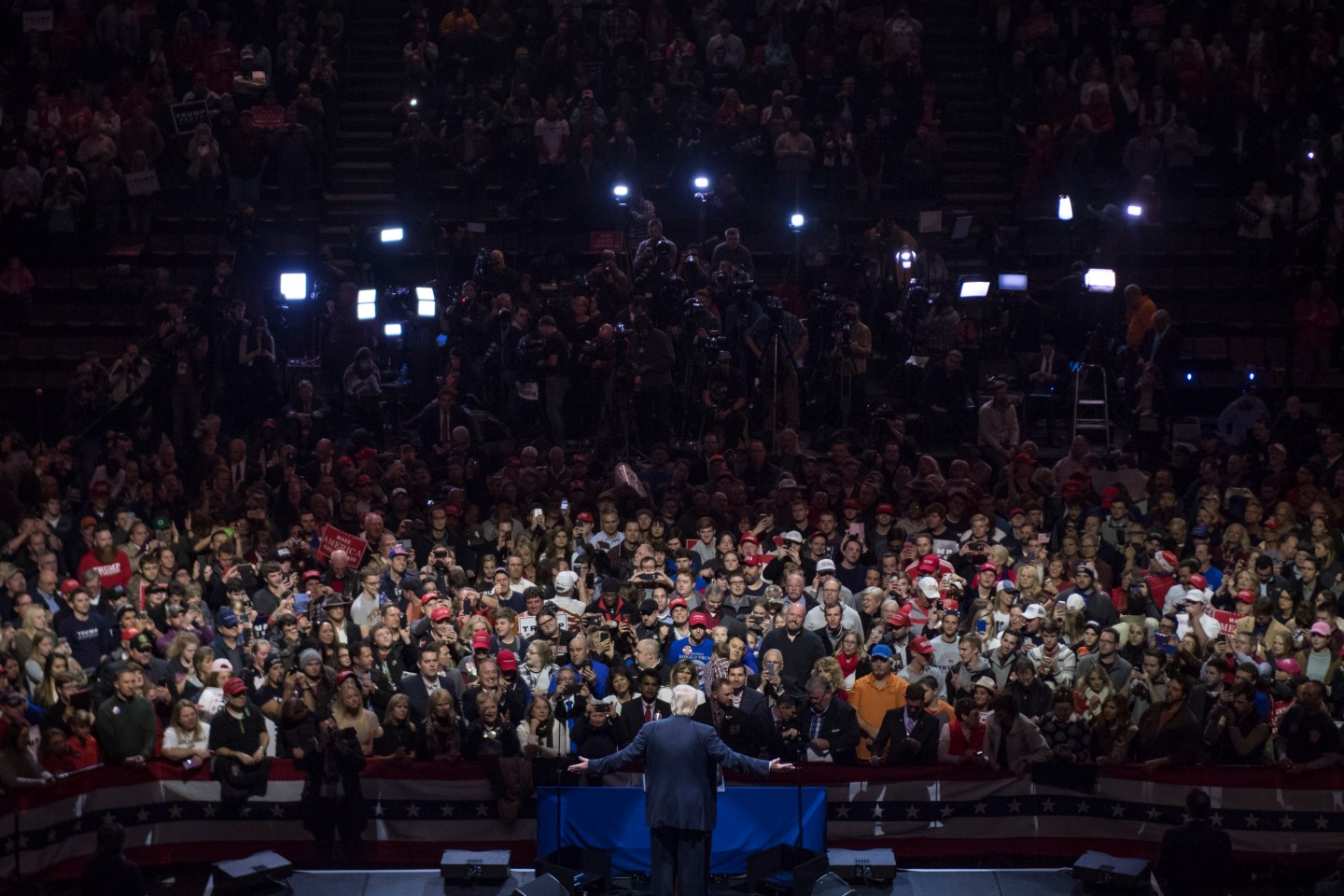
Republican presidential-elect Donald Trump and Vice President-elect Mike Pence in Cincinnati Ohio
CINCINNATI, OHIO - DECEMBER 1: Supporters listen as President-elect Donald Trump speaks during a "USA Thank You Tour 2016" event in the U.S. Bank Arena in Cincinnati, Ohio on Thursday, Dec. 01, 2016. (Photo by Jabin Botsford/The Washington Post via Getty Images)Jabin Botsford—The Washington Post/Getty Images

Some business leaders, economists, and free market proponents have panned President-elect Donald Trump’s intervention to stop Carrier’s relocation to Mexico and his Twitter haranguing of other firms planning overseas relocations. These pro-business purists have clearly learned nothing from his victory.

To understand what Trump is doing, we must first return to the most basic question of society: What is a country? Is it a commonwealth of citizens in the pursuit of personal and mutual flourishing? Or is it just a geographic venue for global businesses to make money?

Too many people give off the impression that they see it as the latter. But Trump knows that a society that does not provide for the aspirations of its citizens is a failed state, no matter how economically efficient it is or how much GDP it produces.

We once understood this. Alexis de Tocqueville pointed out that one of the keys to America’s unique success was its sense of enlightened self-interest. Americans worked and competed hard for themselves, their families, and their businesses, but they understood that a purely selfish mindset was self-destructive in the long term. Tocqueville observed in Democracy in America, “Each American knows when to sacrifice some of his private interests to save the rest; we [the French] want to save everything, and often we lose it all.”

Businessmen once understood this link between national, local, and personal success. The men of the Commercial Club of Chicago who commissioned Daniel Burnham to create his famed 1909 plan for that city had personal fortunes deeply tied to Chicago. They needed the city as a whole to succeed for them to succeed. Likewise, General Motors CEO Charles Erwin Wilson once famously said, “For years I thought what was good for our country was good for General Motors, and vice versa.” He understood that his company’s fortune and America’s were intertwined: GM couldn’t make any money if no one could afford to buy its cars.

We institutionalized this even into the 1980s, with laws prohibiting utility holding companies and most banks from branching into other areas. These utility CEOs and bankers had to have broadly prosperous communities where their companies were based or they simply couldn’t make money, because their hometown was the only place they could do business.

As these restrictions were lifted, these businesses left enlightened self-interest behind in favor of quarterly profits. They forgot their community in favor of global capital. Their business models evolved to delink profits and executive compensation from broad-based American prosperity. They could take a portfolio view of local communities and even countries. It was all very economically efficient. These firms and their managers could thrive even while much of America fell into ruin.

Or so they thought.

Donald Trump’s election was a message to these companies and their leaders reminding them that we are a nation, not a free trade zone. We have one man, one vote, not one dollar of GDP, one vote. In a country where barely half of 30-year-olds now make more than their parents did at the same age, the American people demanded a national change of course.

Yes, the Carrier deal involved distasteful tax subsidies. Yes, American businesses have to compete globally and can’t afford to be inefficient. Yes, our corporate tax and regulatory systems are a big impediment to doing business here. Yes, the government’s picking of winners and losers in the marketplace is unlikely to end well. Yes, the idea of Washington using its power to pressure individual private citizens and businesses is troubling.

All of this is true. America’s competitive and structural problems need to be addressed systemically, something Trump has promised to do. But those who criticize Trump’s deal on the above points hear the words but not the music.

By focusing his rhetoric and energy directly on American middle-class, blue-collar workers, Trump is reminding businesses of the social contract they thought they could leave behind. He’s telling them that the solution to our nation’s challenges might be complex and not obvious, but they had better well be part of it, not just worried about squeezing out a bit more return on invested capital to boost the CEO’s bonus next year.

Trump is also sending a powerful message to workers that they matter and he will fight for their interests. As they’ve watched their lives and communities erode for many years, they’ve fallen into despair, with drug addiction soaring and life expectancy in 2015 falling for the first time in 20 years.


People need money, true, but also to work, contributing something of value and meaning to their community. Trump understands that, and is speaking directly to that source of money, meaning, and dignity for most of America: their job. His words and actions are aimed at the heart of their despair, encouraging people to once again have hope for a better future.

Trump is showing he’s much more in touch with the human condition than businessmen and pundits are. He’s saying that American society and its people, their well-being, and their dignity matter—not just efficiency and GDP. He’s saying that we are a commonwealth of people who ultimately rise and fall together. In this, his critics come across as tone-deaf and hard-hearted Scrooges unmoved by the prospect of their fellow citizens being permanently exiled from the middle class when they lose the last $25 an hour job they’ll ever have.

Free market purists would be well served to recapture that spirit of enlightened self-interest, before the political marketplace deals them out a far more stern discipline than Trump’s.

Aaron M. Renn is a senior fellow at the Manhattan Institute and a contributing editor of City Journal.

About the Author
By Aaron M. Renn
See full bioRight Arrow Button Icon

Latest in Commentary

Finance
Lorem ipsum dolor sit amet, consectetur adipiscing elit, sed do eiusmod tempor incididunt ut labore et dolore magna aliqua. Ut enim ad minim veniam
By Fortune Editors
October 20, 2025
Finance
Lorem ipsum dolor sit amet, consectetur adipiscing elit, sed do eiusmod tempor incididunt ut labore et dolore magna aliqua. Ut enim ad minim veniam
By Fortune Editors
October 20, 2025
Finance
Lorem ipsum dolor sit amet, consectetur adipiscing elit, sed do eiusmod tempor incididunt ut labore et dolore magna aliqua. Ut enim ad minim veniam
By Fortune Editors
October 20, 2025
Finance
Lorem ipsum dolor sit amet, consectetur adipiscing elit, sed do eiusmod tempor incididunt ut labore et dolore magna aliqua. Ut enim ad minim veniam
By Fortune Editors
October 20, 2025
Finance
Lorem ipsum dolor sit amet, consectetur adipiscing elit, sed do eiusmod tempor incididunt ut labore et dolore magna aliqua. Ut enim ad minim veniam
By Fortune Editors
October 20, 2025
Finance
Lorem ipsum dolor sit amet, consectetur adipiscing elit, sed do eiusmod tempor incididunt ut labore et dolore magna aliqua. Ut enim ad minim veniam
By Fortune Editors
October 20, 2025

Most Popular

Finance
Lorem ipsum dolor sit amet, consectetur adipiscing elit, sed do eiusmod tempor incididunt ut labore et dolore magna aliqua. Ut enim ad minim veniam
By Fortune Editors
October 20, 2025
Finance
Lorem ipsum dolor sit amet, consectetur adipiscing elit, sed do eiusmod tempor incididunt ut labore et dolore magna aliqua. Ut enim ad minim veniam
By Fortune Editors
October 20, 2025
Finance
Lorem ipsum dolor sit amet, consectetur adipiscing elit, sed do eiusmod tempor incididunt ut labore et dolore magna aliqua. Ut enim ad minim veniam
By Fortune Editors
October 20, 2025
Finance
Lorem ipsum dolor sit amet, consectetur adipiscing elit, sed do eiusmod tempor incididunt ut labore et dolore magna aliqua. Ut enim ad minim veniam
By Fortune Editors
October 20, 2025
Finance
Lorem ipsum dolor sit amet, consectetur adipiscing elit, sed do eiusmod tempor incididunt ut labore et dolore magna aliqua. Ut enim ad minim veniam
By Fortune Editors
October 20, 2025
Finance
Lorem ipsum dolor sit amet, consectetur adipiscing elit, sed do eiusmod tempor incididunt ut labore et dolore magna aliqua. Ut enim ad minim veniam
By Fortune Editors
October 20, 2025
Fortune Secondary Logo
Rankings
  • 100 Best Companies
  • Fortune 500
  • Global 500
  • Fortune 500 Europe
  • Most Powerful Women
  • Future 50
  • World’s Most Admired Companies
  • See All Rankings
Sections
  • Finance
  • Fortune Crypto
  • Features
  • Leadership
  • Health
  • Commentary
  • Success
  • Retail
  • Mpw
  • Tech
  • Lifestyle
  • CEO Initiative
  • Asia
  • Politics
  • Conferences
  • Europe
  • Newsletters
  • Personal Finance
  • Environment
  • Magazine
  • Education
Customer Support
  • Frequently Asked Questions
  • Customer Service Portal
  • Privacy Policy
  • Terms Of Use
  • Single Issues For Purchase
  • International Print
Commercial Services
  • Advertising
  • Fortune Brand Studio
  • Fortune Analytics
  • Fortune Conferences
  • Business Development
  • Group Subscriptions
About Us
  • About Us
  • Editorial Calendar
  • Press Center
  • Work At Fortune
  • Diversity And Inclusion
  • Terms And Conditions
  • Site Map
  • About Us
  • Editorial Calendar
  • Press Center
  • Work At Fortune
  • Diversity And Inclusion
  • Terms And Conditions
  • Site Map
  • Facebook icon
  • Twitter icon
  • LinkedIn icon
  • Instagram icon
  • Pinterest icon

Latest in Commentary

hormuz
CommentaryIran
With Hormuz under strain, a trade corridor built for resilience faces a real-world test
By Angela Chitkara and Samantha SuttonApril 17, 2026
16 hours ago
broker
CommentarySoftware
The 3 forces quietly dismantling the business model that made enterprise software fabulously profitable
By Michael Jacobides and Stefano PuntoniApril 17, 2026
17 hours ago
welti
CommentaryIran
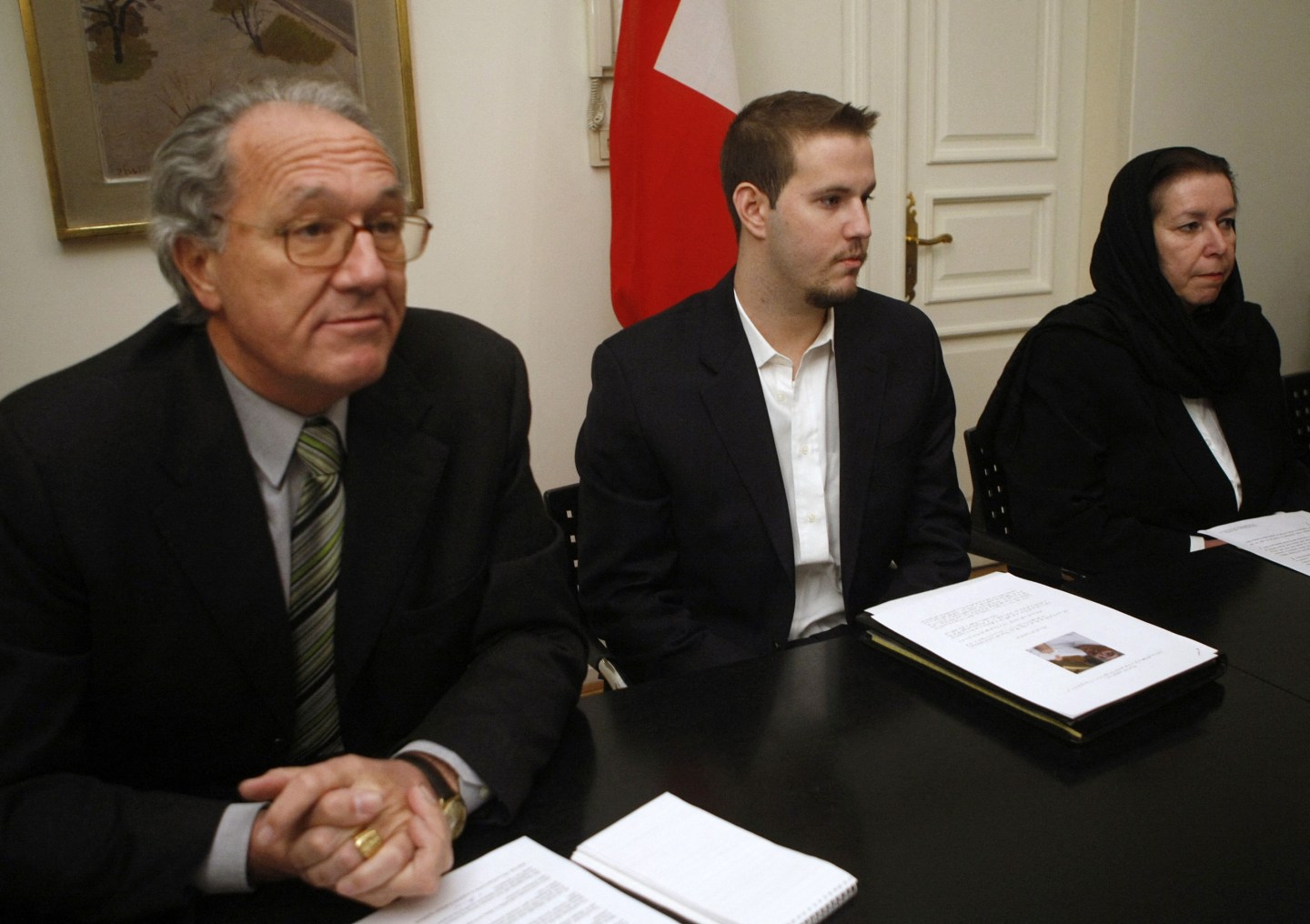
Switzerland’s former ambassador to Iran: here’s how to end this war — and why Pakistan isn’t enough
By Philippe WeltiApril 17, 2026
22 hours ago
Anita Beveridge-Raffo is Head of Retail and Consumer Goods at Palantir Technologies
CommentaryAI agents
Palantir exec: the biggest mistake retailers are making with AI? Trying to do it all with one agent
By Anita Beveridge-RaffoApril 16, 2026
2 days ago
wyle
CommentaryHealth
‘The Pitt’ reveals why healthcare desperately needs a new front door
By Jeremy MorganApril 16, 2026
2 days ago
health
CommentaryHealth Care Service
Two physicians on ending the waiting-room era: bring care home
By Benjamin Kornitzer and Bill FristApril 16, 2026
2 days ago

Most Popular

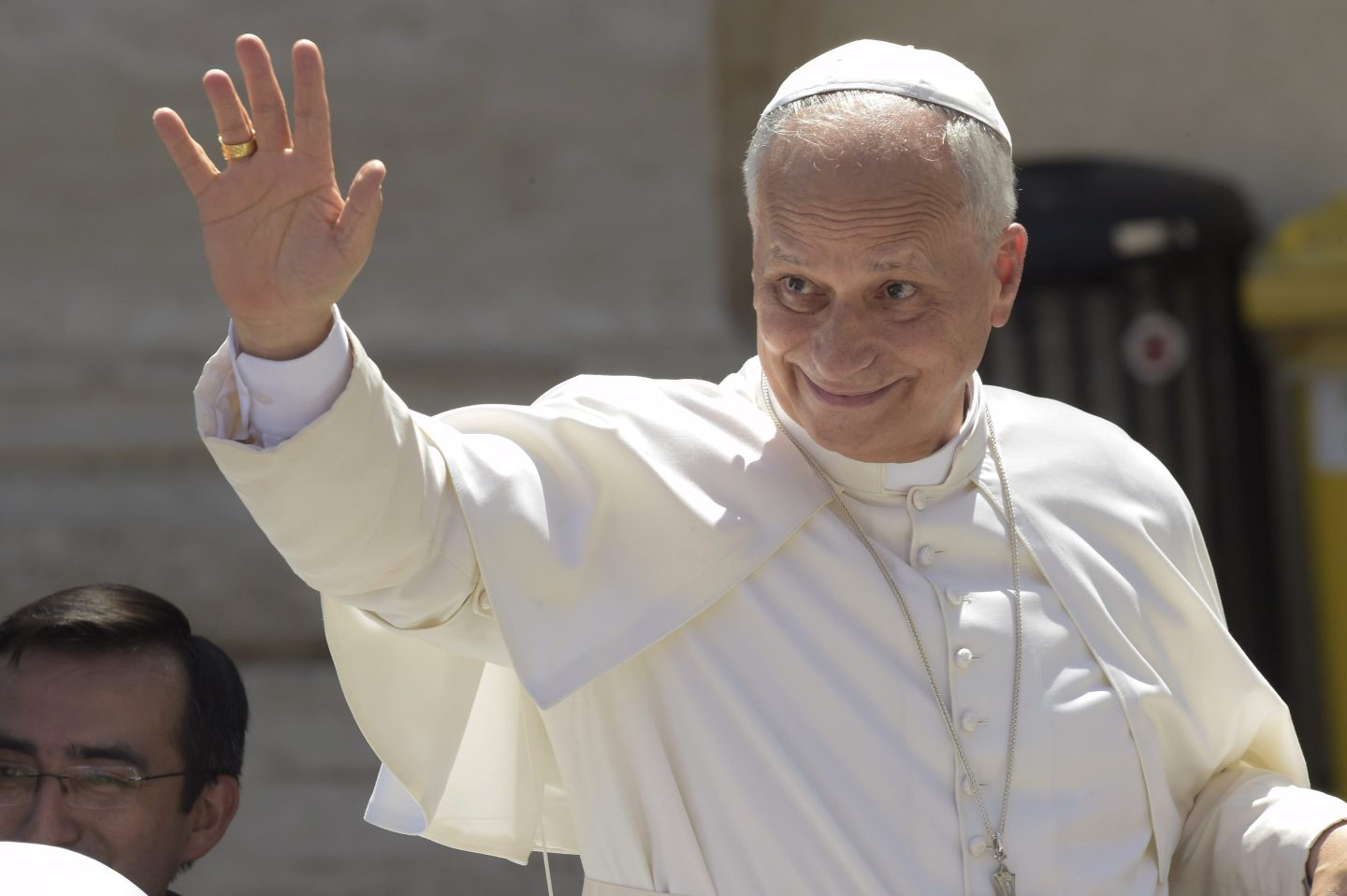
Pope Leo warned the world is in ‘big trouble’ if Elon Musk becomes the first trillionaire
Success
Pope Leo warned the world is in ‘big trouble’ if Elon Musk becomes the first trillionaire
By Preston ForeApril 17, 2026
20 hours ago
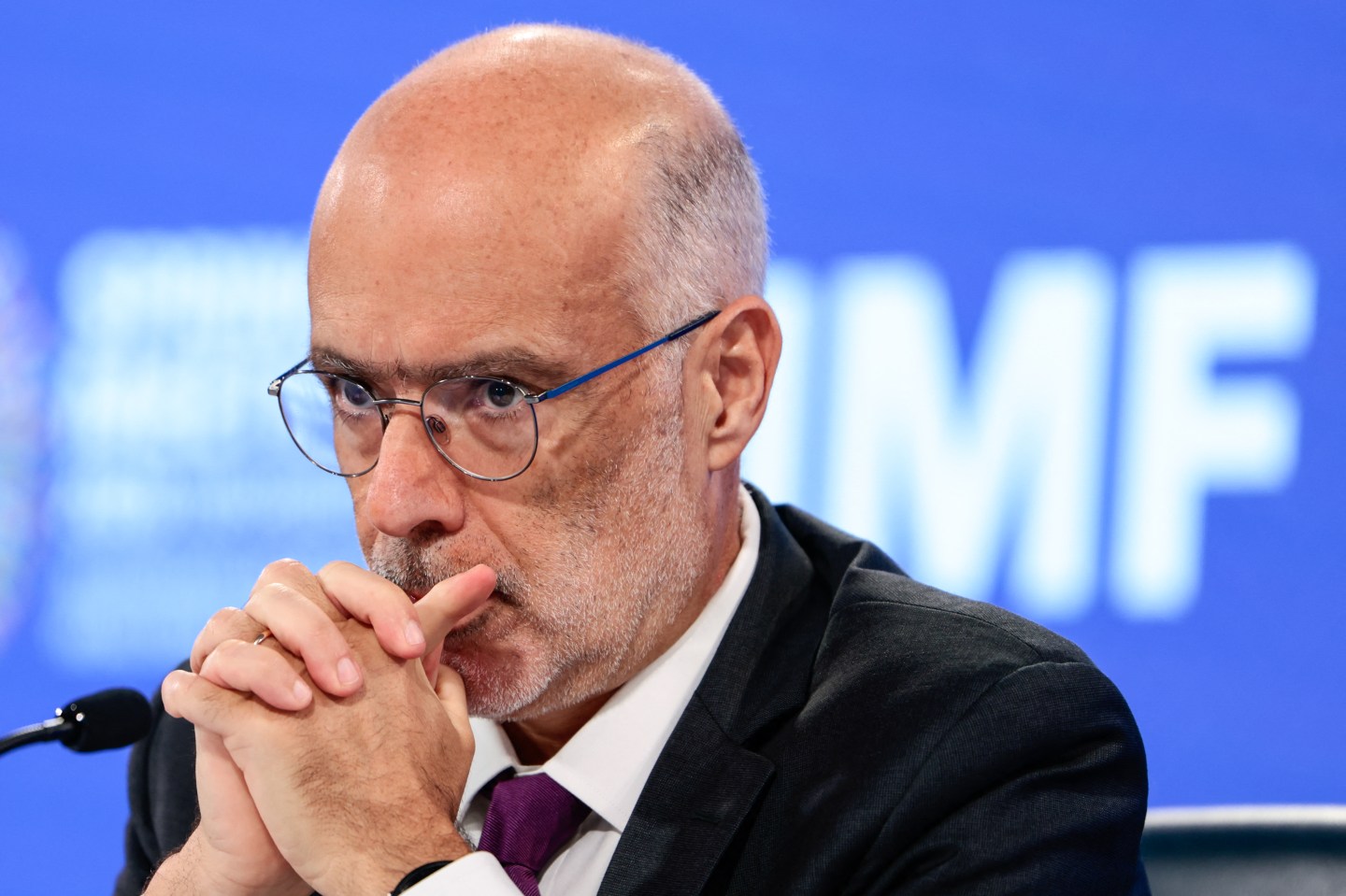
A world going broke: IMF says America's $39 trillion national debt is actually a global problem—and AI may be the only rescue
Economy
A world going broke: IMF says America's $39 trillion national debt is actually a global problem—and AI may be the only rescue
By Nick LichtenbergApril 16, 2026
1 day ago
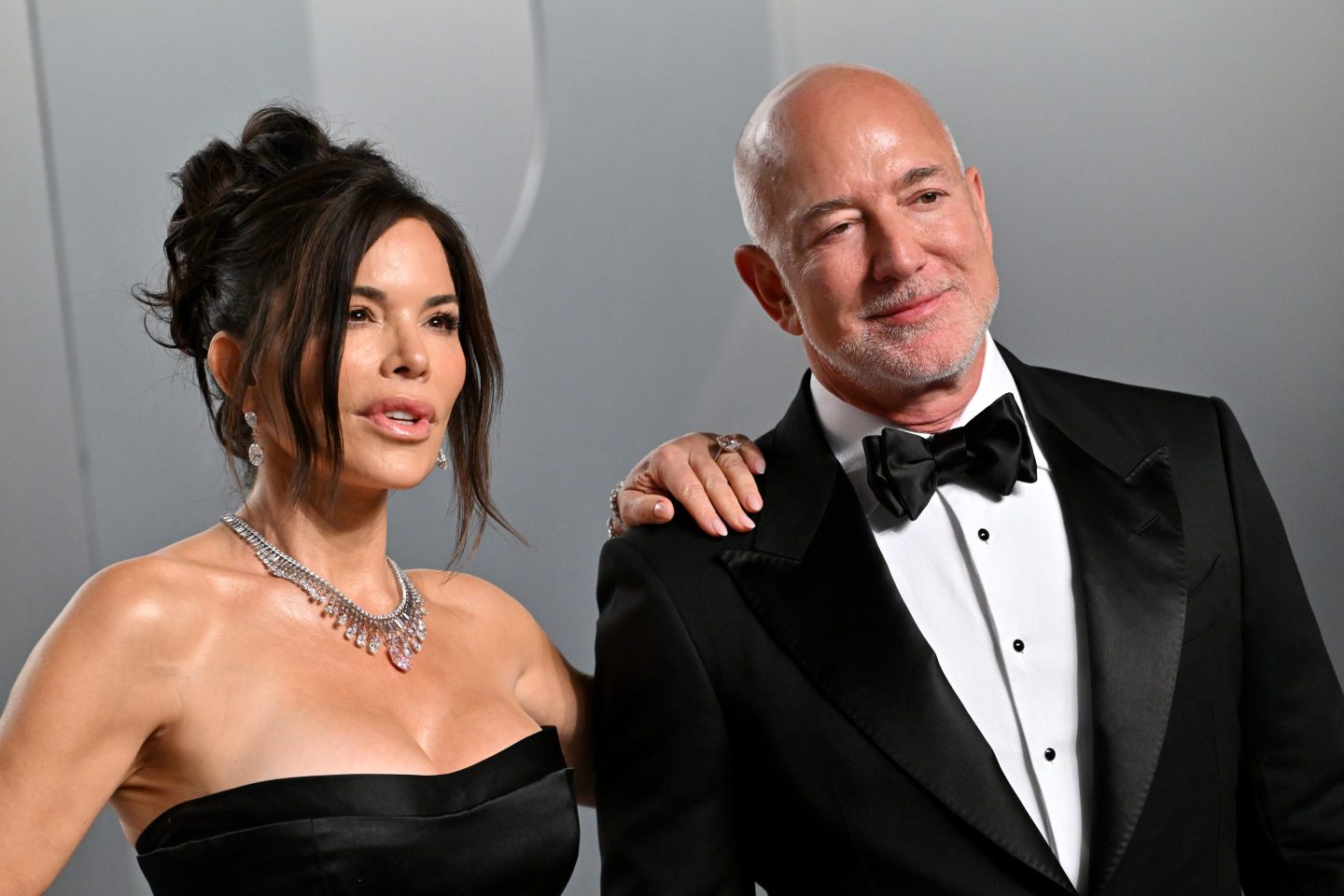
Jeff Bezos pledged $10 billion for climate change. With the 2030 clock ticking, his wife, Lauren Sánchez Bezos, is leading the charge to spend it
Environment
Jeff Bezos pledged $10 billion for climate change. With the 2030 clock ticking, his wife, Lauren Sánchez Bezos, is leading the charge to spend it
By Sydney LakeApril 15, 2026
3 days ago
Germany already told its workers to ditch four-day weeks and work-life balance. Now the government wants to cut their pay for calling in sick, too
Success
Germany already told its workers to ditch four-day weeks and work-life balance. Now the government wants to cut their pay for calling in sick, too
By Orianna Rosa RoyleApril 16, 2026
2 days ago
Iran has reopened the Strait of Hormuz—but experts say it now holds a card that works ‘almost like a nuclear deterrent’
Energy
Iran has reopened the Strait of Hormuz—but experts say it now holds a card that works ‘almost like a nuclear deterrent’
By Eva RoytburgApril 17, 2026
13 hours ago
Older millennials are starting to act like boomers in the housing market—and pulling away from the pack
Real Estate
Older millennials are starting to act like boomers in the housing market—and pulling away from the pack
By Nick LichtenbergApril 17, 2026
20 hours ago

© 2026 Fortune Media IP Limited. All Rights Reserved. Use of this site constitutes acceptance of our Terms of Use and Privacy Policy | CA Notice at Collection and Privacy Notice | Do Not Sell/Share My Personal Information
FORTUNE is a trademark of Fortune Media IP Limited, registered in the U.S. and other countries. FORTUNE may receive compensation for some links to products and services on this website. Offers may be subject to change without notice.