• Home
  • Latest
  • Fortune 500
  • Finance
  • Tech
  • Leadership
  • Lifestyle
  • Rankings
  • Multimedia
TechApple

This Guy Unlocked My iPhone With Play-Doh

Jeff John Roberts
By
Jeff John Roberts
Jeff John Roberts
Editor, Finance and Crypto
Down Arrow Button Icon
Jeff John Roberts
By
Jeff John Roberts
Jeff John Roberts
Editor, Finance and Crypto
Down Arrow Button Icon
April 7, 2016, 11:55 AM ET

Remember the fuss about the FBI breaking into an iPhone? Well, it turns out that hacking into a phone isn’t so hard after all. You can even do it by “spoofing” someone’s fingerprint with ordinary children’s Play-Doh.

As you can see from the video above, Jason Chaikin, who runs a biometrics company called Vkansee, was able to open my iPhone 6 in a matter of minutes. All it took was a copy of my fingerprint and a little blob of Play-Doh to trick the smartphone’s TouchID technology into thinking it was me.

But it’s not just an Apple (AAPL) problem. Chaikin repeated the demonstration with two Android (GOOG) phones, unlocking a Samsung Galaxy S6 and a LG Nexus 5X. He also used the Play-Doh trick to fool the fingerprint sensor on a Microsoft Surface (MSFT) machine.

At a time of growing concern over cyber-security, these demos raise a worrisome question: Are the biometric features on our devices, which are intended to protect our privacy, actually a risk? The question is important at a time when devices contain a growing trove of information and when fingerprint-enabled phones are becoming a common means of payment.

Get Data Sheet, Fortune’s technology newsletter.

The short answer is “it depends,” both on who you are and how you use your phones. Based on interviews with security experts and device makers, fingerprints can never be more than an imperfect privacy solution.

How Vulnerable Are Our Fingerprints?

The sight of an iPhone unlocked with Play-Doh might be alarming, but consider this: Chaikin had to make a mold of my finger to do it and, most important, I agreed to help him. In the real world, this might mean that the only way cyber-scammers could get into your phone is by chopping your finger off.

But as it turns out, the Play-Doh hack is just the tip of the iceberg when it comes to spoofing fingerprints.

According to Nathaniel Couper-Noles of Neohapsis, a security firm owned by Cisco (CSCO), fingerprints are relatively easy to replicate. Law enforcement can obtain them, Sherlock Holmes-style, from desks or coffee cups and then make a mold. They can even be obtained without a physical print — Couper-Noles cited an episode at a recent security conference where hackers captured a print from a distance using a camera.

One option to address such vulnerabilities is through more fine-grained sensors, like one touted by Vkansee, which relies on higher-resolution images that are harder to spoof. The company, which says it is already working with major phone makers, insists its sensor technology is harder to fool in part because it can detect mini-sweat drops that are evidence of a real finger.

As for the device makers, they downplayed the risk posed by biometrics spoofing. In the case of Microsoft, a spokesperson cited the complexity of such attacks:

“[T]he risk of spoofing attacks on customers is extremely limited because the attacker would need to physically access the victim’s device and their face, iris or fingerprints, which requires multiple complex steps. The attacker would also need to successfully execute the attack within five attempts or the device would lock down and require a PIN to unlock.”

Meanwhile, an Apple spokesman declined to comment on the record but did point to a company security page on biometrics, describing security features of the TouchID system. These features (similar to what Microsoft offers) include a password requirement after repeat attempts along with a system meant to ensure no copy of a fingerprint remains on the phone or on Apple servers.

Neither company, however, stated that their biometric features could not be spoofed. Samsung did not offer a comment.

Don’t Depend on Biometrics

Companies are unlikely to develop sensors that can thwart sophisticated spoofers anytime soon. But that doesn’t mean it’s a bad idea for consumers to use them for everyday activities.

According to security expert Rich Mogull of Securosis, companies never intended fingerprint features like TouchID to be perfectly secure in the first place. Instead, they are designed to be “good enough” tools that will work for most people, most of the time.

“You can get around almost any biometric phones out there. I don’t get really worried when I see a new way to circumvent these devices as long as it takes a modicum of effort,” Mogull says.

Mogull explains that, even though his line of work makes him a target for hackers, he still uses TouchID most of the time. Yet in highly-sensitive situations, he’ll elect to turn the feature off and rely on his long passcode instead. He also points out that Apple recognizes the limit of fingerprint authentication, which is why it requires a passcode after 48 hours or after the phone is restarted.

For more about iPhone security, watch:

Mogull adds that some people, including many drug dealers, avoid using fingerprint sensors not only for security reasons, but for legal ones as well. While courts can compel a suspect to provide a fingerprint sample (in the same way they can require a blood test), they can’t demand someone disclose their password. This is because the law can require a physical act, but it can’t require someone to share what’s in their mind.

Ultimately, Mogull stresses the best form of security is a three-tier system described as “something you have, something you know and something you are.” Translation: 1) a token or pass code from the company; 2) a secret passcode only you know; 3) a distinct biometric quality like your fingerprint or iris.

But for ordinary people, most device owners will be just fine using their thumbprints. As for the Play-Doh hack, the only person likely to use this against you is someone you live with—and they probably know most of your secrets anyways.

About the Author
Jeff John Roberts
By Jeff John RobertsEditor, Finance and Crypto
LinkedIn iconTwitter icon

Jeff John Roberts is the Finance and Crypto editor at Fortune, overseeing coverage of the blockchain and how technology is changing finance.

See full bioRight Arrow Button Icon

Latest in Tech

Finance
Lorem ipsum dolor sit amet, consectetur adipiscing elit, sed do eiusmod tempor incididunt ut labore et dolore magna aliqua. Ut enim ad minim veniam
By Fortune Editors
October 20, 2025
Finance
Lorem ipsum dolor sit amet, consectetur adipiscing elit, sed do eiusmod tempor incididunt ut labore et dolore magna aliqua. Ut enim ad minim veniam
By Fortune Editors
October 20, 2025
Finance
Lorem ipsum dolor sit amet, consectetur adipiscing elit, sed do eiusmod tempor incididunt ut labore et dolore magna aliqua. Ut enim ad minim veniam
By Fortune Editors
October 20, 2025
Finance
Lorem ipsum dolor sit amet, consectetur adipiscing elit, sed do eiusmod tempor incididunt ut labore et dolore magna aliqua. Ut enim ad minim veniam
By Fortune Editors
October 20, 2025
Finance
Lorem ipsum dolor sit amet, consectetur adipiscing elit, sed do eiusmod tempor incididunt ut labore et dolore magna aliqua. Ut enim ad minim veniam
By Fortune Editors
October 20, 2025
Finance
Lorem ipsum dolor sit amet, consectetur adipiscing elit, sed do eiusmod tempor incididunt ut labore et dolore magna aliqua. Ut enim ad minim veniam
By Fortune Editors
October 20, 2025

Most Popular

Finance
Lorem ipsum dolor sit amet, consectetur adipiscing elit, sed do eiusmod tempor incididunt ut labore et dolore magna aliqua. Ut enim ad minim veniam
By Fortune Editors
October 20, 2025
Finance
Lorem ipsum dolor sit amet, consectetur adipiscing elit, sed do eiusmod tempor incididunt ut labore et dolore magna aliqua. Ut enim ad minim veniam
By Fortune Editors
October 20, 2025
Finance
Lorem ipsum dolor sit amet, consectetur adipiscing elit, sed do eiusmod tempor incididunt ut labore et dolore magna aliqua. Ut enim ad minim veniam
By Fortune Editors
October 20, 2025
Finance
Lorem ipsum dolor sit amet, consectetur adipiscing elit, sed do eiusmod tempor incididunt ut labore et dolore magna aliqua. Ut enim ad minim veniam
By Fortune Editors
October 20, 2025
Finance
Lorem ipsum dolor sit amet, consectetur adipiscing elit, sed do eiusmod tempor incididunt ut labore et dolore magna aliqua. Ut enim ad minim veniam
By Fortune Editors
October 20, 2025
Finance
Lorem ipsum dolor sit amet, consectetur adipiscing elit, sed do eiusmod tempor incididunt ut labore et dolore magna aliqua. Ut enim ad minim veniam
By Fortune Editors
October 20, 2025
Fortune Secondary Logo
Rankings
  • 100 Best Companies
  • Fortune 500
  • Global 500
  • Fortune 500 Europe
  • Most Powerful Women
  • Future 50
  • World’s Most Admired Companies
  • See All Rankings
Sections
  • Finance
  • Fortune Crypto
  • Features
  • Leadership
  • Health
  • Commentary
  • Success
  • Retail
  • Mpw
  • Tech
  • Lifestyle
  • CEO Initiative
  • Asia
  • Politics
  • Conferences
  • Europe
  • Newsletters
  • Personal Finance
  • Environment
  • Magazine
  • Education
Customer Support
  • Frequently Asked Questions
  • Customer Service Portal
  • Privacy Policy
  • Terms Of Use
  • Single Issues For Purchase
  • International Print
Commercial Services
  • Advertising
  • Fortune Brand Studio
  • Fortune Analytics
  • Fortune Conferences
  • Business Development
  • Group Subscriptions
About Us
  • About Us
  • Editorial Calendar
  • Press Center
  • Work At Fortune
  • Diversity And Inclusion
  • Terms And Conditions
  • Site Map
  • About Us
  • Editorial Calendar
  • Press Center
  • Work At Fortune
  • Diversity And Inclusion
  • Terms And Conditions
  • Site Map
  • Facebook icon
  • Twitter icon
  • LinkedIn icon
  • Instagram icon
  • Pinterest icon

Latest in Tech

scott bessent
CybersecurityFederal Reserve
The AI that found 27-year-old vulnerabilities no human ever caught before just forced an emergency meeting with every major Wall Street CEO
By Jake AngeloApril 10, 2026
1 hour ago
Ukraine will have the most important defense industrial base in the free world, former CIA chief predicts
InnovationDefense
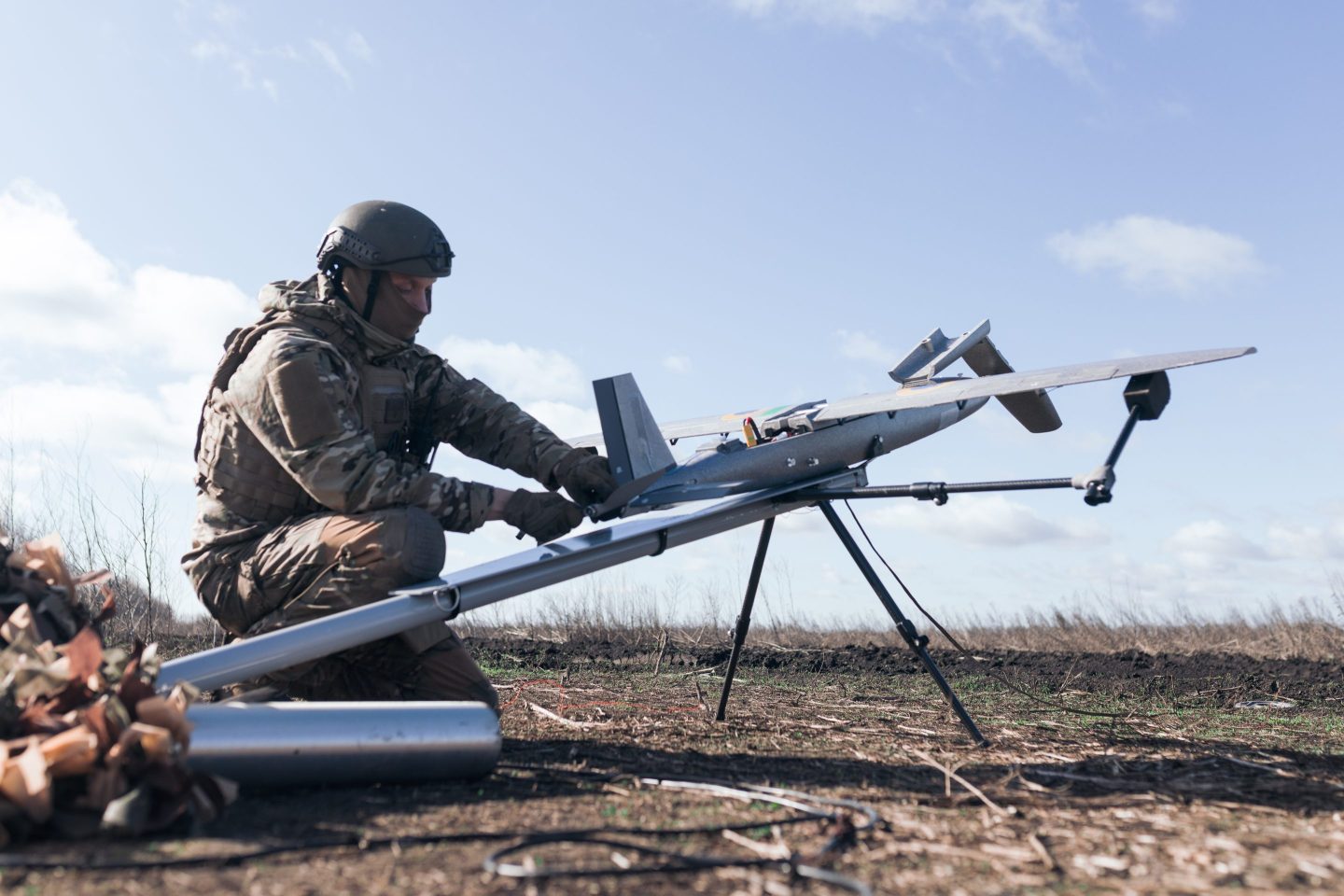
Ukraine will have the most important defense industrial base in the free world, former CIA chief predicts
By Jason MaApril 10, 2026
4 hours ago
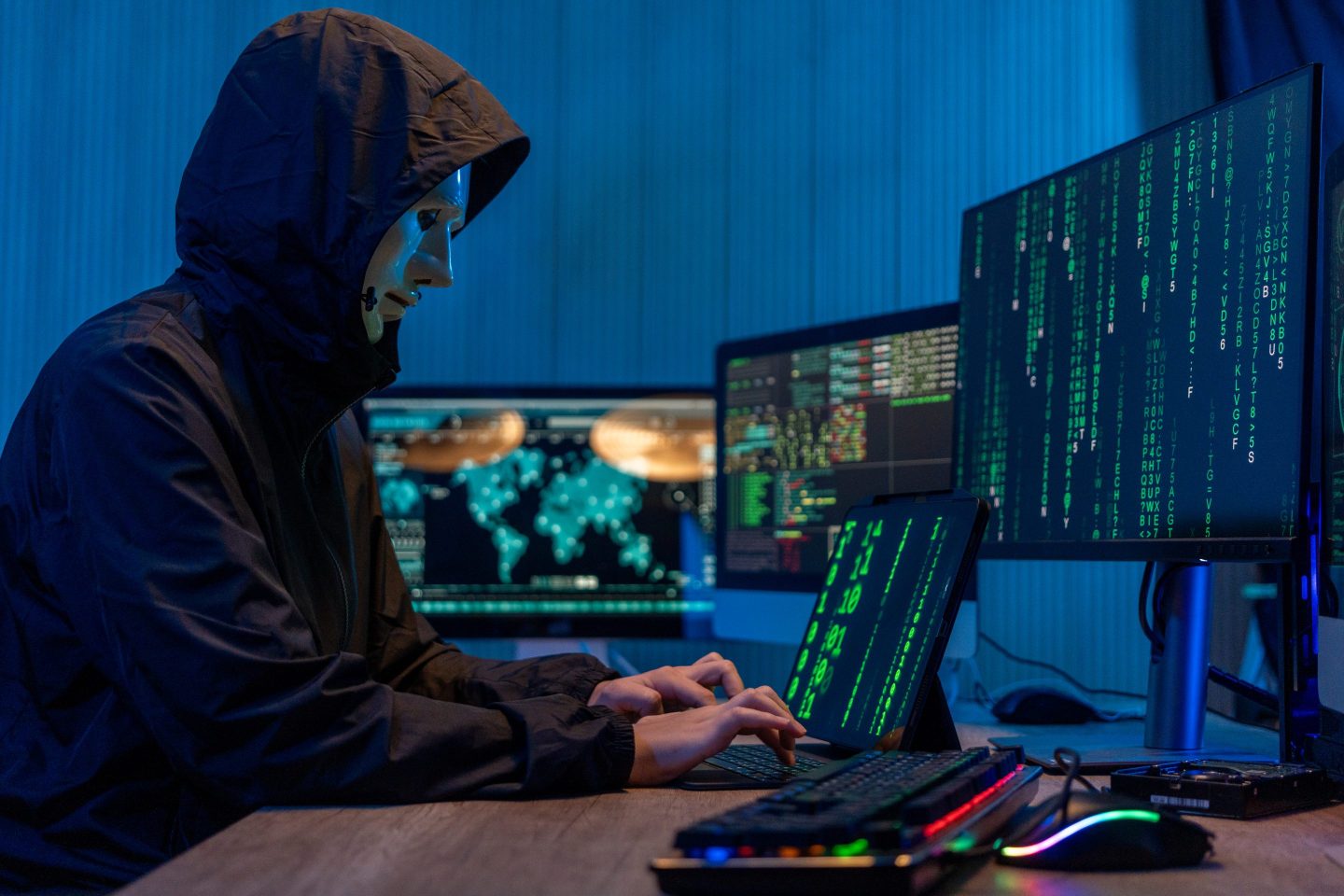
A hacker in a dark hoodie and wearing a creepy white mask sits at a keyboard in front of multiple computer monitors in a dark, blue-shaded room.
CybersecurityAnthropic
Anthropic is limiting access to its latest AI model, Mythos. The real risks may already be out there
By Beatrice NolanApril 10, 2026
4 hours ago
‘Downward mobility is incredibly radicalizing’: The college bargain is broken. What comes next could reshape America
EconomyColleges and Universities
‘Downward mobility is incredibly radicalizing’: The college bargain is broken. What comes next could reshape America
By Nick LichtenbergApril 10, 2026
6 hours ago
Who’s really in control as AI and Big Tech race ahead?
MagazineEurope
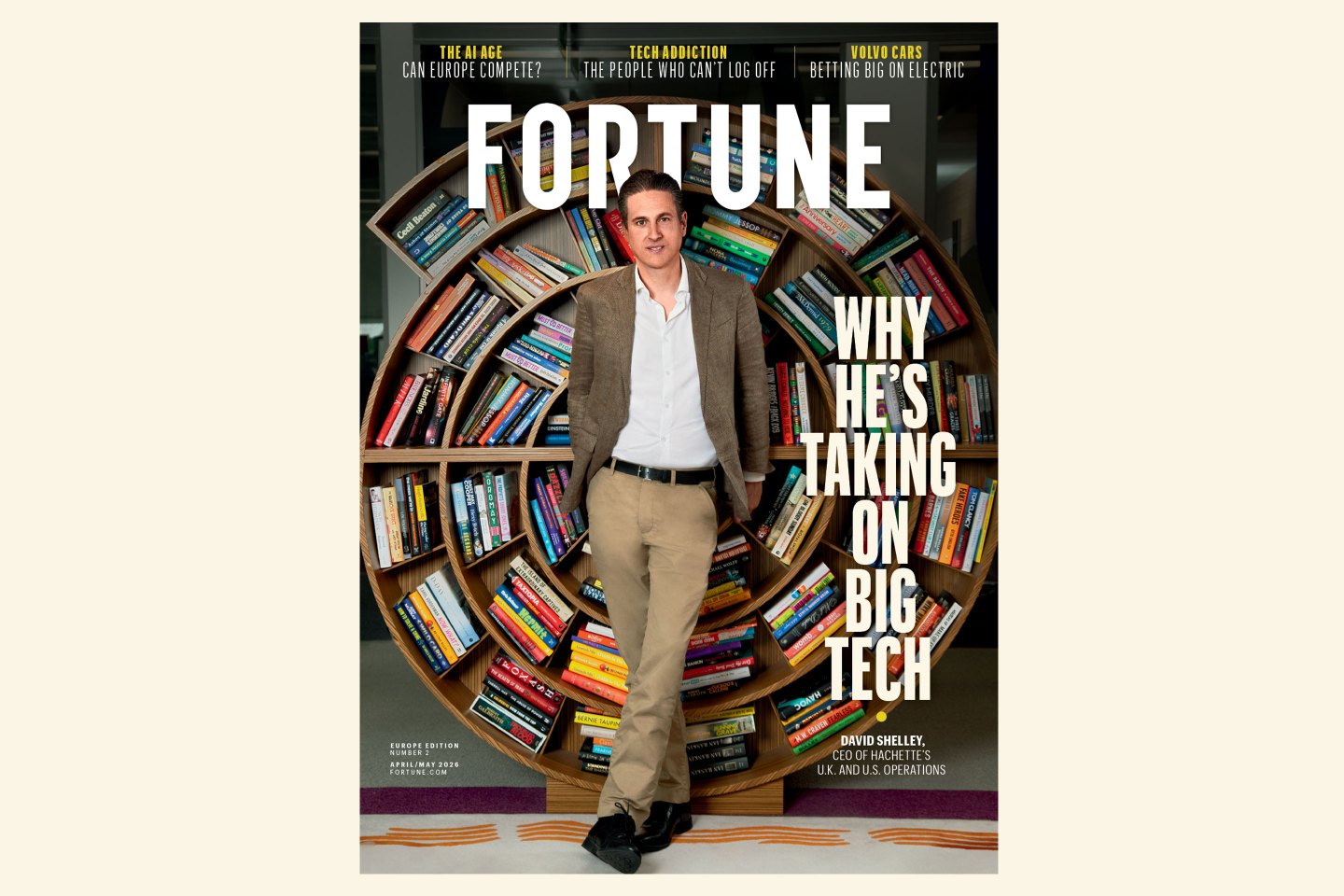
Who’s really in control as AI and Big Tech race ahead?
By Francesca CassidyApril 10, 2026
8 hours ago
Photo: Donald Trump
EconomyMarkets
U.S. and Iran begin peace talks as Trump’s White House goes to war against the media, insider traders, and the Pope
By Jim EdwardsApril 10, 2026
9 hours ago

Most Popular

The U.S. government is spending $88 billion a month in interest on national debt—equal to spending on defense and education combined
Economy
The U.S. government is spending $88 billion a month in interest on national debt—equal to spending on defense and education combined
By Fortune EditorsApril 9, 2026
1 day ago
A Meta employee created a dashboard so coworkers can compete to be the company's No. 1 AI token user—and Zuckerberg doesn't even rank in the top 250
AI
A Meta employee created a dashboard so coworkers can compete to be the company's No. 1 AI token user—and Zuckerberg doesn't even rank in the top 250
By Fortune EditorsApril 9, 2026
1 day ago
Mark Cuban admits he made a mistake letting go of the Mavericks: 'I don't regret selling. I regret who I sold to'
Investing
Mark Cuban admits he made a mistake letting go of the Mavericks: 'I don't regret selling. I regret who I sold to'
By Fortune EditorsApril 9, 2026
1 day ago
'I hate working 5 days': Zoom CEO says traditional work schedules are becoming obsolete—and predicts a 3-day workweek by 2031
Success
'I hate working 5 days': Zoom CEO says traditional work schedules are becoming obsolete—and predicts a 3-day workweek by 2031
By Fortune EditorsApril 9, 2026
1 day ago
Gen Z doesn't want your full-time job. They want several part-time roles, and it's reshaping the entire workforce
Success
Gen Z doesn't want your full-time job. They want several part-time roles, and it's reshaping the entire workforce
By Fortune EditorsApril 9, 2026
1 day ago
Schools across America are quietly admitting that screens in classrooms made students worse off and are reversing years of tech-first policies
Innovation
Schools across America are quietly admitting that screens in classrooms made students worse off and are reversing years of tech-first policies
By Fortune EditorsApril 10, 2026
11 hours ago

© 2026 Fortune Media IP Limited. All Rights Reserved. Use of this site constitutes acceptance of our Terms of Use and Privacy Policy | CA Notice at Collection and Privacy Notice | Do Not Sell/Share My Personal Information
FORTUNE is a trademark of Fortune Media IP Limited, registered in the U.S. and other countries. FORTUNE may receive compensation for some links to products and services on this website. Offers may be subject to change without notice.