• Home
  • News
  • Fortune 500
  • Tech
  • Finance
  • Leadership
  • Lifestyle
  • Rankings
  • Multimedia

Why this could be the bull market’s last charge

By
Stephen Gandel
Stephen Gandel
Down Arrow Button Icon
By
Stephen Gandel
Stephen Gandel
Down Arrow Button Icon
March 26, 2012, 6:57 PM ET

Three years and still kicking.

Stocks, after stumbling last week, were up on Monday, in part because of comments from Ben Bernanke that suggests the Fed might be willing to do more to goose the economy. That’s sure to lift the spirits of the crowd that believe the three-year bull run in stocks is far from over. Burton Malkiel recently became the latest high-profile market commentator to proclaim that stocks are cheap. Warren Buffett and strategists at Goldman Sachs have also been out there saying it is still time to buy stocks.

Malkiel’s argument for stocks is awkward and a little bizarre for a number of reasons, not the least of which is the fact that Malkiel is the one making the argument. Malkiel, afterall, is a Princeton professor who is famous for his book, A Random Walk on Wall Street. The central thesis of that book is that you can’t do what Malkiel is now trying to do – predict where stocks will go in the future. It’s a “random walk.” But even putting that aside, Malkiel’s logic has some big flaws.

Malkiel says stocks are a good buy right now because the average dividend yield of the Standard & Poor’s 500 is about 2%. Combine that with a projection from analysts that corporate earnings will rise 5% a year on average and Malkiel says investors buying into the stock market right now can expect a 7% return on their investment for the foreseeable future. With 10-year Treasury bonds now yielding 2.24%, that sounds pretty good.

The problem is that while Malkiel is saying stocks are a “good buy” right now, his argument really has nothing to do with how stocks are priced, which would actually determine whether stocks are a indeed a good investment or not. Earnings could rise 10% a year for the next decade, but that wouldn’t help investors buying in today if stocks are already overpriced. The price/earnings multiple is what determines whether stocks are a “good buy” or not. And by saying nothing about p/es, Malkiel is essentially saying that he thinks stocks are fairly valued right now, meaning p/e multiples aren’t likely to go up or down.

Recently, though, the average trailing p/e multiple – calculated by dividing the price by the 12 months of earnings – of the stocks in the S&P 500 has been rising, after falling for much of the past decade, up from around 10 at the beginning of the bull market to about 14 now. But that may be about to reverse. That’s because all the things that typically make p/es go higher look tapped out. Interest rates and inflation, things that typically make stock values go up when they fall, are as low as they can go. And the opposite is true of profit margins, which are at an all-time high. What’s more, high U.S. budget deficits likely means corporate taxes will rise as well, a negative for stock market multiples as well. “It’s hard to expect any of the basic big things that make multiples go up to improve from here,” says Jason Trennert, a top market strategist and co-founder of Strategas Research Partners.

And while Malkiel cites a 2% dividend yield as a selling point for stocks, it’s not. Dividend yields, like p/es, are way to measure whether stocks are cheap, and 2% isn’t. The S&P 500 has average a dividend yield of 3% over the past 40 years. Buy in at anything less than that and you are maybe overpaying.

That means Malkiel’s whole argument is really rested on a prediction of analysts that corporate earnings will grow 5%. Analysts, though, are notoriously overly optimistic. They basically expect whatever happened in the past to happen in the future, especially when the recent past has been pretty good. Recently, earnings have been rising rapidly. That’s not likely to continue. And while 5% might not sound like much, at a time when the GDP is only growing 2%, and profit margins are at an all-time high, 5% looks like a stretch. Rob Arnott, for one, thinks we have hit peak earnings. So not much of a reason to buy stocks at all.


About the Author
By Stephen Gandel
See full bioRight Arrow Button Icon

Latest in

Workplace CultureHuman resources
‘Ambulances had to be called, it was a whole thing’: How HR leaders deal with too much fun at holiday parties
By Vicky Valet and HR BrewDecember 2, 2025
26 seconds ago
Curry, King
Commentaryphilanthropy
Why time is becoming the new currency of giving
By Arndrea Waters King and Ayesha CurryDecember 2, 2025
18 minutes ago
Google CEO Sundar Pichai
SuccessCareers
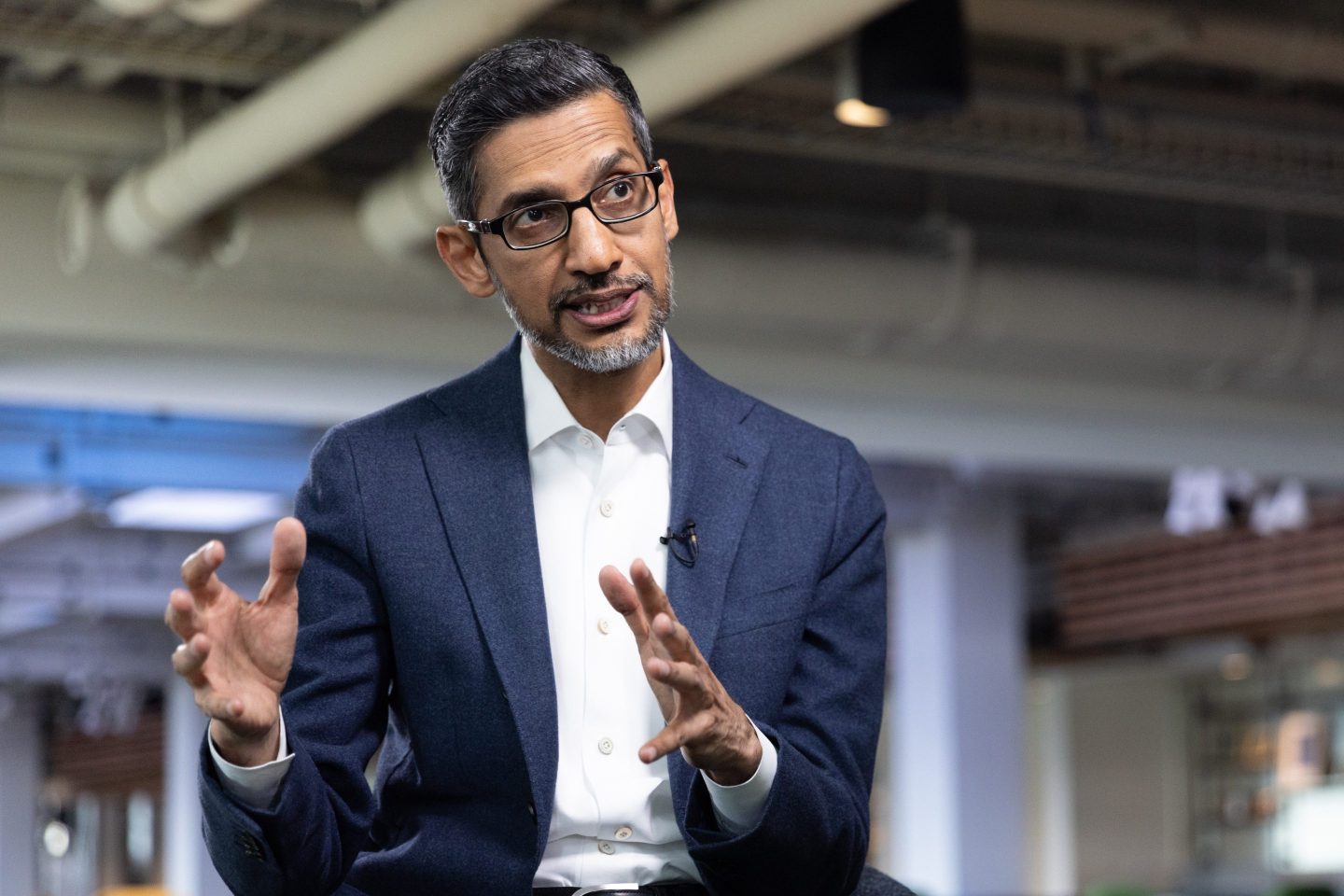
As AI wipes jobs, Google CEO Sundar Pichai says it’s up to everyday people to adapt accordingly: ‘We will have to work through societal disruption’
By Emma BurleighDecember 2, 2025
28 minutes ago
NewslettersMPW Daily
What to know about Anthropic cofounder Daniela Amodei as the OpenAI competitor races toward profitability
By Emma HinchliffeDecember 2, 2025
54 minutes ago
LawLaw
Inside the economics of Candace Owens’ media empire and the Macron lawsuit threatening to unravel it
By Lily Mae LazarusDecember 2, 2025
55 minutes ago
North Americaphilanthropy
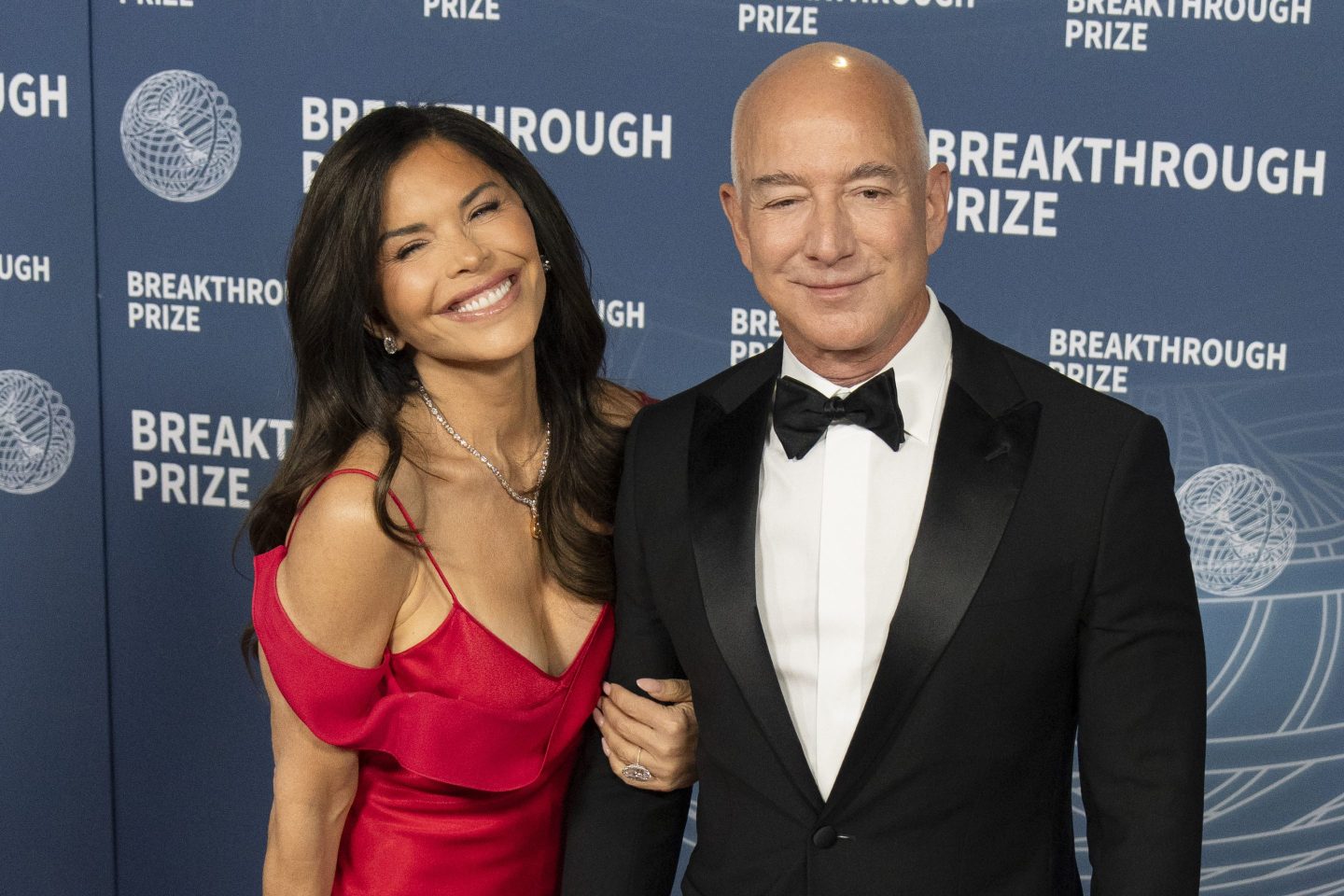
Jeff Bezos and Lauren Sánchez Bezos commit $102.5 million to organizations combatting homelessness across the U.S.: ‘This is just the beginning’
By Sydney LakeDecember 2, 2025
57 minutes ago

Most Popular

placeholder alt text
Economy
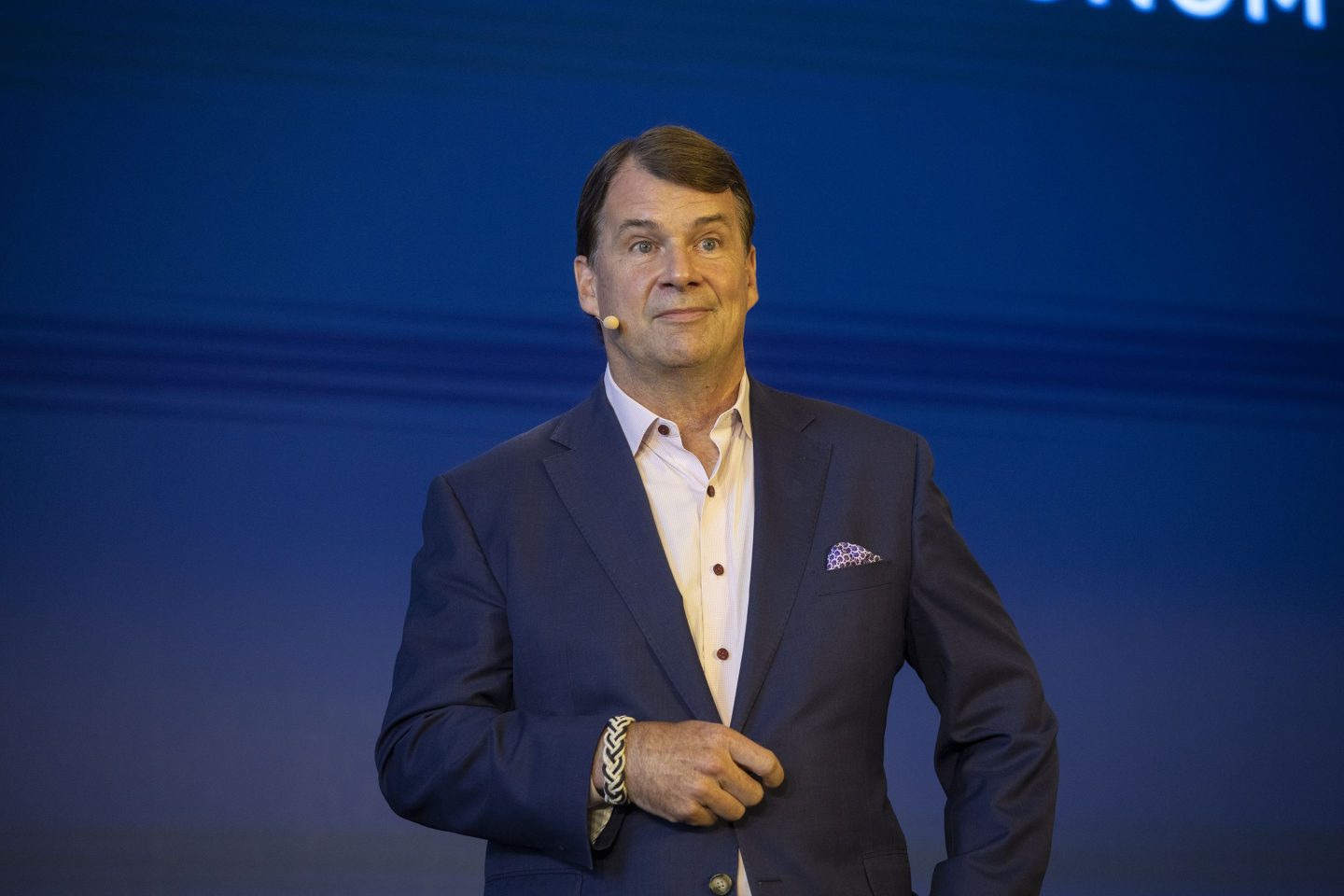
Ford workers told their CEO 'none of the young people want to work here.' So Jim Farley took a page out of the founder's playbook
By Sasha RogelbergNovember 28, 2025
4 days ago
placeholder alt text
Success
Forget the four-day workweek, Elon Musk predicts you won't have to work at all in ‘less than 20 years'
By Jessica CoacciDecember 1, 2025
23 hours ago
placeholder alt text
Success
Warren Buffett used to give his family $10,000 each at Christmas—but when he saw how fast they were spending it, he started buying them shares instead
By Eleanor PringleDecember 2, 2025
5 hours ago
placeholder alt text
Innovation
Google CEO Sundar Pichai says we’re just a decade away from a new normal of extraterrestrial data centers
By Sasha RogelbergDecember 1, 2025
22 hours ago
placeholder alt text
Personal Finance
Current price of gold as of December 1, 2025
By Danny BakstDecember 1, 2025
1 day ago
placeholder alt text
Big Tech
Elon Musk, fresh off securing a $1 trillion pay package, says philanthropy is 'very hard'
By Sydney LakeDecember 1, 2025
1 day ago
Rankings
  • 100 Best Companies
  • Fortune 500
  • Global 500
  • Fortune 500 Europe
  • Most Powerful Women
  • Future 50
  • World’s Most Admired Companies
  • See All Rankings
Sections
  • Finance
  • Leadership
  • Success
  • Tech
  • Asia
  • Europe
  • Environment
  • Fortune Crypto
  • Health
  • Retail
  • Lifestyle
  • Politics
  • Newsletters
  • Magazine
  • Features
  • Commentary
  • Mpw
  • CEO Initiative
  • Conferences
  • Personal Finance
  • Education
Customer Support
  • Frequently Asked Questions
  • Customer Service Portal
  • Privacy Policy
  • Terms Of Use
  • Single Issues For Purchase
  • International Print
Commercial Services
  • Advertising
  • Fortune Brand Studio
  • Fortune Analytics
  • Fortune Conferences
  • Business Development
About Us
  • About Us
  • Editorial Calendar
  • Press Center
  • Work At Fortune
  • Diversity And Inclusion
  • Terms And Conditions
  • Site Map

© 2025 Fortune Media IP Limited. All Rights Reserved. Use of this site constitutes acceptance of our Terms of Use and Privacy Policy | CA Notice at Collection and Privacy Notice | Do Not Sell/Share My Personal Information
FORTUNE is a trademark of Fortune Media IP Limited, registered in the U.S. and other countries. FORTUNE may receive compensation for some links to products and services on this website. Offers may be subject to change without notice.