Have you ever had a nasty infection that just won’t seem to go away? Or a runny nose that keeps coming back? You may have been dealing with a bacterium that is tolerant of, though not yet resistant to, antibiotics.
Antibiotic resistance is a huge problem, contributing to nearly 1.27 million deaths worldwide in 2019. But antibiotic tolerance is a covert threat that researchers have only recently begun to explore.
Antibiotic tolerance happens when a bacterium manages to survive for a long time after being exposed to an antibiotic. While antibiotic-resistant bacteria flourish even in the presence of an antibiotic, tolerant bacteria often exist in a dormant state, neither growing nor dying but putting up with the antibiotic until they can “reawaken” once the stress is gone. Tolerance has been linked to the spread of antibiotic resistance.
I am a microbiologist who studies antibiotic tolerance, and I seek to uncover what triggers tolerant bacteria to enter a protective dormant slumber. By understanding why bacteria have the ability to become tolerant, researchers hope to develop ways to avoid the spread of this ability. The exact mechanism that sets tolerance apart from resistance has been unclear. But one possible answer may reside in a process that has been overlooked for decades: how bacteria create their energy.
Cholera and antibiotic tolerance
Many antibiotics are designed to break through the bacteria’s outer defenses like a cannonball through a stone fortress. Resistant bacteria are immune to the cannonball because they can either destroy it before it damages their outer wall or change their own walls to be able to withstand the impact.
Tolerant bacteria can remove their wall entirely and avoid damage altogether. No wall, no target for the cannonball to smash. If the threat goes away before too long, the bacterium can rebuild its wall to protect it from other environmental dangers and resume normal functions. However, it is still unknown how bacteria know the antibiotic threat is gone, and what exactly triggers their reawakening.
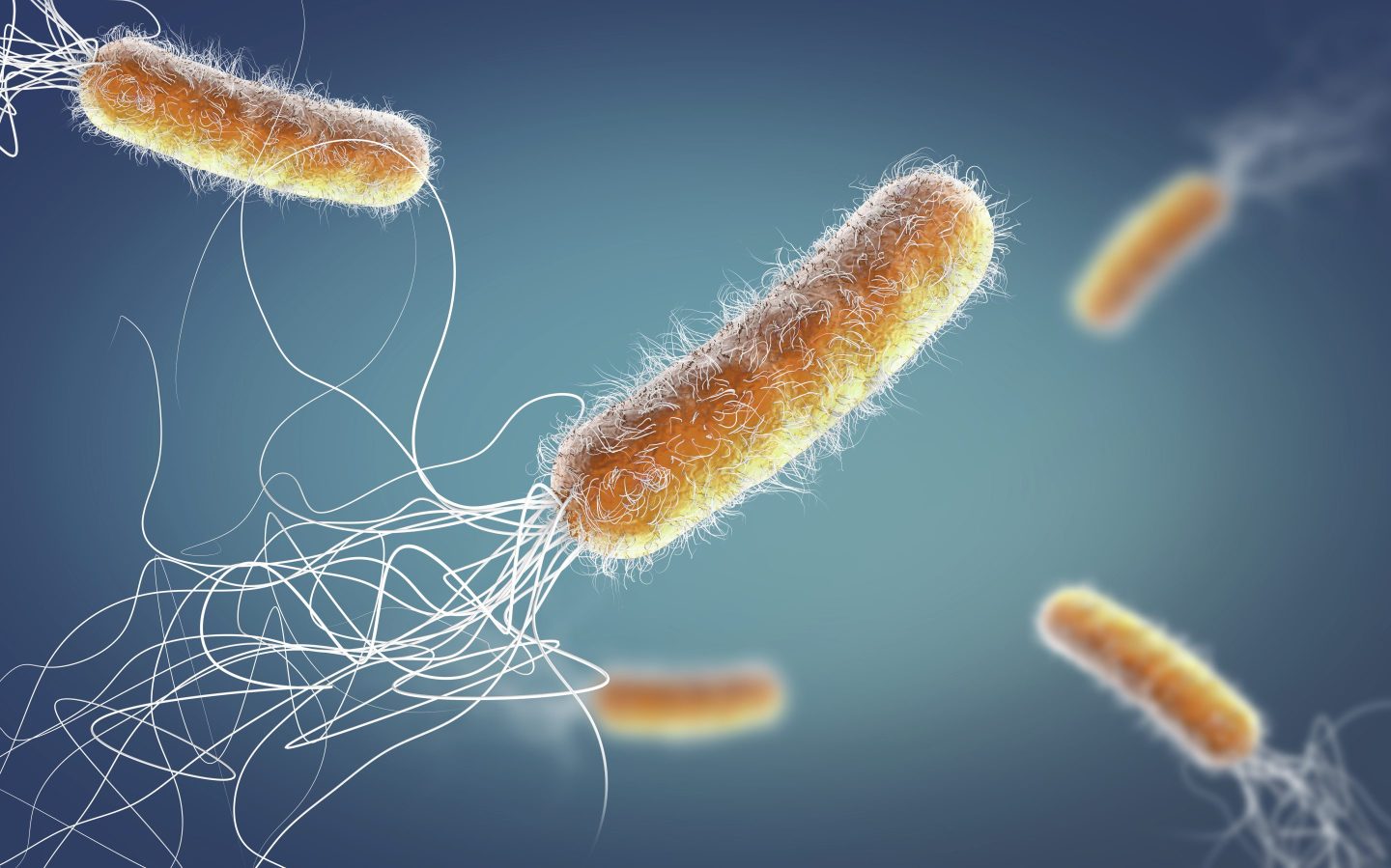
My colleagues and I at the Dörr Lab at Cornell University are trying to understand processes of activation and reawakening in the tolerant bacteria responsible for cholera, Vibrio cholerae. Vibrio is rapidly evolving resistance against various types of antibiotics, and doctors are concerned. As of 2010, Vibrio is already resistant to 36 different antibiotics, and this number is expected to continue rising.
To study how Vibrio develops resistance, we chose a strain that is tolerant to a class of antibiotics called beta-lactams. Beta-lactams are the cannonball sent to destroy the bacteria’s fortress, and Vibrio adapts by activating two genes that temporarily remove its cell wall. I witnessed this phenomenon using a microscope. After removing its cell wall, the bacteria activate even more genes that morph it into fragile globs that can survive the effects of the antibiotic. Once the antibiotic is removed or degraded, Vibrio returns to its normal rod shape and continues to grow.
In people, this process of tolerance is seen when a doctor prescribes an antibiotic, typically doxycycline, to a patient infected with cholera. The antibiotic temporarily seems to stop the infection. But then the symptoms start back up again because the antibiotics never fully cleared the bacteria in the first place.
The ability to revert back to normal and grow after the antibiotic is gone is the key to tolerant survival. Exposing Vibrio to an antibiotic for a long enough time would eventually kill it. But a standard course of antibiotics often isn’t long enough to get rid of all the bacteria even in their fragile state.
However, taking a medicine for a prolonged period can harm healthy bacteria and cells, causing further discomfort and illness. Additionally, misuse and extended exposure to antibiotics can increase the chances of other bacteria residing in the body becoming resistant.
Other bacteria developing tolerance
Vibrio isn’t the only species to exhibit tolerance. In fact, researchers have recently identified many infectious bacteria that have developed tolerance. A bacteria family called Enterobacteriaceae, which include major food-borne disease pathogens Salmonella, Shigella and E. coli, are just a few of the many types of bacteria that are capable of antibiotic tolerance.
As every bacterium is unique, the way one develops tolerance seems to be as well. Some bacteria, like Vibrio, erase their cell walls. Others can alter their energy sources, increase their ability to move or simply pump out the antibiotic.
I recently found that a bacterium’s metabolism, or the way it breaks down “food” to make energy, may play a significant role in its ability to become tolerant. Different structures within a bacterium, including its outer wall, are made of specific building blocks like proteins. Stopping the bacterium’s ability to craft these pieces weakens its wall, making it more likely to take damage from the outside environment before it can take the wall down.
Tolerance and resistance are connected
Although there has been considerable research on how bacteria develop tolerance, a key piece of the puzzle that has been neglected is how tolerance leads to resistance.
In 2016, researchers discovered how to make bacteria tolerant in the laboratory. After repeated exposure to different antibiotics, E. coli cells were able to adapt and survive. DNA, the genetic material containing instructions for cell function, is a fragile molecule. When DNA is damaged rapidly by stress, such as antibiotic exposure, the cell’s repair mechanisms tend to mess up and cause mutations that can create resistance and tolerance. Because E. coli is similar to many different types of bacteria, these researchers’ findings revealed that, ironically, essentially any bacteria can develop tolerance if pushed to their limits by the antibiotics meant to kill them.
Another recent key discovery was that the longer bacteria remain tolerant, the more likely they are to develop mutations leading to resistance. Tolerance allows bacteria to develop a resistance mutation that reduces their chances of being killed during antibiotic treatment. This is especially relevant to bacterial communities often seen in biofilms that tend to coat high-touch surfaces in hospitals. Biofilms are slimy layers of bacteria that ooze a protective jelly that makes antibiotic treatment difficult and DNA sharing between microbes easy. They can induce bacteria to evolve resistance. These conditions are thought to mimic what could be happening during antibiotic-treated infections, in which many bacteria are living next to one another and sharing DNA.
Researchers are calling for more research into antibiotic tolerance with the hope that it will lead to more robust treatments in both infectious diseases and cancers. And there is reason to be hopeful. In one promising development, a mouse study found that decreasing tolerance also reduced resistance.
Meanwhile, there are steps everyone can take to aid in the battle against antibiotic tolerance and resistance. You can do this by taking an antibiotic exactly as prescribed by a doctor and finishing the entire bottle. Brief, inconsistent exposure to a medicine primes bacteria to become tolerant and eventually resistant. Smarter use of antibiotics by everyone can stop the evolution of tolerant bacteria.
Megan Keller, Ph.D. Candidate in Microbiology, Cornell University
This article is republished from The Conversation under a Creative Commons license. Read the original article.