• Home
  • Latest
  • Fortune 500
  • Finance
  • Tech
  • Leadership
  • Lifestyle
  • Rankings
  • Multimedia
HealthCoronavirus

Crucial data about the origins of COVID is only now being disclosed. A scientist weighs the cost of the delay

By
Dominic Dwyer
Dominic Dwyer
and
The Conversation
The Conversation
Down Arrow Button Icon
By
Dominic Dwyer
Dominic Dwyer
and
The Conversation
The Conversation
Down Arrow Button Icon
March 23, 2023, 6:52 PM ET
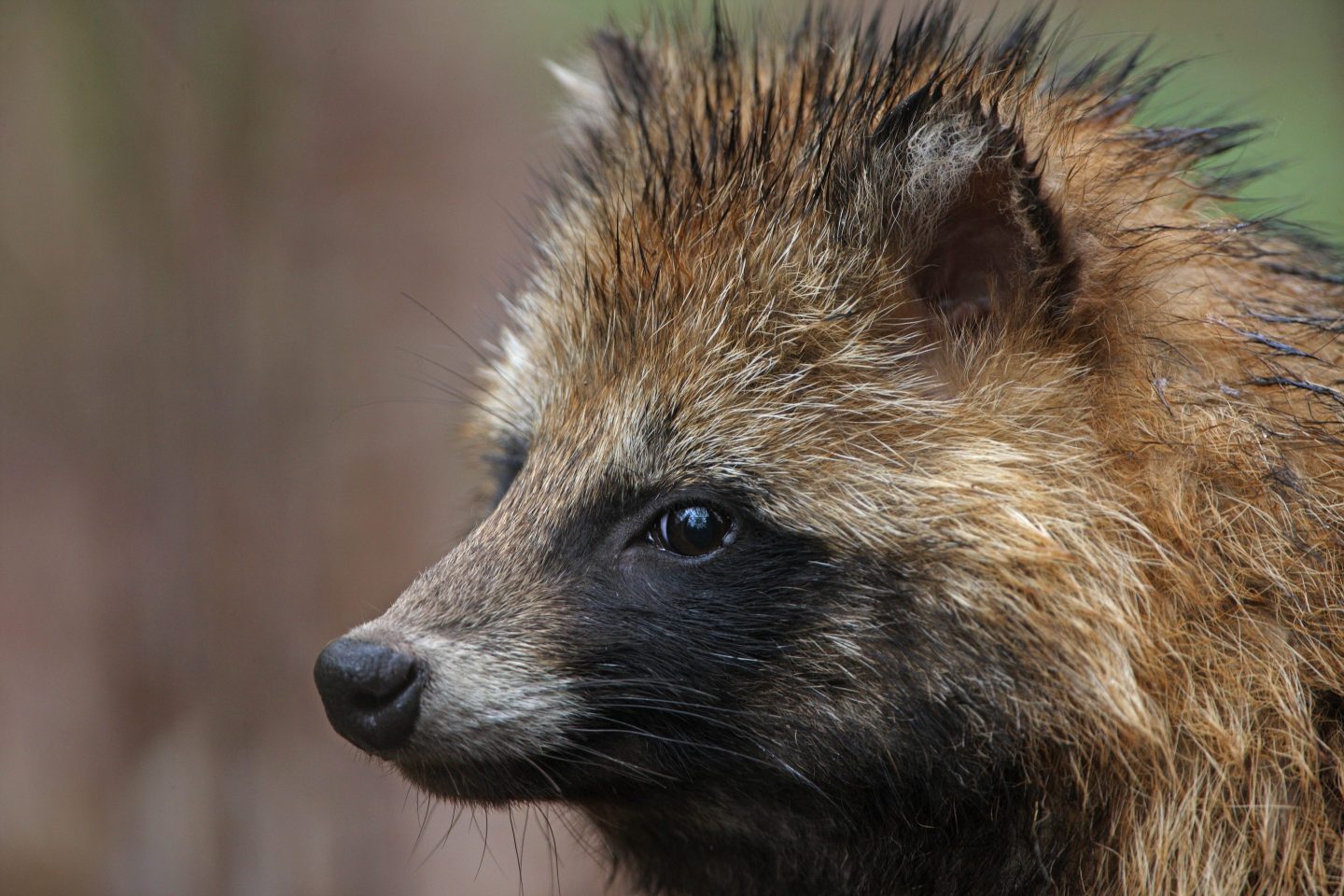
Now we have stronger evidence that places raccoon dogs at the market as a possible animal reservoir of SARS-CoV-2, potentially infecting humans.
Now we have stronger evidence that places raccoon dogs at the market as a possible animal reservoir of SARS-CoV-2, potentially infecting humans.Getty Images

Once more, we’re talking about the origins of SARS-CoV-2, the virus that causes COVID-19.

First the US Department of Energy’s review gave more emphasis to the laboratory leak hypothesis than previously, although the confidence for this conclusion was low.

Second, and more importantly, is the release and analysis this week of viral and animal genetic material collected from the Huanan wet market in Wuhan, the place forever associated with the beginning of the pandemic.

It’s a subject close to me. I was the Australian representative on the international World Health Organization (WHO) investigation into the origins of SARS-CoV-2. I went to Wuhan on a fact-finding mission in early 2021. I visited the now-closed market.

Now we have stronger evidence that places raccoon dogs at the market as a possible animal reservoir of SARS-CoV-2, potentially infecting humans.

If we’d had this evidence three years ago, we need to ask ourselves how different recent history would have been. We would have reduced the enormous energy, media frenzy and political argy-bargy about less likely hypotheses of the pandemic’s origins. We might have better focused our research attention.

The twists, turns and puzzles

Samples were taken from various places in the market, in January 2020, within weeks of the early COVID-19 cases in Wuhan. SARS-CoV-2 RNA and human DNA were identified in these environmental samples, although no animal swabs were positive for the virus.

This was presented to the WHO team investigating the origins of the pandemic in January 2021, of which I was part.

The work was published as a preprint (posted online, before being independently verified) in February 2022.

The underlying “metagenomic” data to support the conclusions in the preprint – that SARS-CoV-2 and human (but not animal) sequences were present – needed to be provided to allow further analyses. This is something that is generally required by journals and regarded as appropriate in the spirit of scientific openness and collaboration.

However, it wasn’t until early March 2023 that the international community had access to the data.

That’s when there was a “drop” of these environmental metagenomic sequences into the GISAID database, the international open access repository of viral sequences.

This allowed an independent team of international experts to analyze them. In a startling revelation, they identified large amounts of raccoon dog and other animal DNA in conjunction with SARS-CoV-2. Raccoon dogs can be readily infected with SARS-CoV-2 and can transmit it. The international team published their observations as a preprint earlier this week.

Of note was the physical co-location of these virus and animal sequences in the corner of what is a very large market, the corner associated with early human cases. It is now known (but initially rejected by Chinese authorities) that wild and farmed animals were sold in this area of the market.

After the sequences were analyzed by the international team, the Chinese scientists who had performed the market testing were contacted for comment and discussion – especially around the important observation that mixed in among the SARS-CoV-2 sequences were a large proportion of raccoon dog and other animal DNA.

The sequences were then withdrawn from the GISAID database within a few hours of the study authors being approached. This is perhaps unusual for an open database such as GISAID, and clarity could be sought why this occurred.

Why is this work important?

This latest work does not prove raccoon dogs were definitely the source of SARS-CoV-2. Presumably, they are likely to have been an intermediate host between bats and humans. Bats harbor many coronaviruses, including ones related to SARS-CoV-2.

However, the data fits the narrative of the animal/human connections of SARS-CoV-2.

This, along with other examination of animal links to SARS-CoV-2, should be taken in the context of the lack of robust data to support the other SARS-CoV-2 origins hypotheses, such as a laboratory leak, contaminated frozen food, and acquisition outside China. Bit by bit, the evidence supports animal origins of the outbreak, centered on the Huanan market in Wuhan.

The length of time taken for this early work to surface and the difficulty in accessing the raw data are unfortunate, points made recently by the WHO.

Sympathetically, one might say, the wrong analysis of the original data collected in early 2020 was undertaken and the researchers missed the animal links.

Cynically, (and without evidence) one might say that the significance of the data was recognized, but not made readily available. This is a question for the Chinese researchers at the Chinese Center for Disease Control to answer.

What are the implications of this delay?

If this had been identified in early 2020 then further studies to understand the viral origins in animals could have been undertaken.

Three years on, it is very difficult to do such studies, tracking backwards from the now closed market to the animal sources and the people who handled these animals.

Clearer answers would have taken some of the heat out of the debate around the possible viral origins. Of course, all hypotheses should remain on the table, but some of these could have been much better explored with earlier data.

Would it have changed the course of the pandemic? Probably not. The virus had already spread worldwide and adapted very well to human-to-human transmission by the time this work was available. However, it would have driven research in better directions and improved future pandemic planning.

What now?

Lessons for the future are obvious. Open disclosure of sequence data is the best way to undertake scientific investigation, especially for something of such international significance.

Making data unavailable, or not reaching out for assistance in complicated analyses, only slows the process.

The resulting political to and fro by all countries, particularly the US and China, has meant that suspicion has deepened, and progress slowed even further.

Although WHO has been criticized for errors in how it managed the pandemic, and in collating data to understand the origins and progress future research, it remains the best international agency to foster open sharing of data.

Scientists, for the most part, want to do the right thing and find the answers to important questions. Facilitating this is crucial.

Dominic Dwyer, Director of Public Health Pathology, NSW Health Pathology, Westmead Hospital and University of Sydney, University of Sydney

This article is republished from The Conversation under a Creative Commons license. Read the original article.

Subscribe to Well Adjusted, our newsletter full of simple strategies to work smarter and live better, from the Fortune Well team. Sign up today.
About the Authors
By Dominic Dwyer
See full bioRight Arrow Button Icon
By The Conversation
See full bioRight Arrow Button Icon

Latest in Health

Finance
Lorem ipsum dolor sit amet, consectetur adipiscing elit, sed do eiusmod tempor incididunt ut labore et dolore magna aliqua. Ut enim ad minim veniam
By Fortune Editors
October 20, 2025
Finance
Lorem ipsum dolor sit amet, consectetur adipiscing elit, sed do eiusmod tempor incididunt ut labore et dolore magna aliqua. Ut enim ad minim veniam
By Fortune Editors
October 20, 2025
Finance
Lorem ipsum dolor sit amet, consectetur adipiscing elit, sed do eiusmod tempor incididunt ut labore et dolore magna aliqua. Ut enim ad minim veniam
By Fortune Editors
October 20, 2025
Finance
Lorem ipsum dolor sit amet, consectetur adipiscing elit, sed do eiusmod tempor incididunt ut labore et dolore magna aliqua. Ut enim ad minim veniam
By Fortune Editors
October 20, 2025
Finance
Lorem ipsum dolor sit amet, consectetur adipiscing elit, sed do eiusmod tempor incididunt ut labore et dolore magna aliqua. Ut enim ad minim veniam
By Fortune Editors
October 20, 2025
Finance
Lorem ipsum dolor sit amet, consectetur adipiscing elit, sed do eiusmod tempor incididunt ut labore et dolore magna aliqua. Ut enim ad minim veniam
By Fortune Editors
October 20, 2025

Most Popular

Finance
Lorem ipsum dolor sit amet, consectetur adipiscing elit, sed do eiusmod tempor incididunt ut labore et dolore magna aliqua. Ut enim ad minim veniam
By Fortune Editors
October 20, 2025
Finance
Lorem ipsum dolor sit amet, consectetur adipiscing elit, sed do eiusmod tempor incididunt ut labore et dolore magna aliqua. Ut enim ad minim veniam
By Fortune Editors
October 20, 2025
Finance
Lorem ipsum dolor sit amet, consectetur adipiscing elit, sed do eiusmod tempor incididunt ut labore et dolore magna aliqua. Ut enim ad minim veniam
By Fortune Editors
October 20, 2025
Finance
Lorem ipsum dolor sit amet, consectetur adipiscing elit, sed do eiusmod tempor incididunt ut labore et dolore magna aliqua. Ut enim ad minim veniam
By Fortune Editors
October 20, 2025
Finance
Lorem ipsum dolor sit amet, consectetur adipiscing elit, sed do eiusmod tempor incididunt ut labore et dolore magna aliqua. Ut enim ad minim veniam
By Fortune Editors
October 20, 2025
Finance
Lorem ipsum dolor sit amet, consectetur adipiscing elit, sed do eiusmod tempor incididunt ut labore et dolore magna aliqua. Ut enim ad minim veniam
By Fortune Editors
October 20, 2025
Fortune Secondary Logo
Rankings
  • 100 Best Companies
  • Fortune 500
  • Global 500
  • Fortune 500 Europe
  • Most Powerful Women
  • Future 50
  • World’s Most Admired Companies
  • See All Rankings
Sections
  • Finance
  • Fortune Crypto
  • Features
  • Leadership
  • Health
  • Commentary
  • Success
  • Retail
  • Mpw
  • Tech
  • Lifestyle
  • CEO Initiative
  • Asia
  • Politics
  • Conferences
  • Europe
  • Newsletters
  • Personal Finance
  • Environment
  • Magazine
  • Education
Customer Support
  • Frequently Asked Questions
  • Customer Service Portal
  • Privacy Policy
  • Terms Of Use
  • Single Issues For Purchase
  • International Print
Commercial Services
  • Advertising
  • Fortune Brand Studio
  • Fortune Analytics
  • Fortune Conferences
  • Business Development
  • Group Subscriptions
About Us
  • About Us
  • Editorial Calendar
  • Press Center
  • Work At Fortune
  • Diversity And Inclusion
  • Terms And Conditions
  • Site Map
  • About Us
  • Editorial Calendar
  • Press Center
  • Work At Fortune
  • Diversity And Inclusion
  • Terms And Conditions
  • Site Map
  • Facebook icon
  • Twitter icon
  • LinkedIn icon
  • Instagram icon
  • Pinterest icon

© 2026 Fortune Media IP Limited. All Rights Reserved. Use of this site constitutes acceptance of our Terms of Use and Privacy Policy | CA Notice at Collection and Privacy Notice | Do Not Sell/Share My Personal Information
FORTUNE is a trademark of Fortune Media IP Limited, registered in the U.S. and other countries. FORTUNE may receive compensation for some links to products and services on this website. Offers may be subject to change without notice.


Latest in Health

boomer
CommentaryLongevity
America is not ready for its own longevity crisis — and 2026 is the wake-up call
By Aimee DeCamillo and Diane TyApril 12, 2026
10 hours ago
dalmation
AIHealth
Man’s best friend may soon live a little longer thanks to a new pill promising to extend your pup’s lifespan
By Catherina GioinoApril 11, 2026
1 day ago
AI promises to free workers from grunt work, but psychologists say those mindless tasks are exactly what our brains need to recover
AIworker productivity
AI promises to free workers from grunt work, but psychologists say those mindless tasks are exactly what our brains need to recover
By Marco Quiroz-GutierrezApril 11, 2026
2 days ago
Alpha Brain Review
HealthDietary Supplements
Alpha Brain Review (2026): Expert Reviewed Nootropic
By Emily PharesApril 10, 2026
2 days ago
The 5 Best Weight Loss Pills of 2026: Expert and Doctor Approved
HealthDietary Supplements
The 5 Best Weight Loss Pills of 2026: Expert and Doctor Approved
By Emily PharesApril 10, 2026
2 days ago
Ritual Synbiotic+ Probiotic Review (2026): An Expert’s Opinion
HealthDietary Supplements
Ritual Synbiotic+ Probiotic Review (2026): An Expert’s Opinion
By Christina SnyderApril 10, 2026
2 days ago

Most Popular

'This is the last warning.' Iran threatens U.S. warships after they throw down the gauntlet for winner-take-all Strait of Hormuz
Politics
'This is the last warning.' Iran threatens U.S. warships after they throw down the gauntlet for winner-take-all Strait of Hormuz
By Fortune EditorsApril 11, 2026
22 hours ago
Palantir CEO says AI ‘will destroy’ humanities jobs but there will be ‘more than enough jobs’ for people with vocational training
Future of Work
Palantir CEO says AI ‘will destroy’ humanities jobs but there will be ‘more than enough jobs’ for people with vocational training
By Fortune EditorsApril 11, 2026
1 day ago
The 'affordability economy' has created a housing market nobody predicted: Prices collapsing in the Sun Belt, soaring in the Rust Belt
Real Estate
The 'affordability economy' has created a housing market nobody predicted: Prices collapsing in the Sun Belt, soaring in the Rust Belt
By Fortune EditorsApril 11, 2026
2 days ago
A 93-year-old refused to sell her home to the Masters golf course that’s spent $280 million on expansion: ‘Money ain’t everything’
Real Estate
A 93-year-old refused to sell her home to the Masters golf course that’s spent $280 million on expansion: ‘Money ain’t everything’
By Fortune EditorsApril 12, 2026
9 hours ago
'People are trying to be creative': Tariff-battered American companies are so cash-starved they are using refund claims as collateral for loans
Economy
'People are trying to be creative': Tariff-battered American companies are so cash-starved they are using refund claims as collateral for loans
By Fortune EditorsApril 12, 2026
13 hours ago
Navy tests Hormuz blockade as expert says U.S. military prepares for round 2 and could degrade Iran's hold over the strait to a 'manageable level'
Politics
Navy tests Hormuz blockade as expert says U.S. military prepares for round 2 and could degrade Iran's hold over the strait to a 'manageable level'
By Fortune EditorsApril 11, 2026
1 day ago