
How creativity and human ingenuity thrive in the age of AI
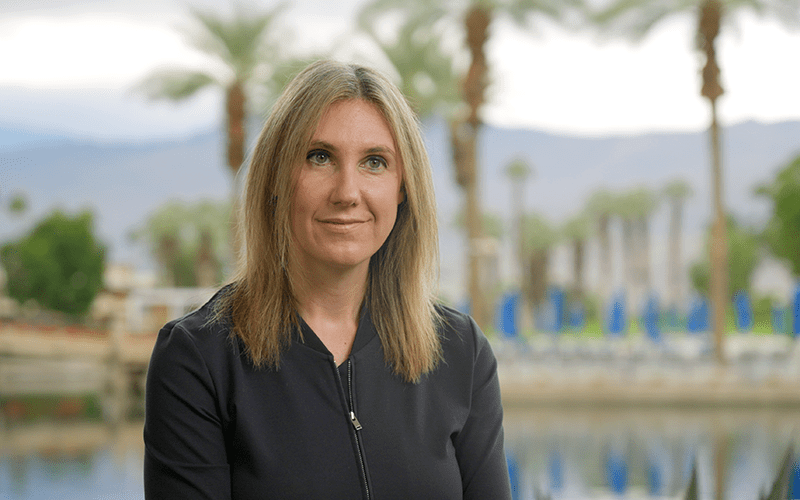
Rebecca Kent, senior vice president, global transformation, at Warner Bros. Discovery, says creativity is human, but the media and entertainment industries must evolve with the cutting-edge technology to survive.
As organizations rush to operationalize AI, many are discovering that implementation is more difficult than experimentation. Ambitious pilots stall, governance questions arise, and teams struggle to translate technical capability into real business value. The challenge is no longer whether AI works but rather how to integrate it into the core of an organization.
For creativity-driven businesses, the stakes are even higher. AI’s ability to generate images, music, and stories forces leaders to confront fundamental questions: What does creativity mean in the age of machines? How do organizations protect human ingenuity while embracing new tools? These tensions sit at the heart of AI adoption, and they are redefining how creative enterprises think about talent, culture, and strategy.
Fortune Brand Studio sat down with Rebecca Kent, senior vice president, global transformation, at Warner Bros. Discovery, at EY’s annual Strategic Growth Forum®, where business leaders came together to explore how to drive successful AI implementation and build future-ready organizations. Kent shared how the company is reimagining itself for an AI-driven world, building teams eager to experiment with the new technology.
How are you reimagining your business model to stay agile in this market?
Very significantly. We are reevaluating our entire business model. We recently announced that we’re looking to separate the company, and that’s all about reinvigoration. We’re living a moment of constant change for everybody, but even more for the media and entertainment industry. We’re going through huge disruption and consumer behaviors are changing. That means looking at how you can reinvent yourself as a company.
How are you using AI to drive growth or deliver more value for your customers?
AI is a huge opportunity. We’re in a creative industry, and the idea that generative AI could come in and replace creativity is really threatening. I don’t believe AI will replace creativity as it is an inherently human trait. We’re more interested in using AI in back-office functions.
In terms of how we make our content, we’re interested in where AI can be used to make processes more efficient or do something they couldn’t do before. Are there tools that could help visual effects and computer graphics processes, which are very time-consuming? How could we use it to get content closer to consumers, with localized and personalized content discovery?
There are really interesting use cases for AI in our industry, but there’s also a whole lot of ways that we wouldn’t want to use it. We always want to keep humans at the center of our creativity.
How about responsibility with AI—how do you balance that need with the push for innovation?
We are very big proponents of responsible use of AI, including protecting our copyright, our intellectual property, and our creatives. They put their hearts and souls into their work, and we believe that no one should be allowed to take advantage of them.
We also work to ensure any use of AI doesn’t succumb to bias or breach any copyright laws. It’s critical to make sure that the human is in the loop when we’re using AI, especially at the point of final checks before something AI-created is used.
As technology continues to evolve, how are you preparing your workforce to stay adaptable and future-ready?
The best thing we can do for our workforce is provide education. Are people able to use AI automation and machine learning? It’s a company’s responsibility to bring its employees along that journey. At Warner Bros. Discovery, we’re looking to invest in courses, on-the-job training, and other ways that we can bring employees with us on our AI journey.
How do you balance taking bold risks with staying true to your company’s mission?
At Warner Brothers Discovery, storytelling is at the heart of everything we do. When we are looking at bold moves we could take, the filter is, “Does this help us tell great stories and bring them to our customers?” That helps anchor us.
As a leader navigating change, how have you had to evolve your own mindset to stay ready for what’s coming next?
It is difficult to always be ready for what’s next. There’s a couple of things I’ve done to shift my mindset around this. One is that I think we need to be extremely flexible. It’s great to have a vision and a path that we’re going down, but we’ve had a lot of macro shocks in the past few years across all industries. Think of the pandemic—how are you going to be ready to adapt if a shock like that comes? You can have your pathway, you can know where you’re going, but if something happens, how quickly can you pivot and change direction, either to take advantage of an opportunity or because there’s an external shock? A mindset shift around extreme flexibility has been extremely important.
The other thing I think is important is staying curious. In a world that’s changing and with technology evolving quickly, we don’t have all the answers. The best thing we can do is stay curious. If we don’t know something, how can we learn more about it? If something sounds strange or scary to us, how do we get curious about it? By staying curious, we keep our minds open to a lot of different possibilities, and it helps us take advantage of those situations.
How do you instill confidence in your teams and keep them wired for experimentation and speed?
To build a team that is confident in experimentation, you must give your employees the permission to experiment. You have to create the space where failure is OK as long as you’re learning from it. For example, if that pilot or business case didn’t work, what can we take from it and apply to something else? It’s permission to fail, but it’s not a blank check for failure. At the same time, you want to really encourage people if something is starting to work. How can you support your teams and help them get whatever it is to take a project to the next level? Is it resources, funding, permission, or sign-off from a leadership team? It’s about creating a supportive environment so people can bring their wonderful ideas to the table and run with them.