The poster child for India’s liberalized banking sector is joining the ranks of the world’s largest companies. Mumbai-based HDFC Bank is fresh off last year’s $40 billion merger with its parent company—a somewhat risky move, but one that reflects the bank’s confidence in the continued strength of the Indian consumer class that fueled the rise of both companies.
The bank debuts on the Fortune Global 500 at No. 306, with $49.3 billion in revenue for the 2023 fiscal year, almost double the figure for the previous year. It’s the only wholly private bank from India on this year’s ranking; State Bank of India, owned by the country’s finance ministry, is at No. 178.
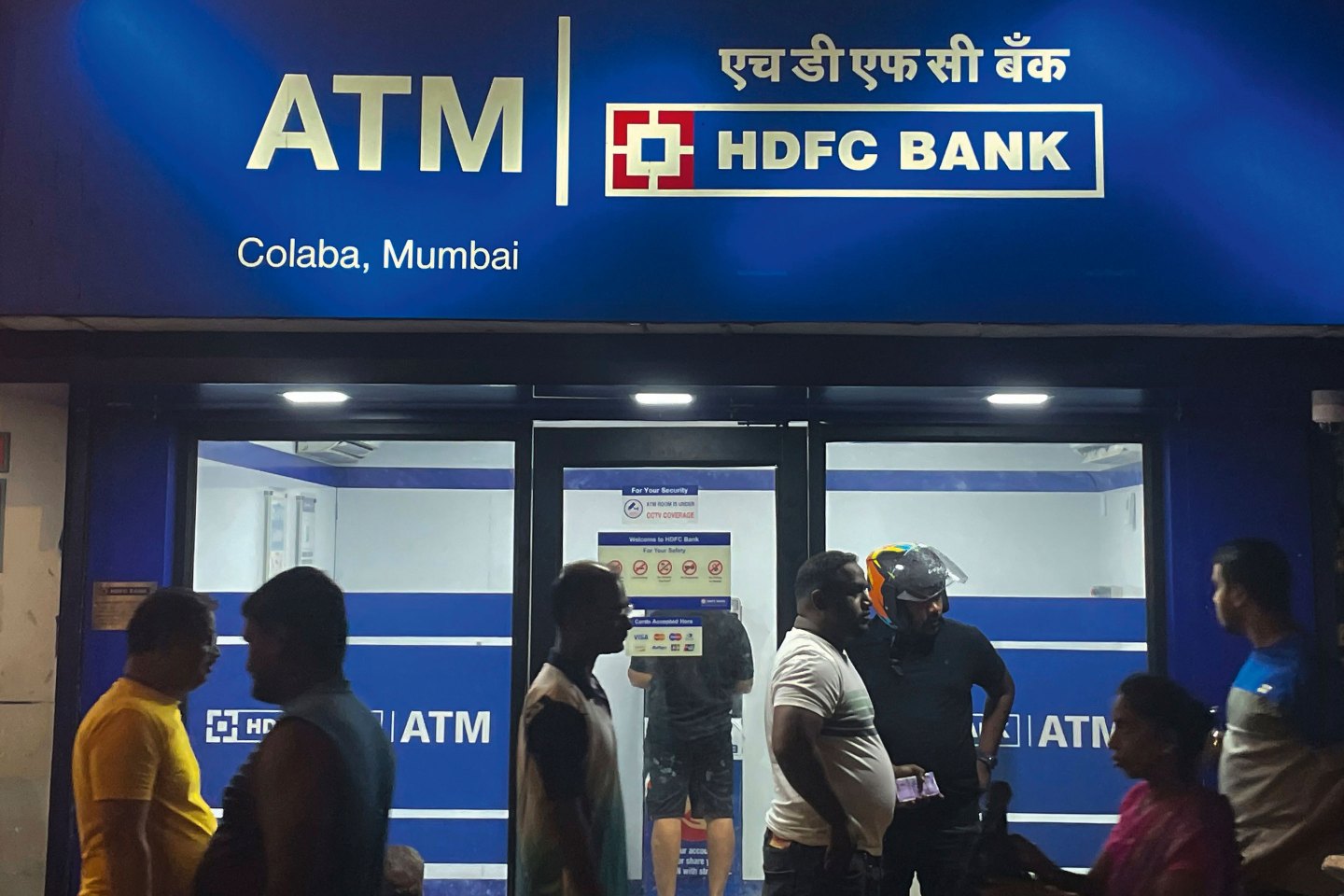
HDFC Bank has 93 million customers, more people than the entire population of Germany. With almost 8,800 branches, it has a larger physical footprint than Bank of America’s and Wells Fargo’s U.S. networks combined (albeit with only 17% of their combined revenue). HDFC Bank is also India’s largest bank by market capitalization, at $145 billion in mid-July.
Its size is, in part, the fruit of staying focused. As other banks chased trends like lending to infrastructure projects or telcos—and got stuck with bad loans—HDFC Bank focused on providing retail financial products to an army of consumers, building a reputation for credibility and consistency in India’s sometimes rough-and-tumble banking world. It’s “the gold standard when it comes to credit quality,” says Suresh Ganapathy, an analyst with Macquarie.
HDFC Bank was born from the Housing Development Finance Corporation, a housing lender founded in 1977 and known for its conservative approach to finance.
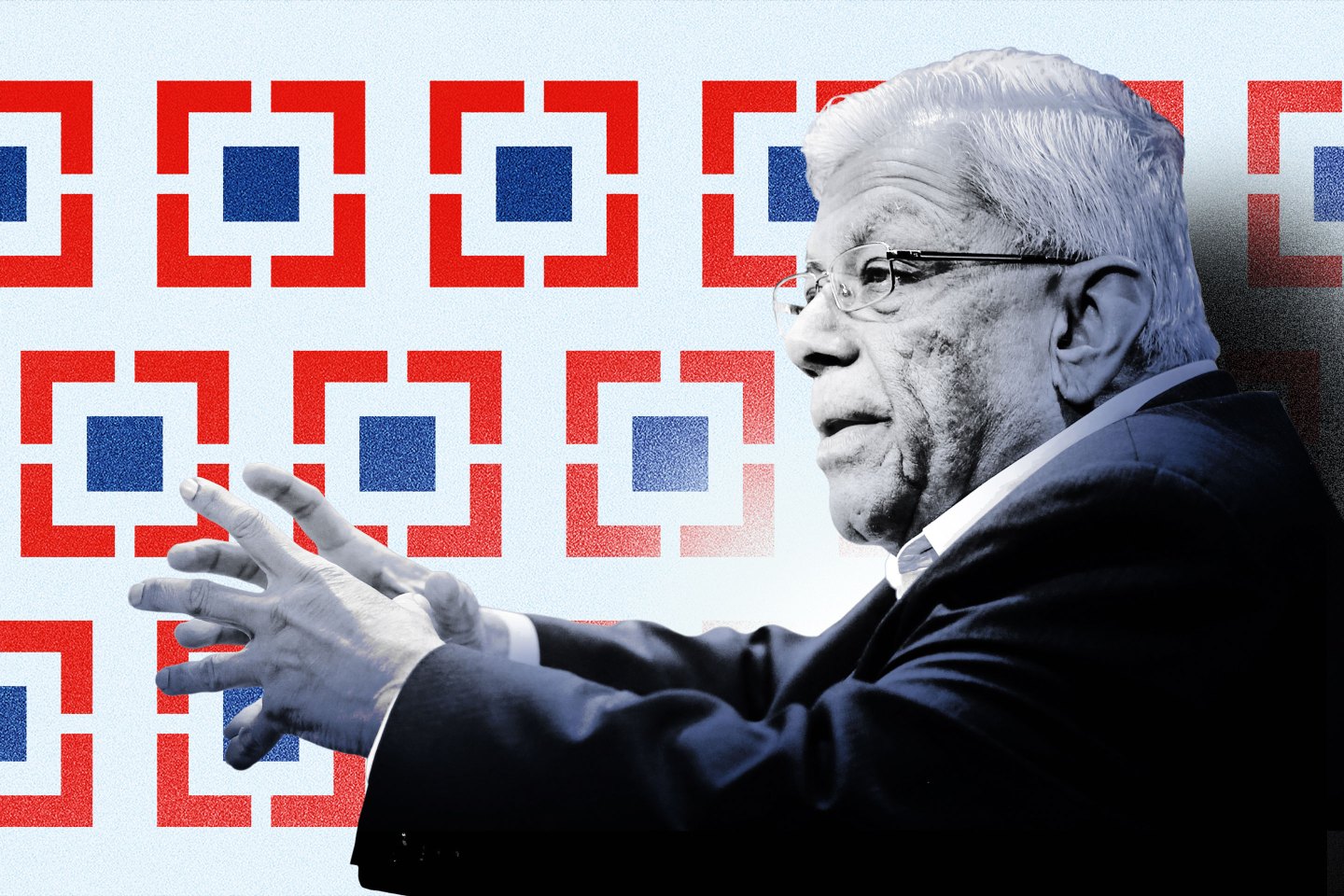
HDFC’s “marketing spiel was built around how people must build homes, and HDFC was there to help them unlock that dream,” remembers Rajrishi Singhal, a financial journalist (and HDFC customer). HDFC and its longtime chairman, Deepak Parekh, were the epitome of pragmatic business values, Singhal says: “good business ethics, and good corporate governance.”
When India started to liberalize its financial sector in 1991, HDFC was one of the first to apply for a new license. A sterling reputation gave it leverage in talks with India’s central bank: Singhal notes that regulators let HDFC set up the head office of its new bank in Mumbai, the country’s financial center, despite rules requiring geographic diversity for “new age” banks. That created two separate, yet intertwined, financial giants: HDFC, which grew to be India’s largest mortgage lender, and HDFC Bank, which offered checking and savings accounts and all the other elements of consumer banking.
A key early hire was HDFC Bank’s first chief executive: Aditya Puri, who served from 1994 to 2020. The Citigroup Malaysia executive was a breath of fresh air in India’s isolated financial sector. “The public sector banks had the customers and the deposits, but they didn’t have great products,” Param Subramanian, an analyst at Nomura, recalls. Under Puri, HDFC Bank pioneered products like personal loans and credit cards for India’s consumers.
HDFC Bank’s leaders also avoided barreling into risky investments. “It has this ability, despite its size, to not behave in sync with the herd,” says Santanu Chakrabarti, an analyst at BNP Paribas. In 2010, he notes, when “growing corporate loans were the sexiest thing in India,” HDFC Bank’s peers “jumped in with both feet and had a horrendous outcome.” HDFC Bank largely steered clear.
That conservative approach has served the company for 30 years, growing it from a tiny bank with $38.6 million in revenue for 1995 into the conglomerate it is today. And now the bank is even bigger. Last July, HDFC Bank, now led by CEO Sashidhar Jagdishan, completed its merger with HDFC, its parent company. (Parekh, who will turn 80 this year, stepped down as HDFC chairman in the wake of the transaction.) The $40 billion deal was the largest merger in India’s corporate history.
HDFC Bank executives at the time said the merger would help it cross-sell to HDFC’s massive customer base. It would also allow the bank to offer mortgages, now that it no longer had to steer clear of its parent company’s business.
93%
HDFC Bank’s revenue growth, fiscal 2023-24. The surge reflects the bank’s July 2023 merger with its former parent company. Investors say HDFC Bank needs to boost deposits to keep the new company running well.
Still, investors have been wary about the deal. HDFC Bank’s shares have dipped about 1.5% in the year since the merger, while the Nifty 50, which tracks India’s 50 largest companies, has risen 25%. Before the merger, Subramanian explains, parent company HDFC was not a bank—and so was exempt from bank regulations on liquidity, reserves, and “priority sector lending” to certain parts of the economy.
Now everything under the HDFC name counts as a bank—and by acquiring HDFC, HDFC Bank has a lot more debt on its balance sheet. It now has the highest loan-to-deposit ratio in the sector, at 104%, compared with a sector average of 80%. That means the bank needs to accumulate more deposits to get its balance sheet in order.
The challenge: high interest rates are taking liquidity out of India’s financial system. It’s a sector-wide problem. “These [have been] the two consecutive worst years in the last 25 years of the industry,” Chakrabarti says. And if HDFC Bank can’t increase deposits, it can’t increase the size of its loan book.
Analysts expect that Jagdishan will need two to three years to fully digest the effects of the merger. HDFC Bank is also trying to build more physical bank branches, while promising to improve its digital offerings. (It has “the worst app,” Chakrabarti says, with a sigh.)
But if HDFC Bank can work through the kinks, it’s well-placed to ride an economic surge. India’s GDP grew by 8.2% in the 12 months ended March 31, making it the fastest-growing major economy. And the country’s banks will grow along with it, as consumers and companies start spending.
“Indian banking is set for a golden run. You have a thirsty corporate sector that’s been on detox for a decade,” Chakrabarti says. “I’m hard-pressed to think of another country where banks have a better position than India.” It’s a good time, in other words, to be big.
This article appears in the August/September issue of Fortune with the headline, “India’s banking ‘gold standard’ leaps into the big leagues.”