• Home
  • Latest
  • Fortune 500
  • Finance
  • Tech
  • Leadership
  • Lifestyle
  • Rankings
  • Multimedia

Trendingnow

1

'Dr. Doom' Nouriel Roubini says we're headed for universal basic income or 'some form of socialism' as AI revolutionizes work—He calls that optimistic

2

Power companies are using eminent domain to seize land for data centers as 70% of Americans say not in my backyard

3

‘I want to die broke’: Billionaire philanthropist Denny Sanford dies after giving away $4 billion

1

'Dr. Doom' Nouriel Roubini says we're headed for universal basic income or 'some form of socialism' as AI revolutionizes work—He calls that optimistic

2

Power companies are using eminent domain to seize land for data centers as 70% of Americans say not in my backyard

3

‘I want to die broke’: Billionaire philanthropist Denny Sanford dies after giving away $4 billion
Economynational debt

Something is different about Trump’s $1 trillion war on Iran and its stress on the national debt, Harvard Kennedy scholar says

Sasha Rogelberg
By
Sasha Rogelberg
Sasha Rogelberg
Reporter
Down Arrow Button Icon
Sasha Rogelberg
By
Sasha Rogelberg
Sasha Rogelberg
Reporter
Down Arrow Button Icon
April 17, 2026, 4:01 PM ET
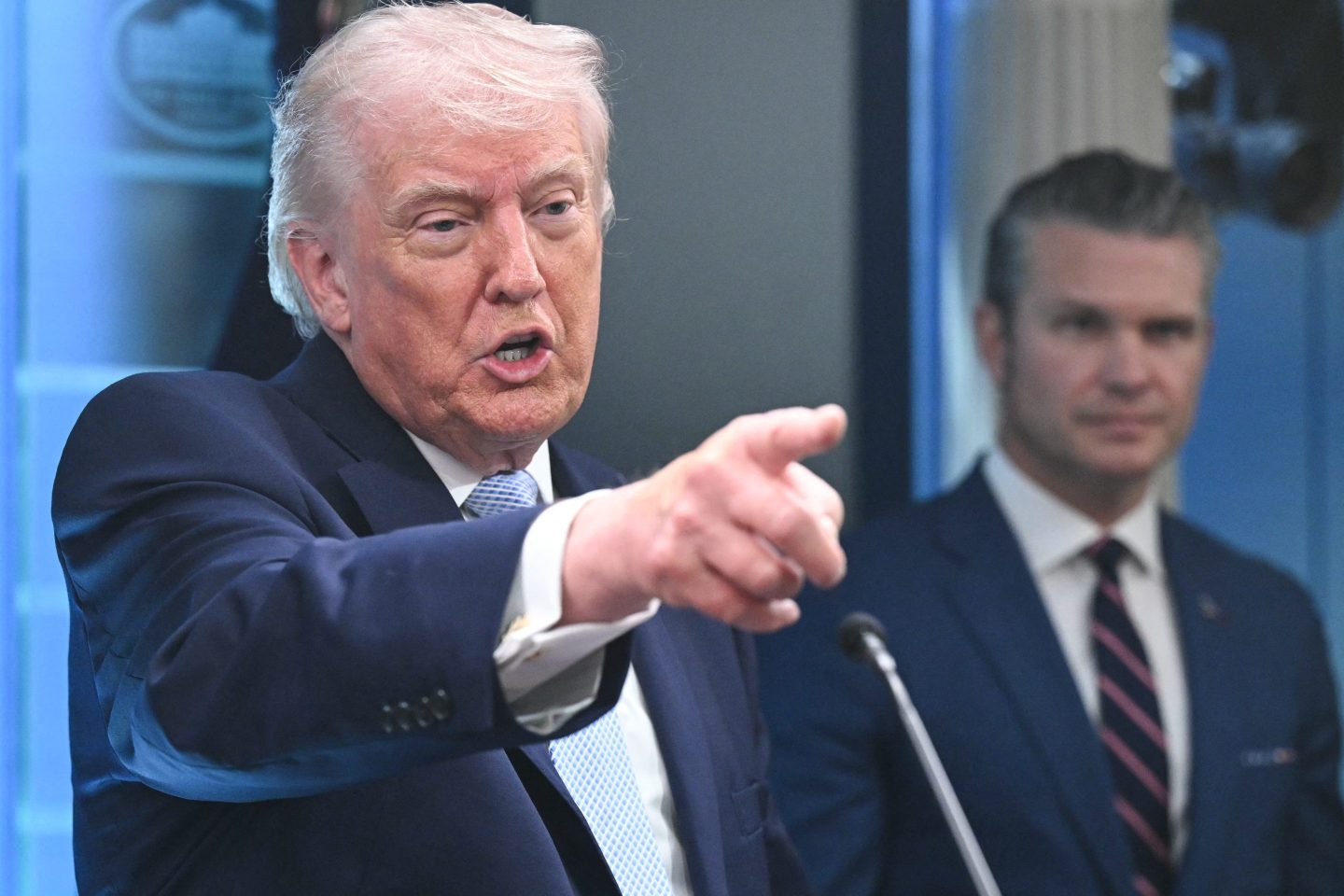
Photo of Donald Trump (left) and Pete Hegseth (right)
The Trump administration’s war in Iran is another example of the U.S. government moving away from using tax revenue to finance conflicts, Harvard lecturer Linda Bilmes said.SAUL LOEB / AFP—Getty Images
Add Fortune on Google for similar content.

German Enlightenment philosopher Immanuel Kant argued in his 1795 essay Perpetual Peace: A Philosophical Sketch, that nations should conduct themselves in a particular way with wars and debt: “National debts shall not be contracted with a view to the external friction of states.”

Recommended Video

In other words, to maintain peace, don’t finance wars with debt.

Nearly a quarter-millennium later, public finance expert Linda Bilmes warns the U.S. is making this exact mistake in how it’s raising capital for the Iran war, encumbering the already weighty $39 trillion national debt.

According to Bilmes, a policy lecturer at the Harvard Kennedy School, the cost of the ongoing war is likely to exceed $1 trillion, swamping early projections of U.S. spending on the war, with the Pentagon reportedly claiming the first week of the war cost about $11.3 billion alone. The American Enterprise Institute estimated the costs of the war would have exceeded $35 billion by April 1—or about $1 billion per day. Bilmes said the daily costs are double those estimates, as the government does not take into account the long-term impacts of war, such as long-term veteran disability benefits and damage to key infrastructure that could take years to rebuild.

Above all else, Bilmes noted, the U.S. is now relying more heavily on debt to finance the war that we have previously. During the wars in Iraq and Afghanistan in the early 2000s, the debt held by the public sat at around $4 trillion, and we were paying about 7% of the overall federal budget on interest, Bilmes said. Today, $31 trillion of debt is held by the public, with 15% of the national budget being spent on paying down interest.

“The result is that the interest costs alone will add billions of dollars to the total cost of this war,” Bilmes said in a recent interview with the Harvard Kennedy School. “And unlike the upfront costs, these are costs we are explicitly passing on to the next generation.”

Bilmes told Fortune that the U.S. didn’t always put so much burden on the national debt during wartime, although each previous conflict did rely on borrowing money. These 21st-century wartime funding strategies furthered by the Trump administration, she said, are bad news for the U.S.’s mounting debt.

U.S. history of financing wars

An adolescent United States tried to follow Kant’s peace principles when it entered the War of 1812, implementing a slew of duties, including direct land taxes, as well as taxes on everything from sugar, auction sales, carriages, liquor distilleries, and retail alcohol licenses. This was perhaps more by necessity than choice: The Bank of the United States’ charter ran out in 1811, meaning there was no centralized entity able to manage loans and bonds.

The wartime heavy taxes essentially laid the groundwork for how the U.S. would raise capital in times of war, from the Civil War through Vietnam, though the bunk of financing still came from borrowed money. 

During World War I, for example, President Woodrow Wilson espoused a “conscription of wealth,” telling Americans that just as the U.S. drafted young men to fight the war, it would also draft the wealth of America’s richest. By 1918, progressive income tax rates touched 77%. In the throes of the Korean War, President Harry Truman gave more than 200 speeches advocating for his “pay-as-you-go policy” of using tax revenue to pay for military expenditures over debt.

But this ideology changed at the turn of the 21st century, when President George W. Bush implemented tax cuts in 2001 and 2003 at the same time as he launched attacks on Iraq and Afghanistan, becoming the first time a U.S. war was funded solely through borrowing rather than taxes or budget increases. Bilmes, along with economist Joseph Stiglitz, published a study in 2006 that found the true cost of the war in Iraq and Afghanistan topped $2 trillion, about four times greater than the Congressional Budget Office’s projected $500 billion in direct spending. In 2013, Bilmes revised her estimations—and concluded the cost was actually closer to $4 trillion to $6 trillion.

The impact of broken traditions

President Donald Trump has continued this pattern in Iran today. The administration’s One Big Beautiful Bill Act extended Trump’s 2017 tax cuts, lowering rates for individuals and businesses. The cuts will total $4.5 trillion in tax reductions over the next 10 years, according to the act. 

Meanwhile, the White House is seeking up to $100 billion in additional funds for the conflict from Congress, the Washington Post reported, and Trump’s fiscal 2027 budget request called for $1.5 trillion in defense spending, a 44% increase from the year before and also includes a 10% cut to nondefense spending. The proposed budget would mark the first time defense spending exceeds all other discretionary spend. About a quarter of the U.S. budget comes from borrowed money.

“That is money that goes on indefinitely,” she said. “It means that every year the base that you start from in the budget is higher.”

Bilmes argues there’s nothing inherently wrong with borrowing money. Rather, she’s concerned the administration’s focus on military spending will come at the expense of investments in economic growth, tipping the debt-to-GDP ratio and leading to a drag on economic growth.  The White House did not immediately respond to Fortune’s request for comment.

“When you borrow for things that are productive investments, like infrastructure or education, you hope to get back more than what you borrow,” she said. “But in this case, we’re borrowing [at] high rates, largely for things that will end up in the sand.”

Subscribe to Fortune Gulf Brief. Every Tuesday, this new newsletter delivers clear-eyed, authoritative intelligence on the deals, decisions, policies, and power shifts shaping one of the world’s most consequential regions, written for the people who need to act on it. Sign up here.
About the Author
Sasha Rogelberg
By Sasha RogelbergReporter
LinkedIn iconTwitter icon

Sasha Rogelberg is a reporter and former editorial fellow on the news desk at Fortune, covering retail and the intersection of business and popular culture.

See full bioRight Arrow Button Icon
Add Fortune on Google for similar content.

Latest in Economy

Finance
Lorem ipsum dolor sit amet, consectetur adipiscing elit, sed do eiusmod tempor incididunt ut labore et dolore magna aliqua. Ut enim ad minim veniam
By Fortune Editors
October 20, 2025
Finance
Lorem ipsum dolor sit amet, consectetur adipiscing elit, sed do eiusmod tempor incididunt ut labore et dolore magna aliqua. Ut enim ad minim veniam
By Fortune Editors
October 20, 2025
Finance
Lorem ipsum dolor sit amet, consectetur adipiscing elit, sed do eiusmod tempor incididunt ut labore et dolore magna aliqua. Ut enim ad minim veniam
By Fortune Editors
October 20, 2025
Finance
Lorem ipsum dolor sit amet, consectetur adipiscing elit, sed do eiusmod tempor incididunt ut labore et dolore magna aliqua. Ut enim ad minim veniam
By Fortune Editors
October 20, 2025
Finance
Lorem ipsum dolor sit amet, consectetur adipiscing elit, sed do eiusmod tempor incididunt ut labore et dolore magna aliqua. Ut enim ad minim veniam
By Fortune Editors
October 20, 2025
Finance
Lorem ipsum dolor sit amet, consectetur adipiscing elit, sed do eiusmod tempor incididunt ut labore et dolore magna aliqua. Ut enim ad minim veniam
By Fortune Editors
October 20, 2025

Most Popular

Finance
Lorem ipsum dolor sit amet, consectetur adipiscing elit, sed do eiusmod tempor incididunt ut labore et dolore magna aliqua. Ut enim ad minim veniam
By Fortune Editors
October 20, 2025
Finance
Lorem ipsum dolor sit amet, consectetur adipiscing elit, sed do eiusmod tempor incididunt ut labore et dolore magna aliqua. Ut enim ad minim veniam
By Fortune Editors
October 20, 2025
Finance
Lorem ipsum dolor sit amet, consectetur adipiscing elit, sed do eiusmod tempor incididunt ut labore et dolore magna aliqua. Ut enim ad minim veniam
By Fortune Editors
October 20, 2025
Finance
Lorem ipsum dolor sit amet, consectetur adipiscing elit, sed do eiusmod tempor incididunt ut labore et dolore magna aliqua. Ut enim ad minim veniam
By Fortune Editors
October 20, 2025
Finance
Lorem ipsum dolor sit amet, consectetur adipiscing elit, sed do eiusmod tempor incididunt ut labore et dolore magna aliqua. Ut enim ad minim veniam
By Fortune Editors
October 20, 2025
Finance
Lorem ipsum dolor sit amet, consectetur adipiscing elit, sed do eiusmod tempor incididunt ut labore et dolore magna aliqua. Ut enim ad minim veniam
By Fortune Editors
October 20, 2025
Fortune Secondary Logo
Rankings
  • 100 Best Companies
  • Fortune 500
  • Global 500
  • Fortune 500 Europe
  • Most Powerful Women
  • World's Most Admired Companies
  • See All Rankings
  • Lists Calendar
Sections
  • Finance
  • Fortune Crypto
  • Features
  • Leadership
  • Health
  • Commentary
  • Success
  • Retail
  • Mpw
  • Tech
  • Lifestyle
  • CEO Initiative
  • Asia
  • Politics
  • Conferences
  • Europe
  • Newsletters
  • Personal Finance
  • Environment
  • Magazine
  • Education
Customer Support
  • Frequently Asked Questions
  • Customer Service Portal
  • Privacy Policy
  • Terms Of Use
  • Single Issues For Purchase
  • International Print
Commercial Services
  • Advertising
  • Fortune Brand Studio
  • Fortune Analytics
  • Fortune Conferences
  • Business Development
  • Group Subscriptions
About Us
  • About Us
  • Press Center
  • Work At Fortune
  • Terms And Conditions
  • Site Map
  • About Us
  • Press Center
  • Work At Fortune
  • Terms And Conditions
  • Site Map
  • Facebook icon
  • Twitter icon
  • LinkedIn icon
  • Instagram icon
  • Pinterest icon

Latest in Economy

Monument in Iran.
EnergyIran
U.S. bombs Iran for ninth straight night as Tehran strikes Kuwait, Jordan, and Bahrain
By The Associated Press and Jon GambrellJuly 20, 2026
51 minutes ago
Mark Cuban, in front of a purple background, has his mouth open and is looking to his left.
Successcompensation
Mark Cuban says he has the solution to growing income inequality, and it’s to reward every employee—from CEO to janitor—with company stock
By Sasha RogelbergJuly 20, 2026
3 hours ago
The Treasury is walking a tightrope on U.S. debt by relying so much on short-term rates that are at the mercy of a suddenly very hawkish Fed
EconomyDebt
The Treasury is walking a tightrope on U.S. debt by relying so much on short-term rates that are at the mercy of a suddenly very hawkish Fed
By Jason MaJuly 20, 2026
4 hours ago
Volvo car CEO pushes back on Navarro’s ‘Pirate’ China comments
EuropeVolvo
Volvo car CEO pushes back on Navarro’s ‘Pirate’ China comments
By Rafaela Lindeberg and BloombergJuly 20, 2026
6 hours ago
andy
PoliticsUnited Kingdom
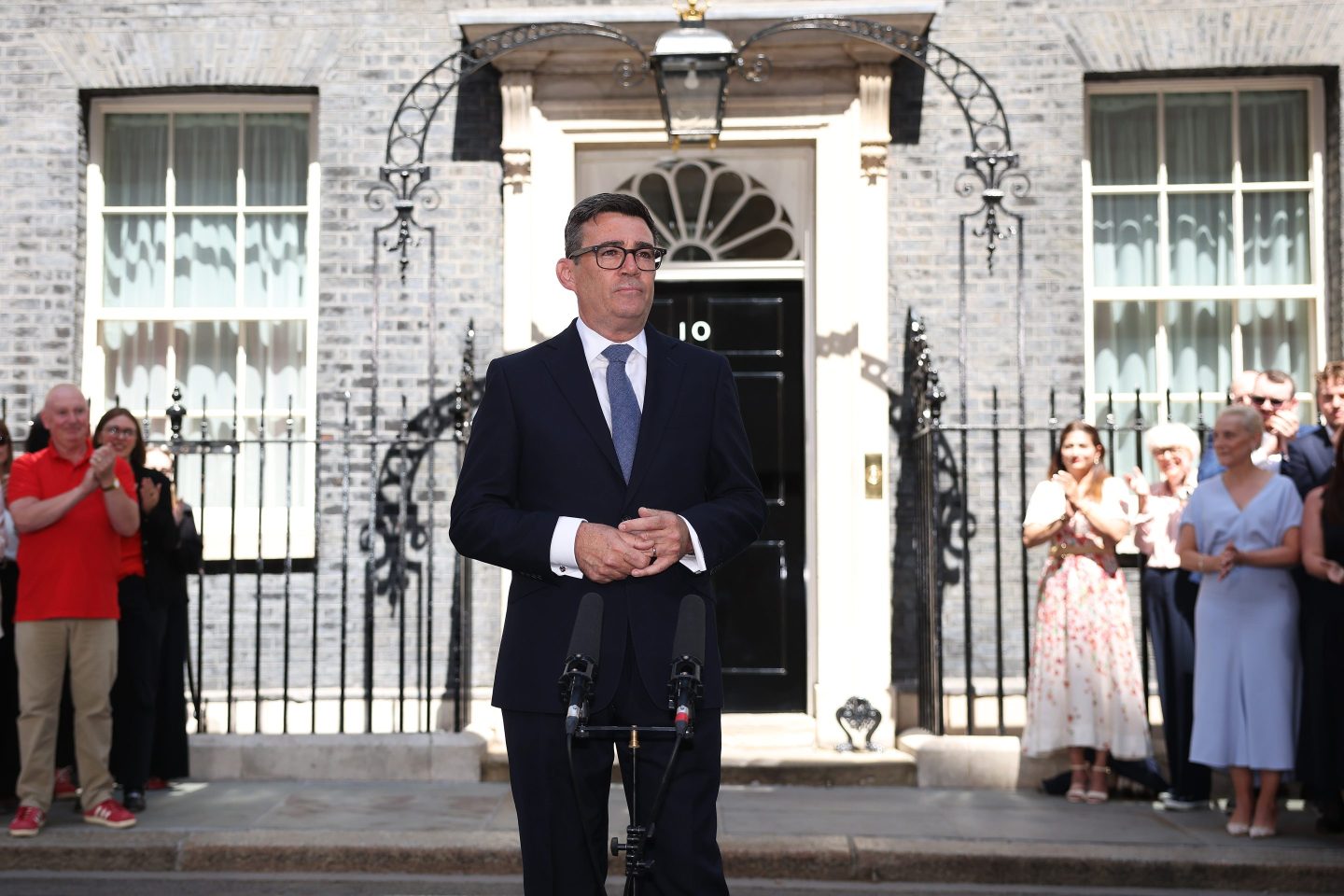
Andy Burnham accuses UK of taking wrong turns since the 1980s in first speech as Prime Minister outside 10 Downing Street
By Jill Lawless and The Associated PressJuly 20, 2026
8 hours ago
gas
Energygas
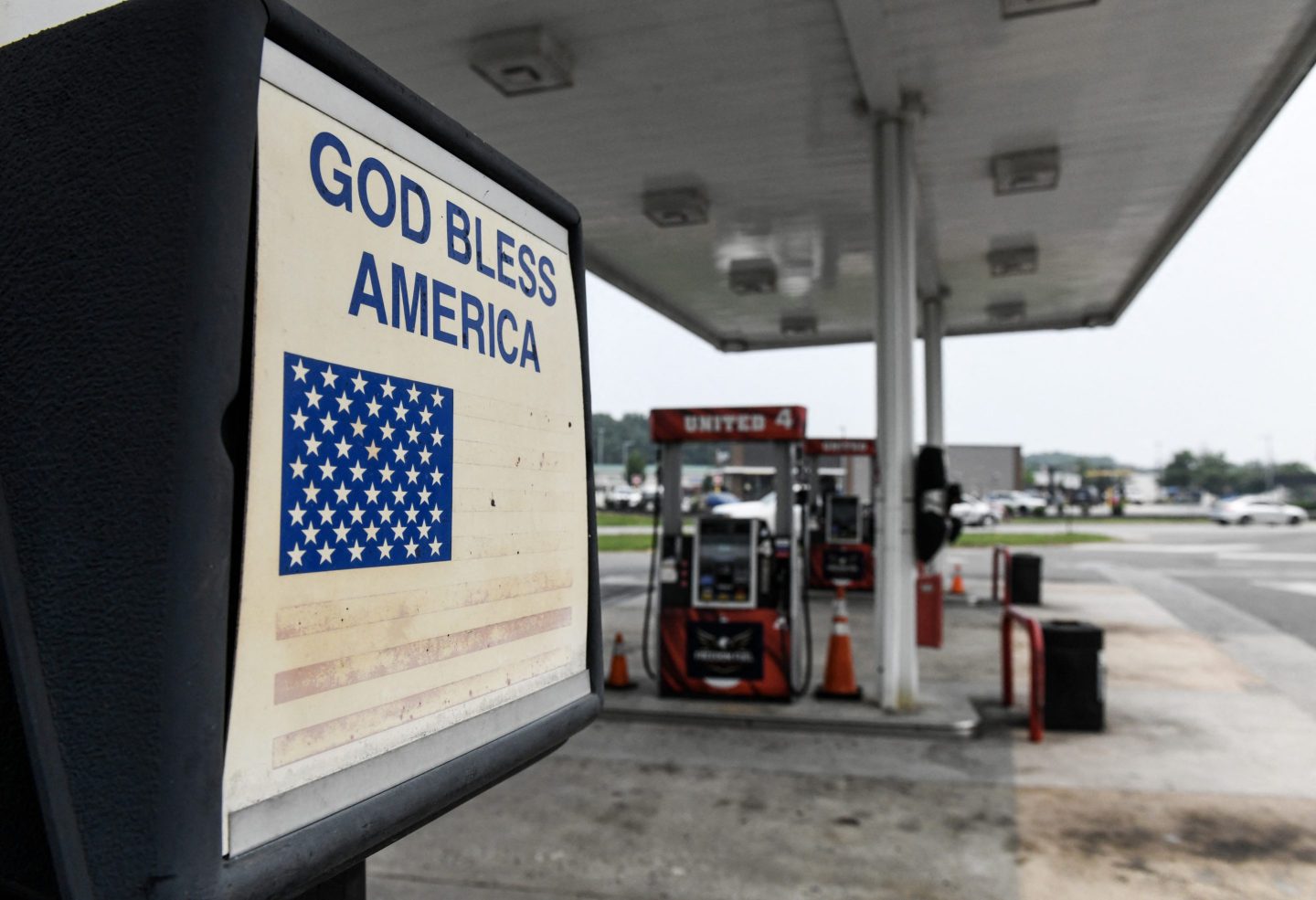
Gas prices snap back to $4 as Trump’s Iran truce unravels
By The Associated PressJuly 20, 2026
8 hours ago

Most Popular

'Dr. Doom' Nouriel Roubini says we're headed for universal basic income or 'some form of socialism' as AI revolutionizes work—He calls that optimistic
AI
'Dr. Doom' Nouriel Roubini says we're headed for universal basic income or 'some form of socialism' as AI revolutionizes work—He calls that optimistic
By Jason MaJuly 18, 2026
2 days ago
Power companies are using eminent domain to seize land for data centers as 70% of Americans say not in my backyard
AI
Power companies are using eminent domain to seize land for data centers as 70% of Americans say not in my backyard
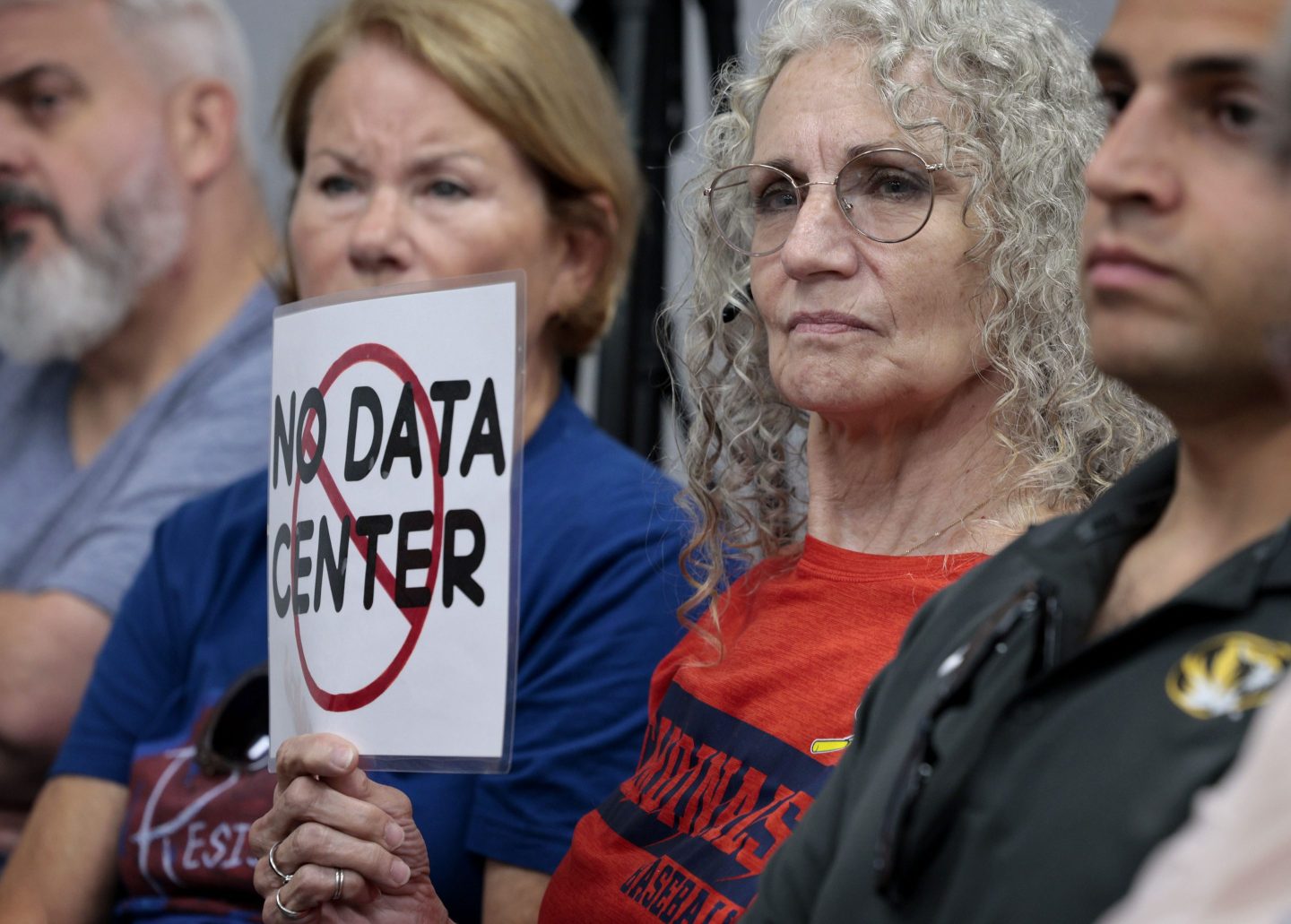
By Aaron Walayat and The ConversationJuly 19, 2026
2 days ago
‘I want to die broke’: Billionaire philanthropist Denny Sanford dies after giving away $4 billion
Success
‘I want to die broke’: Billionaire philanthropist Denny Sanford dies after giving away $4 billion
By Sydney LakeJuly 20, 2026
7 hours ago
Red Lobster’s 37-year-old CEO waited tables before joining the C-suite—he says it was a crash course in managing ‘difficult people and situations’
Success
Red Lobster’s 37-year-old CEO waited tables before joining the C-suite—he says it was a crash course in managing ‘difficult people and situations’
By Preston ForeJuly 19, 2026
2 days ago
Warren Buffett says his $147 billion investing career was an accident: ‘I may be one of the 10 luckiest in the world’
Future of Work
Warren Buffett says his $147 billion investing career was an accident: ‘I may be one of the 10 luckiest in the world’
By Sarah GlodekJuly 20, 2026
14 hours ago
It’s not just Taco Bell lettuce and possible glass in Pillsbury rolls: Food and drink recall events reached a 6-year year-over-year high
Retail
It’s not just Taco Bell lettuce and possible glass in Pillsbury rolls: Food and drink recall events reached a 6-year year-over-year high
By Sasha RogelbergJuly 20, 2026
11 hours ago

© 2026 Fortune Media IP Limited. All Rights Reserved. Use of this site constitutes acceptance of our Terms of Use and Privacy Policy | CA Notice at Collection and Privacy Notice | Do Not Sell/Share My Personal Information
FORTUNE is a trademark of Fortune Media IP Limited, registered in the U.S. and other countries. FORTUNE may receive compensation for some links to products and services on this website. Offers may be subject to change without notice.