In early 2024, the venture capital firm a16z crypto predicted that the crypto industry was on the cusp of a new era of mass consumer adoption. As set out in the book Read Write Own, authored by one of the firm’s partners, decentralized blockchain-based apps would come to challenge a host of social media and other services. That era, though, has yet to materialize. Instead, the dominant trend in crypto has been Wall Street’s rapid adoption of blockchain, which a16z crypto’s Guy Wuollet explained on the latest episode of Fortune’s Crypto Playbook, which you can hear on Apple, Spotify or YouTube.
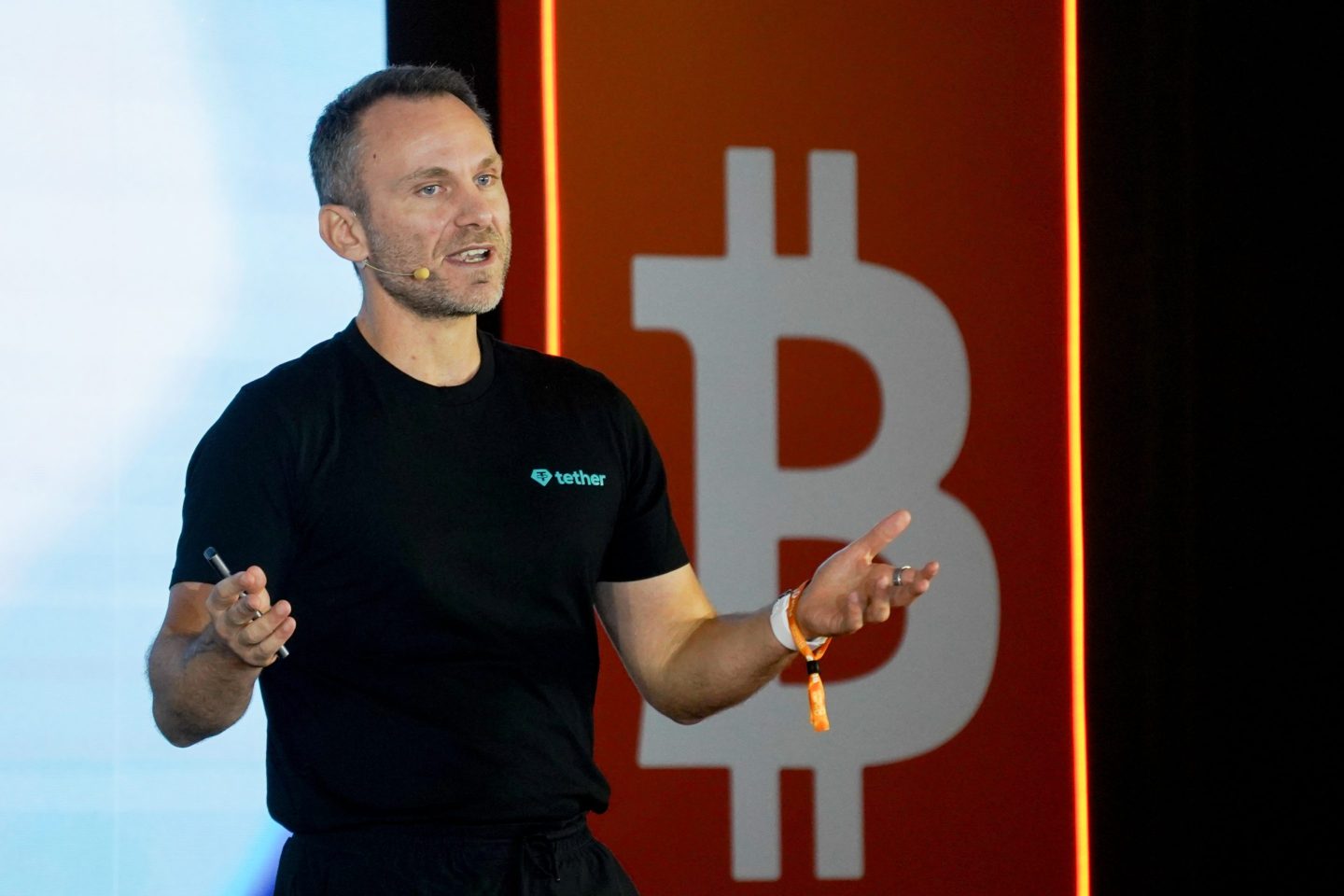
“Crypto is growing up in many ways, which is wonderful to see. We often talk about
crypto maybe being in its collared shirt era, where we’re definitely not wearing a suit to work
every day yet, but we’ve definitely left mom’s basement and are kind of growing up,” said Wuollet, a computer scientist who joined a16z crypto (a spin-off of Andreessen Horowitz in 2023).
This current “collared shirt” era reflects the likes of BlackRock and Fidelity offering not only Bitcoin in ETF wrappers, but embracing blockchain technology in the form of stablecoins and tokenized equities.
This recent embrace by the biggest names of traditional finance has helped bring blockchain into the mainstream, but this trend has not brought about one of the primary goals of long-time crypto boosters: the spread of decentralized technology into day-to-day life. Wuollet, though, says the current era of crypto is not being defined only by Wall Street, but by another emerging trend.
Namely, Wuollet points to the convergence of blockchain and AI that is setting the stage for crypto-powered agentic commerce. In practice, this will entail the emerging army of agents, used by both developers and ordinary consumers, engaging in a wide variety of online transactions. In this world, blockchain’s tamper-proof, always-on payments rails could play a central role, especially when it comes to micropayments.
“We’ve seen a number of really talented people coming from … consumer AI use cases into crypto because, in many cases, they think the first agentic payments will happen on chain. And you can even see this from bigger companies like Stripe that [used a] portion of their annual letter a few weeks ago talking about agentic payments.” he said.
If crypto-driven AI commerce is indeed on the way, this begets another question: Will there be a standard protocol for all of these payments, or is there a risk the emerging landscape could become fractured due to different companies favoring their own proprietary standards? Wuollet acknowledged we could see a host of different standards but added that, unlike earlier phases of tech, this is unlikely to slow adoption since AI models are uniquely good at deciphering and understanding different systems.
On the vodcast, Wuollet also discussed how he uses AI in his day-to-day life, and what it’s like finding one’s place in a firm whose other partners include some of the very biggest names in venture capital. You can listen to the whole episode, which also features hosts Jeff and Ben discussing a range of other timely issues in crypto and finance, on Apple, Spotify or YouTube.