Giving away billions sounds easy. Write a check and change the world. But Elon Musk, the world’s richest man, admitted last year that, actually, “it is very difficult to give money away for the reality of goodness.” And perhaps surprisingly, a nonprofit boss has said he’s not wrong.
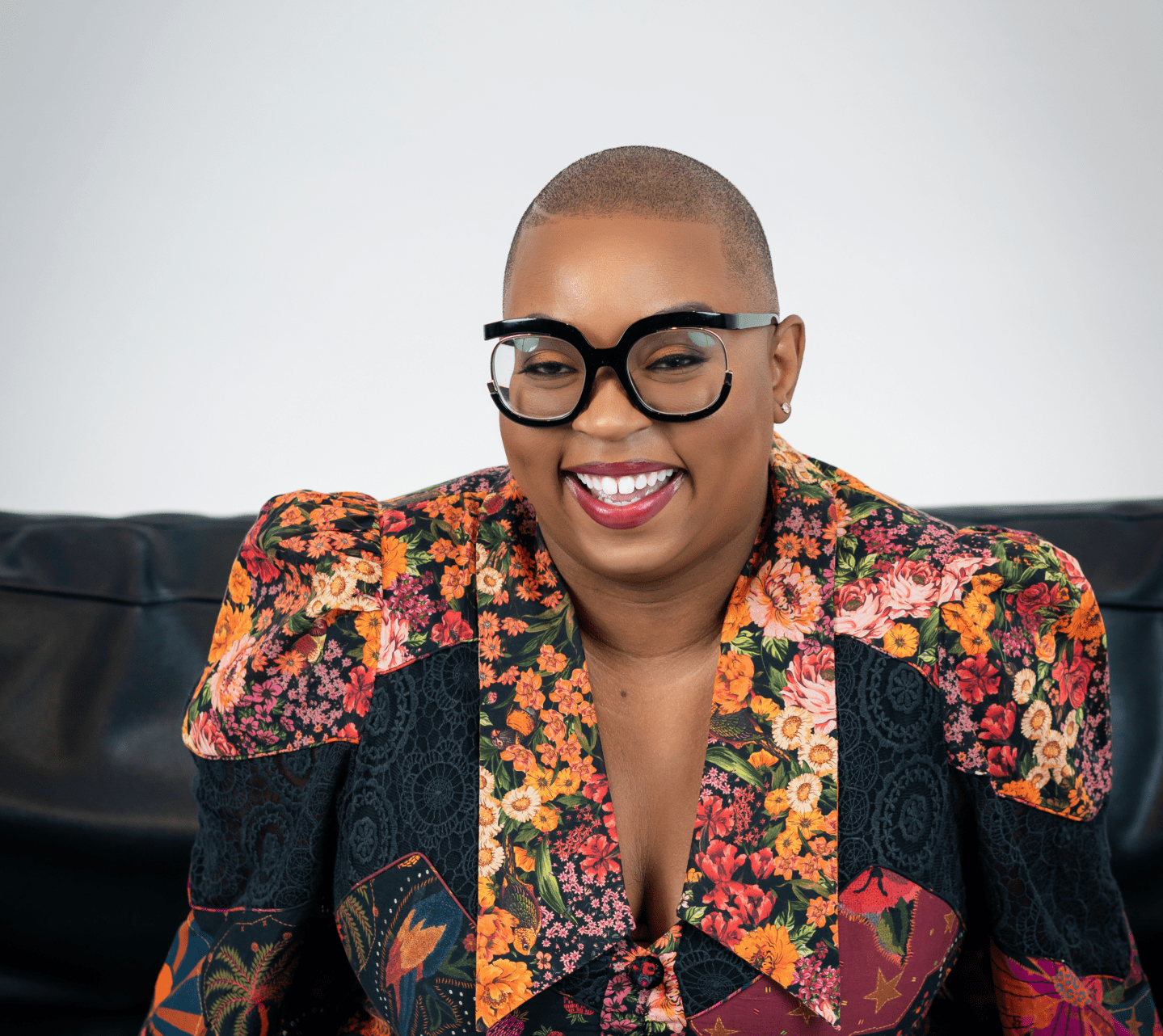
Liz Baker, the CEO of Greater Good Charities—a global nonprofit that has distributed more than $1 billion in impact across 121 countries since 2006—has been navigating the complexity of giving away other people’s money for over a decade. And she’ll tell you Musk is only scratching the surface of how hard it really is.
“I wish I had a billion dollars to give away, but as somebody who’s responsible for giving away money, yeah, it’s hard, because there’s a really big responsibility that goes with that,” Baker exclusively told Fortune. “If you give me $1, I’m going to spend it the way that you want it spent. But there’s all this stuff that goes into it—geopolitical stuff, you don’t want to create dependencies in communities—like, what is the right avenue, and what are things that are really needed?”
Baker, who has led Greater Good Charities since 2012, oversees an organization that spans crisis and disaster response, humanitarian relief, biodiversity, and animal health and well-being across more than 120 countries. Under her watch, it has earned a 100/100 score from Charity Navigator and a Platinum Rating from GuideStar for transparency—the nonprofit equivalent of straight A’s.
Her critique isn’t that giving is impossible—it’s that most people dramatically underestimate what it requires.
Unlike a normal transaction—where a donor gets something tangible in return, a product, a deliverable, a number they can point to—philanthropy asks you to fund a vision: here’s the problem, here’s the solution, here’s the hoped-for outcome. And then you have to wait years to see if you were actually right.”You can’t just go at a problem and be like, here’s a billion dollars, figure out the problem,” Baker said. “It’s too complicated. It doesn’t work like that.”
Essentially, it’s one thing to sign away a big paycheck, but as Musk says, it’s another thing to actually create tangible change for good with that money.
The antidote? Perhaps a more trial-and-error approach. What doesn’t happen enough, in her view, is the kind of nimble, honest reckoning with failure that good philanthropy demands. “Being able to pivot and being able to say, okay, this didn’t work—what do we do differently? A lot of testing,” she said. “You can’t just go at a problem, it’s too complicated.”
Stop waiting for billionaires. Do something yourself.
Billionaire pledges are great—in theory.
“A pledge is a promise, right?” Baker said, when asked whether such commitments mean anything in practice. “Our experience with pledges is that most of the time donors will come through—not all of the time, though.”
Indeed, many remain little more than a name on an open letter. Just look at The Giving Pledge—the commitment, co-founded by Bill Gates, Melinda French Gates and Warren Buffett, that asks the ultra-wealthy to donate at least 50% of their fortunes—has attracted more than 250 signatories since its launch in 2010.
The number who have actually followed through? A handful—less than 10. Most only fulfilled the pledge after their deaths. Out of the U.S. signatories, just one couple, John and Laura Arnold, fully complied with the commitment they signed.
It’s why Baker doesn’t think we can wait on billionaires to solve the world’s problems. “I think if everybody did something to help in their community, we wouldn’t have the issues that we have.”
How can everyday people be more philanthropic right now?
Baker’s not naive about most people’s economic reality. Cost-of-living pressures have squeezed household budgets to the point where even six-figure earners report struggling to afford basics.
But making a difference doesn’t have to come at a cost. “Everybody can chip in—and it doesn’t even have to be money. Like, do something.”
“Even if you’re like, I have one hour a week to solve this problem in my community that I care about,” Baker said. “Figure out how to do that. Most local nonprofits need help.”
The worst thing you can do, in her eyes, is just complain. “There are people that are just like, well, I don’t like to see homeless people sitting on the corner, but I’m not willing to do anything about it except complain,” she said. “Innovate, people. Come on. Everybody’s good at something. Everybody cares about something.”
And she practices what she preaches. Despite running a multimillion-dollar organization and being a mother, Baker volunteers outside of her CEO role—showing up not as an executive but simply as someone with something to give back. “I volunteer—not as a CEO—as a person who has something to give back,” she said. “In a way, that’s like showing up and doing the work very differently than what I do here.”
“If everybody did that, we wouldn’t be in the situation we’re in.”