President Donald Trump announced Monday that the war in Iran would be over “very soon,” and that oil tankers would be given special U.S. Navy escorts to navigate between the Persian Gulf and global oceans. With gasoline prices and energy inflation already ticking up around the world, the speedy resumption of global petroleum trade has become a matter of urgency for the global economy, according to the world’s largest oil and gas company.
The widening conflict in the Middle East has all but immobilized the fossil fuel trade stemming from the region over the past 10 days. Attacks targeting vessels and energy production infrastructure have discouraged most exporters from venturing through the Strait of Hormuz, eliminating up to 20% of traded petroleum from global markets.
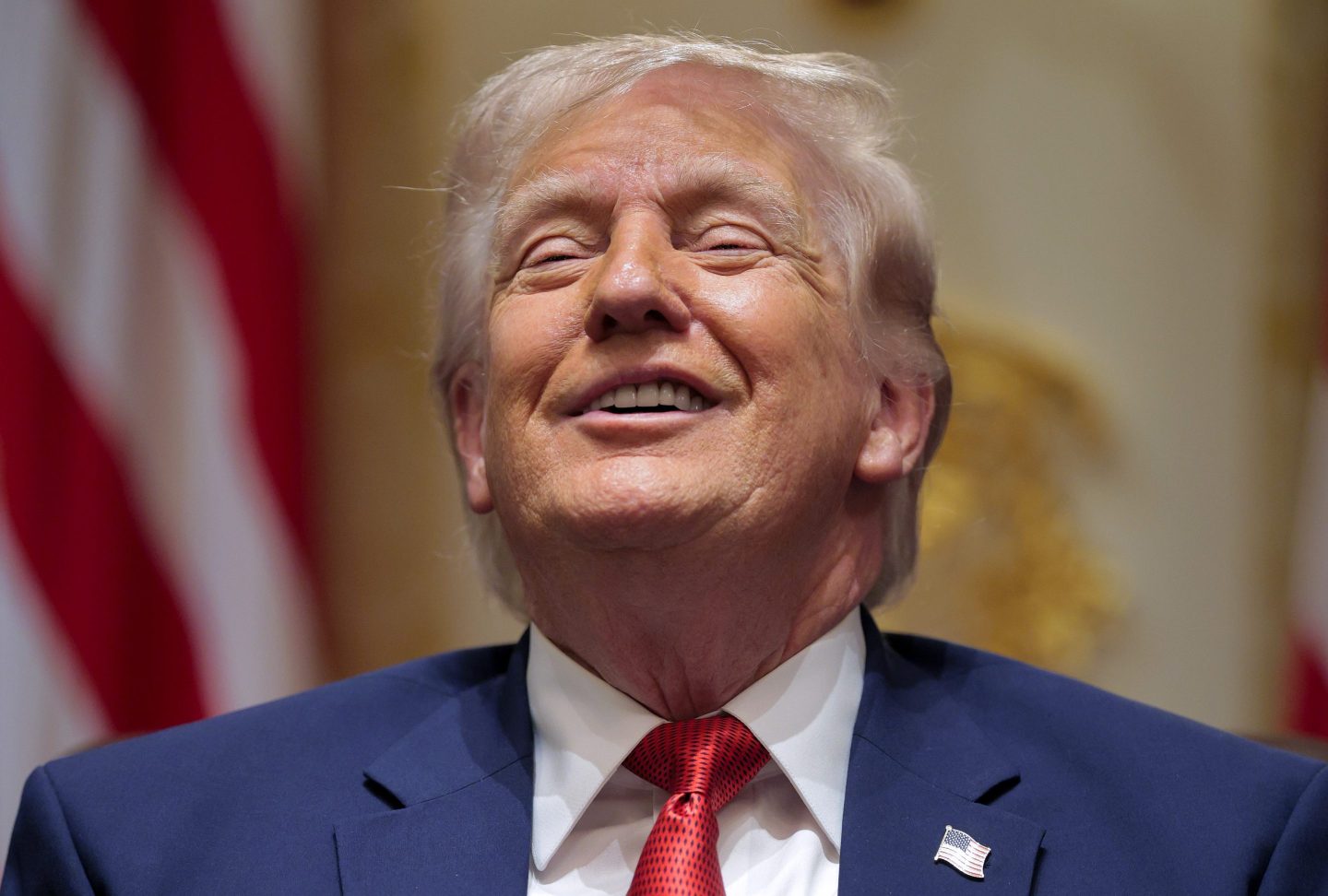
Trump suggested the war involving the U.S., Israel, and Iran could end soon after speaking with Russian President Vladimir Putin, saying he had a “very good call” and that Putin wanted to be helpful in resolving the conflict. Trump told reporters the military campaign was progressing rapidly and described it as a “short-term excursion,” adding that the war could be over “very soon.”
However, later the same day, he struck a more cautious tone, telling Republican lawmakers that the fight was not finished and vowing that the U.S. would continue military pressure until Iran’s leadership and military capabilities were fully defeated. The mixed messages reflected uncertainty about the war’s timeline even as markets reacted to his earlier suggestion that the conflict might be nearing its end.
Global energy markets reel
A prolonged closure of the Strait has become a distinct risk over the past few days, raising questions as to how global energy markets and economies would cope.
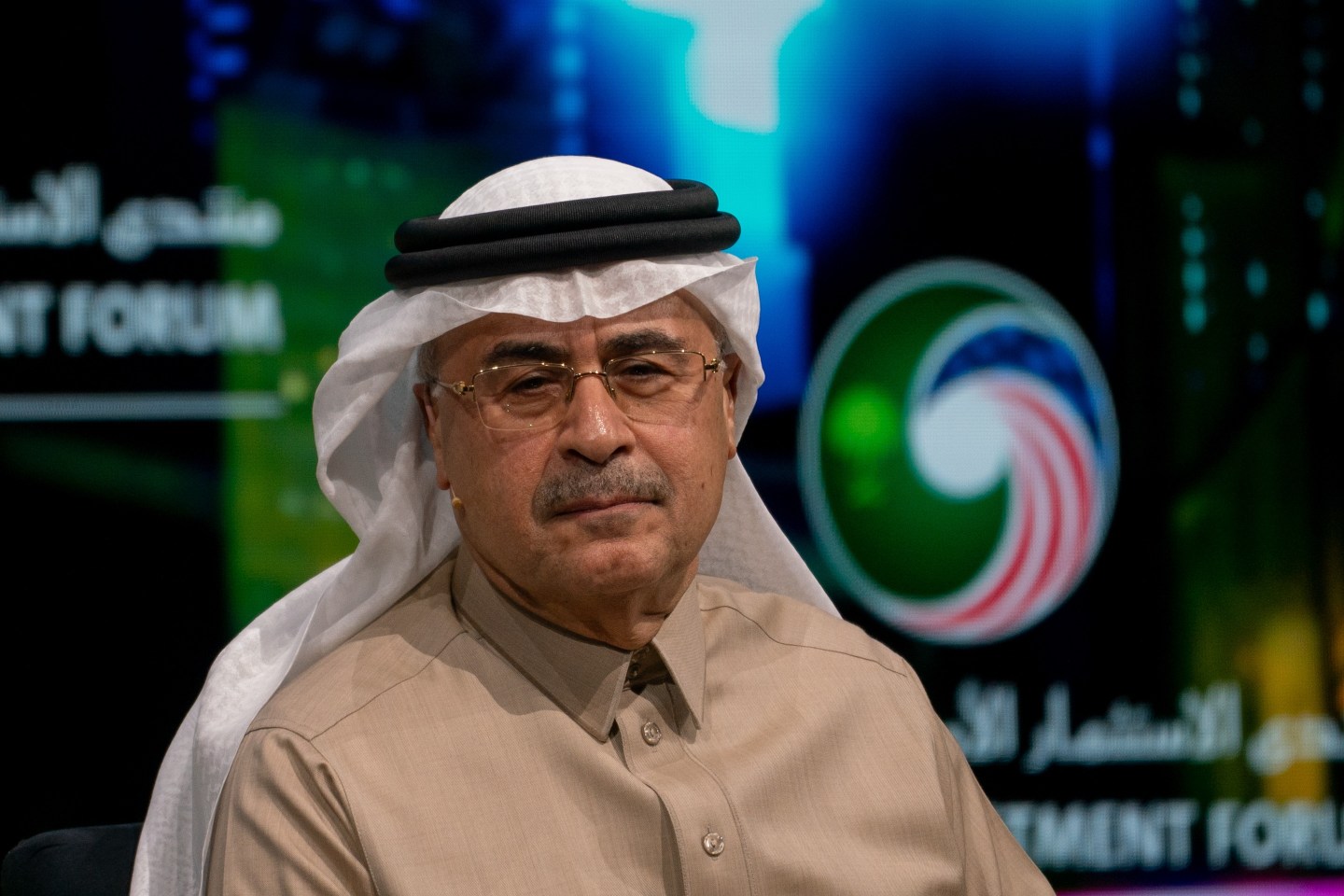
“There would be catastrophic consequences for the world’s oil and markets the longer the disruption goes on, and the more drastic the consequences for the global economy,” Amin Nasser, CEO of Saudi Aramco, said during the company’s quarterly earnings call Tuesday.
Aramco is Saudi Arabia’s majority state-owned petroleum and gas company, and the world’s largest fossil fuel producer. The company, like all exporters operating in the Gulf, has been hit hard by the Strait’s closure. On Monday, Aramco began cutting production across multiple oil fields before reaching storage capacity, joining producers in Iraq, Kuwait, and the United Arab Emirates who have done the same.
Oil prices have been on a wild ride over the past week. The global Brent crude benchmark surged past $100 a barrel over the weekend as fears mounted that a protracted conflict in the Middle East was in the offing, and scraped $120 on Monday, its highest level since 2022. Prices retreated sharply on Tuesday in the aftermath of Trump’s comments promising a swift end to the war to around $90 a barrel.
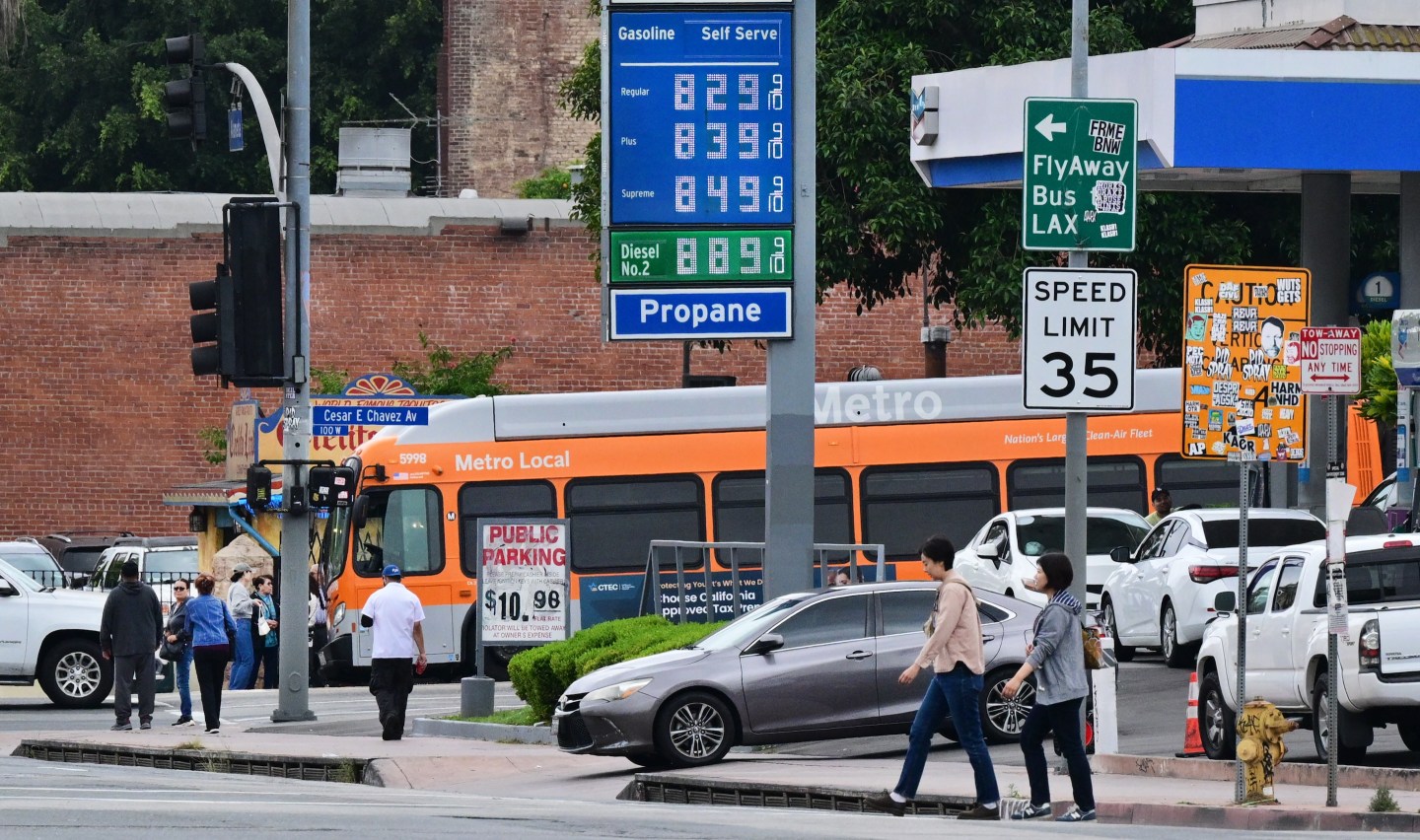
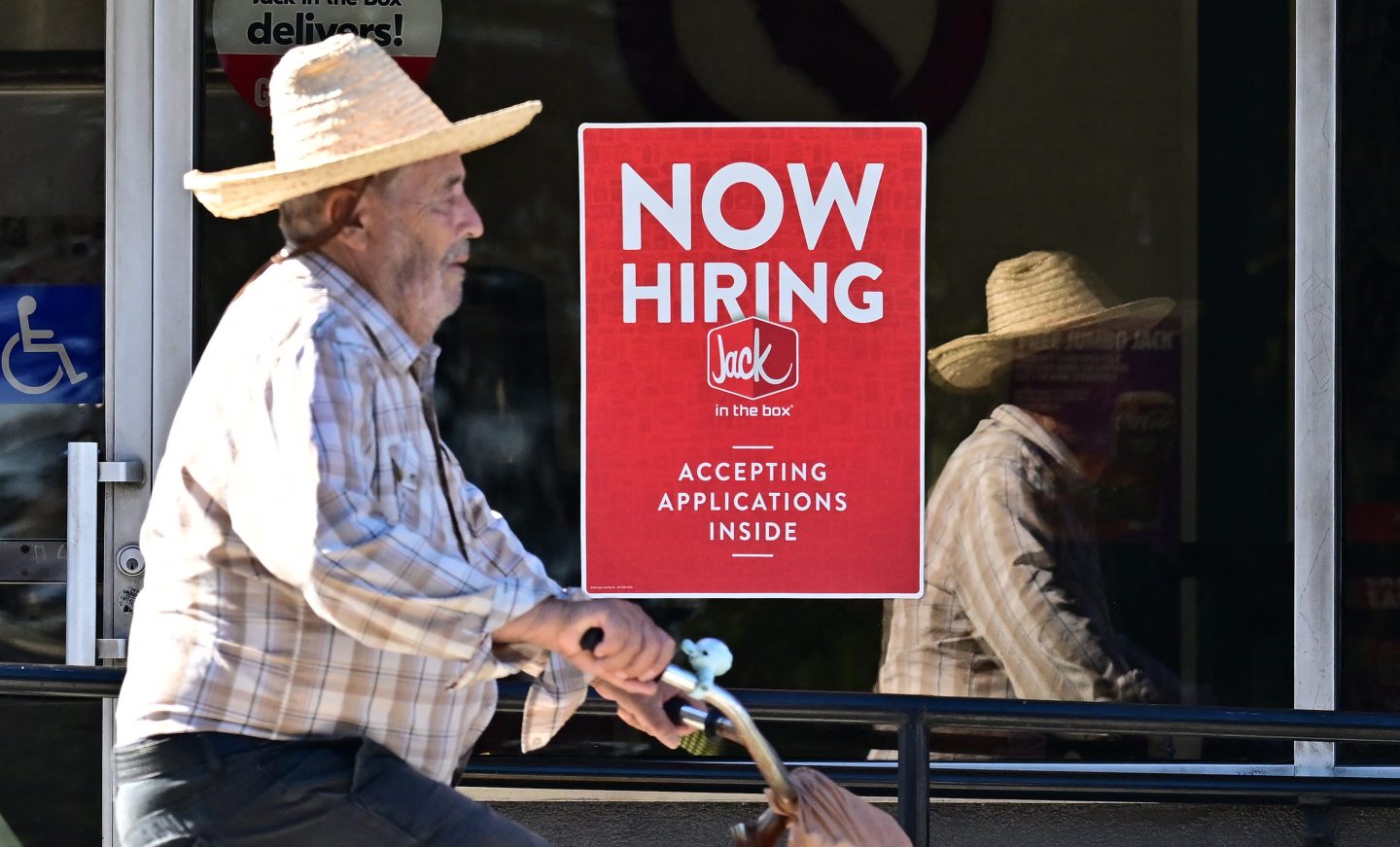
But some damage has already been done. In the U.S., national gasoline prices averaged $3.59 on Tuesday, up from $2.92 a month earlier, according to AAA data.
Another reversal in the narrative around the conflict’s duration could also prove costly. Nasser noted that global oil inventories are already at their lowest level in five years, meaning prolonged production interruptions would accelerate stock drawdowns and leave consuming nations with less buffer against further shocks.
Workarounds are temporary, and risk remains
On Monday, finance ministers from G7 nations—the U.S., U.K., Canada, Germany, Italy, France, and Japan—announced they would take the “necessary measures” to support global energy supply, including potentially a coordinated drawdown of emergency petroleum reserves. The International Energy Agency, a body composed of 32 mostly industrialized member states, estimates that its members hold around 1.2 billion barrels of oil in emergency reserves and announced Tuesday that it was convening an extraordinary meeting to discuss whether to use them.
Aramco has so far met most customer commitments by tapping crude stored outside the Gulf and rerouting some supplies, Nasser said, estimating that the company is still able to export around 70% of its usual crude output. Most of these alternative routes run through a pipeline connecting the facilities on Saudi’s eastern coast with Yanbu, a port city on the Red Sea, where petroleum can be refined and shipped internationally at smaller volumes.
But Nasser also stressed that these workarounds are temporary and cannot replace a full reopening of the region’s main export gateway. There are also risks of further damage to energy infrastructure, such as the strike against Aramco’s Ras Tanura facility last week, allegedly by Iranian drones.
Should the conflict indeed pause and the Strait of Hormuz reopen, Aramco could be able to resume its global shipments “in a matter of days,” Nasser said. But that is only true as long as the company’s stores remain well-stocked, which won’t be the case if Trump’s prediction of a swift end to hostilities doesn’t come to pass.
On Tuesday, the U.S. ramped up its attacks against the Iranian regime in what Defense Secretary Pete Hegseth called the “most intense” day of the campaign. For its part, Iran’s Revolutionary Guard said Tuesday that it would not let “one liter of oil” leave the Middle East if U.S. attacks continue, Reuters reported.
With his comments, Nasser joined other oil and gas executives who have warned of the risks to the global economy posed by the conflict. Last week, Qatar’s energy minister warned that the war could “bring down the economies of the world” if the Strait remains closed long enough.
“While we have faced disruptions in the past, this one by far is the biggest crisis the region’s oil and gas industry has faced,” Nasser said.