• Home
  • Latest
  • Fortune 500
  • Finance
  • Tech
  • Leadership
  • Lifestyle
  • Rankings
  • Multimedia
CommentaryDrugs

Trump promised lower drug prices. Here’s how Congress virtually guaranteed the opposite

By
Tony LoSasso
Tony LoSasso
Down Arrow Button Icon
By
Tony LoSasso
Tony LoSasso
Down Arrow Button Icon
March 4, 2026, 3:30 AM ET
Tony LoSasso is an economist and the Wagner Professor of Public Affairs at the University of Wisconsin, Madison.
cuban
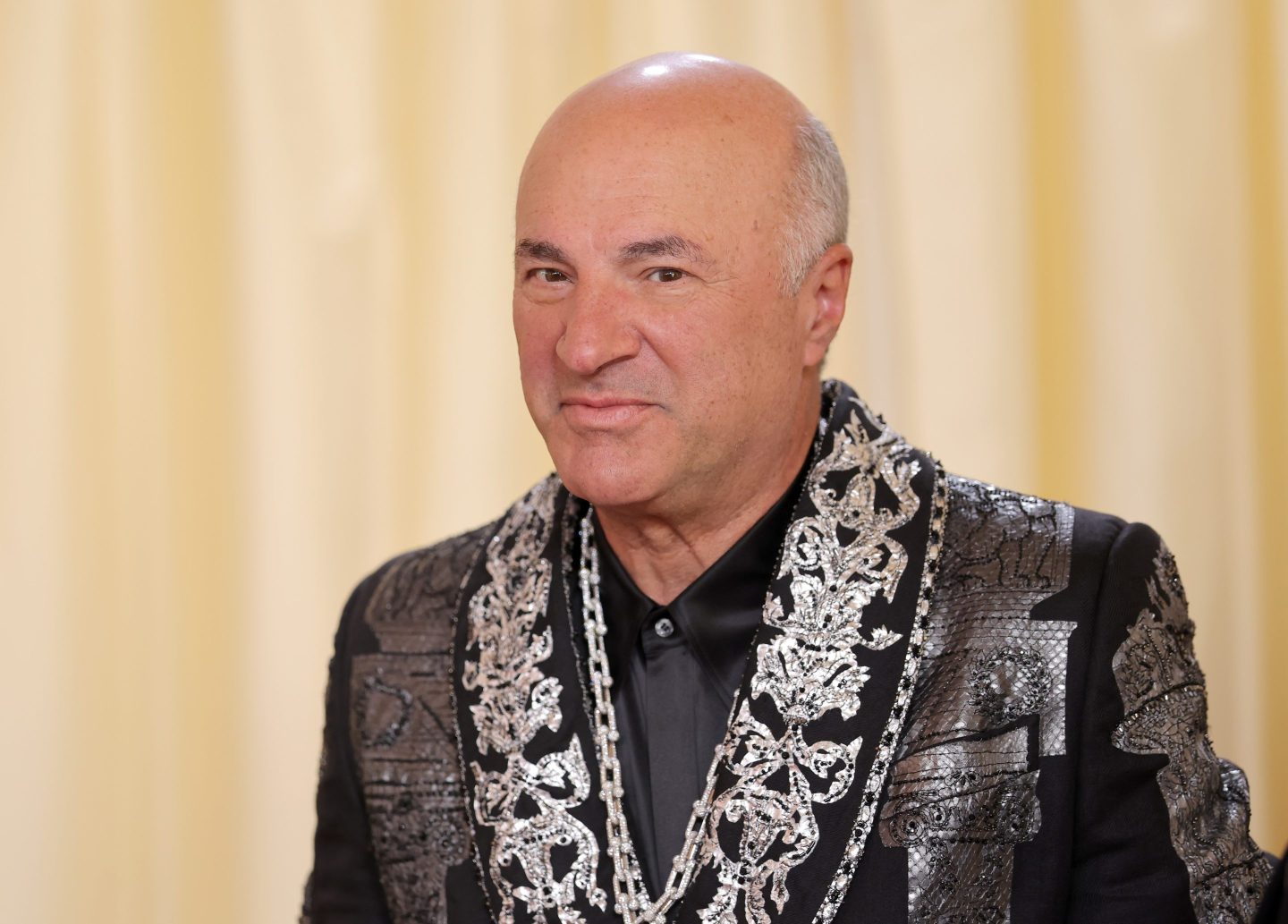
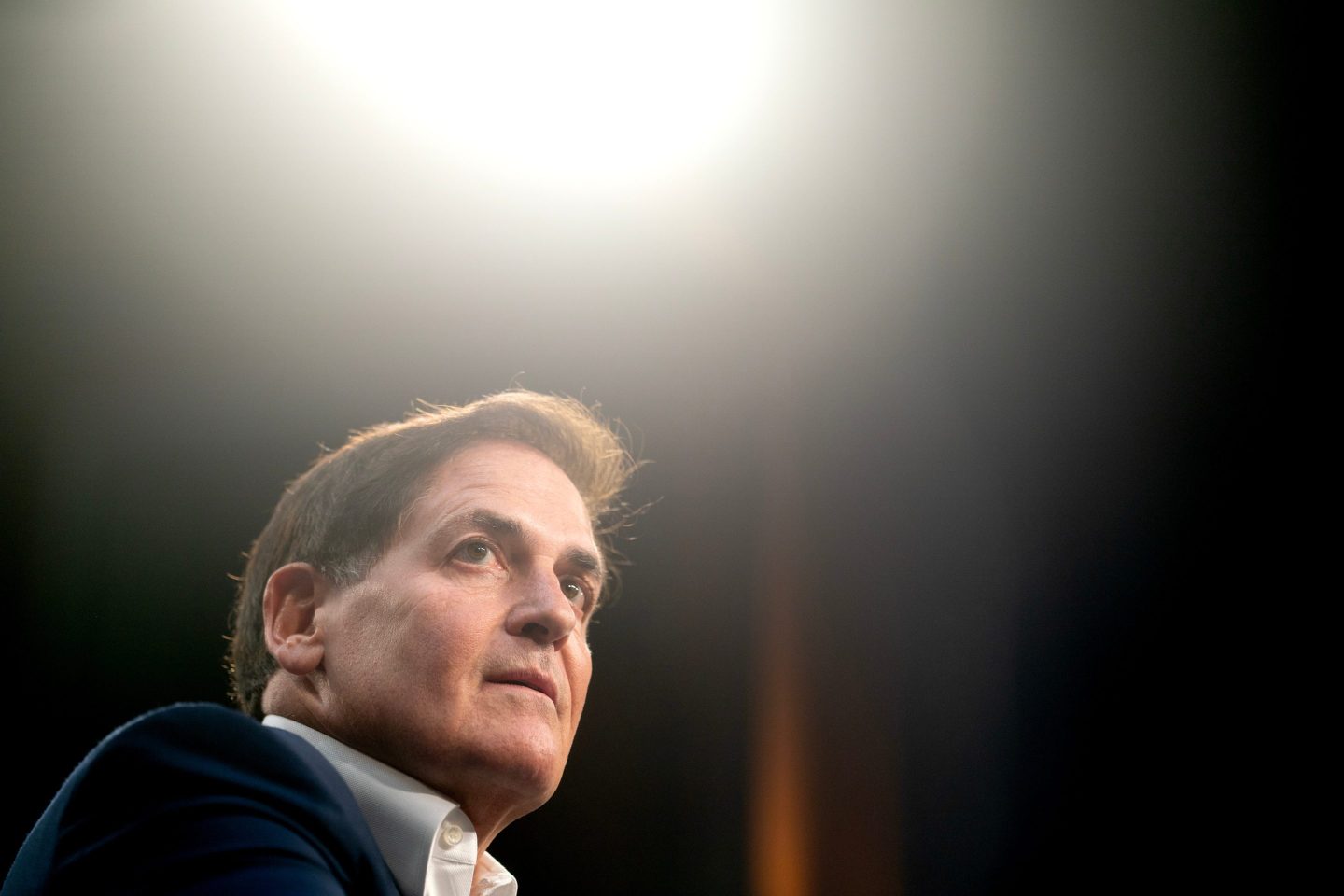
Mark Cuban, co-founder of Cost Plus Drugs, during a Senate Special Committee on Aging hearing in Washington, DC, US, on Wednesday, Oct. 22, 2025. Stefani Reynolds/Bloomberg via Getty Images

President Trump has repeatedly promised to bring down prescription drug prices. His Republican Congress says it shares that goal. But tucked inside the 2026 Consolidated Appropriations Act is a restructuring of the drug market that makes lower prices less likely, not more.

Recommended Video

How does a Congress that promises lower prices end up weakening the bargaining tools that restrain them? The answer lies less in ideology than in political incentives. Pharmacy benefit managers (PBMs) are opaque intermediaries—and they are unpopular with figures including Mark Cuban, who told Fortune that the way they bargain over drug prices is absurd, something that would never happen at the very same pharmacies buying a package of Pringles potato-chip products. (Cuban has been working to directly disrupt the PBM space with his business, Cost Plus Drugs.)

If passed into law, this act would transform PBMs from hard-bargaining negotiators into micromanaged administrators and weaken the tools they use to discipline drug prices. Targeting PBMs is easier than confronting the suppliers who ultimately set prices. But in markets where prices are negotiated, weakening the intermediary often strengthens the firms on the other side of the table. Here’s how we got here.

Decades of growing leverage

For decades, PBMs have relied on two key mechanisms to reduce drug costs. It’s no accident that drug manufacturers—and independent pharmacies—have spent years trying to shift political attention towards PBMs. Hard bargaining works.

The first mechanism that PBMs use is formulary leverage. Drug manufacturers that want preferred formulary placement—or to avoid exclusion from coverage—must offer better prices. That leverage for PBMs depends on a credible threat: lower your price or lose access to patients.

The law under consideration “delinks” PBM compensation from manufacturer rebates in Medicare and requires flat administrative fees, certified at fair market value. It also mandates that rebates be passed through to health plan sponsors in the employer-sponsored market. This sounds appealing, but incentives matter. When compensation no longer depends on securing better terms, bargaining effort becomes a cost center rather than a profit center. PBMs will still compete for contracts, but competition on administrative fees isn’t the same as competition on aggressive price concessions and won’t lower drug prices.

The second tool for PBMs operates downstream. By encouraging patients to use more efficient, lower-cost pharmacies, PBMs have reduced dispensing costs, enhanced patient quality, and reinforced their negotiating leverage upstream. The ability to direct volume toward lower-cost, high-value providers creates bargaining power.

The statute would expand “any willing pharmacy” requirements, limiting that ability. In virtually every sector, purchasers obtain lower prices by steering volume toward lower-cost providers. When every provider must be included on standardized terms, bargaining power diminishes and costs tend to rise. Broader inclusion may feel consumer-friendly, but in negotiated markets it often shifts costs rather than reduces them.

To be sure, neither tool is costless. Formulary exclusions can inconvenience some patients, and encouraging patients to use lower-cost pharmacies can mean switching where they fill their prescriptions. But every healthcare system faces a choice: tolerate some limits or accept higher prices across the board. Negotiation requires leverage, and leverage requires the ability to say no—and to reward lower-cost drugs and providers with more business.

The irony is that Congress is weakening cost-control tools in the name of combating high drug costs.

Seniors on Medicare will pay the price

For decades, reformers have tried to move American health care away from cost-plus reimbursement and open-ended fee-for-service medicine toward competition, in which private plans negotiate hard and shift business to those offering better value. The new PBM regime would move in the opposite direction: toward regulatory supervision, standardized participation, and reduced discretion.

All participants in the prescription drug supply chain deserve scrutiny, but weakening the mechanisms that extract price concessions will not lower drug spending. The more likely outcomes are gains for drug companies and less efficient pharmacies, and higher drug costs. Effects will be especially felt by seniors on Medicare and by smaller employers that lack the leverage to offset the law’s new constraints.

If lawmakers want lower drug prices, they should strengthen competitive pressure, not regulate it into passivity. The politics are easy to understand. Attacking middlemen polls well. It allows lawmakers to appear tough on prices without directly confronting manufacturers. But the economics are less forgiving. Lower drug prices require bargaining power. Congress has just reduced it. Patients and taxpayers will bear the cost.

The opinions expressed in Fortune.com commentary pieces are solely the views of their authors and do not necessarily reflect the opinions and beliefs of Fortune.


Join us at the Fortune Workplace Innovation Summit May 19–20, 2026, in Atlanta. The next era of workplace innovation is here—and the old playbook is being rewritten. At this exclusive, high-energy event, the world’s most innovative leaders will convene to explore how AI, humanity, and strategy converge to redefine, again, the future of work. Register now.
About the Author
By Tony LoSasso
See full bioRight Arrow Button Icon

Latest in Commentary

Finance
Lorem ipsum dolor sit amet, consectetur adipiscing elit, sed do eiusmod tempor incididunt ut labore et dolore magna aliqua. Ut enim ad minim veniam
By Fortune Editors
October 20, 2025
Finance
Lorem ipsum dolor sit amet, consectetur adipiscing elit, sed do eiusmod tempor incididunt ut labore et dolore magna aliqua. Ut enim ad minim veniam
By Fortune Editors
October 20, 2025
Finance
Lorem ipsum dolor sit amet, consectetur adipiscing elit, sed do eiusmod tempor incididunt ut labore et dolore magna aliqua. Ut enim ad minim veniam
By Fortune Editors
October 20, 2025
Finance
Lorem ipsum dolor sit amet, consectetur adipiscing elit, sed do eiusmod tempor incididunt ut labore et dolore magna aliqua. Ut enim ad minim veniam
By Fortune Editors
October 20, 2025
Finance
Lorem ipsum dolor sit amet, consectetur adipiscing elit, sed do eiusmod tempor incididunt ut labore et dolore magna aliqua. Ut enim ad minim veniam
By Fortune Editors
October 20, 2025
Finance
Lorem ipsum dolor sit amet, consectetur adipiscing elit, sed do eiusmod tempor incididunt ut labore et dolore magna aliqua. Ut enim ad minim veniam
By Fortune Editors
October 20, 2025

Most Popular

Finance
Lorem ipsum dolor sit amet, consectetur adipiscing elit, sed do eiusmod tempor incididunt ut labore et dolore magna aliqua. Ut enim ad minim veniam
By Fortune Editors
October 20, 2025
Finance
Lorem ipsum dolor sit amet, consectetur adipiscing elit, sed do eiusmod tempor incididunt ut labore et dolore magna aliqua. Ut enim ad minim veniam
By Fortune Editors
October 20, 2025
Finance
Lorem ipsum dolor sit amet, consectetur adipiscing elit, sed do eiusmod tempor incididunt ut labore et dolore magna aliqua. Ut enim ad minim veniam
By Fortune Editors
October 20, 2025
Finance
Lorem ipsum dolor sit amet, consectetur adipiscing elit, sed do eiusmod tempor incididunt ut labore et dolore magna aliqua. Ut enim ad minim veniam
By Fortune Editors
October 20, 2025
Finance
Lorem ipsum dolor sit amet, consectetur adipiscing elit, sed do eiusmod tempor incididunt ut labore et dolore magna aliqua. Ut enim ad minim veniam
By Fortune Editors
October 20, 2025
Finance
Lorem ipsum dolor sit amet, consectetur adipiscing elit, sed do eiusmod tempor incididunt ut labore et dolore magna aliqua. Ut enim ad minim veniam
By Fortune Editors
October 20, 2025
Fortune Secondary Logo
Rankings
  • 100 Best Companies
  • Fortune 500
  • Global 500
  • Fortune 500 Europe
  • Most Powerful Women
  • Future 50
  • World’s Most Admired Companies
  • See All Rankings
Sections
  • Finance
  • Fortune Crypto
  • Features
  • Leadership
  • Health
  • Commentary
  • Success
  • Retail
  • Mpw
  • Tech
  • Lifestyle
  • CEO Initiative
  • Asia
  • Politics
  • Conferences
  • Europe
  • Newsletters
  • Personal Finance
  • Environment
  • Magazine
  • Education
Customer Support
  • Frequently Asked Questions
  • Customer Service Portal
  • Privacy Policy
  • Terms Of Use
  • Single Issues For Purchase
  • International Print
Commercial Services
  • Advertising
  • Fortune Brand Studio
  • Fortune Analytics
  • Fortune Conferences
  • Business Development
  • Group Subscriptions
About Us
  • About Us
  • Editorial Calendar
  • Press Center
  • Work At Fortune
  • Diversity And Inclusion
  • Terms And Conditions
  • Site Map
Fortune Secondary Logo
  • About Us
  • Editorial Calendar
  • Press Center
  • Work At Fortune
  • Diversity And Inclusion
  • Terms And Conditions
  • Site Map
  • Facebook icon
  • Twitter icon
  • LinkedIn icon
  • Instagram icon
  • Pinterest icon

Latest in Commentary

wong
CommentaryLegal
Legal AI is splitting in two—and most people miss the difference
By Nick LichtenbergMarch 4, 2026
32 minutes ago
cuban
CommentaryDrugs
Trump promised lower drug prices. Here’s how Congress virtually guaranteed the opposite
By Tony LoSassoMarch 4, 2026
1 hour ago
gen z
Commentarytourism
Millennials invented the experience economy and Gen Z is reinventing travel itself
By Nick LichtenbergMarch 4, 2026
1 hour ago
wolfgang
CommentaryLeadership
Europe doesn’t lack tech talent. Its leaders lack execution
By Wolfgang OelsMarch 3, 2026
23 hours ago
zuck
Commentarycyber
Boards aren’t ready for the AI age: What happens when your CEO gets deepfaked?
By James RichardsonMarch 3, 2026
1 day ago
Europedigital transformation
Why Europe can lead in trusted, industrialized AI
By Dave McCannMarch 2, 2026
2 days ago

Most Popular

placeholder alt text
Economy
Interest on the $38.8 trillion national debt has tripled since 2020, and it already costs taxpayers more than defense and Medicaid
By Nick LichtenbergMarch 2, 2026
1 day ago
placeholder alt text
Middle East
Iran’s Islamic Revolutionary Guard controls a sprawling business empire that dominates the economy
By Jason MaMarch 2, 2026
2 days ago
placeholder alt text
Personal Finance
Current price of silver as of Tuesday, March 3, 2026
By Joseph HostetlerMarch 3, 2026
20 hours ago
placeholder alt text
Personal Finance
Current price of gold as of March 2, 2026
By Danny BakstMarch 2, 2026
2 days ago
placeholder alt text
Middle East
U.S. military gives Iran a taste of its own medicine with cheap copycat Shahed drones, while concern shifts to munitions supply in extended conflict
By Jason MaMarch 1, 2026
3 days ago
placeholder alt text
AI
American schools weren’t broken until Silicon Valley used a lie to convince them they were—now reading and math scores are plummeting
By Sasha RogelbergMarch 1, 2026
3 days ago

© 2026 Fortune Media IP Limited. All Rights Reserved. Use of this site constitutes acceptance of our Terms of Use and Privacy Policy | CA Notice at Collection and Privacy Notice | Do Not Sell/Share My Personal Information
FORTUNE is a trademark of Fortune Media IP Limited, registered in the U.S. and other countries. FORTUNE may receive compensation for some links to products and services on this website. Offers may be subject to change without notice.