- In today’s CEO Daily: Diane Brady outlines what’s next for CEOs after SCOTUS strikes down Trump’s tariffs.
- The big leadership story: Trump’s immigration crackdown risks labor shortages in key industries.
- The markets: Down in Europe as markets react to more tariffs chaos.
- Plus: All the news and watercooler chat from Fortune.
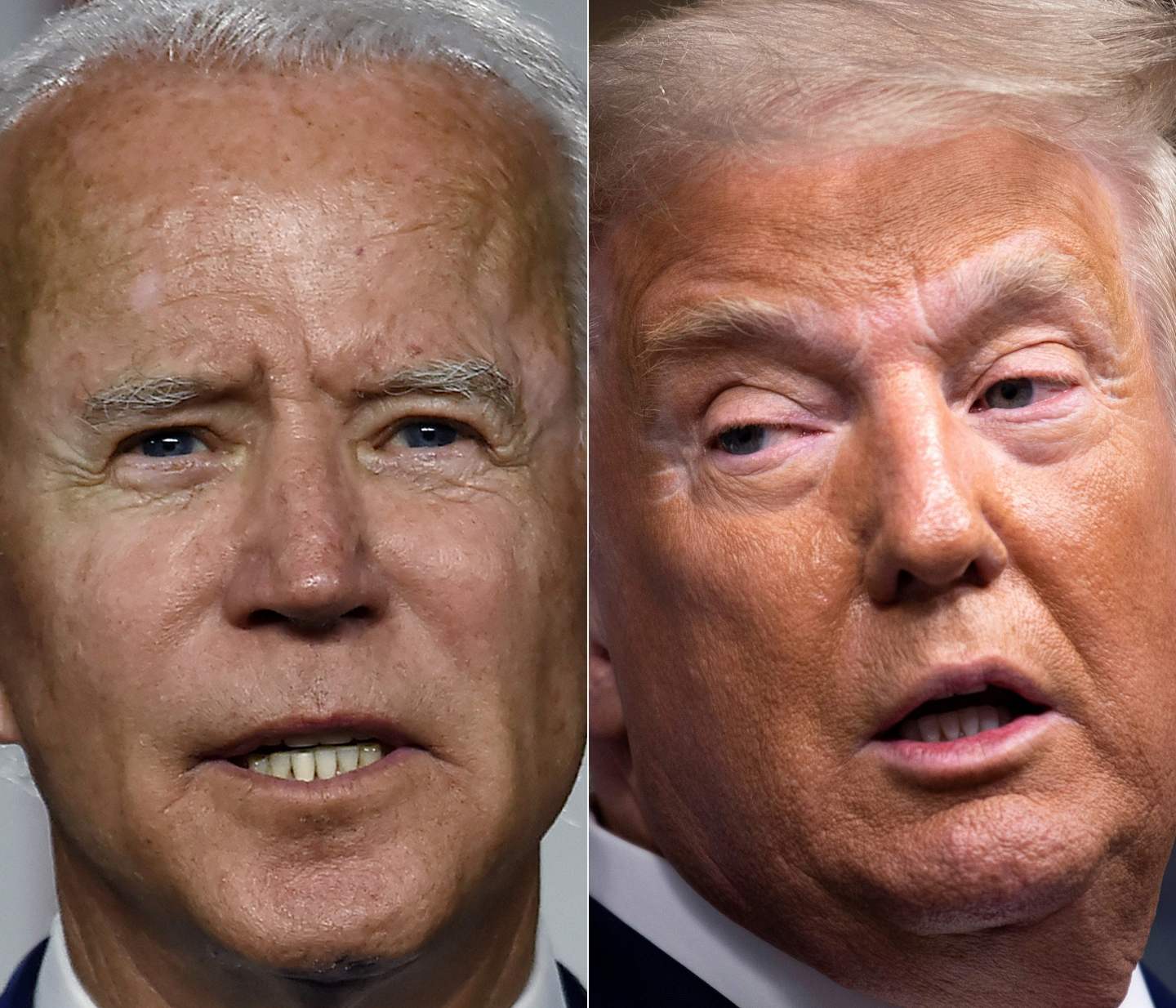
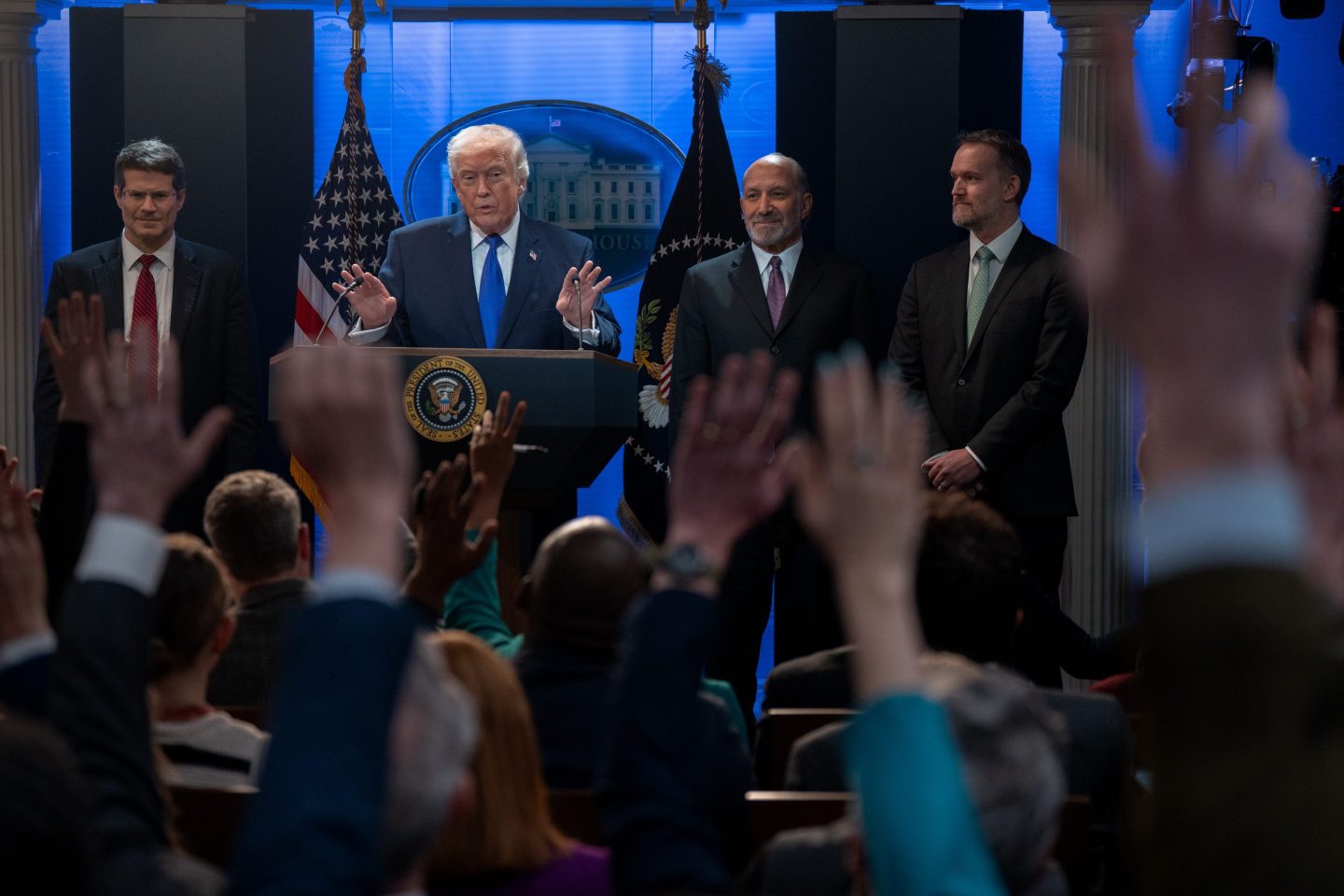
Good morning. Now that the Supreme Court ruled against Donald Trump using his emergency powers to impose tariffs, what’s next? After all, the U.S. president responded by immediately creating tariffs under a different law, Section 122 of the 1974 Trade Act. And the court gave no guidance on how leaders can recoup the money they paid under a policy deemed illegal. For the moment, at least, America’s protectionist strategy remains in place. So what’s next for leaders?
Bring in the lawyers. Companies need to track every customs duty that can be directly attributed to tariffs imposed under the International Emergency Economic Powers Act, which accounts for about half of all tariffs. U.S. Trade Representative Jamieson Greer said it’s up to the lower courts to decide how refunds will be paid. Companies will have to not only document that they paid but also how much they may have to spend to recover those payments: One manufacturer told me on Friday that he’s not convinced his company will seek a remedy as the duties impacted a relatively small portion of his supply chain.
The silence continues. While many CEOs have been reluctant to criticize Trump’s tariffs in public, they’ve been vociferous in complaints behind the scenes. At the Yale CEO Caucus in Washington a year ago, for example, more than two-thirds of CEOs said they thought the tariffs were illegal, harmful and would be passed along through higher costs for customers. While the Supreme Court decision may have pierced the president’s “seeming invincibility,” it’s done little to calm their nerves. “There is no upside in speaking out” against this president, one CEO said when I called him on Friday night. “You do what’s right internally, which includes staying off his radar.”
Protectionism is here to stay. In addition to exploring other policy levels for imposing tariffs, President Trump has shifted the dynamics of global trade. Tariffs beget more tariffs and other leaders are feeling pressure to forge new alliances and build up their own infrastructure to keep jobs at home. The administration has said it expects trading partners to honor the deals they forged as tariffs were mounting. Don’t shelve those reshoring plans.
Keep an eye on Costco. As my colleague Phil Wahba points out, Costco’s decision to sue the Trump Administration over Liberation Day tariffs not only left it well placed for refunds but also reinforced its reputation of looking out for customers. Instead of staying silent on a move that many saw as illegal at the time, and the Supreme Court reinforced, Costco framed the move as a business decision that impacted their ability to create an optimal selection of merchandise at the best price. Clear communication kept the focus on customers.
Contact CEO Daily via Diane Brady at diane.brady@fortune.com
Top leadership news
Industries need workers targeted by Trump's immigration crackdown
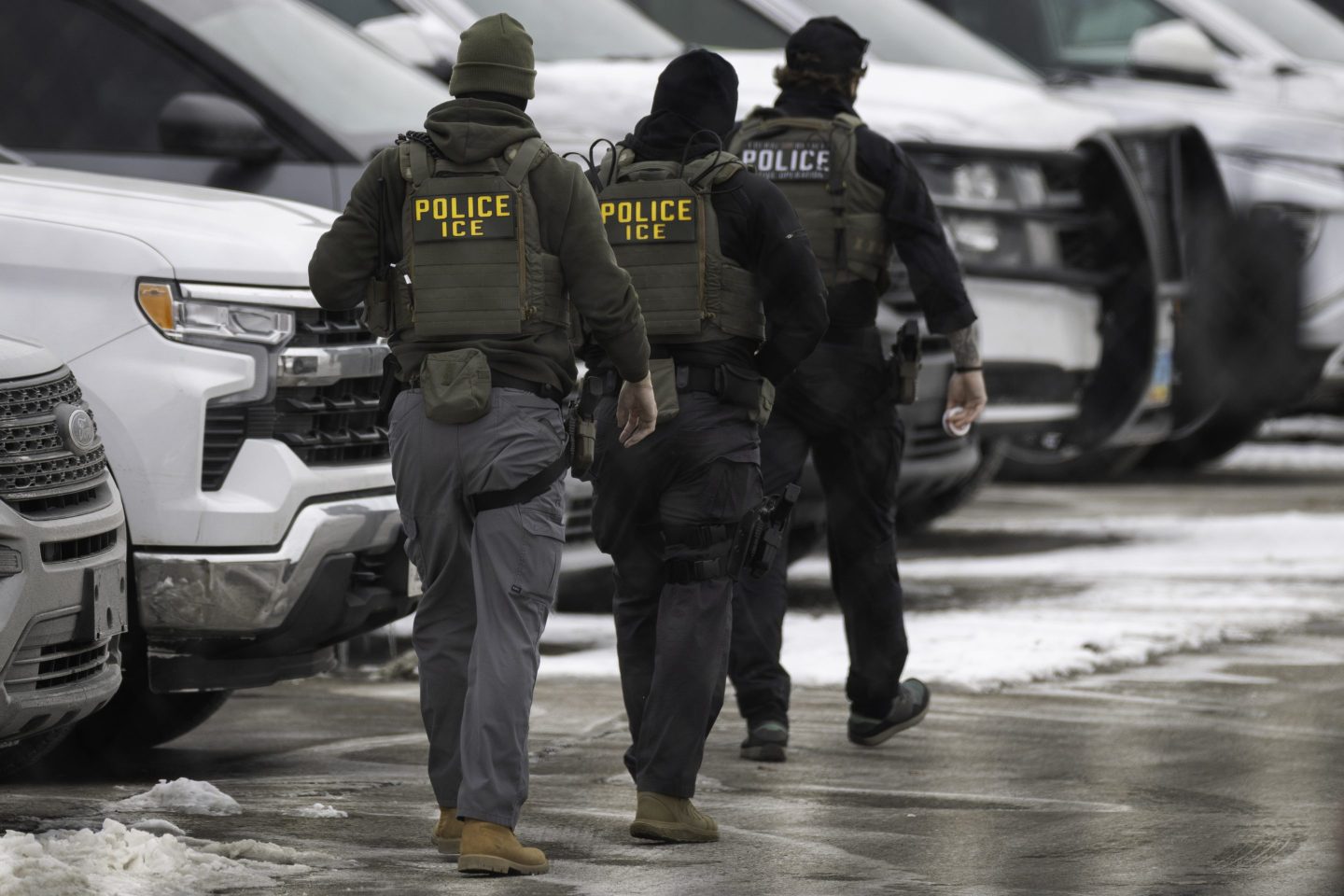
A new report by the San Francisco Fed notes that the influx of unauthorized immigrants during the Biden administration coincided with a need for laborers in industries like manufacturing and construction. President Trump’s immigration crackdown risks shortages in those industries as they gear up to build AI data centers and residential housing.
Iran conflict could drastically change gas prices
Analysts tell Fortune that gas could either skyrocket to $5 per gallon if war breaks out in Iran or fall to less than $2.50 per gallon if diplomacy prevails. “Iran is infinitely more desperate today,” one analyst said, and may be willing to disrupt the essential Strait of Hormuz if the standoff continues to escalate.
The deficit is climbing fast
The CBO’s latest 10-year outlook shows deficits and debt climbing even faster than it warned a year ago, driven by Trump-era tax cuts, higher spending, and swelling interest costs. By 2036, annual borrowing is projected to approach 6% of GDP and push debt well past its World War II record.
The markets
S&P 500 futures are down 0.27% this morning. The last session closed up 0.69%. The STOXX Europe 600 was down 0.06% in early trading. The U.K.’s FTSE 100 was down 0.05% in early trading. Japan’s markets are closed today. Chinese markets are closed for the New Year. South Korea’s KOSPI was up 0.65%. India’s NIFTY 50 was up 0.55%. Bitcoin was down to $66K.
Around the watercooler
The Nobel laureate who co-wrote ‘Why Nations Fail’ warns U.S. democracy won’t survive unless these two things change by Jake Angelo
The U.S. spent $30 billion to ditch textbooks for laptops and tablets: The result is the first generation less cognitively capable than their parents by Sasha Rogelberg
Peter Thiel and other tech billionaires are publicly shielding their children from the products that made them rich by Marco Quiroz-Gutierrez
CEO Daily is compiled and edited by Joey Abrams, Claire Zillman and Lee Clifford.