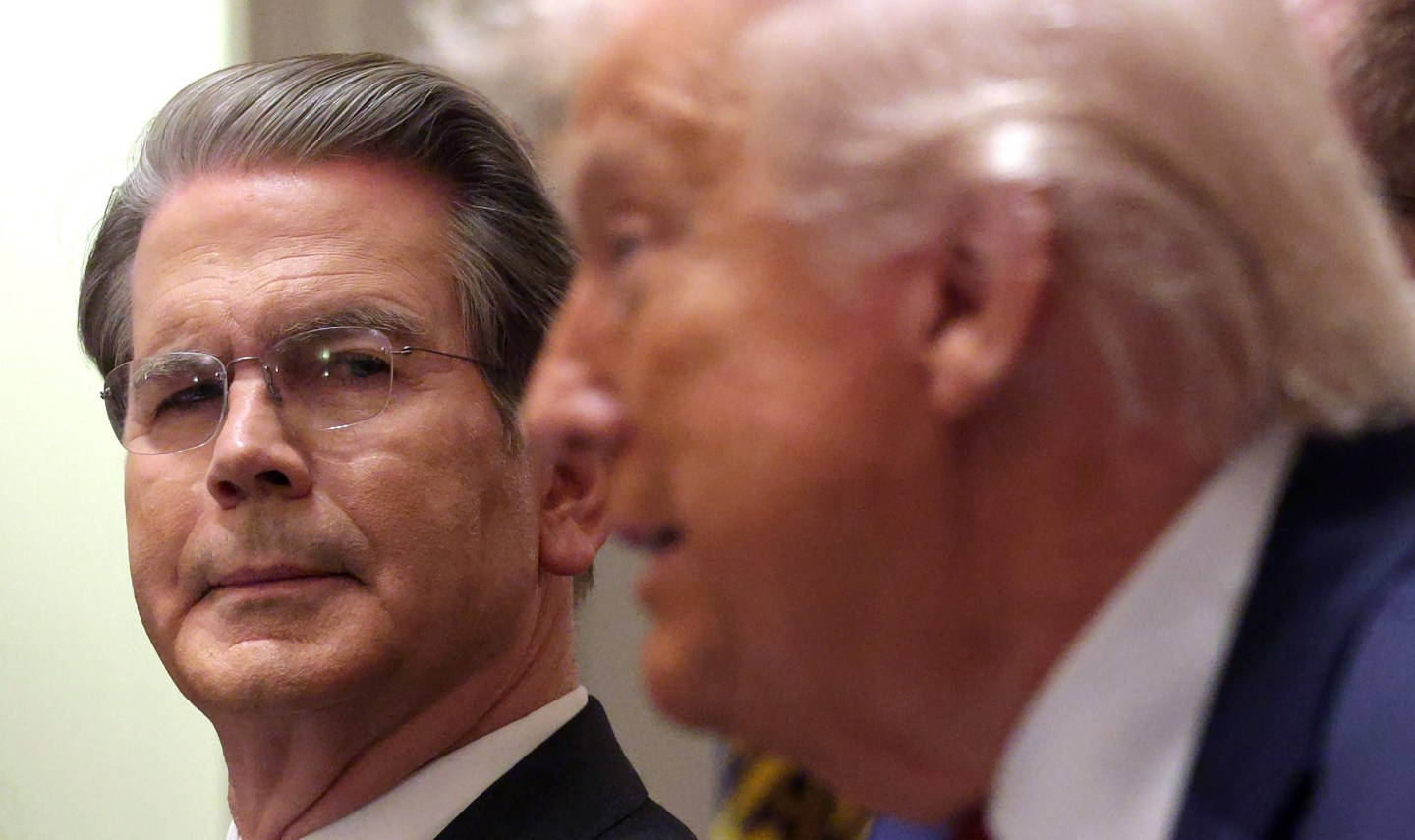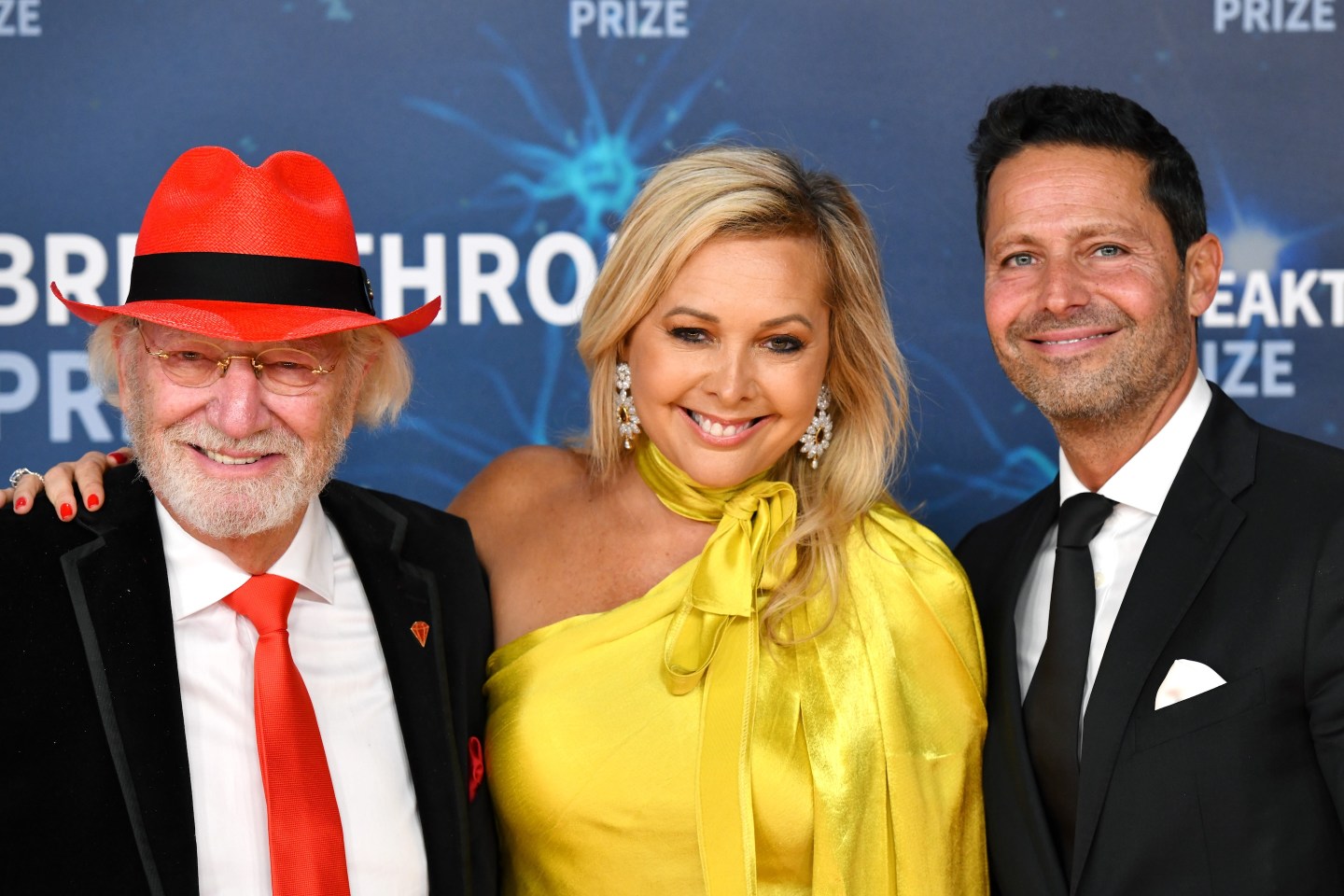
At a charity gala in Palm Beach last month, billionaire investor Herbert Wertheim paid $2 million for one of the most exclusive and controversial invitations in America: a private visit to the White House with President Donald Trump.
The winning bid came during a charity event at Trump’s Mar-a-Lago estate, supporting educational scholarships for children of Palm Beach police officers and firefighters. The event raised a record $7.5 million for first responders’ scholarships and local services, organizers said. Wertheim’s lunch purchase came bundled with roundtrip travel on financier Thomas Peterffy’s private jet, a perk donated jointly by Peterffy, Trump, and philanthropist Lynne Wheat.
“It is certainly for a good cause,” Wertheim said in an interview with the Palm Beach Post. “We were certainly pleased to be able to do that.”
A White House spokesperson told Fortune that the reward was cleared by White House counsel and no legal conflicts of interest were identified. Presidents from both parties have long entertained high-profile donors with extravagant rewards and appointments, but watchdog groups have been critical of the Trump administration’s use of big-ticket charity events to exchange face time with the president, even when their donations go toward a charitable cause.
Wertheim, an optometrist and philanthropist, is the founder of Brain Power Inc., a medical equipment manufacturer and supplier. The businessman—whose 2026 net worth stands at around $4 billion, according to Forbes—is also a big name in Palm Beach real estate. Last year he purchased a $62 million oceanfront estate in Manalapan, a town known for its proximity to Mar-a-Lago that has recently attracted a slew of billionaire homebuyers, including Oracle cofounder and Trump confidant Larry Ellison.
Trump has made a habit of using his Mar-a-Lago property as a hub for high-powered billionaires and executives at lavish charity galas, where auction items like private lunches or Oval Office meetings often fetch millions. The most recent event raised $7.5 million, and invitations for candlelight dinners during the president’s term have been accompanied by a $1-million-per-person seating price.
Mar-a-Lago’s role
The ultrarich have been happy to play along to get a closer seat to a president who has actively cultivated close one-on-one relationships with business executives. In the run-up to Trump’s second inauguration and throughout his second term, CEOs and tech leaders—including Elon Musk, Mark Zuckerberg, and Jeff Bezos—have all made frequent visits to Mar-a-Lago, and some have cut out the travel time entirely and purchased lots adjacent to Trump’s estate. Bruce Richards, a millionaire hedge fund manager, purchased an empty lot last year that is one street down from Mar-a-Lago, an investment that reportedly grants buyers guest privileges at the club without paying the $1 million initiation fee.
Ethics advocates have long criticized Trump’s fundraising tactics for being “pay-to-play.” Early in his first term, watchdogs raised concerns over potential conflicts of interest stemming from actions such as Mar-a-Lago doubling its membership fees. Throughout his first term, Trump may have racked up more than 3,400 such conflicts of interest, including visits by foreign officials to Trump properties and taxpayer spending directed at Trump businesses, according to a 2020 review by Citizens for Responsibility and Ethics in Washington (CREW), a watchdog organization. This week, the Democratic National Committee put out a statement attacking Trump’s appearance at a fundraiser dinner held over the weekend in Washington.
“It’s a presidency that seems to be up for sale to the highest bidder. And that’s not great for America,” Jordan Libowitz, CREW’s communications director, told the Palm Beach Post in reference to the most recent Mar-a-Lago auction that saw Wertheim emerge victorious.
To be sure, Trump is far from the first commander-in-chief to leverage face time with the president for billionaire donations, a distinctly bipartisan habit. Between 1993 and 1996, Bill Clinton allowed 938 top donors and supporters to stay overnight in the Lincoln Bedroom, with other benefits including meals, golf outings, and jogs in the president’s company. During the Obama years, so-called bundlers donated the legal maximum, brought in new donors, and were rewarded with prestigious presidential appointments.