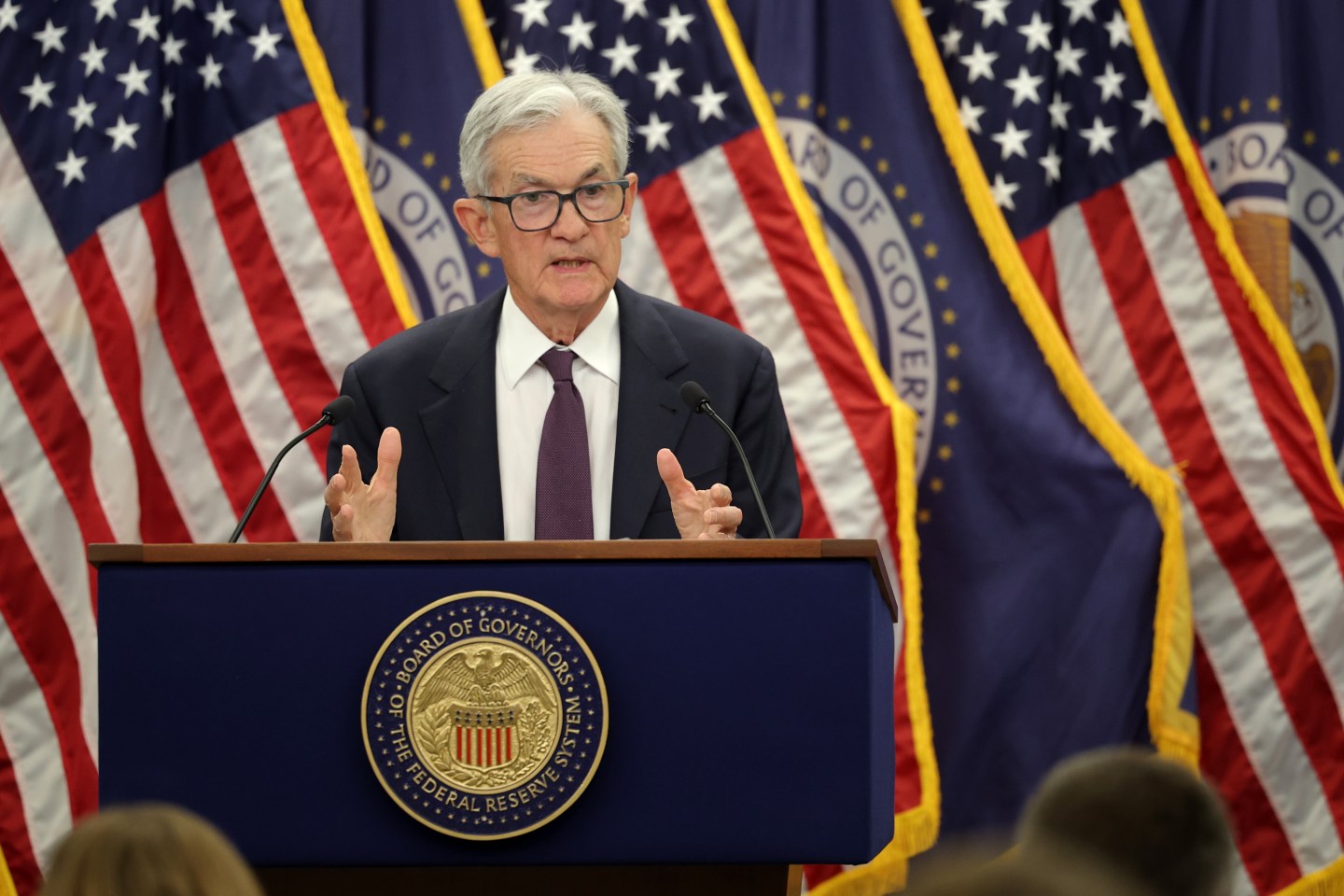
In a press conference Wednesday following the Federal Reserve’s decision to hold interest rates steady, Chair Jerome Powell made clear his stance on the Fed’s independence.
“We haven’t lost it. I don’t believe we will. I certainly hope we won’t,” Powell said.
The comment comes several weeks after he made public the Justice Department’s serving the Federal Reserve grand jury subpoenas targeting Powell over his June 2025 congressional testimony regarding the $2.5 billion renovation of the Fed’s headquarters.
The subpoenas are only half of the story. For months, President Donald Trump has lobbed attacks at the Fed’s construction project, frustrated by what he perceives as a sluggishness in cutting rates. In the administration’s view, the Fed is holding back the engine for growth. Last August, Trump posted on Truth Social: “Jerome ‘Too Late’ Powell, a stubborn MORON, must substantially lower interest rates, NOW. IF HE CONTINUES TO REFUSE, THE BOARD SHOULD ASSUME CONTROL.”
But Powell maintained the Fed has remained prudent on cuts, balancing the dual mandate of managing inflation and strengthening the job market.
“We at the Fed will continue to do our jobs with objectivity, integrity, and a deeper commitment to serve the American people,” Powell said at Wednesday’s press conference. The Fed has implemented 175 basis point cuts since September 2024.
Aside from those comments, the Fed chair remained tight-lipped on other political issues, responding with a tepid, “I have nothing for you on that” to additional questions about the Fed’s subpoena and the dollar’s slump.
The Fed held rates steady Wednesday at 3.50% to 3.75% as the central bank seeks to juggle the competing realities of the dollar’s slump and the stock market’s rally. The 10–2 vote to hold rates steady featured dissents from Governors Stephen Miran and—a recent Trump appointee—Christopher Waller. Both pushed for a quarter rate cut, aligning with the White House’s demands.
Beyond the political fray, Powell emphasized the Fed’s cautious approach to further rate cuts, ensuring any future decision will be informed by a precise analysis of inflation data, much of which is currently skewed by trade policy, as Powell mentioned tariffs placed a “one-time price increase” on consumer goods.
Powell’s term as chair ends in May. And while it is not yet confirmed who will replace him, Trump has narrowed his search down to four contenders: Fed Governor Christopher Waller, National Economic Council Director Kevin Hassett, former Fed Governor Kevin Warsh, and BlackRock chief investment officer Rick Rieder, who has surged on prediction markets in recent weeks to become the front-runner to succeed Powell.
The Fed chair offered advice he’d share with whoever becomes his successor: “Don’t get into elected politics.”