The Fortune World’s Most Admired Companies list is our “ranking of corporate reputation.” There’s a lot to unpack in the last word of that sentence—which is why it’s a nerdy pleasure and privilege to dig more deeply into our full rankings.
Our annual All-Star list, the top 50, ranks companies by the acclaim they win in surveys of the wider business community—essentially, their reputation among leaders in all industries, including their own. And that list makes it clear that once you earn a great reputation in these wider circles, it can have incredible staying power.
Apple, for example, has been No. 1 for a remarkable 19 consecutive years. Amazon and Microsoft have filled out the top three for seven years in a row. Berkshire Hathaway (No. 6) and Alphabet (No. 8) have each been in our top 10 for well over a decade. Berkshire, the conglomerate nurtured by Warren Buffett, holds the distinction of having been on the All-Star list every single year since it launched in 1998; it shares that honor with Microsoft, Coca-Cola, Toyota Motor, and Johnson & Johnson.
But the All-Star list makes up only one component of the World’s Most Admired package; the other focuses on rankings within each industry. For these, we ask insiders about the reputations of their own businesses and their immediate competitors, letting them score companies in nine categories. Here, experts in each field weigh minutiae like quality of management, ability to attract talent, and stewardship of corporate assets.
Long winning streaks aren’t unheard-of in these industry rankings: Apple, for example, has finished No. 1 in the computer industry 16 out of the past 17 years; Nvidia, the world’s most valuable company, has been No. 1 in semiconductors for nine of the past 10 years (2022 was the only exception).
But elsewhere, the rankings show the kind of churn that comes with heated competition and constant disruption. Overall, there were changes at the No. 1 spot this year in 17 of the 51 industries we track.
There’s no greater poster child for this turnover phenomenon than the megabanks, whose performance metrics are obsessively watched and whose top performers frequently switch companies and take best practices with them. Here, JPMorgan Chase dislodged Morgan Stanley to earn top honors—the fifth time in five years that the leader spot in this industry has changed hands.
Some of this year’s top-ranked companies made comebacks after long stretches out of the limelight. In home equipment and furnishings, for example, Whirlpool took the No. 1 spot for the first time since 2018. MetLife, meanwhile, topped the podium in life and health insurance for the first time since 2015. Other winners are first-timers, including L’Oréal, which nudged Procter & Gamble off the throne in the soaps and cosmetics category.
And one industry winner is a poignant mix of new and old. GE Aerospace, the aircraft engine supplier, won the No. 1 spot in the defense and aerospace industry for the first time, ending Lockheed Martin’s five-year reign. GE Aerospace is the corporate successor to General Electric—the storied conglomerate that topped our All-Star list as recently as 2007 but eventually grew too big to succeed. The new company was created in 2024 out of the ashes of the old GE; its CEO, Larry Culp, orchestrated the final transformation of the conglomerate into three more-focused companies. GE Aerospace’s presence on this list is a sign of a remarkably fast turnaround—and a reminder of how quickly corporate reputations can change.
Results and reputations on the move
Toyota steers through rough terrain
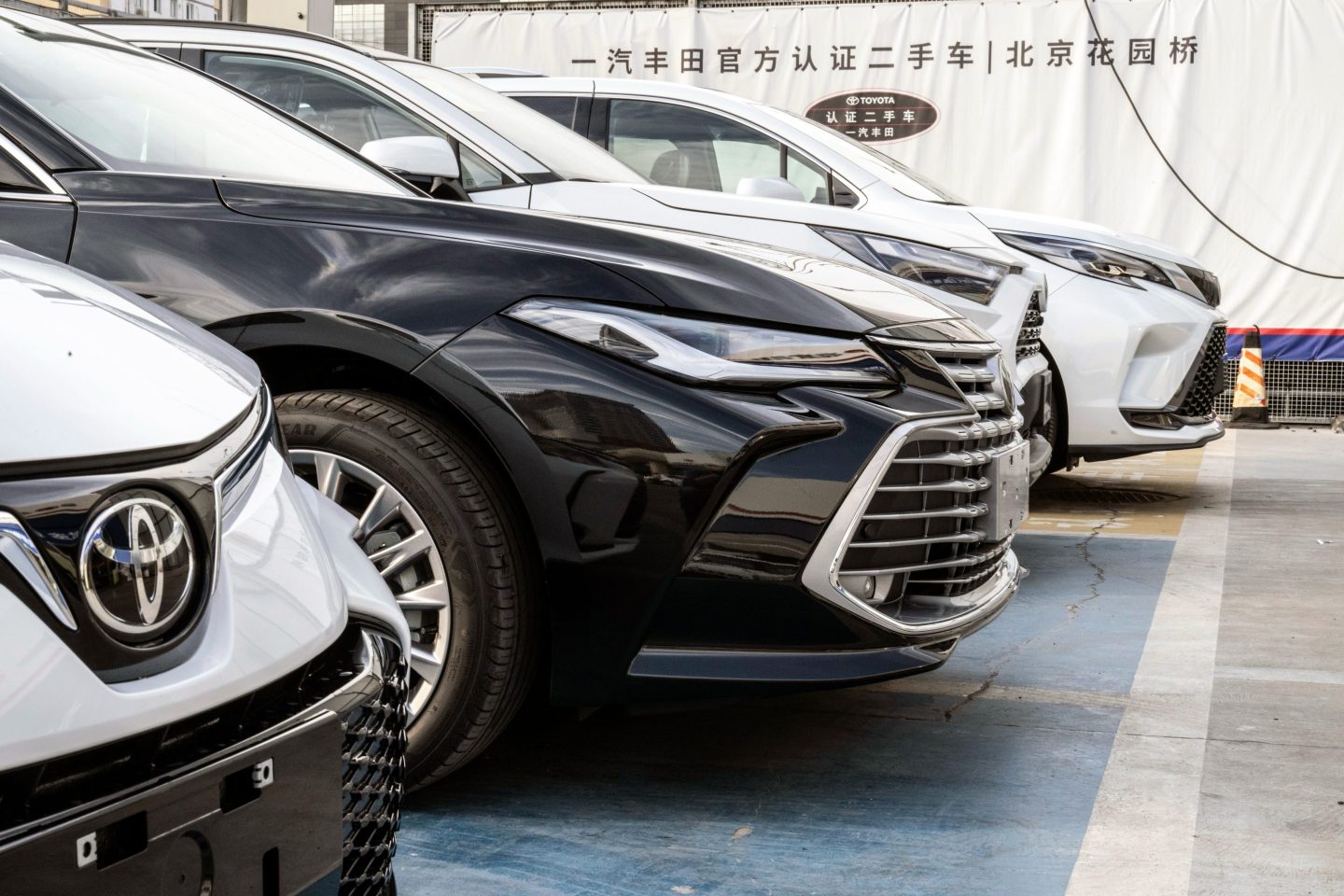
Economic uncertainty and inflation made 2025 a tough year for new-car sales. But Toyota Motor, the top-ranked Asian company on our All-Star list, rode out the slump to emerge as the world’s top seller by market share. Toyota’s oft-criticized electric-vehicle strategy—focusing on gas-electric hybrids rather than on pure battery EVs—looked prescient as the U.S., the European Union, and China phased out or reduced EV subsidies. In the U.S., its 2025 sales were on track to rise 8% year over year, despite the imposition of new tariffs on many of its models by the Trump administration. Toyota’s 2026 plans include innovations at both ends of the price spectrum, among them a $15,000 electric SUV aimed at China’s market and a global expansion of its ultra-luxury Century marque, which previously sold only in Japan.
A tumble at Target
One iconic American retailer took a reputational tumble this year: Target, ranked No. 27 in 2025, has fallen off the top 50, breaking a 24-year streak on our All-Star list. As of early January, Target was tracking toward a third straight fiscal year of declining revenue, and its stock was down more than 60% from its 2021 peak. Among the factors hurting the cheap-chic giant: slip-ups in inventory management and customer service, as well as wrath from activists on the left and right alike over its flip-flopping diversity policies. Insiders and investors hope that a change at the top will revitalize Target: COO Michael Fiddelke will succeed Brian Cornell as CEO in February.
A midair milestone for Airbus
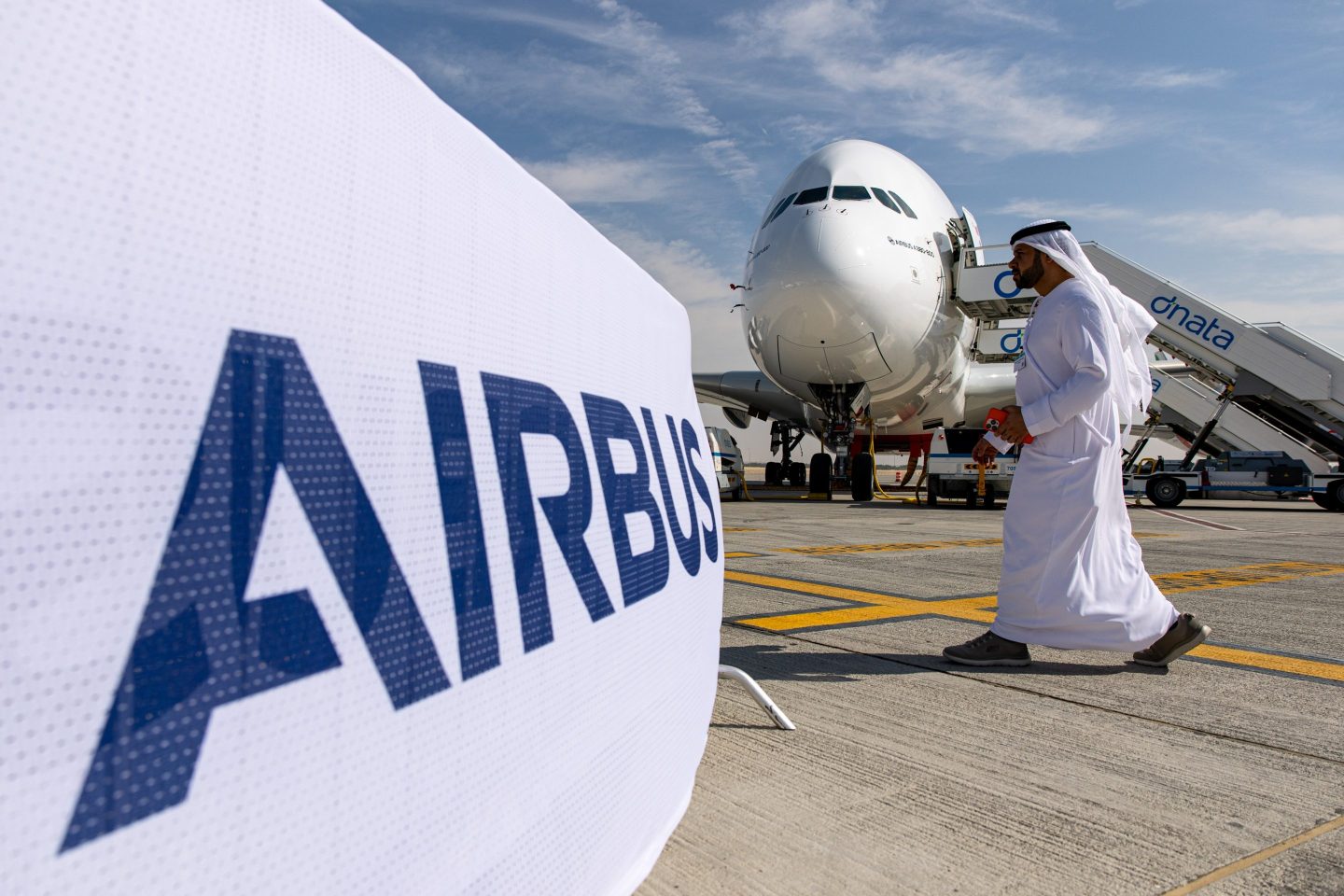
In October, Airbus finally won bragging rights in a four-decade battle with duopoly rival Boeing: Its A320 narrow-body passenger jet, which entered service in 1988, surpassed Boeing’s 737 in total deliveries to airlines, with more than 12,260 aircraft deployed. The milestone reflects Airbus’s long-standing strategy of catering to low-cost carriers; it also reflects extensive production delays at Boeing after two fatal crashes involving the 737 Max. Both manufacturers have been slow to bring a next-generation passenger jet to market, but in recent years customers and investors have placed more trust in Netherlands-based Airbus. The company, which was on track to bring in €75 billion ($88 billion) in revenue for 2025, makes its debut this year on our All-Star list.
A version of this article appears in the February/March 2026 issue of Fortune.