The U.S. economy is a slightly steadier ship than many had expected heading into 2026, but with the labor market looking increasingly shaky, even one of the most optimistic demographics of the past year is starting to feel down.
U.S. consumer sentiment may have risen slightly in recent weeks, according to preliminary findings from the University of Michigan’s January Consumer Sentiment Survey released Friday. Its index rose to 54 from 52.9 last month. The improvement stems from “gradually receding” worries about the effects of tariffs, according to a statement, as year-ahead inflation expectations remained at their lowest level since January of last year.
But the uptick in positivity was tempered by declining faith in labor markets, particularly sensitive for high-income households, said Joanne Hsu, an economist who directs the university’s research surveys. As the job market’s “no-hire, no-fire” regime of the past year shows signs of wavering, pessimism is starting to creep into America’s upper echelons.
“While labor market expectations have essentially held steady for lower income consumers, higher income consumers have seen quite a bit of deterioration,” Hsu told Fortune. “Higher income, higher educated consumers are just showing increased worries about what’s happening in labor markets.”
While Hsu stressed that consumer confidence has declined across the board, and that the December results are only preliminary and will be updated with a final release later this month, earlier findings reported that consumer sentiment declined steeply among high earners throughout 2025. The survey sorts replies into three groups by income level, with the highest third of U.S. incomes sorted into the survey’s highest tercile. Between January and November last year, consumer sentiment among the lowest and middle terciles of American household income fell 29.8% and 27.6%, respectively, while the country’s highest third of earners suffered a steeper 32.1% decline.
Job security anxieties fuel declining sentiment
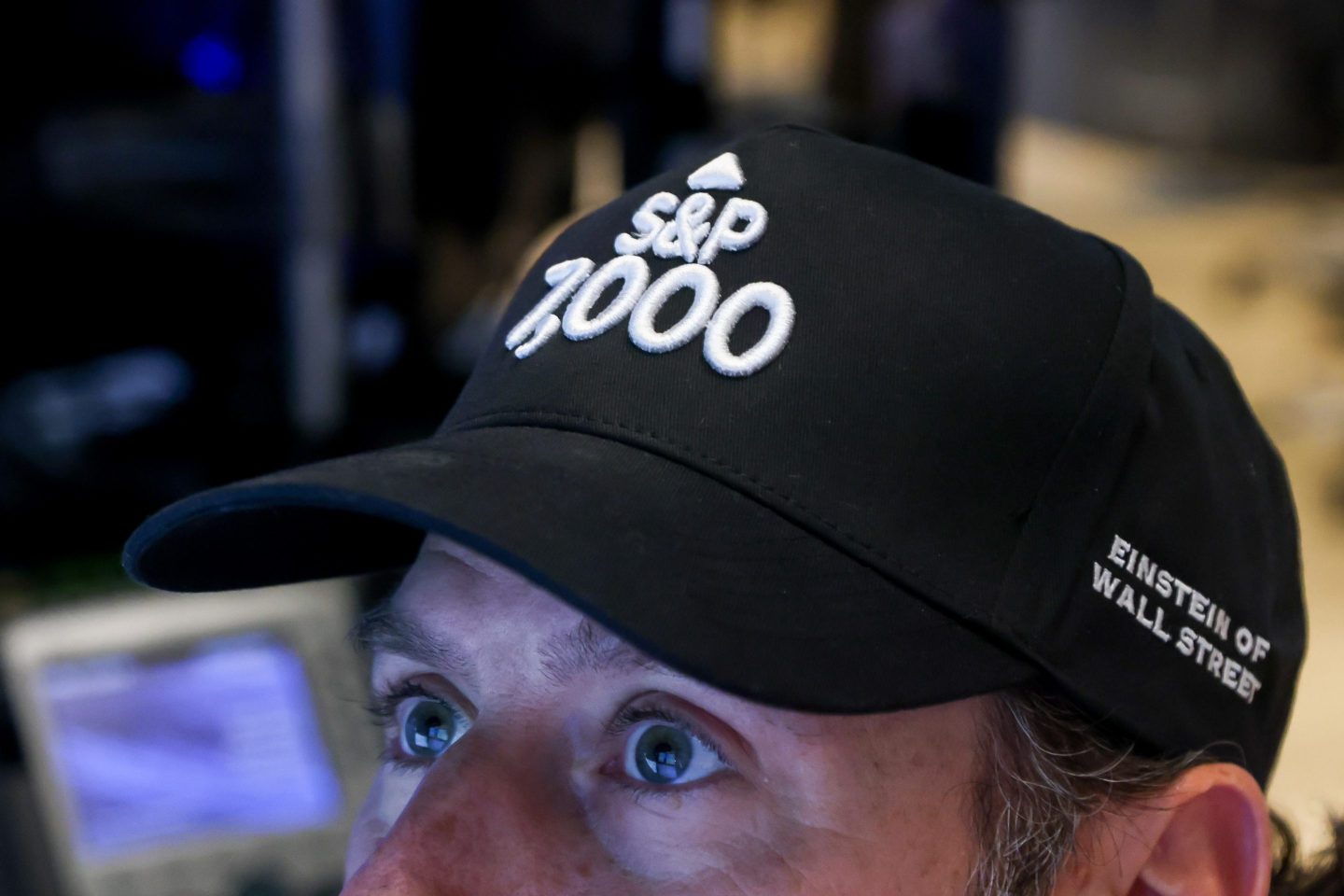
While most Americans dealt with inflation and rising prices for housing, food, and electricity over the past year, high earners, who are more likely to own stocks, may have been somewhat insulated. After the U.S. stock market hit record highs and posted double-digit gains, the top 10% of households walked away with trillions in new wealth created last year. The discrepancy led to what some economists termed a “K-shaped economy,” with appreciating assets benefiting wealthy consumers at the top, and mounting inflation and tariff headaches causing pain at the bottom.
In the University of Michigan’s November consumer sentiment report, Hsu noted that an outlier in declining sentiment could be found among consumers in the largest tercile of stock holdings, for whom optimism had risen 11% that month.
But that cheeriness might be starting to wear off. In December, nonfarm payrolls increased by only 50,000, the Bureau of Labor Statistics reported last week. The U.S. economy added only 584,000 jobs last year, down from 2 million in 2024, and posted the weakest job growth year outside a recession since the early 2000s.
A weakening labor market spells trouble for white-collar workers. In these sectors, while unemployment hasn’t surged, hiring has essentially been frozen for the past year, especially for entry-level roles, as firms juggle worries over economic uncertainty and AI fears. Anxiety over job loss is rife among white-collar employees, and those concerns might now be manifesting in the data.
In the latest University of Michigan report, worries about job stability in the next five years and earning potential were “particularly elevated” among higher-income and higher-educated consumers, Hsu said.
Other surveys have reported similar findings in recent weeks. Fears of joblessness in the next year were highest among the highest-earning individuals last summer, according to an August survey by the New York Federal Reserve. And last week, research firm Morning Consult reported a 10.5-point decline in sentiment among consumers earning more than $100,000 a year.
“High income consumers were seemingly riding high regardless of what was going on around them, and then starting the end of December that narrative changed very dramatically,” John Leer, Morning Consult’s chief economist, told Fortune. “Over the course of the last 10 days, we have experienced the largest decline in consumer sentiment among high income consumers since the pandemic.”
Update, January 12, 2026: This article has been updated with a comment from Morning Consult.