Illegal activity in the crypto sector is nothing new but, in recent months, it is nation-states that account for a growing share of it. In the last year, there has been a 694% increase in crypto received by sanctioned entities, including from Russia and Iran, according to a new section of Chainalysis’ Crypto Crime Report.
The report details the evolution of crypto crime over time. In the past, illicit use of crypto was dominated by individual actors exchanging hundreds of thousands or millions of dollars. Now, nation-states are beginning to dominate the sector, moving hundreds of millions or even billions in funds obtained through hacking or fraud.
“While nation-states have been utilizing cryptocurrency for a while, it’s happening at a different scale today,” said Andrew Fierman, head of national security intelligence at Chainalysis, a private firm that helps government agencies and crypto companies identify illicit activity.
The report comes out at a time when rumors swirl about the crypto holdings of another sanctions-prone country—Venezuela. While the South American nation is not named in the report, it has a long history with crypto. Fierman says that citizens have been using it as a way to counteract their currency’s hyperinflation.
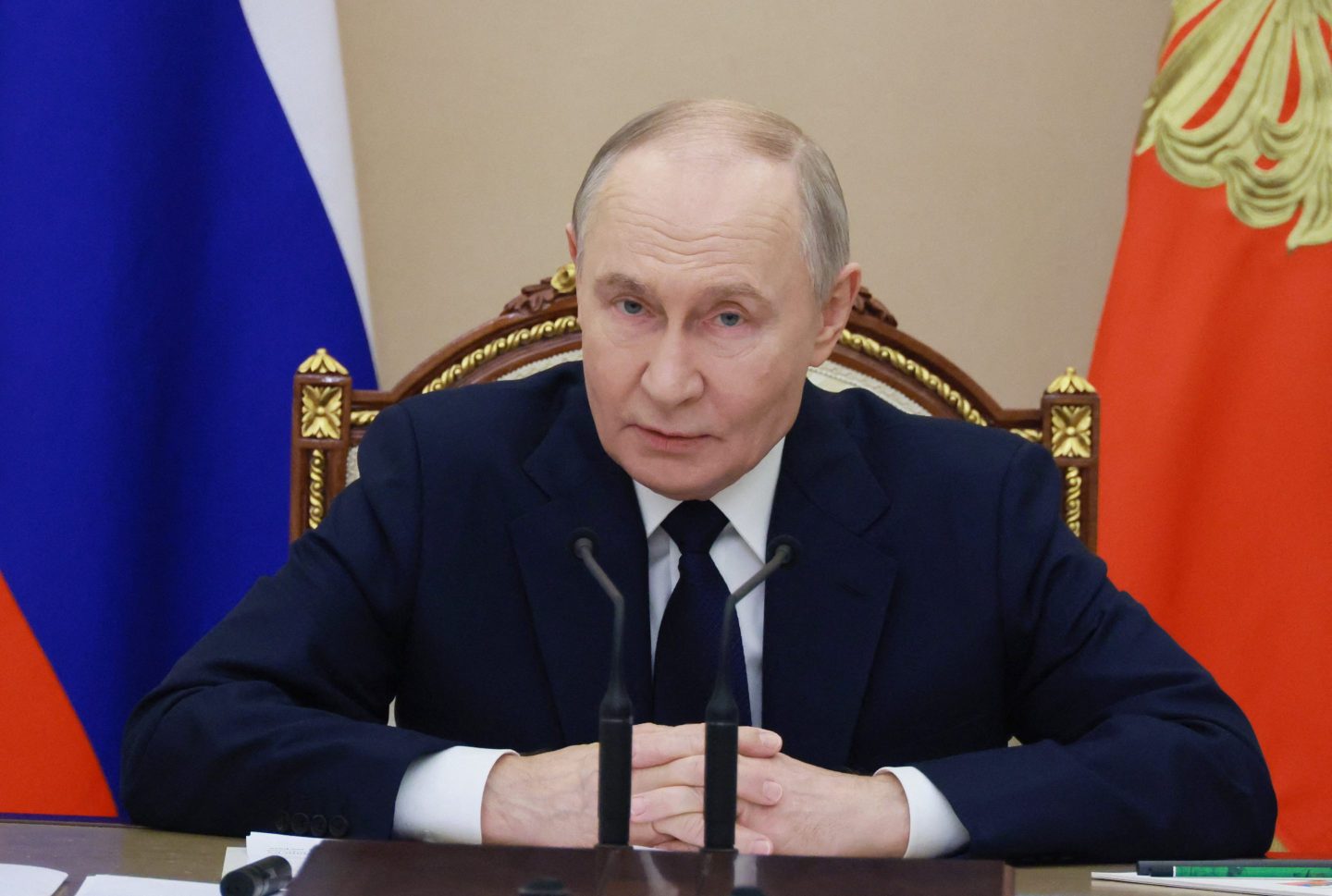
As for Russia, the country has made several moves on-chain in the last couple of years. It introduced legislation in 2024 allowing crypto for international payments in response to Western sanctions. Then, in February 2025, the country launched its ruble-backed A7A5 token, which saw roughly $93 billion in transactions in less than a year.
Iran made similar gains in using crypto. The country’s Islamic Revolutionary Guard Corps and its proxy network facilitated more than $2 billion in money laundering, illicit oil sales, and the procurement of arms on-chain. Terrorist organizations aligned with Iran, including Lebanese Hezbollah, Hamas, and the Houthis are using crypto at unprecedented scales, according to the report.
A large majority of crypto crime comes in the form of stablecoins, which accounts for 84% of all illicit transaction volume. This reflects a broader trend on the blockchain—people are increasingly using stablecoins because they make international payments easier, and they have lower volatility.
The broader crypto economy is made up of largely legitimate transactions, the report says. The illicit share of all crypto transaction volume is slightly up from last year but remains below 1%.