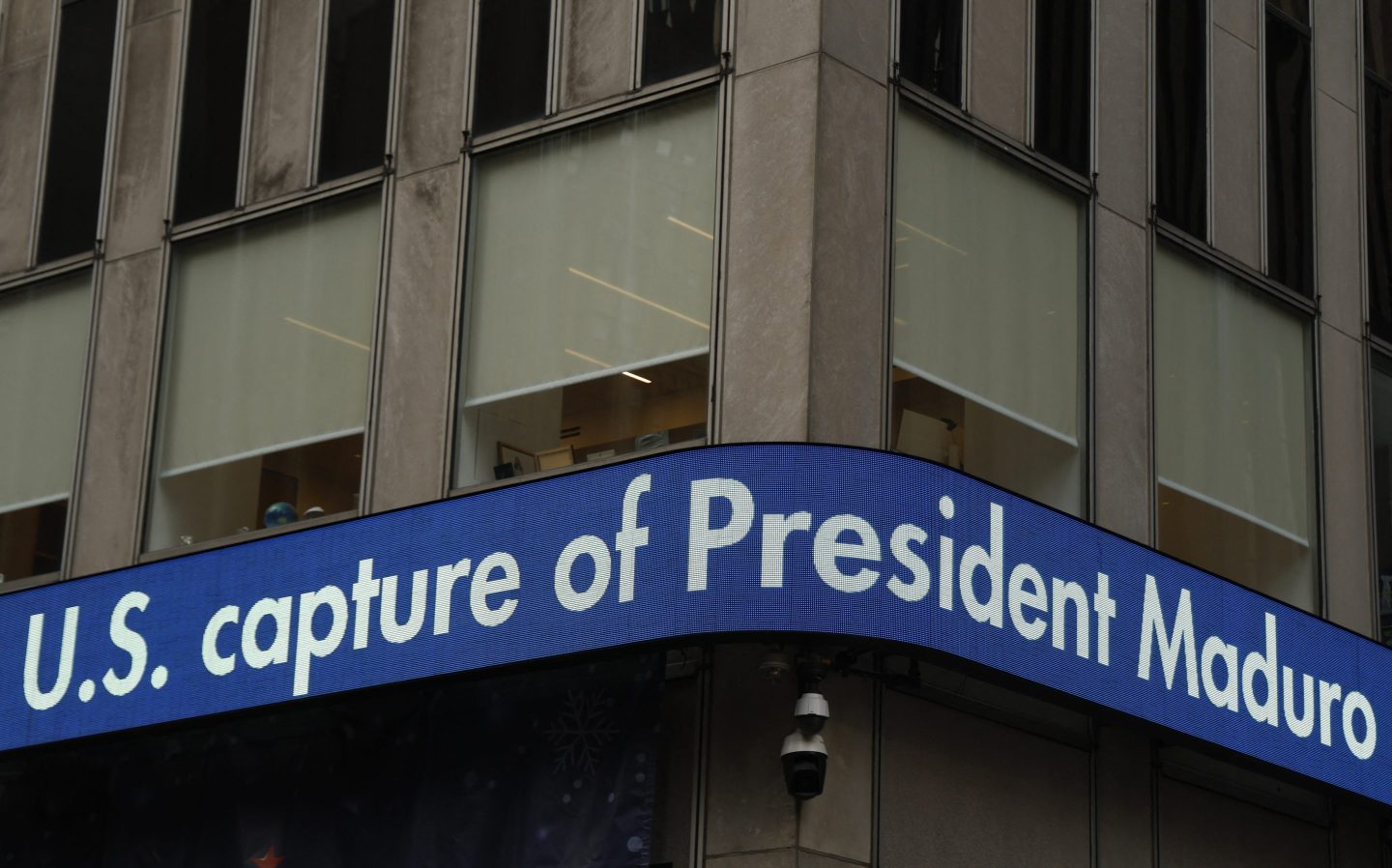
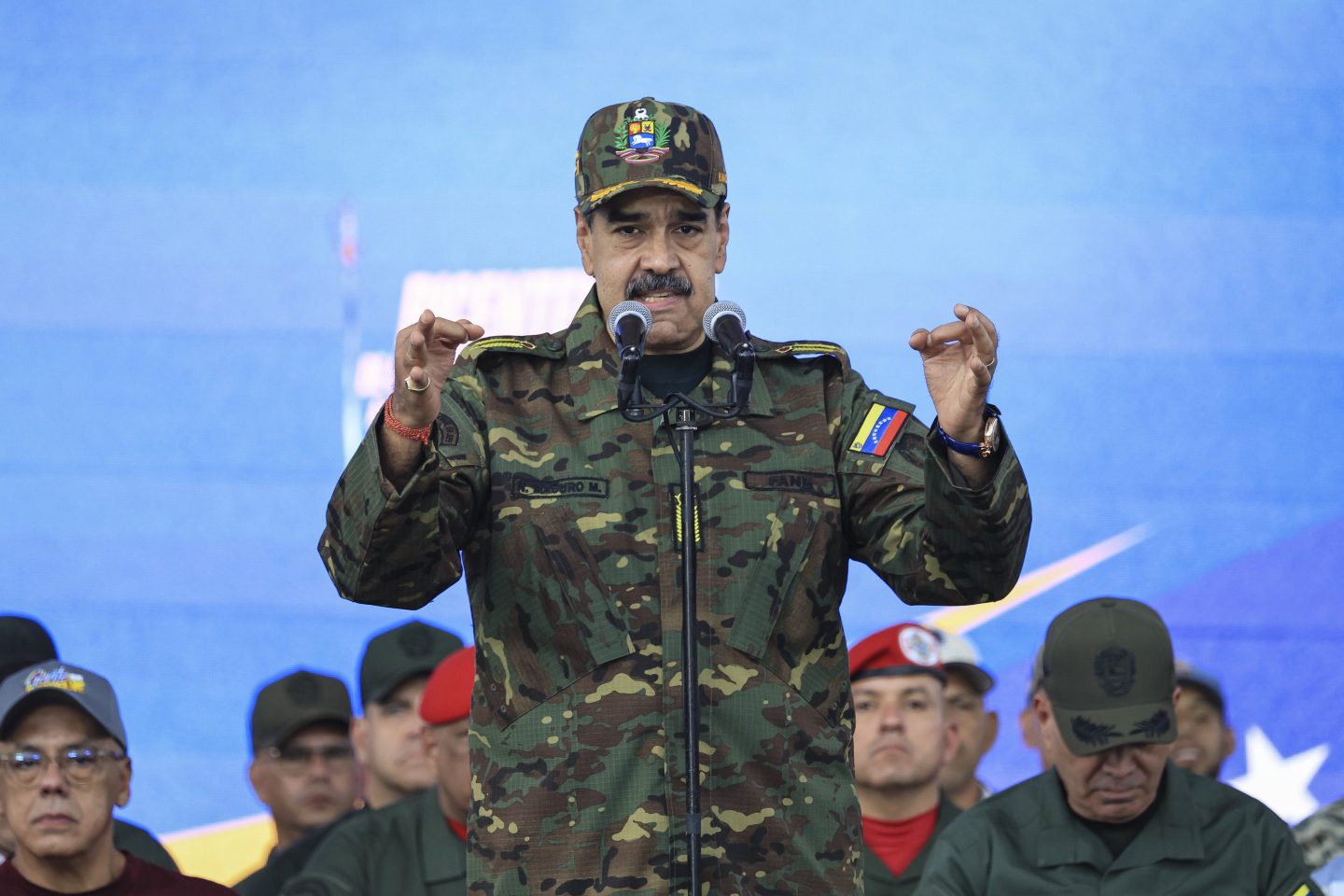
The arrest of Venezuelan President Nicolas Maduro has made someone hundreds of thousands of dollars richer.
Last week, one Polymarket account invested over $30,000 on Maduro’s exit by Jan. 31, 2026. When U.S. forces seized the Venezuelan leader and his wife from their home on Saturday, the user netted $436,759.61, translating to a profit of more than $400,000. The account was created less than a week before Maduro’s capture and only made bets associated with Maduro’s exit and the U.S. going to war with Venezuela, including within a day of his arrest.
The timing of the account’s creation, as well as its eye-popping winnings, have raised concerns about insider trading because prediction markets saw Maduro’s capture as statistically unlikely. Polymarket listed the odds for his capture by Jan. 31 as low as 5.5%. Kalshi, a competing platform, had the probability of Maduro exiting office before February at 7%.
“Insider trading is not only allowed on prediction markets; it’s encouraged,” entrepreneur and investor Joe Pompliano said in an X post on Saturday in response to the Polymarket user’s big investment on Maduro’s exit.
Given the intense secrecy around the raid, with top members of Congress not even informed ahead of time, any insider possessing advance knowledge would presumably be someone in the highest levels of the government or in a key operational role in the military.
Polymarket did not immediately respond to Fortune’s request for comment.
Platforms like Polymarket and Kalshi have been under increased suspicions over insider trading. In December, a cadre of Polymarket accounts bet OpenAI would debut a new model by mid-month. The tech company indeed released GPT-5.2 on Dec. 11, and the four accounts made a collective $13,000 from their investments. Weeks earlier, one Polymarket trader netted $1 million over the course of 24 hours with bets made about Google’s Year in Search rankings.
Despite no evidence proving the user had private information informing the investments, Meta engineer Jeong Haeju accused the account of insider trading.
“At this point it’s obvious: He’s a Google insider milking Polymarket for quick money,” Haeju wrote on X. “It’s one of the wildest things I’ve seen on the platform.”
To be sure, insider trading is banned by prediction markets. “No Person shall take action or direct another to take action based on non-public Order information, however acquired,” Polymarket’s rulebook states. However, enforcement of this ban has been questionable.
Prediction markets are regulated by the Commodity Futures Trading Commission (CFTC), which oversees all derivative markets, such as options and futures trading. Unlike gambling, which is regulated to create guardrails to protect users’ safety, derivative markets do not require the same consumer protections.
The Trump administration has been historically lax on enforcing insider trading rules. An NPR analysis conducted in 2020 found that under President Donald Trump in 2019, the Securities and Exchange Commission, the regulatory body overseeing the conduct of Wall Street, brought 32 insider trading enforcement actions, its lowest since 1996.
Prediction markets have also notched victories against regulators. In 2024, Kalshi pushed back on the CFTC’s decision to prohibit bets on U.S. congressional election results and won, because elections were considered neither gaming nor an illegal activity. The platform opened wagers for those congressional elections within an hour of the federal judge ruling in its favor.