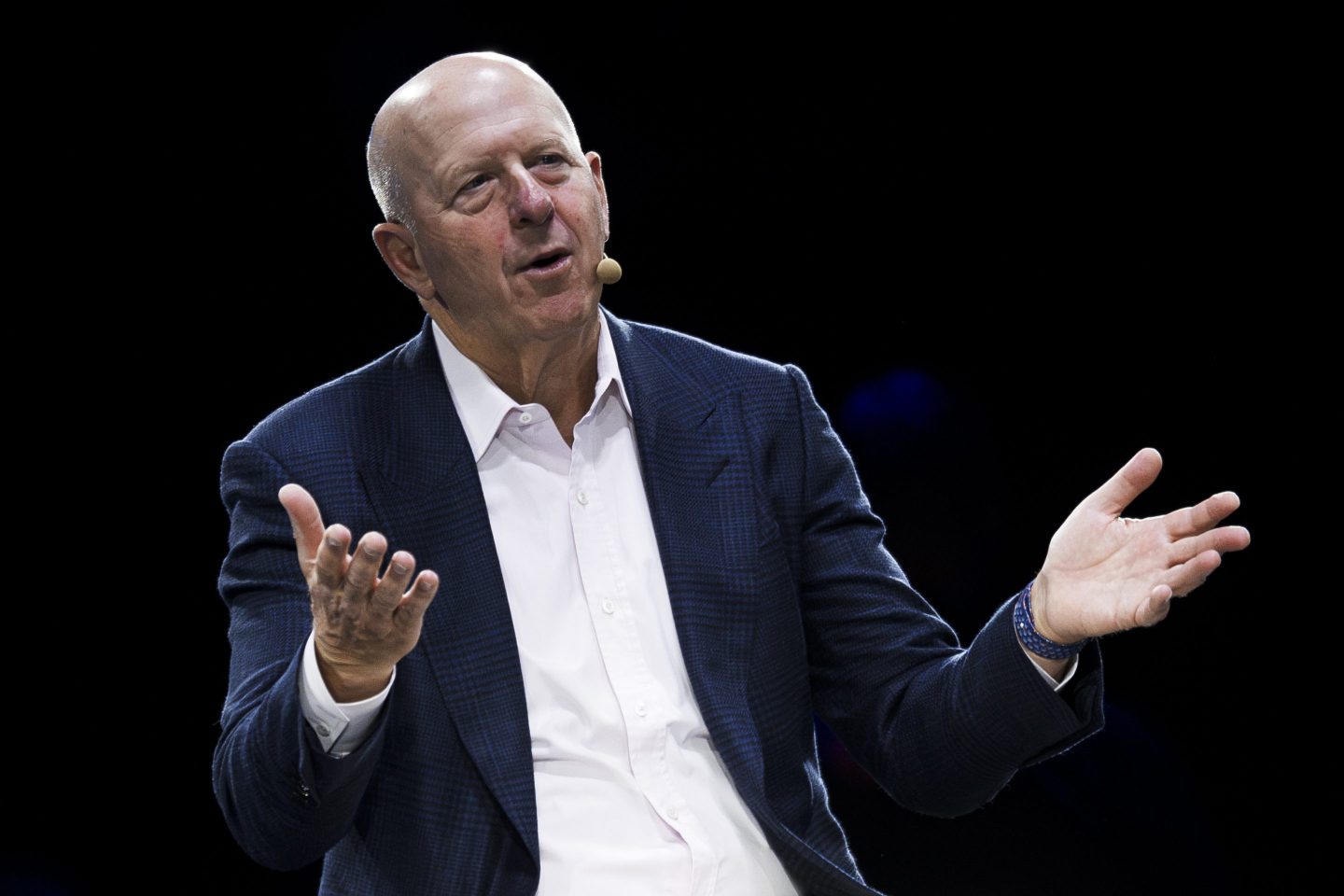
It’s easier to get into an Ivy League school than it is to land a job at $268 billion banking giant Goldman Sachs. But unlike the colleges, the business isn’t chasing the most intelligent minds floating into its talent pools. David Solomon, the CEO of Goldman, says he’s in the “camp of smart enough.”
“You have to be smart enough, but the smartest person in the world without a whole package of other things [is] not going to navigate Goldman Sachs well, not going to be successful in Goldman Sachs over the long run,” Solomon revealed recently on Sequoia Capital’s Long Strange Trip podcast.
There are a few key qualities Solomon looks for in new hires, over educational pedigree. The CEO said the most attractive candidates are in touch with “human elements” like the ability to connect, be resilient, and determined. They always need to be striving for excellence—and on top of everything else, should come to Goldman Sachs with a proven track record.
Experience, Solomon said, is “hugely underrated” and “a big differentiator for the firm.” It’s not impossible to do very well without it, he added, but relying on book smarts over real-life expertise won’t get one hired at the bank.
“You can’t teach experience,” Solomon explained. “Experience matters in these big organizations and when it matters it doesn’t matter when things are going well. It matters when the bumps come. You’ve got to make difficult judgments.”
CEOs aren’t always going for the brightest Ivy League grads
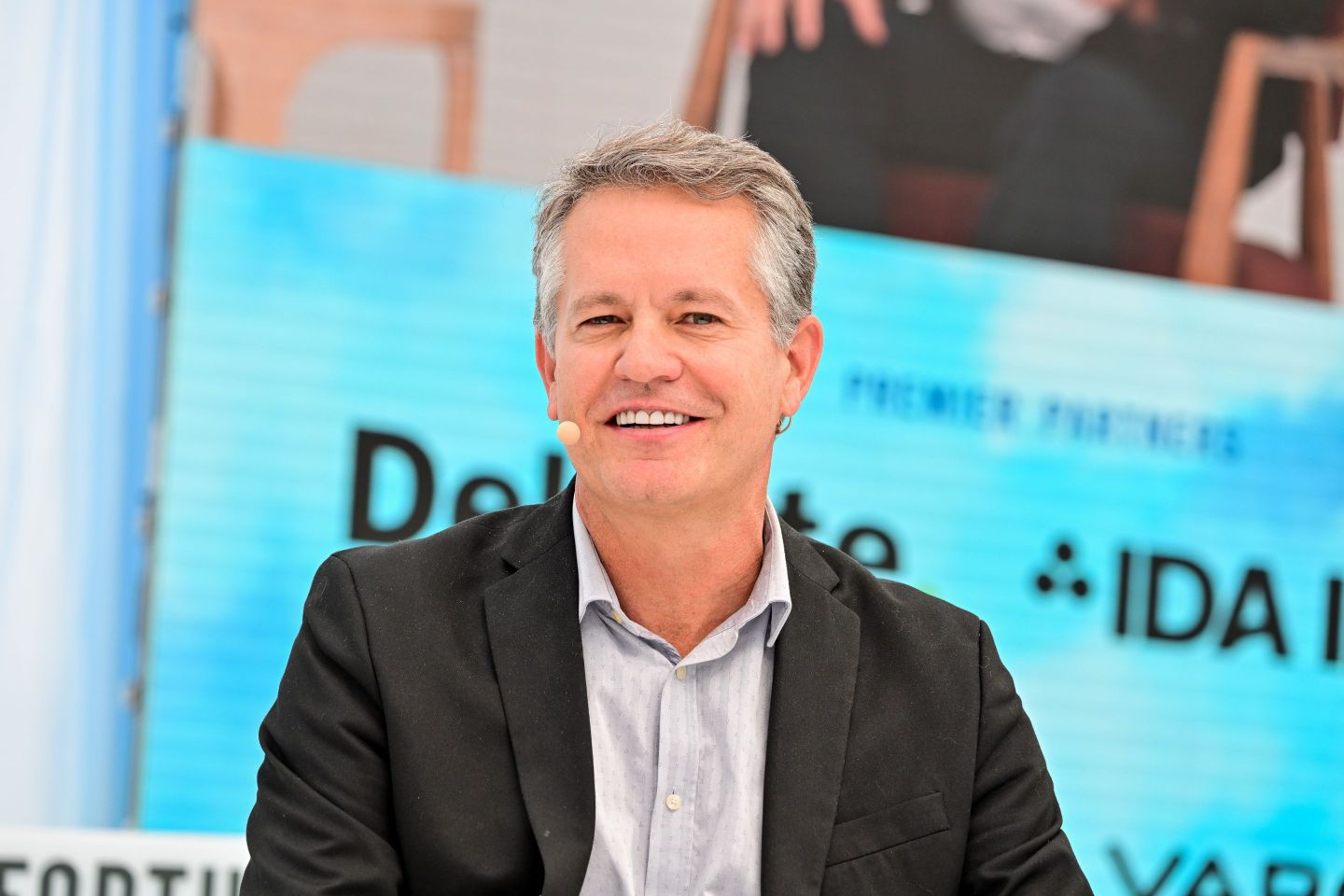
Solomon isn’t the only CEO choosing life skills over intellectual excellence. Even the CEO of LinkedIn, Ryan Roslansky, has cautioned that instead of chasing candidates with Ivy League backgrounds, hiring managers today will be on the hunt for AI-savvy talent.
“I think the mindset shift is probably the most exciting thing because my guess is that the future of work belongs not anymore to the people that have the fanciest degrees or went to the best colleges,” Roslansky said during a recent fireside chat.
Even Berkshire Hathaway’s Warren Buffett looks past Ivy League degrees when it comes to hiring. The hedge fund mogul, worth $149 billion, doesn’t care if his employees went to Stanford or Princeton—or any college at all.
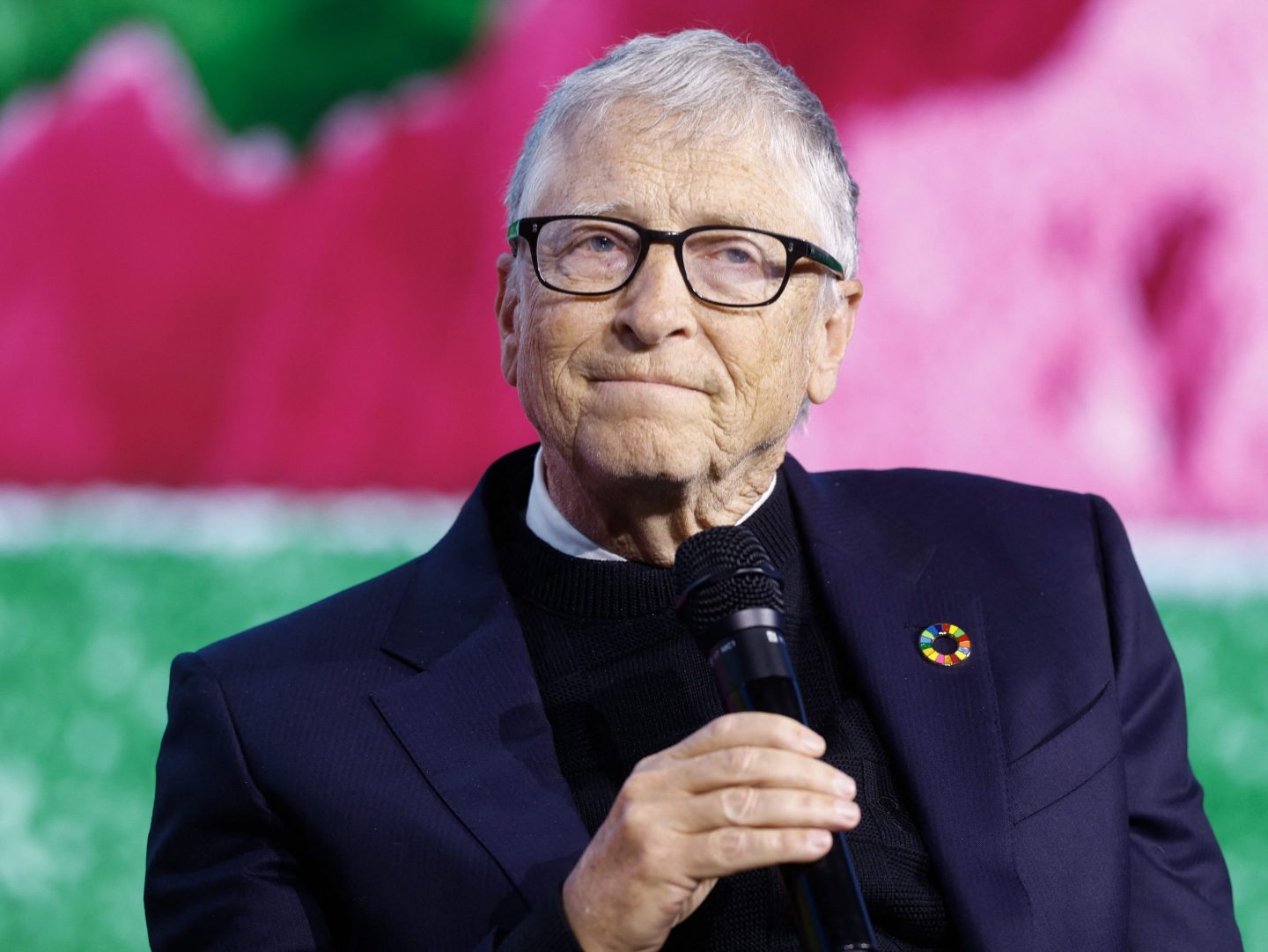
While discussing Berkshire Hathaway’s 2005 acquisition of Forest River, an RV manufacturer led by Pete Liegl, he said “no competitor came close to his performance” despite Liegl not hailing from an incredibly prestigious university. Buffett also pointed to Microsoft entrepreneur Bill Gates, who achieved billion-dollar success without a college diploma.
“I never look at where a candidate has gone to school. Never!” Buffett said in his 2025 annual letter to shareholders. “Of course, there are great managers who attended the most famous schools. But there are plenty such as Pete [Liegl] who may have benefited by attending a less prestigious institution or even not bothering to finish school.”
Even elite college degrees—once the benchmark of intelligence—have fallen flat, according to business leaders. The iconic Harvard University dropout himself, Meta’s Mark Zuckerberg, said that colleges aren’t skilling graduates for the jobs they need. The Facebook creator cautioned that the tide is changing as people figure out whether pursuing a degree makes sense anymore, especially as employers hunt for new talent skills.
“There’s going to have to be a reckoning,” Zuckerberg said on the This Past Weekend podcast in April. “People are going to have to figure out whether that makes sense. It’s sort of been this taboo thing to say, ‘Maybe not everyone needs to go to college,’ and because there’s a lot of jobs that don’t require that…People are probably coming around to that opinion a little more now than maybe like 10 years ago.”