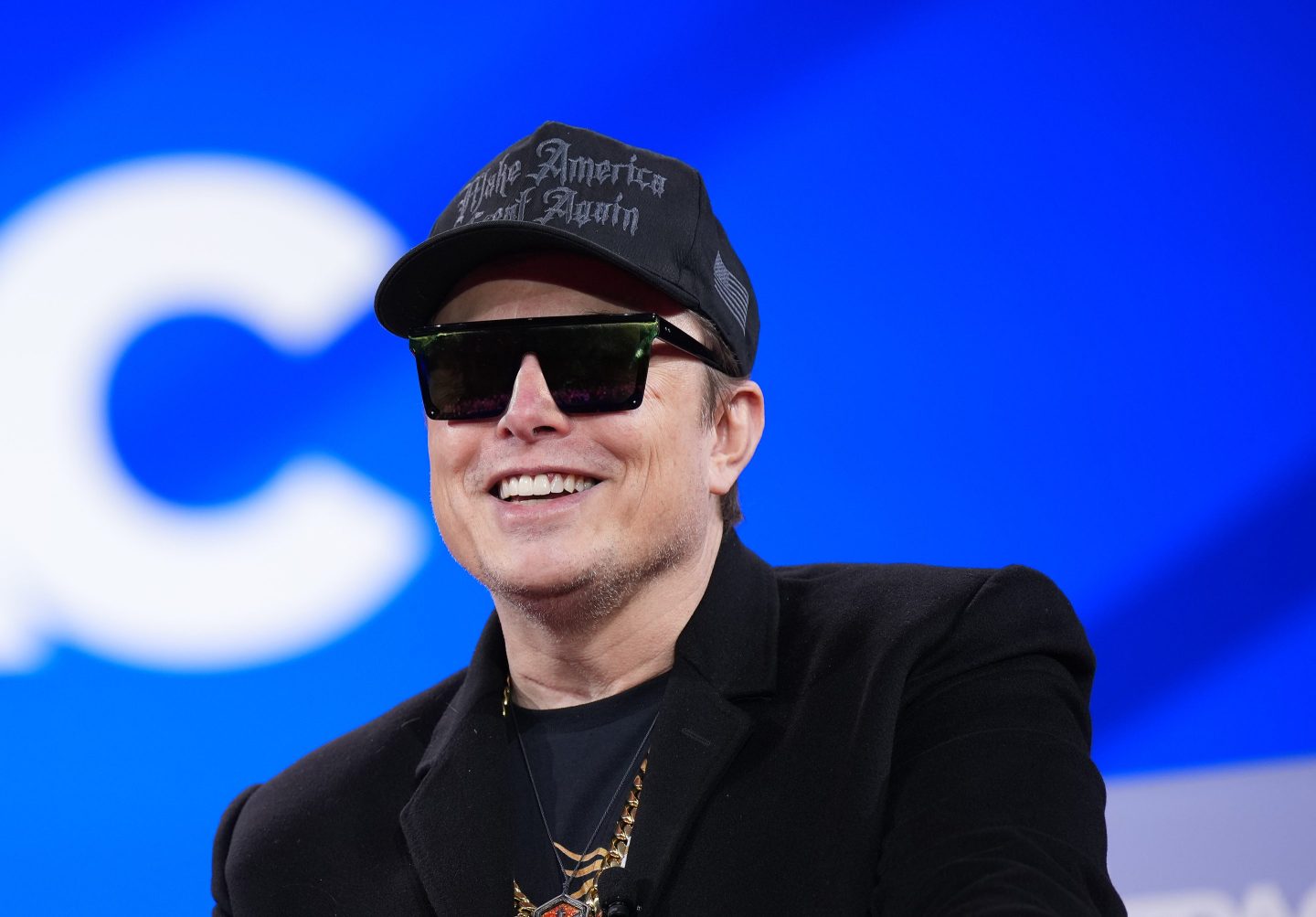
Elon Musk just woke up $168 billion richer. Even as the wealthiest man in the world, he is still setting new records and raising the bar for what ultra-wealthy looks like.
The serial CEO’s net worth shot up to $638 billion on Monday, making him the first person estimated to be worth more than $600 billion by Bloomberg’s wealth index.
The 54-year-old witnessed an unprecedented wealth surge after SpaceX, an aerospace company he founded and leads, hit a $800 billion market cap in an insider share sale. SpaceX subsequently became the most valuable private company in the world—and by holding a 42% stake in the business worth $317 billion, Musk’s fortune soared.
In fact, his fortune has multiplied so much that fellow billionaires can’t keep up; Oracle cofounder Larry Ellison very briefly knocked him from the top spot earlier this year, but swiftly lost $34 billion.
Even the wealth of Google cofounder and ex-CEO Larry Page, who is the second richest person alive, pales in comparison to Musk’s bank account. Page is worth $265 billion: less than half of what the SpaceX CEO sits atop.
And with Musk’s $1 trillion Tesla pay package (effective since it was approved in November) trickling into his bank account over the next decade, he’s solidified his spot as the richest person in the world by a longshot.
How Musk became the richest person in the world
When Musk was first added to Bloomberg’s index in 2013, he only held $4.8 billion in wealth—still an eye-watering figure, but a far cry from his 2025 fortune. His next milestone came in 2020, when he was calculated to be worth at least $100 billion thanks to a soaring Tesla valuation. And within the last five years, he’s managed to accrue six times as much wealth—adding around $100 billion every year—as his businesses thrived.
But Musk was never a stranger to wealth.
The entrepreneur spent his final high school years attending an affluent South African boys school—surrounded by peers who later became politicians and award-winning novelists—while the rest of the country reeled from apartheid. Later, he headed to his mother’s country, Canada, before moving to the U.S. in pursuit of success.
Musk experienced his first wealth breakthrough while he was still in his early twenties. In 1995 he co-founded software company Zip2, which helped newspapers bring city guides to the internet. The business sold to Compaq for $307 million just four years later. But his next venture solidified his footing in the corporate world; in 1999 Musk then co-founded X.com, an online payment company which later merged with PayPal’s parent company Cofinity. By 2002, eBay acquired PayPal for a whopping $1.5 billion.
Instead of simply riding the high of newfound wealth, Musk used the money to found and invest in a slew of other lucrative companies. In 2002, he founded SpaceX—his current ticket to $638 billion wealth. He also joined Tesla as an investor in 2004, becoming CEO four years down the road. In 2016, he launched neurotech business Neuralink, the same year he founded The Boring Company. And in one of his most daring—and contentious—aquisitions yet, Musk bought Twitter (now X) for $44 billion in 2022.
But the vast majority of Musk’s wealth comes from his 12% stake in EV car business Tesla, and 42% share of rocket company SpaceX. He also owns around 33% of XAI Holdings, valued at roughly $105 billion by Bloomberg, following a merger with X and AI startup xAI. And aside from his investments, Musk has locked down a compensation package that’s unheard of. This November, Tesla shareholders voted in favor of a nearly $1 trillion, 10-year pay plan for the Tesla CEO.
Criticism around Musk’s $1 trillion pay package
The first-of-its-kind $1 trillion compensation strategy encompasses 12 tranches of shares to be granted if Tesla hits certain milestones over the next decade, giving Musk increased voting power over the company. His ownership of Tesla is estimated to swell from about 12% to 25%, tacking an additional 423 million shares to Musk’s current holdings.
It’s a record-breaking pay package that has drawn scrutiny from spectators and proxy advisors alike. Even Pope Leo XIV chimed in on the situation, warning of growing income inequality at the upper echelons of business.
“CEOs that 60 years ago might have been making four to six times more than what the workers are receiving, the last figure I saw, it’s 600 times more than what average workers are receiving,” the Pope told Catholic news site Crux in September.
“Yesterday, the news that Elon Musk is going to be the first trillionaire in the world: What does that mean and what’s that about? If that is the only thing that has value anymore, then we’re in big trouble.”